Korean Drama Habits: US Viewers Survey 2026 Insights

A 2026 survey on Korean drama consumption habits among US viewers reveals a significant increase in engagement, diverse viewing platforms, and a growing appreciation for cultural nuances, solidifying K-dramas as a mainstream entertainment choice.
The landscape of global entertainment is constantly shifting, and few phenomena have captured the attention of audiences quite like Korean dramas. In 2026, a comprehensive survey delves into the evolving Korean drama consumption habits of US viewers, offering a fascinating glimpse into how this cultural wave continues to reshape American entertainment preferences. This exploration aims to uncover the nuances of engagement, platform choices, and the underlying motivations driving this widespread appeal.
The surging popularity of K-dramas in the US
Korean dramas have transitioned from a niche interest to a significant cultural force within the United States. This surge in popularity isn’t accidental; it’s a culmination of strategic distribution, compelling storytelling, and a growing openness among American audiences to explore diverse narratives. Understanding this growth requires examining various factors, from streaming accessibility to the inherent quality of the content itself.
Initial exposure to K-dramas often occurred through word-of-mouth or early streaming platforms. However, the widespread availability on major services has been a game-changer. This ease of access has demystified K-dramas for many, making them as readily available as any domestic production.
Accessibility and platform penetration
The role of streaming giants cannot be overstated in this cultural phenomenon. Platforms like Netflix, Viki, and Kocowa have invested heavily in licensing and subtitling K-dramas, making them accessible to millions. This strategic move has removed significant barriers to entry, allowing viewers to dive into a vast library of content with minimal effort.
- Netflix’s global reach and recommendation algorithms have introduced K-dramas to a broad, diverse audience.
- Specialized platforms like Viki offer extensive libraries, fan communities, and multiple subtitle options, catering to dedicated enthusiasts.
- Kocowa provides swift access to the latest South Korean broadcasts, appealing to viewers who want to stay current.
- Hulu and Amazon Prime Video also feature select K-drama titles, further broadening their availability.
The ease with which one can discover and watch a K-drama today is a testament to the digital revolution in entertainment. This accessibility has fueled a virtuous cycle: more viewers lead to more investment, which in turn leads to even greater accessibility and a wider variety of content.
In conclusion, the journey of K-dramas from obscurity to mainstream prominence in the US is largely attributable to strategic platform integration and an innate appeal that transcends cultural boundaries. The groundwork laid by early adopters has been amplified by global streaming services, creating a fertile ground for continued growth.
Demographics of the US K-drama viewer in 2026
The typical US K-drama viewer in 2026 is far more diverse than often perceived. While younger demographics, particularly Gen Z and millennials, remain a significant segment, the survey reveals a broadening appeal across age groups and ethnic backgrounds. This demographic shift highlights the universal themes and high production quality that resonate with a wide array of audiences.
Understanding who is watching K-dramas provides valuable insights into how these shows are impacting American culture. It’s not just about entertainment; it’s about cultural exchange and the breaking down of traditional media consumption patterns. The data indicates a departure from stereotypical viewer profiles.
Age and gender distribution
Traditionally, K-dramas were thought to primarily attract young women. While this group remains a strong segment, the 2026 survey shows a notable increase in male viewership and a significant rise in viewers aged 35-54. This expansion suggests that K-dramas are successfully crossing demographic lines, appealing to a broader spectrum of tastes and life stages.
- Gen Z (18-24): Continues to be a dominant force, often influenced by social media trends and peer recommendations.
- Millennials (25-40): A substantial and growing segment, appreciating complex narratives and diverse genres.
- Gen X (41-56): Shows increased engagement, often discovering K-dramas through family or recommendations from younger colleagues.
The gender distribution, while still leaning female, indicates a more balanced ratio than in previous years, reflecting a wider acceptance and appreciation of K-drama storytelling by men. This balanced appeal suggests that K-dramas are effectively catering to universal human experiences, moving beyond specific gendered interests.
Ethnic and cultural background
The survey also highlights a rich tapestry of ethnic and cultural backgrounds among US K-drama viewers. While Asian Americans were early adopters, the audience now includes significant proportions of Caucasian, Hispanic, and African American viewers. This multicultural engagement underscores the power of storytelling to transcend linguistic and cultural barriers.
The themes explored in K-dramas—family dynamics, romance, social justice, and personal growth—resonate deeply across various cultural contexts. This universality, combined with high production values and compelling acting, has fostered a truly diverse viewership.
In summary, the 2026 K-drama viewer in the US is a multifaceted individual, defying simple categorization. This expanding demographic base indicates a robust and maturing market for Korean entertainment, suggesting continued growth and deeper cultural integration.
Preferred genres and themes among US viewers
The spectrum of K-drama genres is vast, ranging from heartwarming romantic comedies to thrilling historical epics and intense psychological thrillers. US viewers, according to the 2026 survey, exhibit a diverse palate, though certain genres consistently emerge as favorites. This preference often reflects a desire for narratives that offer both escapism and profound emotional depth, often distinct from Western television tropes.
Understanding these preferences helps content creators and distributors tailor their offerings to maximize impact. It also reveals what aspects of Korean storytelling particularly resonate with American audiences, fostering a stronger connection.
Top-ranking genres
Romantic comedies and fantasy dramas continue to dominate the viewing habits of US audiences. The compelling chemistry between leads, coupled with often whimsical or magical elements, provides a refreshing escape. However, crime thrillers and historical dramas are rapidly gaining ground, appealing to viewers seeking more complex plots and intricate character development.
- Romantic Comedies: Beloved for their charming leads, witty dialogue, and feel-good narratives.
- Fantasy/Supernatural: Offers unique concepts and visually stunning effects, providing a distinct viewing experience.
- Crime/Thriller: Attracts viewers with suspenseful plots, unexpected twists, and strong character arcs.
- Historical Dramas (Sageuk): Provides a glimpse into Korean history and culture, often with epic storytelling and lavish costumes.
The appeal of these genres lies in their ability to deliver high-quality entertainment while often exploring deeper social commentaries or moral dilemmas within their specific frameworks.
Themes that resonate most
Beyond genre, certain themes consistently resonate with US viewers. The emphasis on family values, the exploration of mental health, and critical examinations of societal pressures are particularly impactful. These themes, often handled with sensitivity and depth in K-dramas, offer a refreshing perspective compared to some Western productions.
- Family Bonds: Strong emphasis on familial relationships, respect for elders, and the complexities of intergenerational dynamics.
- Mental Health Awareness: K-dramas increasingly tackle topics like depression, anxiety, and trauma, fostering empathy and conversation.
- Social Justice: Many series subtly or explicitly address issues such as corruption, class inequality, and workplace harassment.
- Personal Growth and Resilience: Protagonists often overcome significant challenges, inspiring viewers with their journeys of self-discovery.
The ability of K-dramas to weave these complex themes into engaging narratives is a key factor in their enduring popularity. They offer more than just entertainment; they provide a window into different cultural perspectives on universal human experiences.
The impact of subtitles and dubbing on consumption
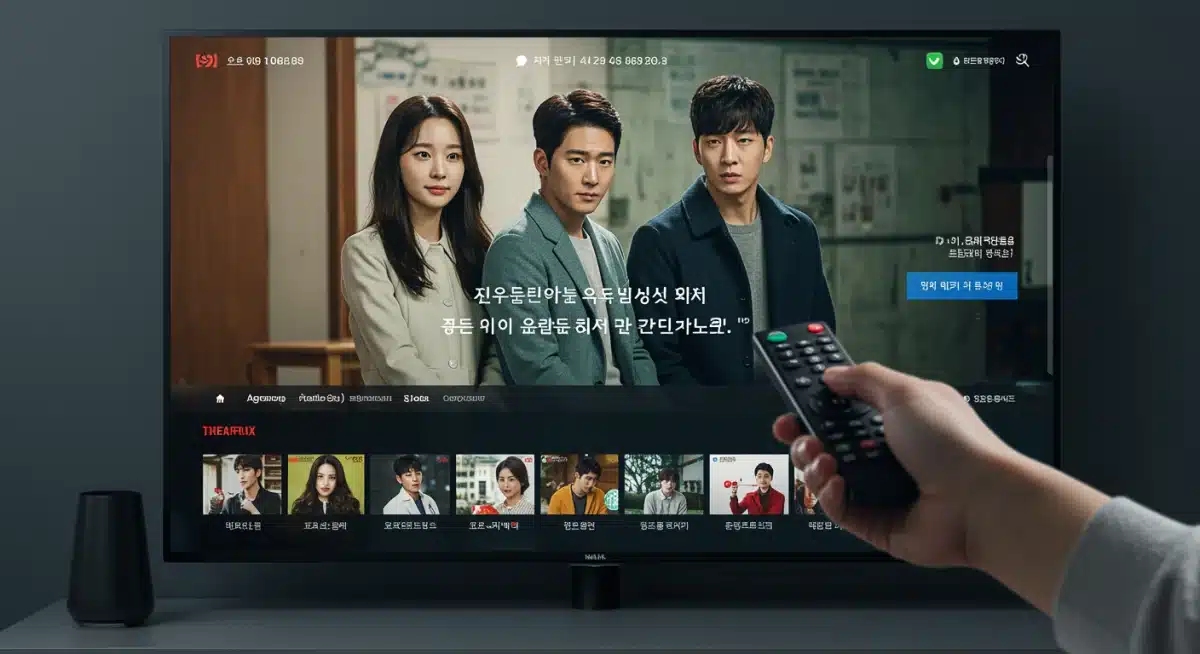
The perennial debate between subtitles and dubbing continues to influence Korean drama consumption habits in the US. While many purists prefer subtitles to experience the original performances and vocal nuances, the availability of high-quality dubbing has undeniably expanded the audience reach, particularly for casual viewers or those with visual impairments. The 2026 survey provides clear data on these preferences.
This discussion isn’t merely about personal preference; it has significant implications for accessibility and market expansion. Understanding which format viewers prefer helps platforms optimize their offerings and cater to a wider demographic.
Subtitle preference remains strong
A significant majority of US K-drama viewers (approximately 70%) still prefer watching with subtitles. This preference is often driven by a desire for authenticity, allowing viewers to hear the actors’ original voices and appreciate the intended emotional delivery. For many, reading subtitles becomes a natural part of the viewing experience, almost an unconscious act.
Furthermore, many viewers appreciate the linguistic and cultural learning aspect that subtitles offer. It allows for a deeper immersion into the Korean language and cultural expressions, enriching the overall experience. The community surrounding K-dramas often engages in discussions that reference specific Korean phrases or cultural nuances, making subtitles crucial for participation.
The rise of high-quality dubbing
While subtitles hold sway, the past few years have seen a marked improvement in the quality of K-drama dubbing, leading to a noticeable increase in viewers opting for dubbed versions (around 25%). This shift is particularly evident among younger audiences and those who prefer to multitask while watching, or simply find reading subtitles distracting.
Platforms are investing more in professional dubbing, employing skilled voice actors who can convey the original emotion and tone effectively. This improvement has made dubbed versions a more viable and enjoyable option for a segment of the audience that might otherwise be deterred by the need to read. It also makes K-dramas more accessible to families where younger children may not be proficient readers.
In conclusion, while subtitles remain the preferred method for many dedicated K-drama enthusiasts, the growing quality and availability of dubbing are undeniably broadening the appeal to a new segment of US viewers. This dual approach ensures that K-dramas can reach the widest possible audience, catering to diverse viewing styles and preferences.
Social media’s role in K-drama discovery and engagement
Social media platforms have become indispensable tools in the discovery, discussion, and sustained engagement with Korean dramas among US viewers. From Twitter threads dissecting plot twists to TikTok edits showcasing iconic scenes, these platforms foster vibrant communities that amplify the K-drama phenomenon. The 2026 survey highlights the profound influence of these digital spaces on consumption habits.
The interactive nature of social media transforms passive viewing into an active, communal experience. It allows fans to connect, share insights, and even influence the popularity of certain shows and actors.
Discovery and recommendations
For many US viewers, the initial exposure to a K-drama often comes through social media recommendations. A compelling clip on Instagram, a trending hashtag on Twitter, or a friend’s enthusiastic review on Facebook can spark curiosity and lead to new discoveries. This organic, peer-driven recommendation system is incredibly powerful.
- TikTok: Short, engaging clips and fan edits frequently go viral, attracting new viewers to specific dramas.
- Instagram: Visual content, including fan art, aesthetic stills, and behind-the-scenes glimpses, drives interest.
- Twitter: Real-time discussions, spoiler alerts, and fan theories create immediate engagement during airing.
- YouTube: Reaction videos, reviews, and compilation clips serve as both discovery tools and post-viewing analysis.
The ease with which content can be shared and discussed across these platforms creates a constant buzz, ensuring that K-dramas remain a relevant topic in online conversations.
Community building and fan engagement
Beyond discovery, social media plays a crucial role in building and sustaining K-drama fan communities. These online spaces allow viewers to share their excitement, debate plotlines, and celebrate their favorite actors. This sense of belonging enhances the overall viewing experience, transforming it into a shared passion.
Fan accounts, dedicated forums, and even official social media channels for dramas and actors provide platforms for deep engagement. Viewers often feel a stronger connection to the content when they can interact with others who share their enthusiasm, creating a global network of K-drama lovers.
In conclusion, social media is far more than just a promotional tool for K-dramas; it is an integral part of the consumption ecosystem. It facilitates discovery, fuels discussion, and fosters a strong sense of community, ensuring that the K-drama wave continues to grow and evolve in the US.
Future trends in US K-drama consumption
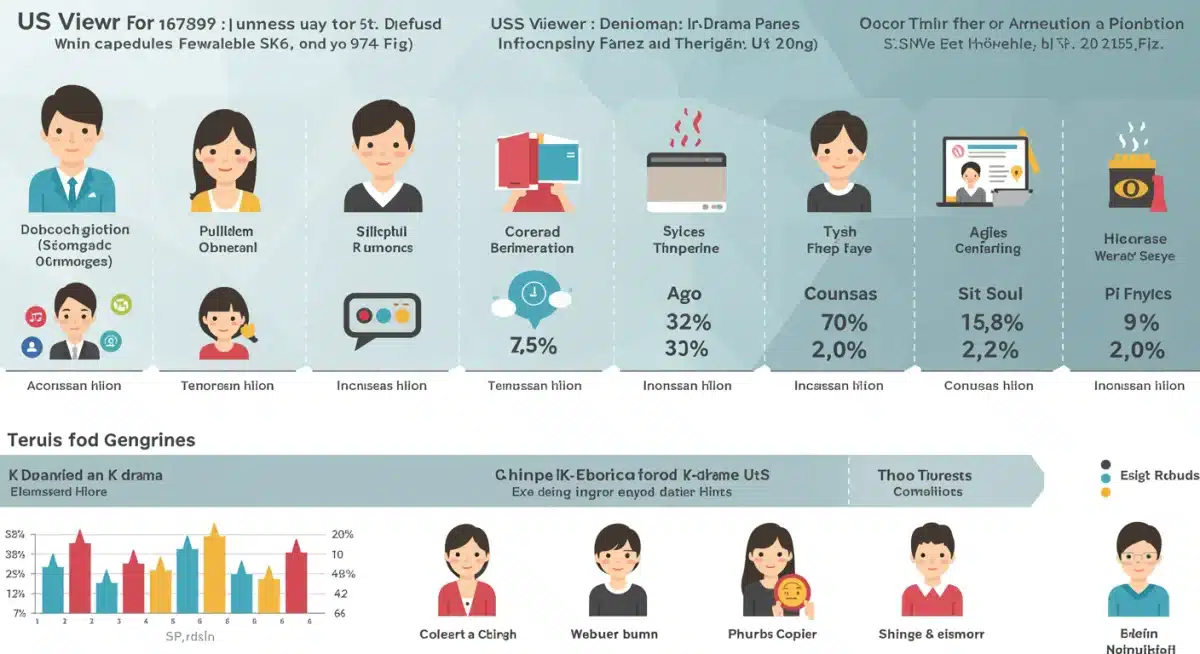
Looking ahead, the future of Korean drama consumption habits in the US appears incredibly dynamic, with several emerging trends poised to shape the landscape. The 2026 survey provides a foundation for predicting shifts in content preferences, technological integration, and the continued cultural impact of K-dramas. The industry is not stagnant; it’s constantly innovating to meet evolving viewer demands.
Anticipating these trends is crucial for producers, distributors, and platforms aiming to maintain and grow their audience. It involves understanding not just what people watch, but how and why they watch it.
Diversification of content and formats
While traditional K-drama formats remain popular, there’s a growing demand for more diverse content. This includes shorter web dramas, variety shows, and even Korean films, all of which are gaining traction among US viewers. The success of webtoons being adapted into dramas also points to new avenues for content creation.
- Increased adaptation of webtoons: Popular webcomics provide a rich source of proven stories and pre-existing fanbases.
- Shorter series and mini-dramas: Catering to viewers with less time, offering compelling narratives in a more digestible format.
- Interactive viewing experiences: Potential for augmented reality (AR) or virtual reality (VR) elements to enhance immersion.
- Crossover productions: Collaborations between Korean and US production companies could lead to unique hybrid content.
This diversification reflects a mature audience that is eager to explore the full breadth of Korean entertainment, moving beyond just the standard 16-episode drama format.
Technological advancements and personalized experiences
Technological advancements will undoubtedly play a significant role in enhancing the K-drama viewing experience. AI-driven recommendation engines will become even more sophisticated, offering highly personalized content suggestions. Furthermore, advancements in streaming technology will ensure higher quality visuals and seamless playback across all devices.
The integration of advanced analytics will allow platforms to better understand viewer behavior, leading to more tailored content acquisition and production strategies. This focus on personalized experiences will make K-drama consumption even more intuitive and engaging.
In conclusion, the future of K-drama consumption in the US is bright and full of potential. With continued innovation in content, format, and technology, K-dramas are set to further solidify their position as a global entertainment powerhouse, continually captivating and expanding their dedicated fanbase across America.
| Key Aspect | Brief Description |
|---|---|
| Viewer Demographics | Broadening beyond young females to include diverse age groups and ethnic backgrounds. |
| Preferred Genres | Romantic comedies and fantasy lead, with crime thrillers and historical dramas gaining traction. |
| Subtitle vs. Dubbing | Subtitles still preferred by most, but high-quality dubbing is expanding reach. |
| Social Media Role | Crucial for discovery, recommendations, and fostering strong fan communities. |
Frequently asked questions about K-drama consumption
The surge in K-drama popularity is largely due to increased accessibility on major streaming platforms, compelling storytelling, high production quality, and universal themes that resonate with diverse audiences. Social media also plays a significant role in discovery and community building.
While Gen Z and millennials remain highly engaged, the 2026 survey indicates a broadening demographic. Viewership is increasing across older age groups (35-54) and diverse ethnic backgrounds, including Caucasian, Hispanic, and African American audiences.
A majority of US K-drama viewers (around 70%) still prefer subtitles for authenticity and original vocal performances. However, improved quality in dubbing has led to a growing segment (about 25%) opting for dubbed versions, particularly for convenience.
Social media platforms like TikTok, Instagram, and Twitter are critical for K-drama discovery through viral clips and recommendations. They also foster vibrant fan communities, enabling real-time discussions, shared excitement, and deeper engagement with the content and actors.
Future trends include further diversification of content, such as more webtoon adaptations and shorter series. Technological advancements like sophisticated AI recommendation engines and enhanced streaming quality will also contribute to more personalized and immersive viewing experiences for US audiences.
Conclusion
The 2026 survey on Korean drama consumption habits among US viewers paints a clear picture of a rapidly expanding and deeply engaged audience. K-dramas have firmly established themselves beyond a niche interest, becoming a significant part of the American entertainment landscape.
This evolution is driven by enhanced accessibility, diverse and compelling storytelling, and the powerful role of social media in fostering vibrant fan communities. As platforms continue to innovate and content diversifies, the influence of Korean dramas is only set to grow, promising an exciting future for this global cultural phenomenon in the United States.