Decoding Hallyu Wave: Korean Dramas & US Entertainment Trends 2026
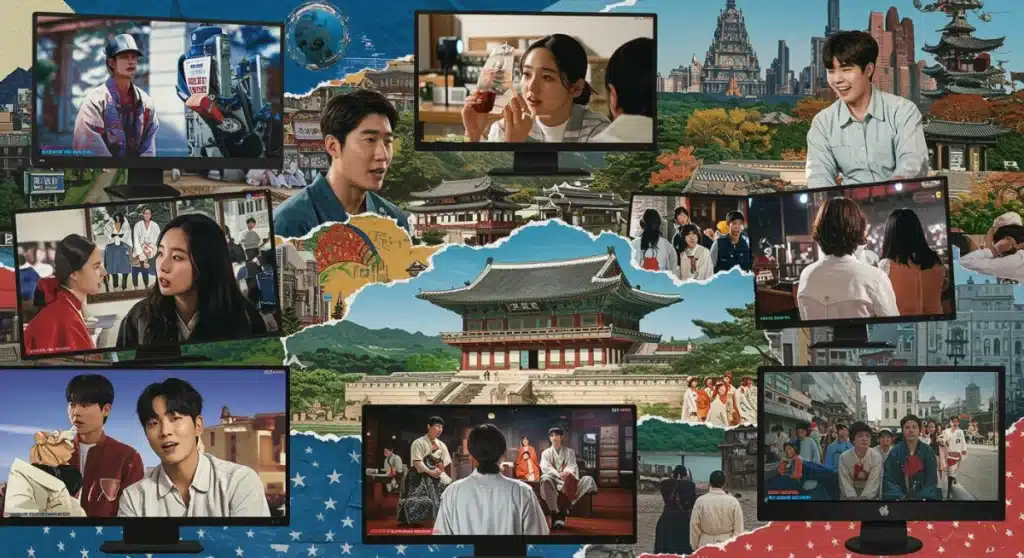
The Hallyu Wave, driven by compelling Korean dramas, is profoundly impacting US entertainment trends by 2026, captivating audiences with unique storytelling and diverse cultural elements.
The global phenomenon known as the Hallyu Wave continues its relentless expansion, and by 2026, its influence, particularly that of Korean dramas, is unmistakably shaping US entertainment trends across various facets of popular culture.
The Unstoppable Rise of K-Dramas in America
The journey of Korean dramas from niche content to mainstream appeal in the United States has been nothing short of spectacular. What began as a cult following among specific demographics has blossomed into a widespread cultural phenomenon, drawing in millions of new viewers annually. This surge in popularity isn’t accidental; it’s the result of strategic distribution, compelling narratives, and a growing appreciation for diverse storytelling.
As we look towards 2026, the trajectory indicates an even deeper integration of K-dramas into the American entertainment landscape. Streaming platforms have played a pivotal role, making these shows easily accessible and introducing them to audiences who might not have otherwise encountered them. The subtitled format, once a barrier, is now seen by many as an authentic viewing experience, enhancing the cultural immersion.
Key Factors Driving K-Drama Popularity
- High-Quality Production: Korean dramas are renowned for their cinematic quality, intricate plots, and stunning visuals, often rivaling Hollywood productions.
- Diverse Genres: From romantic comedies and historical epics to thrillers and psychological dramas, K-dramas offer a vast array of genres that cater to every taste.
- Unique Storytelling: They often explore themes and narratives that differ from typical Western productions, providing fresh perspectives and engaging character development.
- Emotional Depth: K-dramas are praised for their ability to evoke strong emotions, building deep connections between characters and viewers.
The appeal extends beyond mere entertainment; it’s about a cultural exchange that enriches the American viewing experience. This widespread acceptance signifies a significant shift in how US audiences consume global content, paving the way for further international influences.
Shifting Narrative Paradigms: Beyond Hollywood Tropes
One of the most profound impacts of Korean dramas on US entertainment trends by 2026 is the subtle yet significant shift in narrative paradigms. For decades, Hollywood has largely dictated storytelling conventions, but K-dramas offer a refreshing alternative, challenging established tropes and introducing new narrative structures that resonate deeply with viewers. This influence is not just about bringing new stories, but about inspiring American creators to think differently about plot, character, and pacing.
Korean dramas often prioritize character development over explosive action, delve into complex moral dilemmas, and embrace a more nuanced approach to romance and interpersonal relationships. This focus on emotional intelligence and intricate plotting provides a rich tapestry that contrasts with some of the more formulaic approaches often found in Western productions. The success of these narratives is pushing US studios to re-evaluate their own storytelling strategies.
New Storytelling Elements Gaining Traction
- Slow Burn Romance: K-dramas excel at building romantic tension gradually, often over many episodes, which contrasts with the quicker development seen in many US shows.
- Ensemble Casts with Depth: While lead characters are central, supporting roles often receive significant development, contributing to a richer narrative world.
- Exploration of Social Issues: Many dramas bravely tackle sensitive social issues, such as mental health, class disparity, and corruption, in a thoughtful and engaging manner.
- Unpredictable Plot Twists: K-dramas are famous for their ability to surprise audiences with unexpected turns, keeping viewers on the edge of their seats.
This exposure to diverse narrative styles is broadening the creative horizons for American writers and producers, leading to more experimental and culturally rich content. The demand for such stories is growing, indicating a maturation of the US audience’s palate.
Fashion, Beauty, and Music: The K-Culture Ripple Effect
The influence of Korean dramas extends far beyond the screen, creating a significant ripple effect across American fashion, beauty, and music industries. By 2026, it’s evident that the aesthetic and stylistic choices showcased in K-dramas are directly impacting consumer trends and preferences in the United States. This isn’t merely about imitation; it’s about inspiration and the integration of Korean cultural elements into the broader American lifestyle.
Characters in K-dramas often become style icons, with their outfits, makeup, and hairstyles quickly gaining traction on social media and influencing purchasing decisions. Brands featured in these shows experience a surge in popularity, leading to increased demand for Korean products. This organic form of product placement, coupled with the aspirational quality of the characters, creates a powerful marketing tool that resonates with a global audience.

K-Culture’s Impact on US Trends
- Korean Fashion: From oversized blazers and athleisure wear to intricate traditional hanbok-inspired pieces, K-fashion is making its mark on American runways and street style.
- K-Beauty Products: Skincare routines, innovative makeup techniques, and specific beauty products seen in dramas are highly sought after, driving sales for Korean beauty brands.
- K-Pop Soundtrack Integration: The soundtracks of K-dramas, often featuring popular K-Pop artists, introduce American listeners to new music, further boosting the global appeal of K-Pop.
- Food and Beverage: Korean cuisine and specific dishes featured in dramas inspire culinary exploration and the growth of Korean restaurants and food products in the US.
The symbiotic relationship between K-dramas and other aspects of Korean culture creates a holistic experience for viewers, turning them into consumers who actively seek out products and experiences inspired by their favorite shows. This cultural cross-pollination is enriching the American market.
Streaming Wars and Content Diversification
The fiercely competitive landscape of the streaming wars is another area where Korean dramas are having a profound impact by 2026. Major streaming platforms are increasingly investing in K-drama production and licensing, recognizing their immense drawing power and ability to attract and retain subscribers. This strategic shift reflects a deeper understanding of global audience preferences and the importance of content diversification to maintain a competitive edge.
Platforms like Netflix, Hulu, and Viki are not just carrying K-dramas; they are actively co-producing them and promoting them heavily, placing them alongside their marquee Western productions. This elevated status signifies a mainstream acceptance that was unimaginable a decade ago. The success metrics of these dramas, often topping viewership charts globally, prove their value as essential components of a robust content library.
How K-Dramas Influence Streaming Strategies
- Subscriber Acquisition: K-dramas attract new subscribers, particularly younger demographics and those interested in diverse international content.
- Retention Rates: The serial nature and often long episode counts of K-dramas contribute to higher viewer engagement and retention on platforms.
- Global Reach: Investing in K-dramas allows platforms to tap into a massive global fanbase, expanding their market beyond traditional Western audiences.
- Award Recognition: The increasing critical acclaim and award nominations for K-dramas elevate the prestige of the platforms that host them.
The strategic inclusion of K-dramas is forcing platforms to re-evaluate their entire content acquisition and production models, moving towards a more globally inclusive approach that truly reflects the diverse tastes of their worldwide audience. This trend is set to continue as platforms vie for dominance.
Cultural Exchange and Breaking Down Barriers
Beyond entertainment and commerce, Korean dramas are serving as powerful vehicles for cultural exchange, effectively breaking down preconceived notions and fostering a deeper understanding of Korean society in the United States by 2026. For many American viewers, K-dramas offer a window into a different culture, showcasing traditions, social norms, family dynamics, and historical contexts that might otherwise remain unknown.
This exposure helps to humanize and demystify a culture that was once considered distant or exotic. Viewers gain insights into Korean values, humor, and daily life, leading to increased empathy and a broader perspective on global citizenship. The shared emotional experiences derived from watching these stories transcend geographical boundaries and linguistic differences, creating a sense of connection.
Societal Impacts of K-Drama Popularity
- Increased Cultural Literacy: Viewers become more familiar with Korean language phrases, customs, and societal structures.
- Reduced Stereotypes: By presenting complex and multifaceted characters, K-dramas challenge simplistic or stereotypical portrayals of East Asians.
- Travel and Tourism Interest: The beautiful landscapes and vibrant cityscapes depicted in dramas often inspire viewers to visit Korea.
- Language Learning: Many fans are motivated to learn Korean, leading to a rise in language courses and resources.
This profound cultural exchange is a testament to the power of storytelling to bridge divides and foster mutual respect. As K-dramas continue to gain traction, their role in shaping a more globally aware American populace will only grow stronger.
The Future Landscape: K-Drama’s Enduring Legacy
Looking ahead to 2026 and beyond, the influence of Korean dramas on US entertainment trends appears not just significant but enduring. This isn’t a fleeting fad; it’s a foundational shift in how content is consumed, produced, and perceived.
The legacy of the Hallyu Wave, spearheaded by its compelling dramas, is set to leave an indelible mark on the American cultural fabric, continuously evolving and inspiring new forms of creativity and cross-cultural appreciation.
The continued success of K-dramas will likely lead to more collaborations between US and Korean production companies, fostering a globalized entertainment industry where talent and ideas flow freely across borders.
We can anticipate more American remakes of popular K-dramas, as well as original content that draws heavily from the narrative techniques and thematic depths pioneered by Korean creators. This integration signifies a maturity in the US entertainment market, ready to embrace the best of global storytelling.
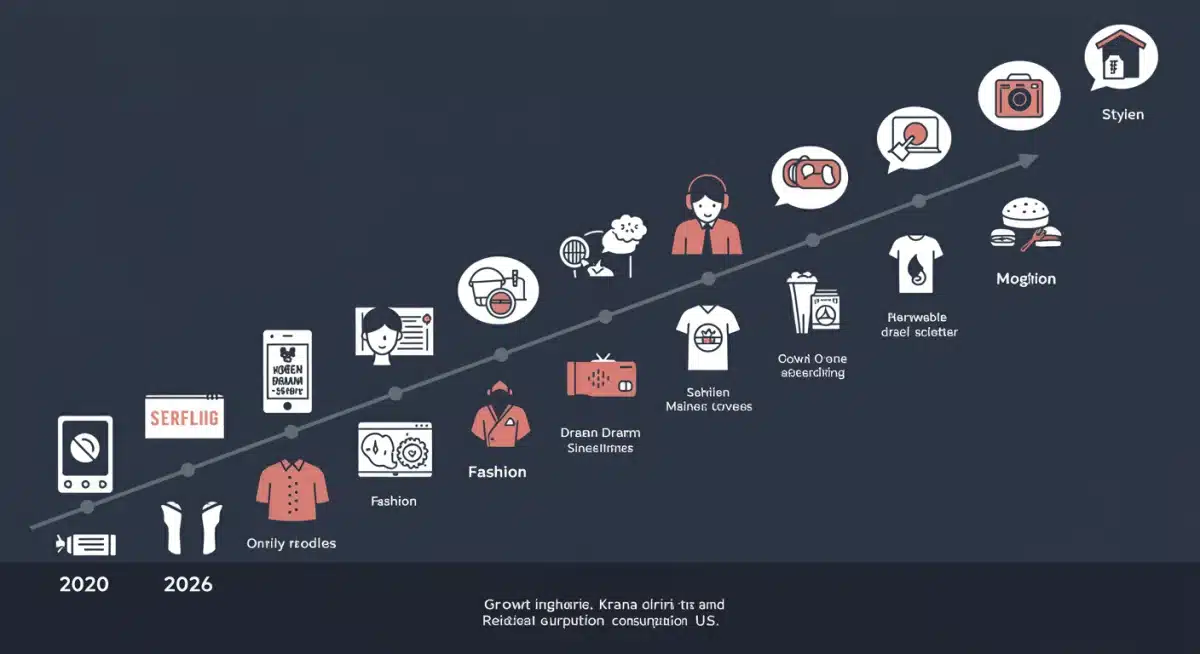
Anticipated Future Developments
- Increased Co-productions: More joint ventures between US and Korean studios to create hybrid content.
- Talent Exchange: Greater movement of actors, writers, and directors between the two industries.
- Genre Blending: American shows incorporating K-drama elements like intricate plot twists or character development.
- Educational Integration: K-drama studies potentially becoming part of media and cultural studies programs.
The enduring legacy of Korean dramas will be their role in permanently broadening the definition of mainstream entertainment in the US, fostering a more diverse, inclusive, and globally connected viewing experience for generations to come. Their impact will continue to shape the industry’s future direction.
| Key Trend | Brief Description |
|---|---|
| Narrative Diversification | K-dramas introduce complex plots and character-driven stories, inspiring new approaches in US productions. |
| Cultural Influence | Impacts on US fashion, beauty, music, and culinary preferences are increasingly visible. |
| Streaming Platform Investment | Major streaming services heavily invest in K-drama content to attract and retain global subscribers. |
| Cross-Cultural Understanding | K-dramas serve as a bridge, fostering greater empathy and knowledge of Korean society among US audiences. |
Frequently Asked Questions About K-Dramas in the US
Korean dramas are gaining immense popularity due to their unique storytelling, high production values, diverse genres, and emotional depth. Streaming platforms have also made them easily accessible, contributing significantly to their mainstream acceptance and cultural impact in the US.
Beyond viewership, K-dramas are shaping US entertainment by inspiring narrative shifts in American productions, influencing fashion and beauty trends, boosting K-Pop’s reach through soundtracks, and encouraging culinary exploration of Korean cuisine.
Streaming platforms are crucial. They invest heavily in licensing and co-producing K-dramas, making them readily available to a broad US audience. This strategy helps attract new subscribers, improves content retention, and diversifies their global content libraries, solidifying K-drama’s mainstream presence.
Yes, K-dramas are powerful tools for cultural exchange. They offer American viewers authentic insights into Korean society, traditions, and values, fostering greater cultural literacy and empathy. This exposure helps challenge stereotypes and promotes a more globally connected perspective.
The future suggests an enduring legacy. We can expect more US-Korean co-productions, increased talent exchange, and a blending of narrative styles. K-dramas will continue to diversify US entertainment, creating a more globally informed and creatively rich cultural landscape for years to come.
Conclusion
The Hallyu Wave, with Korean dramas at its forefront, is not merely a passing trend but a transformative force fundamentally reshaping US entertainment by 2026. Its impact spans narrative innovation, cultural influence, strategic streaming investments, and profound cross-cultural understanding. As American audiences increasingly embrace diverse global content, the enduring legacy of K-dramas will continue to foster a richer, more interconnected entertainment landscape, demonstrating the universal power of compelling storytelling.