Korean Drama Tourism: US Economic Impact Explored
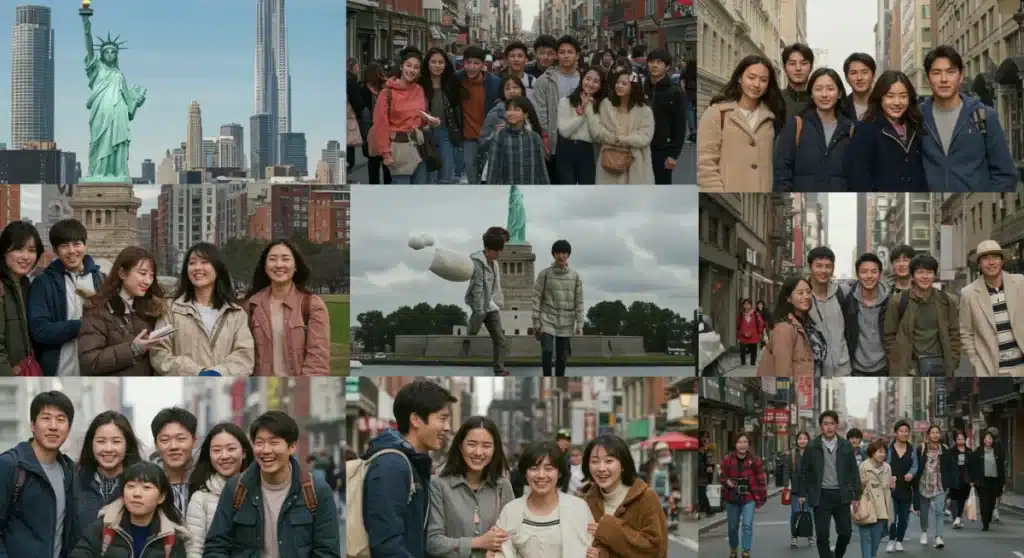
The surge in Korean drama popularity significantly contributes to the US economy through increased tourism, consumer spending, and cultural influence, creating diverse economic opportunities.
The captivating narratives and stunning visuals of Korean dramas have transcended borders, igniting a global fascination. But what happens when this on-screen magic translates into real-world travel? We’re diving deep into how Korean drama tourism US is not just a fleeting trend but a powerful economic force, reshaping industries and fostering cultural connections across the United States. Join us as we explore the profound impact of this unique phenomenon.
The global rise of Hallyu and its travel implications
The Korean Wave, or Hallyu, has swept across the globe, transforming South Korean culture into a significant international export. This cultural phenomenon, encompassing K-Pop, K-dramas, film, and beauty products, has cultivated a massive, dedicated fanbase worldwide.
For many, the allure of K-dramas extends beyond mere entertainment, inspiring a desire to experience the settings and lifestyles depicted on screen firsthand, even if those settings are surprisingly found within the United States.
This intense engagement with Korean culture has naturally spilled over into tourism. Fans are no longer content with simply watching their favorite shows; they crave deeper immersion. This desire often manifests as travel to South Korea, but increasingly, it also directs attention to locations within the US that have either been featured in K-dramas or are perceived as embodying the aesthetic or thematic elements popular in these shows.
The global reach of streaming platforms has amplified this effect, making K-dramas accessible to millions and fostering a unique form of cultural wanderlust that directly benefits the US economy.
From screen to destination: identifying filming locations
- Recognizable landmarks: Many K-dramas feature iconic US cities and landmarks, instantly drawing fan attention.
- Hidden gems: Lesser-known US locales gain unexpected fame and tourist interest after being showcased.
- Fan-driven discovery: Online communities actively identify and share information about US filming spots, boosting their visibility.
- Indirect inspiration: Even without direct filming, certain US destinations might evoke similar feelings or aesthetics to popular K-drama settings, attracting fans.
The power of a single scene to transform a previously obscure location into a must-visit destination cannot be overstated. When a beloved K-drama character walks through a specific park in New York, enjoys coffee at a café in Los Angeles, or finds solace in a quaint small town, fans take notice.
This direct association creates a powerful incentive for travel, turning fictional backdrops into tangible pilgrimage sites. The economic ripple effect begins with these initial discoveries, leading to increased bookings for flights, accommodation, and local services.
The global rise of Hallyu has undeniably created new avenues for tourism. The meticulous storytelling and visually appealing cinematography of K-dramas serve as powerful marketing tools, showcasing diverse locations in an appealing light. This phenomenon demonstrates how cultural exports can directly translate into economic gains through tourism, with the US increasingly becoming a beneficiary of this trend as fans seek to connect with their favorite shows in tangible ways.
Direct economic contributions: hospitality and travel sectors
The most immediate and measurable impact of Korean drama tourism on the US economy is seen within the hospitality and travel sectors. When fans journey to the US to visit K-drama filming locations or experience K-drama-inspired cultural events, they contribute directly to these industries. This influx of tourists means more flights booked, more hotel rooms occupied, and increased patronage of local transportation services, all translating into significant revenue.
Consider the ripple effect: a fan flying from Asia to visit a K-drama spot in California isn’t just paying for a flight. They’re booking a hotel for several nights, potentially renting a car, and utilizing ride-sharing services. Each of these transactions feeds into the local economy, supporting airlines, hotels, car rental agencies, and public transport systems. This direct spending helps sustain jobs, drives growth, and encourages further investment in infrastructure and services catering to tourists.
Accommodation and dining booms
Hotels, motels, and short-term rentals near popular K-drama filming locations often report increased occupancy rates. This demand isn’t limited to luxury establishments; budget-friendly options also see a boost, catering to a diverse range of travelers. Beyond lodging, the dining sector experiences a significant uplift. Tourists are keen to try local cuisine, often seeking out specific restaurants or types of food seen in their favorite dramas, or simply exploring the culinary landscape of their chosen destination.
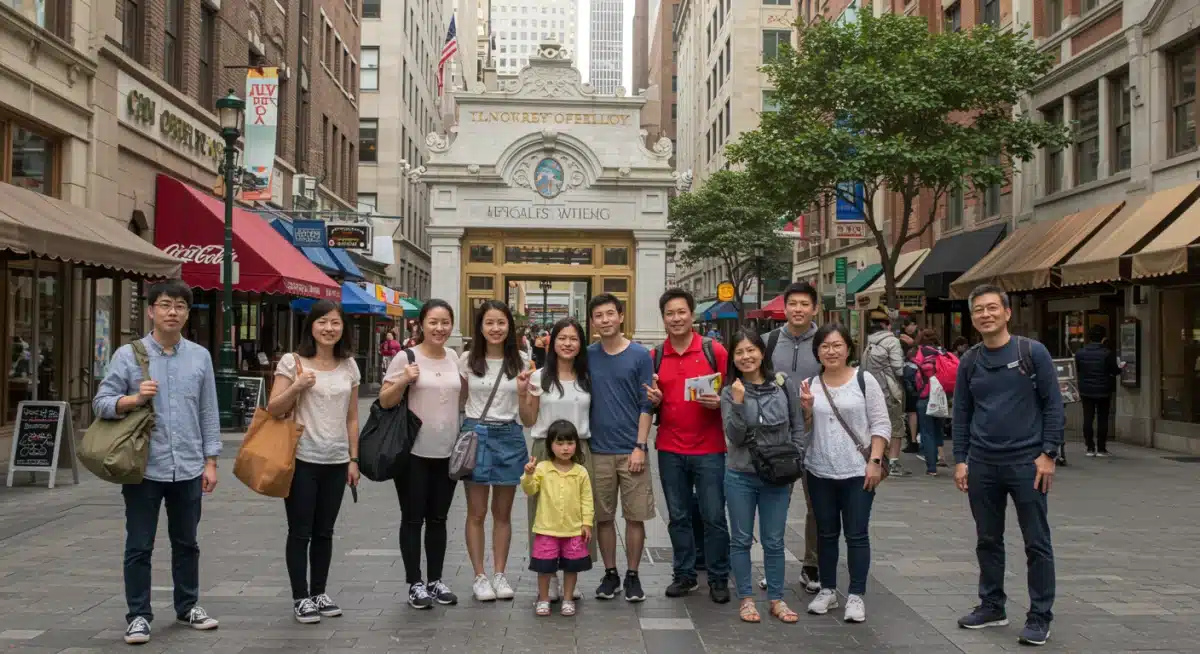

- Restaurant revenue: Increased foot traffic means higher sales for eateries, from casual cafes to fine dining.
- Local food tours: Specialized tours catering to K-drama fans seeking specific culinary experiences emerge.
- Hotel occupancy: Boosted bookings for a range of accommodations, supporting hospitality staff.
- Job creation: The increased demand for services leads to more employment opportunities in hotels, restaurants, and related industries.
The surge in demand isn’t just about sheer numbers; it’s also about diversification. Many establishments adapt their offerings to cater to the specific interests of K-drama fans, perhaps introducing themed menus or special packages. This adaptability further strengthens their economic viability and creates a more engaging experience for visitors. Ultimately, the direct contributions from these sectors form the bedrock of the economic benefits derived from Korean drama tourism in the US.
Beyond the obvious: retail and merchandise impacts
The economic footprint of Korean drama tourism extends far beyond just travel and lodging. The retail and merchandise sectors experience a notable boost as fans seek to bring a piece of their K-drama experience home. This includes everything from purchasing souvenirs at filming locations to investing in fashion, beauty products, and other items inspired by their favorite characters and shows. The allure of K-drama culture fosters a significant consumer spending spree.
Retailers, both large and small, benefit from this trend. Gift shops near K-drama sites might stock themed merchandise, while larger stores in tourist-heavy areas see increased sales of general goods as visitors engage in broader shopping excursions. Moreover, the influence of K-drama fashion and beauty trends encourages spending on specific brands or styles, even if they aren’t directly associated with a filming location. This creates a powerful indirect economic stimulus.
The ripple effect on local businesses
- Souvenir sales: Shops near filming locations benefit from fans seeking tangible memories.
- Fashion trends: K-drama styles influence clothing purchases in US boutiques and department stores.
- Beauty product demand: Fans seek out Korean beauty products or similar items used by K-drama stars.
- Specialty stores: Asian markets and K-Pop/K-drama merchandise stores see increased patronage from tourists and local fans alike.
Local businesses, in particular, often find innovative ways to capitalize on this trend. A small café might offer a special drink named after a K-drama character, or a boutique might curate a collection inspired by a show’s aesthetic. These creative approaches not only attract tourists but also generate buzz and revenue, helping to sustain and grow local economies. The desire for authenticity and connection drives fans to seek out unique items that resonate with their K-drama passion.
Furthermore, the digital retail landscape also plays a role. Many fans discover products and brands through K-dramas and then seek them out online or in physical stores during their US travels. This interconnectedness between digital inspiration and physical purchasing underscores the multifaceted impact on the retail sector. The influence of K-dramas transforms casual viewers into active consumers, contributing significantly to the economic vitality of various retail segments.
Cultural exchange and soft power: long-term economic benefits
Beyond the immediate financial transactions, Korean drama tourism fosters a profound cultural exchange that yields significant long-term economic benefits for the US. This phenomenon is a prime example of soft power in action, where cultural appeal translates into geopolitical influence and, ultimately, economic opportunities. As more Americans and international tourists engage with Korean culture through K-dramas, it cultivates a deeper understanding and appreciation that can lead to sustained economic relationships.
This cultural bridge opens doors for increased trade, investment, and collaboration between the US and South Korea. When US citizens develop an affinity for Korean dramas, they become more receptive to other Korean cultural exports, products, and services. This creates a fertile ground for businesses to expand, for cultural institutions to collaborate, and for educational exchanges to flourish, all of which contribute to a more robust and interconnected economy.
Educational and artistic collaborations
- Academic programs: Increased interest in Korean language and culture courses at US universities.
- Film festivals: US cities host Korean film and drama festivals, attracting audiences and promoting cultural understanding.
- Art exhibitions: Collaborations between US and Korean artists and cultural institutions become more frequent.
- Tourism promotion: US destinations can leverage their K-drama connections to attract a wider international audience.
The long-term impact also includes the development of niche markets and specialized services. For instance, tour operators might create bespoke K-drama-themed tours, or language schools might see an uptick in enrollment for Korean language classes. These specialized offerings cater to a growing demand, creating new jobs and revenue streams that might not have existed without the widespread popularity of Korean dramas. The cultural resonance becomes an economic asset.
Moreover, the positive perception of Korea, cultivated through its dramas, can indirectly benefit the US as a host country for this cultural phenomenon. It positions the US as a diverse and welcoming destination for international visitors, potentially drawing tourists who are interested in broader cultural experiences, not just K-drama specific sites. This soft power influence creates a virtuous cycle, where cultural appreciation leads to economic engagement, fostering enduring benefits.
Challenges and opportunities for sustained growth
While the economic benefits of Korean drama tourism are clear, there are also challenges and opportunities that need to be addressed for sustained growth. One primary challenge lies in effectively identifying and marketing US locations featured in K-dramas to a global audience. Without targeted promotion, many potential tourists might remain unaware of these unique connection points. There’s a need for strategic initiatives to bridge this information gap and maximize visibility.
Another challenge involves ensuring that local communities are equipped to handle an influx of tourists, from managing infrastructure to providing multilingual services. Over-tourism can negatively impact local residents and the environment, underscoring the importance of sustainable tourism practices. However, these challenges also present opportunities for innovation and collaboration, allowing US destinations to proactively prepare for and capitalize on this growing trend.
Strategic marketing and infrastructure development
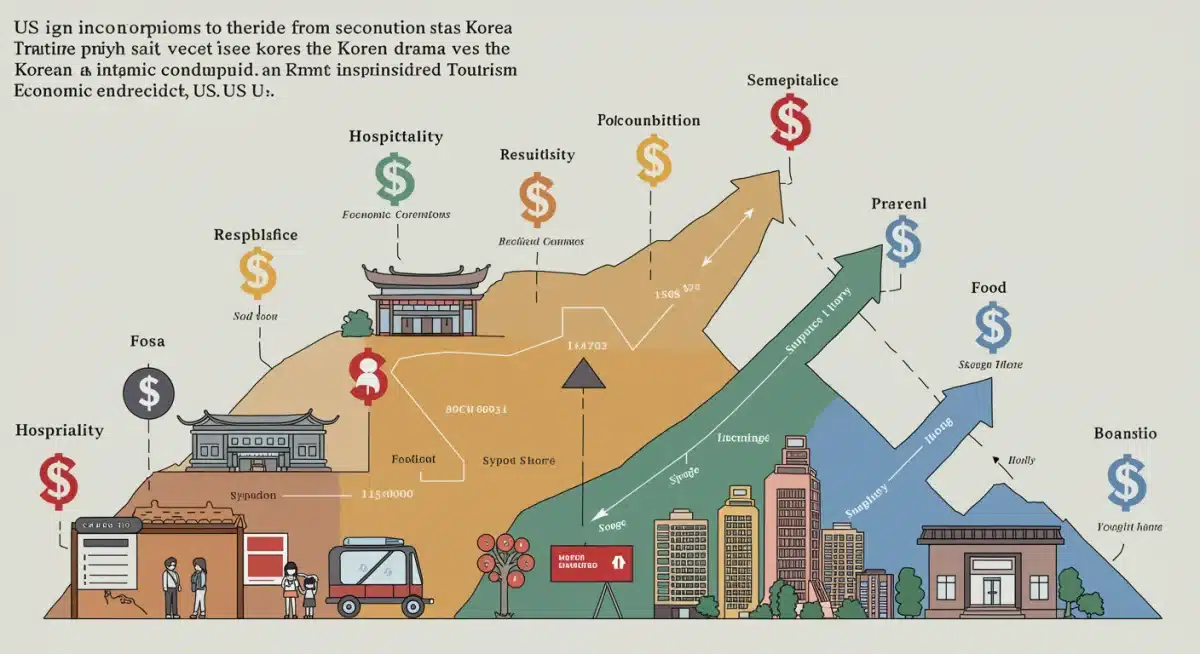

- Digital campaigns: Utilizing social media and travel blogs to highlight K-drama filming locations in the US.
- Partnerships: Collaborating with Korean tourism boards and production companies to cross-promote destinations.
- Infrastructure upgrades: Investing in transportation, accommodation, and visitor centers in popular K-drama tourism spots.
- Local engagement: Educating local businesses on how to cater to K-drama fans and offer unique experiences.
Opportunities abound for US states and cities to create specialized K-drama tourism packages, guided tours, and themed events. Such initiatives can enhance the visitor experience and generate additional revenue. Developing multilingual resources and training local staff to be culturally sensitive can further improve the appeal of these destinations to international K-drama fans. The goal is to transform passive interest into active, high-value tourism experiences.
Furthermore, leveraging data analytics to understand traveler demographics and preferences can help tailor marketing efforts and optimize resource allocation. By understanding what draws K-drama fans to certain locations, stakeholders can create more compelling offerings and ensure that the economic benefits are distributed broadly. Proactive planning and strategic investment are key to transforming this cultural phenomenon into a sustainable economic driver for the US.
Case studies: US locations gaining K-drama fame
Several US locations have already begun to experience the positive economic impact of K-drama tourism, serving as compelling case studies for the broader trend. These examples illustrate how diverse settings, from bustling urban centers to serene natural landscapes, can gain international recognition and attract a new wave of visitors, thanks to their appearance in popular Korean dramas. The power of visual storytelling is evident in these transformations.
One notable instance involves areas within New York City, which have been prominently featured in several hit K-dramas. Fans flock to specific parks, cafes, and street corners, eager to recreate iconic scenes or simply soak in the atmosphere. This has led to increased foot traffic for local businesses, from coffee shops to souvenir vendors, and a general boost in tourism for those specific neighborhoods. The narrative connection transforms ordinary places into extraordinary attractions for dedicated fans.
New York City and beyond
- Central Park, NYC: Featured in multiple dramas, attracting fans for leisurely strolls and photo opportunities.
- Specific cafes and restaurants: Establishments highlighted in K-dramas often see a surge in international visitors.
- University campuses: US college campuses appearing in dramas draw interest from both students and tourists.
- West Coast landscapes: Natural beauty spots in states like California and Oregon, when featured, become destination points.
Beyond the well-known urban centers, even smaller, less obvious locations can benefit. A quaint bookstore in a quiet town or a scenic overlook in a national park can gain unexpected international fame if it becomes a backdrop for a pivotal K-drama moment. These instances demonstrate the broad and sometimes unpredictable reach of K-drama influence, offering economic opportunities to a wider array of US communities.
These case studies highlight the potential for other US locations to proactively seek out opportunities for K-drama exposure. By understanding the types of settings that appeal to K-drama producers and audiences, local tourism boards can strategically promote their areas. The success stories underscore that with the right exposure, any US locale can become a part of the global K-drama tourism map, bringing with it a wave of economic benefits and cultural exchange.
Future outlook: sustaining and expanding K-drama tourism
The future outlook for Korean drama tourism in the US appears promising, with significant potential for sustained growth and expansion. As Hallyu continues to evolve and reach new audiences, the appetite for experiencing K-drama culture firsthand is likely to intensify. However, maximizing this potential requires foresight, strategic planning, and ongoing adaptation to changing consumer behaviors and media landscapes. The challenge lies in converting fleeting interest into lasting economic value.
One key aspect of sustaining growth is the continuous identification and promotion of new K-drama filming locations or culturally relevant sites within the US. This keeps the experience fresh for repeat visitors and attracts new enthusiasts. Furthermore, fostering stronger collaborations between US tourism bodies, Korean production companies, and streaming platforms can create synergistic opportunities for cross-promotion and destination marketing. The goal is to create a robust ecosystem that supports and amplifies K-drama tourism.
Innovation in tourism offerings
- Themed tours: Developing specialized travel packages focusing on specific K-dramas or genres.
- Virtual reality experiences: Offering immersive digital tours of K-drama locations to inspire physical travel.
- Fan conventions: Hosting K-drama-focused events in the US to attract dedicated fan communities.
- Culinary experiences: Creating food tours and cooking classes inspired by K-drama cuisine.
Moreover, investing in research to understand the evolving preferences of K-drama tourists can help tailor offerings and marketing strategies. As the demographic of K-drama fans diversifies, so too should the tourism products available. This might involve creating more accessible travel options, developing family-friendly itineraries, or catering to niche interests within the K-drama fandom. The industry must remain agile and responsive.
Ultimately, the long-term success of Korean drama tourism in the US hinges on its ability to offer authentic, engaging, and memorable experiences. By continuously innovating, promoting effectively, and collaborating strategically, the US can solidify its position as a significant destination for K-drama fans worldwide. This will ensure that the economic ripple effects continue to benefit various sectors, contributing to a vibrant and culturally rich tourism landscape for years to come.
| Key Aspect | Economic Impact |
|---|---|
| Direct Tourism Spending | Increased revenue for hotels, airlines, local transport, and dining establishments. |
| Retail & Merchandise | Boosts sales of souvenirs, fashion, beauty products, and K-drama themed items. |
| Cultural Exchange & Soft Power | Fosters long-term trade, investment, and educational collaborations, enhancing economic ties. |
| Job Creation | Supports employment in hospitality, retail, arts, and specialized tourism services. |
Frequently asked questions about K-drama tourism
K-dramas inspire tourism by showcasing US filming locations, cultural aesthetics, and lifestyles, prompting fans to visit these spots. This screen-to-travel phenomenon drives demand for flights, accommodation, and local services, directly impacting the US travel and hospitality sectors.
Urban centers like New York City and Los Angeles, frequently featured in K-dramas, see significant benefits. However, smaller towns and natural landscapes that appear in popular shows also experience unexpected boosts in visitor numbers, diversifying the economic impact across various US regions.
The hospitality, travel, and retail sectors are primary beneficiaries. This includes airlines, hotels, restaurants, and shops selling souvenirs, fashion, and beauty products inspired by K-dramas. Indirectly, cultural and educational institutions also see increased engagement and revenue.
Destinations can attract more K-drama tourists through targeted digital marketing, partnerships with Korean production companies, and developing themed tours. Improving local infrastructure and offering culturally sensitive services also enhances the visitor experience and draws more fans.
Long-term benefits include enhanced cultural exchange, increased trade and investment opportunities between the US and South Korea, and the growth of specialized markets. This fosters stronger international relations and positions the US as a diverse cultural destination, yielding sustained economic advantages.
Conclusion
Korean drama tourism US is undeniably a powerful and evolving force, weaving cultural fascination into tangible economic gains across various sectors. From boosting the hospitality industry and driving retail sales to fostering deeper cultural understanding and creating new job opportunities, the influence of Hallyu extends far beyond entertainment.
As the global appeal of K-dramas continues to grow, the United States stands to benefit significantly from this unique form of cultural tourism. By strategically embracing and nurturing this trend, US destinations can secure a vibrant future, attracting a dedicated new demographic of travelers and strengthening international ties through shared cultural passion.