Japanese Drama Remakes: Originals vs US Adaptations
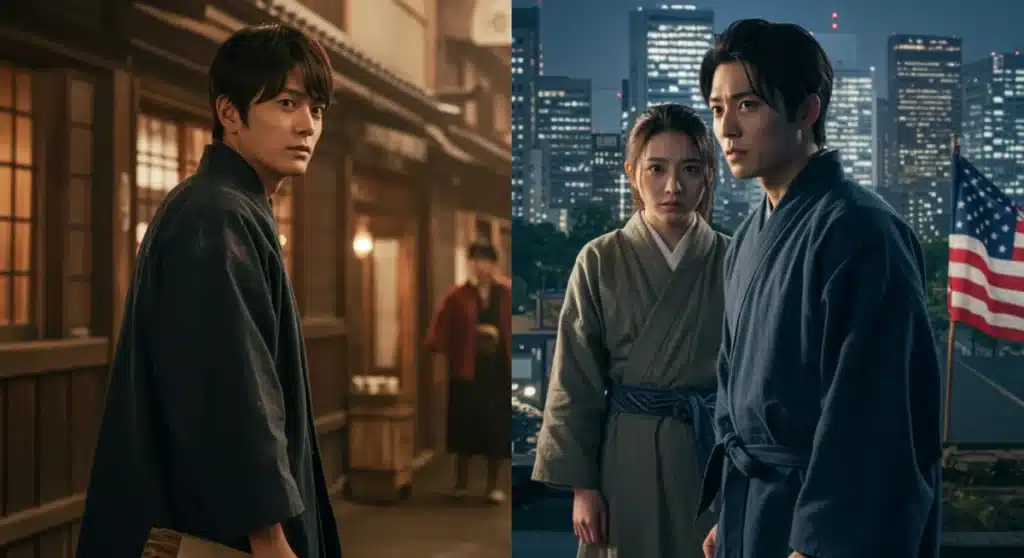
Japanese drama remakes often undergo significant transformations when adapted for US audiences, reflecting cultural values, narrative styles, and audience expectations, leading to unique viewing experiences.
Have you ever wondered how your favorite Japanese dramas would translate to a different cultural landscape? The world of television has seen a fascinating trend emerge: Japanese drama remakes finding new life as US adaptations. This cross-cultural exchange offers a unique lens through which to explore storytelling, cultural nuances, and the universal appeal of compelling narratives.
The Allure of Japanese Drama Originals
Japanese dramas, often referred to as J-dramas, have carved out a significant niche in global entertainment. Their distinct narrative styles, often characterized by strong emotional depth, intricate character development, and a focus on slice-of-life realism or high-concept fantasy, captivate audiences worldwide. These originals frequently delve into themes that resonate universally, despite their specific cultural contexts.
The storytelling in J-dramas can range from heartwarming romantic comedies to gritty crime thrillers, often incorporating elements of Japanese society, traditions, and everyday life. This authenticity is a major draw, offering viewers a window into a culture that might be different from their own, yet paradoxically familiar in its human experiences. The pacing, often deliberate and contemplative, allows for deep exploration of characters’ inner worlds and relationships.
Narrative Structures and Pacing
One of the defining characteristics of J-dramas is their often concise episode count, typically ranging from 8 to 12 episodes. This compact format necessitates efficient storytelling, with each episode contributing significantly to the overall plot and character arcs. Unlike some Western series that can stretch over many seasons, J-dramas usually tell a complete story within a single season, leading to a satisfying and focused viewing experience.
- Concise Storytelling: Limited episodes encourage tight plots and avoid unnecessary filler.
- Emotional Depth: Focus on character psychology and internal struggles.
- Cultural Nuances: Incorporate traditional values, social norms, and unique Japanese perspectives.
- Genre Diversity: From school life to medical dramas, a wide array of themes are explored.
The deliberate pacing often allows for moments of quiet reflection and subtle character interactions that might be rushed in other productions. This contributes to the emotional impact and allows viewers to truly connect with the characters’ journeys. The emphasis on ensemble casts and interconnected relationships further enriches the narrative tapestry.
In essence, Japanese drama originals offer a rich tapestry of stories, marked by their unique cultural flavor, emotional intensity, and often innovative narrative structures. Their appeal lies in their ability to transport viewers into worlds that are both distinctively Japanese and universally human, setting the stage for their eventual adaptations.
Cultural Bridges: Why Remake J-Dramas?
The decision to remake a successful Japanese drama for a Western audience, particularly in the US, is driven by a complex interplay of factors, primarily the desire to bridge cultural gaps while capitalizing on proven narrative success. While J-dramas have a dedicated international following, their specific cultural references, humor, and social dynamics can sometimes be a barrier for broader Western audiences.
Remakes aim to translate these compelling stories into a more familiar cultural context, making them accessible to viewers who might not be accustomed to East Asian storytelling conventions. This process involves more than just translating dialogue; it requires a deep understanding of how to adapt themes, character motivations, and even visual aesthetics to resonate with a different demographic.
Addressing Audience Preferences
US audiences often have different expectations regarding pacing, character archetypes, and narrative resolution. Japanese dramas, for instance, might embrace more ambiguous endings or subtle emotional expressions, which could be perceived as less satisfying by viewers accustomed to more explicit conclusions and overt displays of emotion. Remakes frequently adjust these elements to align with established US television norms.
- Familiar Settings: Relocating stories to iconic American cities or recognizable environments.
- Character Relatability: Adapting character motivations and backstories to fit US social contexts.
- Pacing Adjustments: Often accelerating narrative progression or adding more dramatic twists.
- Humor Translation: Reinterpreting comedic elements to suit Western sensibilities.
The success of a remake often hinges on its ability to strike a balance between honoring the original’s core essence and making necessary changes for its new audience. This delicate act ensures that the remake feels fresh and original while still retaining the compelling elements that made the Japanese version a hit. The goal is not just to copy, but to reinterpret and re-contextualize.
Ultimately, remakes serve as cultural bridges, allowing powerful stories to transcend geographical and linguistic boundaries. They introduce new audiences to narratives they might otherwise miss, proving that good storytelling is truly universal, even if its packaging needs to be adapted.
Case Study: ‘Hana Yori Dango’ vs. ‘Boys Over Flowers’ (South Korea) / ‘Meteor Garden’ (Taiwan) / ‘F4 Thailand’ (Thailand) / ‘Boys Before Friends’ (US Unofficial)
While a direct US adaptation of ‘Hana Yori Dango’ hasn’t achieved mainstream success, its influence is undeniable, having spawned numerous Asian remakes that highlight the challenges and opportunities of cross-cultural adaptation. The sheer number of successful remakes in other Asian countries, like South Korea’s ‘Boys Over Flowers’ and Taiwan’s ‘Meteor Garden,’ demonstrates the original’s powerful narrative core and its adaptability across different cultural landscapes.
‘Hana Yori Dango’ is a quintessential example of a shojo manga adaptation that captured hearts with its Cinderella-esque story of a poor girl attending an elite school and clashing with, then falling for, the arrogant leader of the school’s most powerful clique, F4. The Japanese original, with its distinct humor, character dynamics, and portrayal of class differences within a Japanese context, became a global phenomenon.
Adaptation Strategies in Asian Remakes
The Asian remakes meticulously adapted the core narrative while injecting their own cultural flavors. For instance, ‘Boys Over Flowers’ amplified the melodrama, heightened the fashion, and showcased South Korea’s specific socio-economic dynamics. ‘Meteor Garden’ brought a more youthful, perhaps slightly softer, approach to the characters and their interactions, reflecting Taiwanese drama trends. These adaptations were incredibly successful because they understood how to localize the universal themes of love, friendship, and overcoming adversity.
- Exaggerated Melodrama: Korean version often amplified emotional stakes and dramatic confrontations.
- Fashion and Style: Each remake showcased its country’s contemporary youth fashion trends.
- Social Commentary: Adapted class divides and power dynamics to fit local societal structures.
- Character Nuances: Subtle shifts in character personalities to align with cultural ideals of heroism or villainy.
The unofficial US attempt, ‘Boys Before Friends,‘ faced significant challenges, including production issues and a lack of understanding of the original’s appeal. This highlights that successful adaptation requires not just resources, but a genuine appreciation for the source material and an ability to translate its essence, rather than just its plot points, into a new cultural framework. The original’s blend of humor, genuine emotion, and aspirational romance proved difficult to replicate without a deep cultural connection.
The enduring popularity of ‘Hana Yori Dango’ and its many successful Asian remakes underscores the universal appeal of its story, while also serving as a cautionary tale about the complexities of cross-cultural adaptation, especially when attempting to bridge vast cultural divides like those between Japan and the US.
The Art of Transformation: Plot and Character Changes
When a Japanese drama is remade for a US audience, the transformation often extends beyond superficial changes like setting and language. Deep alterations are frequently made to plot points, character backstories, and even the overall tone to better suit American narrative conventions and cultural sensitivities. This process is a delicate balancing act, aiming to retain the original’s compelling core while making it palatable and engaging for a new demographic.
One common change involves the pacing. Japanese dramas often embrace slower, more contemplative narratives, allowing for gradual character development and emotional resonance. US adaptations, conversely, tend to favor faster pacing, more explicit conflicts, and quicker resolutions, reflecting a different viewer expectation for dramatic momentum. This can sometimes lead to a loss of the subtle emotional depth that characterizes many J-dramas.
Character Arcs and Motivations
Character development is another area where significant shifts occur. American adaptations might alter character motivations to align with Western psychological frameworks or cultural ideals of individuality and heroism. For example, a character who is subtly driven by societal expectations in a Japanese original might become overtly ambitious or rebellious in a US remake. Relationships, particularly romantic ones, might also be portrayed with more directness or physical intimacy than in their Japanese counterparts.
- Increased Pacing: US remakes often accelerate the plot, adding more twists and turns earlier.
- Explicit Conflict: Conflicts are frequently more pronounced and openly addressed in US versions.
- Individualism vs. Collectivism: Character motivations may shift from group harmony to personal ambition.
- Romantic Portrayals: US adaptations might feature more overt romantic gestures or physical affection.
Moreover, certain cultural tropes or humor styles present in Japanese dramas may not translate directly. Remakes often replace these with culturally appropriate equivalents, sometimes altering the original’s comedic or dramatic impact. The challenge lies in finding replacements that capture the spirit of the original without feeling forced or out of place. The transformation is an art form, requiring careful consideration of how each element contributes to the overall narrative and its reception.
These adjustments in plot and character are not arbitrary; they are strategic decisions made to optimize the story’s appeal for its intended audience, ensuring that the remake can stand on its own as a compelling piece of television while still acknowledging its origins.
Cultural Nuances: Bridging the East-West Divide
The most profound challenge and opportunity in adapting Japanese dramas for US audiences lies in bridging the significant cultural divide. Japan and the United States possess distinct cultural norms, social etiquette, and communication styles that deeply influence storytelling. A successful remake must navigate these differences carefully, translating cultural meanings without losing the essence of the original narrative.
Concepts such as ‘giri’ (obligation), ‘honne’ and ‘tatemae’ (true feelings vs. public facade), or the intricate dynamics of senpai-kohai relationships in Japanese society often form the backbone of J-drama plots and character interactions. Directly translating these without proper contextualization can lead to misunderstandings or a loss of emotional impact for a Western audience unfamiliar with these specific cultural codes.
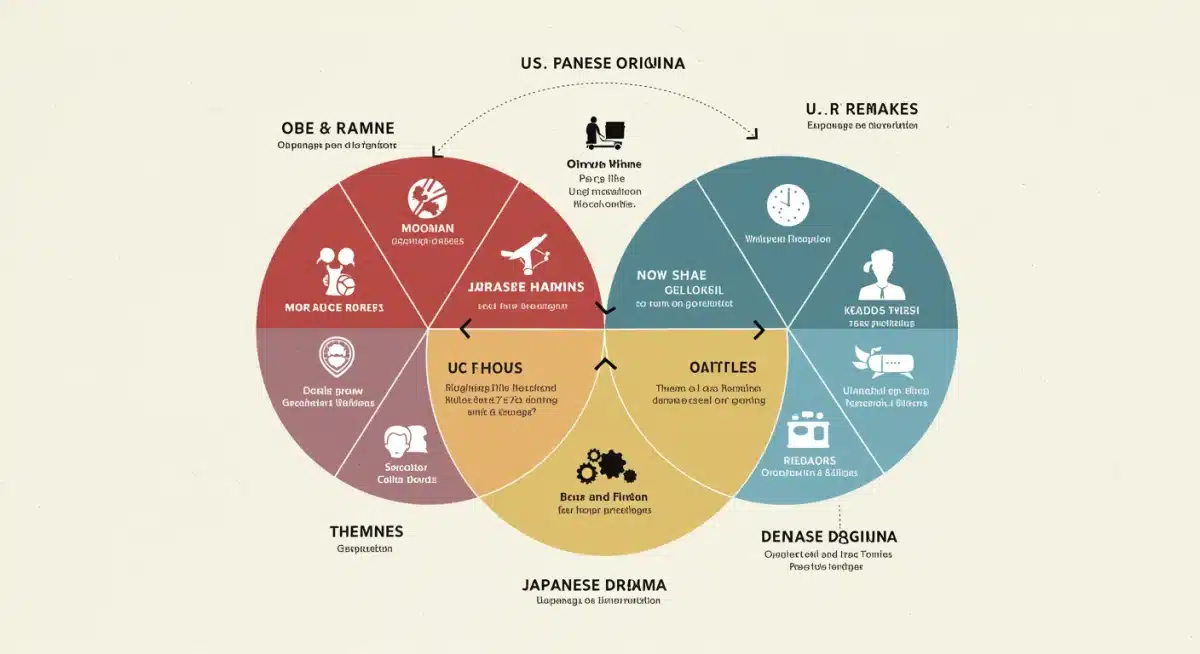
Adapting Social Etiquette and Communication
Japanese communication often relies on subtlety, indirectness, and non-verbal cues, a stark contrast to the more direct and explicit communication prevalent in Western cultures. Remakes must adjust dialogue and character interactions to reflect this difference, potentially making characters more vocal about their feelings or intentions, or altering scenes to include more overt expressions of emotion.
- Indirect Communication: Often replaced with more direct dialogue in US adaptations.
- Social Hierarchy: Japanese social structures (e.g., school hierarchies, workplace dynamics) are often simplified or reinterpreted.
- Family Dynamics: Portrayal of family roles and expectations may be adjusted to fit Western family models.
- Humor Styles: Japanese humor, often subtle or situational, is frequently replaced with more broadly appealing comedic elements.
Furthermore, themes like conformity, group harmony, and the importance of collective identity, which are prominent in many Japanese narratives, might be reinterpreted in US adaptations to emphasize individualism and personal freedom. This shift can alter the very moral fabric of the story, presenting characters with different choices and consequences that align with Western ethical frameworks.
Successfully bridging the East-West cultural divide requires not just translation, but a thoughtful process of transculturation, where the core story is re-imagined within a new cultural paradigm, ensuring it resonates authentically with its new audience while respecting its origins.
Audience Reception: Hits and Misses
The success of Japanese drama remakes in the US is a mixed bag, ranging from critically acclaimed hits to forgettable misses. Audience reception is heavily influenced by how well the adaptation manages to balance faithfulness to the original with necessary cultural localization. When a remake strikes this balance effectively, it can introduce a beloved story to a new generation of viewers, earning both commercial success and critical praise.
One of the key factors determining success is the ability of the remake to capture the emotional core and thematic depth of the original, even while altering superficial elements. Viewers, especially those familiar with the source material, often appreciate adaptations that feel authentic to the spirit of the original, rather than merely copying its plot points without understanding its underlying messages.
Critical Acclaim vs. Viewer Disappointment
Remakes that fail often do so by either straying too far from the original, losing its unique charm, or by adhering too closely without properly contextualizing the story for a new audience, leading to awkward or unrelatable scenarios. The casting, direction, and scriptwriting all play crucial roles in shaping audience perception, making or breaking an adaptation.
- Strong Performances: Talented actors who embody the characters effectively can elevate a remake.
- Respectful Adaptation: Remakes that honor the original’s themes and tone often fare better.
- Cultural Sensitivity: Avoiding stereotypes and thoughtfully integrating cultural elements is vital.
- Narrative Cohesion: A well-structured plot that makes sense within the new cultural context.
For example, while some US adaptations have found their own footing, many fans of the Japanese originals often express disappointment when remakes lose the subtle characterizations or the unique atmosphere that made the original so compelling. The debate often centers on whether the changes were truly necessary for a new audience or if they simply diluted the original’s power.
Ultimately, audience reception serves as a crucial barometer for the success of these cross-cultural productions. The hits demonstrate the universal appeal of human stories, while the misses highlight the complexities and pitfalls inherent in attempting to translate art across diverse cultural landscapes.
The Future of Cross-Cultural Adaptations
The landscape of television is constantly evolving, and the trend of adapting foreign dramas, particularly those from Japan, shows no signs of slowing down. As global connectivity increases and audiences become more open to diverse storytelling, the future of cross-cultural adaptations holds immense potential. However, it also presents ongoing challenges, requiring creators to be increasingly thoughtful and innovative in their approach.
Upcoming adaptations are likely to benefit from a deeper understanding of what makes foreign dramas resonate with their original audiences, moving beyond simple plot replication to a more nuanced appreciation of cultural context and narrative style. This could lead to more collaborative productions, where creators from both cultures work together to ensure authenticity and broad appeal.
Evolving Approaches to Remakes
Future remakes might explore hybrid models, incorporating elements of the original’s aesthetic or narrative techniques while still appealing to a Western audience. There’s also a growing appetite for adaptations that retain more of the original’s cultural flavor, rather than completely Westernizing it, reflecting a more globalized viewing palate. The rise of streaming platforms has certainly facilitated this shift, making foreign content more accessible than ever before.
- Increased Collaboration: Joint productions between Japanese and US creative teams.
- Hybrid Storytelling: Blending East Asian narrative styles with Western production values.
- Authenticity Focus: Greater emphasis on retaining cultural elements from the original.
- Global Audience Awareness: Crafting stories with universal appeal while honoring specific origins.
The success of recent international co-productions and the growing popularity of subtitled foreign content suggest that audiences are increasingly willing to engage with stories that challenge their cultural norms, rather than demanding complete assimilation. This presents an exciting opportunity for future Japanese drama remakes to be even more adventurous and culturally rich.
The future of cross-cultural adaptations is bright, promising a continued exchange of compelling narratives that enrich the global television landscape and foster a deeper understanding and appreciation of diverse cultures through the power of storytelling.
| Key Aspect | Description |
|---|---|
| Cultural Nuances | Adapting social etiquette, communication styles, and societal values for US audiences. |
| Plot & Character Changes | Adjustments to pacing, character motivations, and narrative arcs to fit Western tastes. |
| Audience Reception | Success varies based on balancing faithfulness to original with effective localization. |
| Future Trends | More collaborative productions and nuanced adaptations retaining cultural flavor. |
Frequently Asked Questions About Drama Remakes
Japanese dramas are remade in the US to make compelling stories accessible to a broader Western audience. Remakes bridge cultural gaps by adapting themes and character motivations to resonate with different viewer expectations, ensuring the narratives find new life and appreciation.
Key challenges include translating cultural nuances, adapting social etiquette, and adjusting communication styles. The differing pacing and emphasis on individualism versus collectivism also require significant narrative and character alterations to fit US storytelling conventions.
While US remakes often retain the core concept, they frequently make significant alterations to plot points, character backstories, and pacing. These changes are designed to align with American narrative structures and audience preferences, sometimes leading to substantial deviations from the original story.
Cultural differences profoundly impact character development. Characters’ motivations, emotional expressions, and relationship dynamics are often recontextualized to reflect Western psychological frameworks and social norms, potentially shifting from subtle cues to more overt displays of emotion and individualism.
A successful Japanese drama remake effectively balances faithfulness to the original’s emotional core with necessary cultural localization. It captures the spirit of the source material while adapting plot, characters, and themes to resonate authentically with US audiences, ensuring broad appeal and critical acceptance.
Conclusion
The journey of Japanese dramas from their original form to their US adaptations is a compelling testament to the universal power of storytelling and the intricate dance of cultural exchange. While the process is fraught with challenges, from translating subtle cultural nuances to adapting narrative pacing and character motivations, the hits demonstrate that a well-executed remake can transcend borders and captivate new audiences.
As the global entertainment landscape continues to shrink, the future promises even more innovative and collaborative approaches to cross-cultural adaptations, enriching our viewing experiences and fostering a deeper understanding and appreciation for diverse narratives.