Japanese Dorama Remakes in the US: Successes and Pitfalls
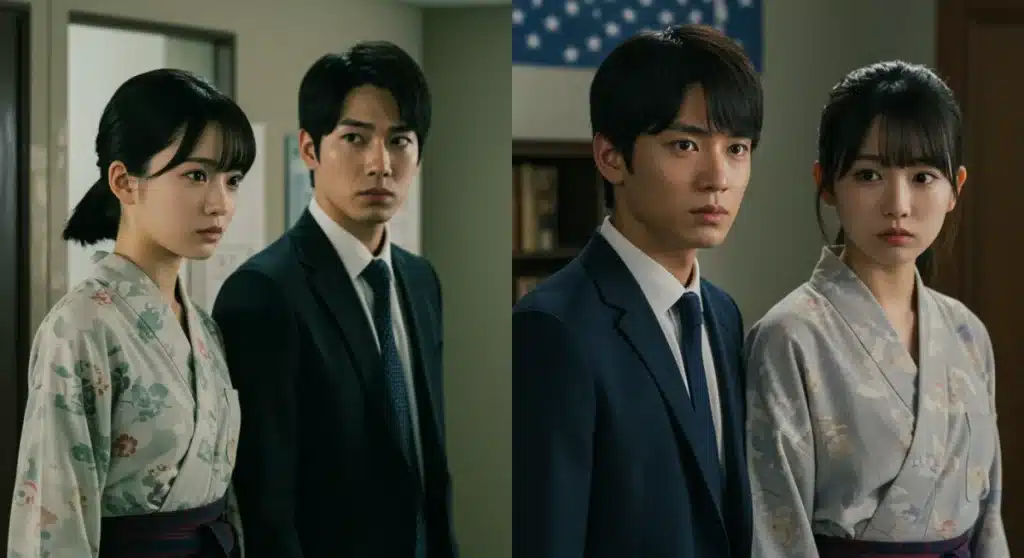
Japanese dorama remakes in the United States often face the challenge of balancing cultural authenticity with Western appeal, with success hinging on thoughtful adaptation rather than direct translation.
The landscape of television is increasingly globalized, with content crossing borders and captivating audiences worldwide. Among the most fascinating trends is the adaptation of foreign-language series for new markets. Specifically, the phenomenon of Japanese dorama remakes in Estados Unidos: What Works and What Doesn’t? offers a rich field for analysis, demonstrating the complexities of cultural translation and the art of storytelling across diverse audiences.
Understanding the appeal of Japanese doramas
Japanese doramas, or television dramas, have long held a unique charm for viewers globally. Their distinctive narrative styles, often marked by deep emotional exploration, subtle character development, and a focus on slice-of-life realism or unique fantasy elements, set them apart. Before delving into their American adaptations, it’s crucial to appreciate what makes the originals so compelling.
These series frequently explore themes that resonate universally, such as love, loss, friendship, ambition, and societal pressures, yet they do so through a distinctly Japanese cultural lens. This often involves specific social norms, communication styles, and aesthetic sensibilities that are integral to the storytelling. The pacing can sometimes differ significantly from Western productions, allowing for more contemplative moments and gradual unfolding of plot points.
Cultural nuances in storytelling
One of the primary strengths of Japanese doramas lies in their ability to convey complex emotions and relationships without always relying on overt dialogue. Subtlety in expression and non-verbal cues play a significant role. This approach can be a double-edged sword when adapting for a different audience, as these nuances might be lost or misinterpreted without careful handling.
- Emphasis on internal conflict: Many doramas focus on characters’ inner struggles and growth.
- Unique genre blending: Often combine elements of romance, drama, comedy, and even fantasy in unexpected ways.
- Strong thematic messages: Frequently deliver powerful social commentary or life lessons.
The success of a dorama in its original form often stems from its ability to tap into the Japanese psyche and cultural understanding. When these stories are transplanted to a new cultural context, the challenge becomes how to retain this inherent strength while making it accessible and relatable to a different viewership. This balance is pivotal for any remake hoping to capture the spirit of its source material effectively.
Early attempts and lessons learned
The journey of Japanese dorama remakes in the US is not a new one, with attempts dating back several decades. These early adaptations, while sometimes well-intentioned, often serve as valuable case studies in what can go wrong when cultural translation is not handled with sufficient care. Many struggled to find their footing, either by being too faithful to the original, thus alienating a Western audience unfamiliar with specific cultural references, or by straying too far, losing the essence that made the original beloved.
One common pitfall was the direct transplantation of plots without adequate consideration for American social norms or narrative expectations. For instance, character motivations or relationship dynamics that are perfectly understandable in a Japanese context might appear illogical or even bizarre to an American viewer. The pacing, too, often posed a challenge; the slower, more deliberate rhythm of many doramas sometimes felt out of place in the faster-paced world of American television.
The challenge of cultural context
Early remakes often underestimated the importance of cultural context. A scene that relies on a specific Japanese custom or social etiquette might lose all meaning when performed by American actors in an American setting, unless it is thoughtfully re-contextualized. This often led to a disconnect between the story and its new audience, making it difficult for viewers to invest emotionally in the characters or plot.
- Direct translation issues: Literal translation of dialogue or situations often falls flat.
- Pacing discrepancies: Japanese doramas often have a slower build-up than American shows.
- Audience expectations: American audiences may expect different character arcs or plot resolutions.
These initial experiences highlighted the need for a more nuanced approach to adaptation. It became clear that simply recreating the original shot-for-shot was rarely a recipe for success. Instead, a successful remake would require a deeper understanding of both cultures, allowing for a creative reinterpretation that honors the original while speaking to a new audience. The lessons learned from these early attempts paved the way for more sophisticated and successful adaptations in later years.
Successful adaptations: what went right?
Despite the challenges, several Japanese dorama remakes have managed to achieve considerable success in the United States, proving that effective cross-cultural adaptation is indeed possible. These successful examples often share common strategies: a deep respect for the original material combined with innovative approaches to localize the story, characters, and themes without losing their core appeal.
One key factor in these successes has been the ability to identify the universal themes within the Japanese original and amplify them in the American version. While specific cultural details might be altered, the underlying emotional journey, moral dilemmas, or human experiences remain intact and relatable. This allows the remake to connect with a broad audience while still carrying the spirit of its source.
Thoughtful localization and character development
Successful remakes often excel at thoughtful localization, not just in terms of setting or language, but in adapting character motivations and social dynamics to fit an American context. This involves more than just changing names or locations; it requires a deep understanding of how similar situations might play out differently in diverse cultural environments. The best adaptations find ways to make the characters’ struggles and triumphs resonate authentically with American viewers.
- Identifying universal themes: Focusing on emotions and experiences that transcend cultural boundaries.
- Creative reinterpretation: Adapting plots and characters to fit American societal norms without losing integrity.
- Strong casting: Selecting actors who can embody the characters’ essence while bringing their own cultural flavor.
Furthermore, strong writing teams capable of understanding both the original narrative and the target audience’s expectations have been crucial. They are able to weave in new elements or adjust existing ones to enhance relatability, ensuring that the story feels organic to its new setting. This careful balance between fidelity and innovation is a hallmark of successful Japanese dorama remakes in the US.
The pitfalls: where remakes often stumble
While success stories exist, the path for Japanese dorama remakes in the US is also littered with projects that failed to capture the magic of their predecessors. These stumbles often highlight common pitfalls that can derail even the most promising adaptations. Understanding these missteps is just as important as analyzing successes, as they offer critical insights into the delicate art of cross-cultural storytelling.
A frequent issue is the superficial adaptation, where only surface-level elements are changed, leaving the core narrative feeling awkward or out of place. This can manifest as characters whose motivations don’t quite make sense in an American context, or plot devices that rely on cultural norms not present in the US. Such remakes often feel inauthentic, failing to engage viewers who are either familiar with the original or simply looking for a compelling new story.

Loss of cultural essence and tone
Perhaps the most significant pitfall is the loss of the original dorama’s cultural essence and unique tone. Japanese doramas often possess a distinctive sensibility, whether it’s a particular brand of humor, a specific approach to emotional melodrama, or a subtle critique of societal issues. When these elements are either stripped away or clumsily reinterpreted, the remake can feel bland or generic, losing the very qualities that made the original stand out.
- Misinterpretation of tone: Changing a subtle drama into an overt comedy, for example.
- Dilution of original themes: Weakening the social commentary or character depth.
- Inadequate cultural bridge-building: Failing to explain or adapt unique Japanese concepts.
Another challenge arises when remakes try too hard to appeal to a broad American audience by over-simplifying complex narratives or adding unnecessary drama. This can alienate both fans of the original and new viewers seeking nuanced storytelling. Ultimately, a remake stumbles when it fails to find its own voice while still respecting the foundation laid by its Japanese inspiration.
Fan reception and critical perspectives
The reception of Japanese dorama remakes in the US is often a mixed bag, with strong opinions coming from both long-time fans of the originals and new viewers. This dual audience creates a complex environment where critical success and popular appeal are not always guaranteed. Understanding these perspectives is crucial for evaluating what truly works and what doesn’t in the adaptation process.
Original dorama fans often approach remakes with a blend of hope and skepticism. They yearn for an adaptation that honors the source material’s spirit, characters, and key moments, but they are also acutely aware of the potential for misinterpretation or dilution. For these viewers, a remake’s success often hinges on its ability to evoke the same emotional resonance and thematic depth as the original, even if the cultural packaging is different.
Navigating expectations and cultural sensitivities
Critics, on the other hand, tend to evaluate remakes on their own merits as standalone productions, while also considering their relationship to the original. They often look for how effectively the adaptation translates cultural nuances, whether it justifies its existence as a remake, and if it brings anything new or valuable to the story. The consensus among critics often emphasizes the importance of a remake finding its unique voice rather than being a mere copy.
- Original fans’ loyalty: High expectations for fidelity and emotional depth.
- New audience accessibility: The need for stories to be relatable without prior knowledge.
- Critical balance: Evaluating both artistic merit and cultural translation efforts.
The online discourse surrounding these remakes is vibrant, with fans dissecting every change and comparing performances. This feedback loop provides valuable insights into what resonates with audiences and where adaptations miss the mark. Ultimately, a truly successful remake manages to satisfy both discerning fans of the original and captivate new audiences, bridging cultural divides through compelling storytelling.
The future of Japanese dorama adaptations
Looking ahead, the future of Japanese dorama remakes in the US appears to be one of continued evolution and increasing sophistication. As global content consumption rises and streaming platforms make international series more accessible than ever, the demand for compelling stories, regardless of origin, is growing. This presents both opportunities and challenges for future adaptations.
One significant trend is the move towards more collaborative production models, where Japanese creators are often involved in the American adaptation process. This can help ensure that the cultural essence and artistic vision of the original are preserved, while also guiding the localization efforts to be more authentic and respectful. Such collaborations can lead to richer, more nuanced remakes that satisfy a broader range of viewers.
Embracing diversity and authentic voices
Another promising direction is the increasing emphasis on diversity and authentic voices in Hollywood. This can lead to remakes that not only adapt Japanese stories but also embrace the opportunity to tell those stories through the lens of diverse American experiences. This approach can enrich the narrative, making it more relevant and powerful for contemporary audiences, while still honoring the source material.
- Increased collaboration: Japanese creators working with American production teams.
- Focus on cultural specificity: Adapting themes with greater sensitivity and insight.
- Innovative storytelling: Leveraging new technologies and narrative approaches.
The rise of streaming services has also created a more diverse viewing landscape, allowing for niche content to find its audience. This means that future remakes might not always need to appeal to the broadest possible demographic, freeing creators to explore more unique or culturally specific aspects of Japanese doramas. The potential for truly groundbreaking and culturally resonant adaptations is greater than ever, provided creators continue to learn from past successes and failures.
| Key Aspect | Description |
|---|---|
| Cultural Nuances | Original doramas excel in subtle emotional expression and specific social norms, posing adaptation challenges. |
| Successful Adaptations | Thrive by identifying universal themes and thoughtful localization, respecting the original while appealing to US audiences. |
| Common Pitfalls | Stumble due to superficial changes, loss of original tone, or misinterpretation of cultural essence. |
| Future Outlook | Increased collaboration and focus on authentic voices promise more nuanced and successful remakes. |
Frequently asked questions about Japanese dorama remakes
Japanese doramas often feature compelling original concepts, unique narrative structures, and deeply emotional storytelling that resonate universally, making them attractive source material for adaptation to American audiences looking for fresh perspectives.
Key challenges include translating cultural nuances, adapting pacing and narrative style to Western expectations, and maintaining the original’s unique tone without alienating new viewers. Balancing fidelity with necessary localization is crucial.
Successful remakes identify universal themes within the original, thoughtfully localize character motivations and social dynamics, and employ strong writing and casting to make the story relatable to an American context while honoring its Japanese roots.
While subjective, some remakes have achieved greater mainstream recognition or critical acclaim in the US than their Japanese counterparts, often due to significant budget increases, star power, or a more direct appeal to broader American tastes.
Future trends include increased collaboration between Japanese and American creators, a greater emphasis on authentic voices and diverse representation, and leveraging streaming platforms to explore more niche or culturally specific adaptations with nuanced storytelling.
Conclusion
The journey of Japanese dorama remakes in the United States is a testament to the universal power of storytelling, yet also a vivid illustration of the intricate challenges inherent in cross-cultural adaptation. From early missteps to more recent triumphs, the evolution of these remakes underscores the importance of a nuanced approach that respects the original’s cultural integrity while creatively reinterpreting it for a new audience. As the global television landscape continues to shrink, the lessons learned from these adaptations will undoubtedly inform future endeavors, paving the way for more thoughtful, engaging, and culturally resonant stories to transcend borders and captivate viewers worldwide.