CGI and Special Effects in Japanese Doramas: A Technical Breakdown
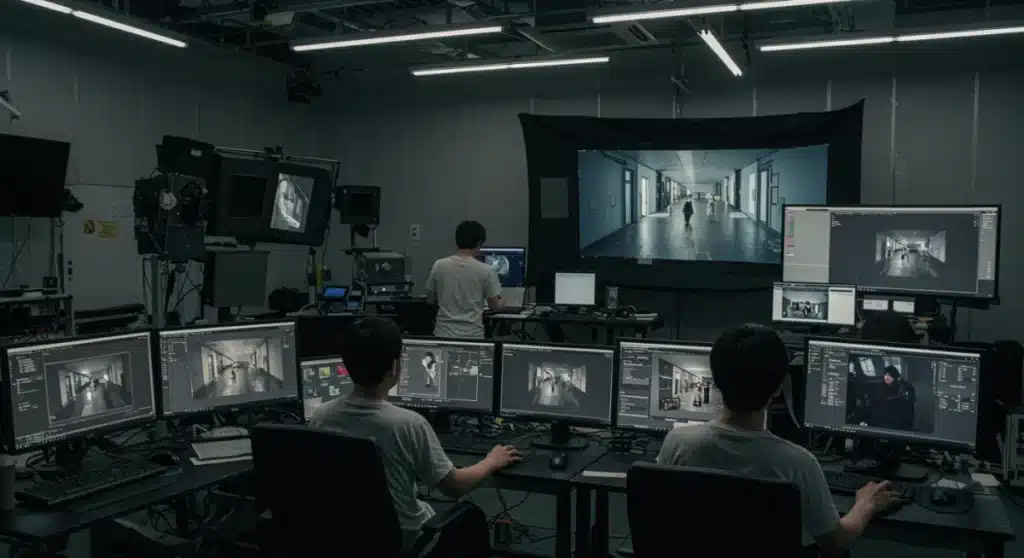
The integration of CGI and special effects in recent Japanese doramas significantly elevates production value, enabling complex narratives and visually stunning sequences that captivate global audiences.
Have you ever watched a Japanese dorama and wondered how they create those breathtaking fantasy worlds or incredibly realistic action sequences? The answer often lies in the sophisticated application of CGI Japanese Doramas and special effects. These advanced visual techniques are no longer confined to Hollywood blockbusters; they are increasingly central to the storytelling and aesthetic appeal of contemporary Japanese television dramas, transforming what’s possible on the small screen.
The Evolution of Visual Effects in Japanese Doramas
Japanese doramas have long been celebrated for their compelling narratives and strong character development. However, in recent years, there has been a noticeable surge in the quality and complexity of their visual effects. This evolution isn’t merely about aesthetics; it’s about pushing narrative boundaries and engaging a global audience accustomed to high production values.
The journey from practical effects to sophisticated CGI has been gradual but impactful. Early doramas relied heavily on traditional methods, but as technology advanced and budgets expanded, so did the ambition of Japanese production houses. Today, CGI and special effects are integral to various genres, from historical epics to sci-fi thrillers, enabling creators to bring imaginative concepts to life with unprecedented realism.
From Practical to Digital Techniques
Historically, practical effects were the backbone of visual spectacle in Japanese television. This included miniature sets, forced perspective, and on-set pyrotechnics. While effective, these methods often had limitations in scale and flexibility. The advent of digital tools revolutionized this landscape, offering new possibilities.
- Miniature Sets: Once common for cityscapes and large structures, now often augmented or replaced by digital environments.
- Pyrotechnics and Stunts: Still used, but frequently enhanced or made safer through digital compositing and wire removal.
- Makeup and Prosthetics: Remain crucial for character design, yet often combined with digital enhancements for fantastical creatures or severe injuries.
The shift towards digital techniques has allowed for greater creative freedom, enabling directors to visualize scenes that would be impossible or prohibitively expensive with practical effects alone. This blend of old and new methods creates a unique visual language for Japanese doramas.
The integration of advanced visual effects has not only elevated the visual appeal of doramas but has also broadened the scope of stories that can be told. Directors and writers are no longer constrained by physical limitations, leading to more ambitious and imaginative productions that resonate with a wider audience.
Key Software and Tools Powering Dorama VFX
Behind every stunning visual effect in a Japanese dorama lies a sophisticated array of software and hardware. These tools are the backbone of the visual effects pipeline, enabling artists to create everything from subtle environmental enhancements to complex creature animations. Understanding these tools provides insight into the technical prowess involved in modern dorama production.
The choice of software often depends on the specific requirements of a project, the budget, and the expertise of the VFX studio. However, certain industry-standard applications are consistently utilized across various productions, demonstrating their versatility and power.
Industry-Standard Applications
The VFX industry relies on a core set of software applications for different stages of production. These tools are constantly evolving, offering new features and capabilities that push the boundaries of visual storytelling.
- 3D Modeling and Animation: Software like Autodesk Maya and Blender are fundamental for creating 3D assets, characters, and environments. These programs allow artists to sculpt, texture, rig, and animate digital objects with intricate detail.
- Compositing: Adobe After Effects and Foundry Nuke are essential for combining various visual elements into a seamless final image. This includes integrating CGI with live-action footage, color correction, and adding atmospheric effects.
- Simulation and Dynamics: Tools such as Houdini are used for creating realistic simulations of natural phenomena like fire, smoke, water, and cloth. These simulations add a layer of realism and dynamism to scenes.
- Motion Tracking: Specialized software helps track camera movements and object positions in live-action footage, allowing CGI elements to be accurately placed and aligned within the scene.
The proficiency of VFX artists in utilizing these complex tools is paramount. Their ability to leverage the full potential of each software contributes directly to the overall quality and impact of the visual effects seen in doramas. Continuous learning and adaptation to new software versions are also critical in this fast-paced field.
The strategic deployment of these advanced software solutions ensures that Japanese doramas can compete on a global stage, delivering visual experiences that are both immersive and believable. The careful selection and masterful use of these tools are crucial for achieving the desired aesthetic and narrative impact.
CGI for World-Building and Environmental Enhancement
One of the most impactful applications of CGI in Japanese doramas is in world-building and environmental enhancement. This involves creating entirely new fantastical locations or augmenting existing real-world settings to better serve the narrative. CGI allows productions to transcend the limitations of physical sets and locations, constructing vast and imaginative worlds that would otherwise be impossible.
From historical cityscapes to alien planets, digital environments provide a flexible and cost-effective solution for creating diverse backdrops. This capability is particularly vital for genres like fantasy, sci-fi, and historical dramas, where the setting plays a crucial role in immersing the audience in the story.
Creating Digital Landscapes and Structures
Digital artists meticulously craft these environments, often starting with concept art and then moving into 3D modeling and texturing. The process involves several complex steps to ensure realism and integration with live-action elements.
- Concept Art: Initial sketches and paintings define the visual style and mood of the digital environment.
- 3D Modeling: Artists build detailed 3D models of landscapes, buildings, and props, ensuring architectural and geological accuracy.
- Texturing and Shading: Applying realistic textures and material properties to 3D models to make them appear tangible and interact correctly with light.
- Lighting and Rendering: Simulating natural light sources and rendering the digital environment to match the live-action footage, creating a cohesive look.
The seamless integration of these digital environments with actors and practical elements is key to their success. Visual effects supervisors work closely with cinematographers to ensure that lighting, perspective, and camera movements are consistent between the real and digital components of a scene. This attention to detail ensures that the audience perceives the digital world as a natural extension of the story’s reality.
Through innovative CGI techniques, Japanese doramas can transport viewers to any setting imaginable, enriching the narrative and providing a visually spectacular experience. This ability to craft detailed and believable worlds is a testament to the growing sophistication of their VFX capabilities.
Character Animation and Creature Design
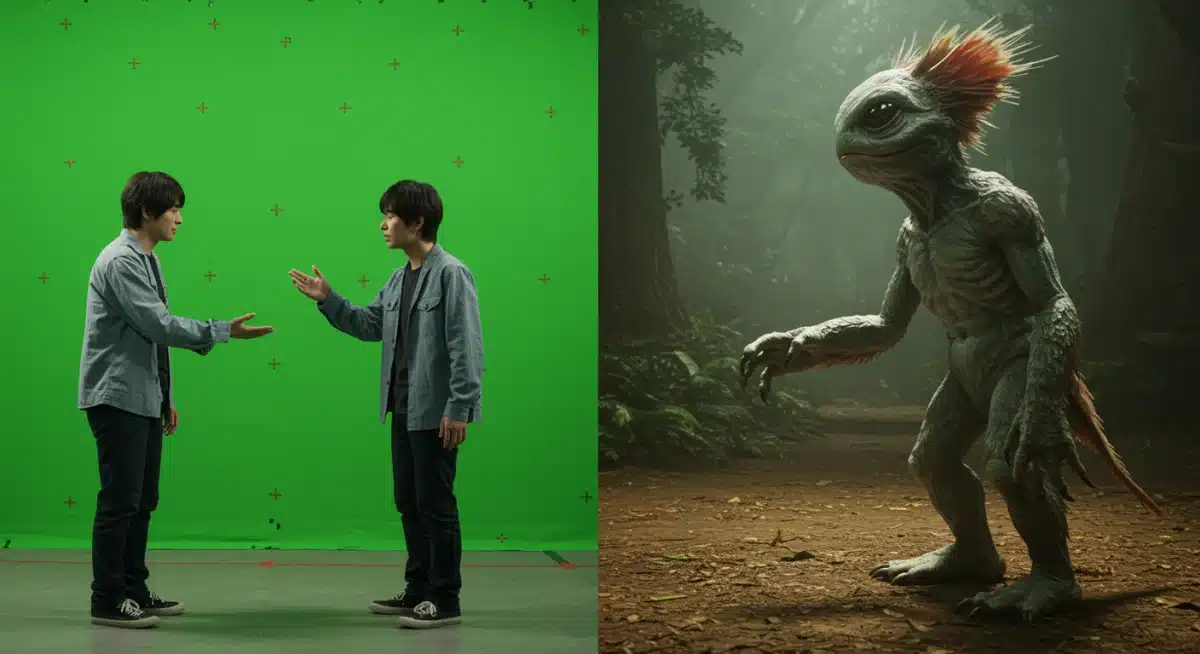
Beyond environments, CGI plays a pivotal role in bringing fantastical characters and creatures to life in Japanese doramas. Whether it’s a mythical beast, a robot, or a supernatural entity, digital animation offers an unparalleled level of detail and expressiveness. This capability allows storytellers to introduce characters that defy physical limitations, opening up new narrative avenues.
The creation of compelling digital characters involves a blend of artistic vision and technical execution, ensuring that these animated figures not only look realistic but also convey emotion and interact believably within the dorama’s world.
Bringing Digital Beings to Life
The process of designing and animating CGI characters is intricate and multi-faceted, requiring collaboration between concept artists, 3D modelers, animators, and texture artists.
- Concept Design: Initial sketches and designs define the creature’s appearance, anatomy, and personality.
- 3D Modeling and Sculpting: Artists create high-resolution 3D models, paying close attention to anatomical accuracy and surface details.
- Texturing and Shading: Applying lifelike textures, skin details, and material properties to make the creature appear tangible.
- Rigging: Creating a digital skeleton and controls that animators use to pose and move the character naturally.
- Animation: Animators bring the character to life, often using motion capture data or keyframe animation to achieve realistic movements and expressions.
- Lighting and Rendering: Integrating the animated character into the live-action plate, ensuring it interacts realistically with the scene’s lighting.
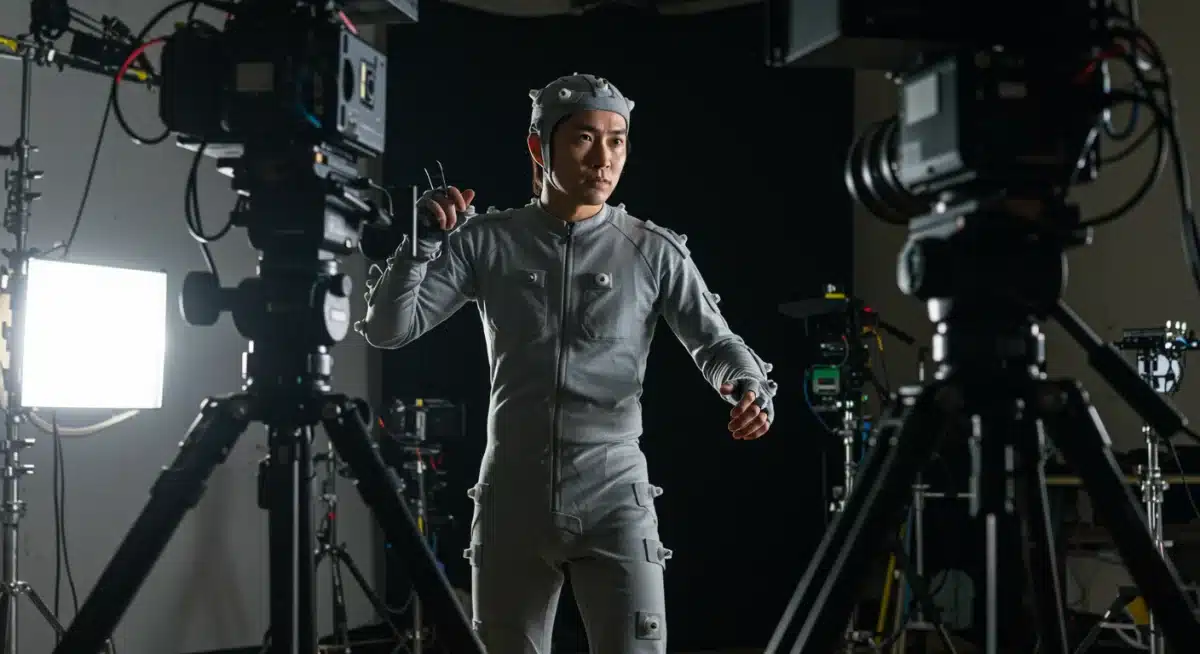
Motion capture technology has become increasingly important in this process. By recording the movements of live actors, animators can transfer realistic human or animalistic motions to their digital creations, enhancing the believability of the performance. This fusion of human performance and digital artistry results in characters that are both visually stunning and emotionally resonant.
The ability to create and animate believable digital characters expands the creative possibilities for Japanese doramas, enabling them to explore complex themes and narratives that involve non-human entities. This technical mastery ensures these characters are not just visual spectacles but integral parts of the storytelling.
Action Sequences and Stunt Enhancement
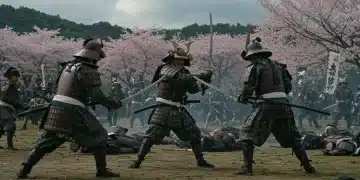
Japanese doramas often feature dynamic action sequences, from intense sword fights to dramatic explosions. CGI and special effects are crucial in enhancing these scenes, making them more visually spectacular, safer for actors, and more impactful for the audience. Digital enhancements can extend the capabilities of practical stunts, add elements that are too dangerous to film practically, or create entirely new forms of action.
The goal is to create seamless action that feels authentic and thrilling, without drawing attention to the visual effects themselves. This requires careful planning and execution, blending practical and digital techniques harmoniously.
Elevating Combat and Explosions
Modern dorama productions leverage a variety of VFX techniques to elevate their action sequences, ensuring they are both exciting and believable.
- Wire Removal: Actors often perform stunts with safety wires, which are then digitally removed in post-production, making impossible feats appear effortless.
- Digital Doubles: For highly dangerous or physically demanding shots, digital doubles of actors can be used, allowing for more extreme movements or falls without risk.
- Explosions and Destructions: While practical explosions are still used, CGI often augments them, adding debris, smoke, and larger-scale destruction that would be unsafe or impractical to achieve on set.
- Weapon Effects: Digital muzzle flashes, blood splatters, and other weapon impacts enhance the realism and intensity of combat scenes.
- Environmental Damage: CGI can depict crumbling buildings, shattered glass, or other forms of environmental damage caused by action, further immersing the viewer in the chaos.
The careful integration of these techniques ensures that the action sequences in Japanese doramas are not only visually impressive but also serve the narrative effectively. The collaboration between stunt coordinators, directors, and VFX artists is essential to choreograph and execute these complex scenes safely and convincingly. This synergy allows doramas to deliver adrenaline-pumping moments that keep audiences on the edge of their seats.
The strategic use of CGI in action sequences transforms ordinary stunts into extraordinary spectacles, pushing the boundaries of what is possible in small-screen entertainment. This technical prowess allows Japanese doramas to compete with large-budget films in terms of visual dynamism.
Challenges and Innovations in Dorama VFX Production
While the integration of CGI and special effects offers immense creative opportunities, it also presents significant challenges for Japanese dorama productions. These challenges range from budgetary constraints and tight production schedules to the need for highly skilled talent and cutting-edge technology. Overcoming these hurdles requires constant innovation and strategic planning.
Despite these difficulties, the Japanese VFX industry continues to evolve, pushing boundaries and developing new techniques to achieve impressive visual results within the unique demands of television production.
Overcoming Production Hurdles
The fast-paced nature of dorama production often means VFX teams have limited time and resources. This necessitates efficient workflows and creative problem-solving.
- Budgetary Constraints: Doramas typically operate on smaller budgets compared to feature films, requiring VFX teams to be resourceful and prioritize effects that deliver the most impact.
- Tight Deadlines: Weekly broadcast schedules mean rapid turnaround times for VFX shots, often requiring parallel processing and efficient pipeline management.
- Talent Pool: The demand for skilled VFX artists, especially those proficient in specific software or techniques, can sometimes outpace supply, leading to recruitment challenges.
- Technological Integration: Ensuring new technologies and workflows are seamlessly integrated into existing production pipelines requires continuous R&D and training.
Innovations in areas like real-time rendering and virtual production are beginning to address some of these challenges. Real-time engines allow directors to visualize CGI elements on set, making immediate adjustments and streamlining the post-production process. Virtual production, which combines physical sets with digital environments displayed on LED screens, offers a more immersive and interactive filming experience, reducing the need for extensive green screen work.
These innovations are not just about efficiency; they also foster greater creative collaboration between departments, allowing directors, cinematographers, and VFX artists to work more cohesively. The continuous pursuit of efficient and effective VFX solutions ensures that Japanese doramas can continue to deliver high-quality visual experiences despite the inherent challenges of television production.
The resilience and ingenuity of Japanese VFX professionals in navigating these challenges highlight their commitment to elevating the visual storytelling in doramas. Their ability to adapt and innovate ensures the continued growth and sophistication of visual effects in the genre.
The Future of CGI and Special Effects in Japanese Doramas
The trajectory of CGI and special effects in Japanese doramas points towards an exciting future, characterized by even greater realism, interactivity, and narrative integration. As technology continues to advance at a rapid pace, the possibilities for visual storytelling on the small screen will only expand, further blurring the lines between reality and imagination.
Key trends suggest that future doramas will leverage more sophisticated AI-driven tools, increasingly accessible virtual production techniques, and a deeper fusion of visual effects with traditional filmmaking methods, creating truly immersive experiences for viewers.
Emerging Technologies and Creative Horizons
Several emerging technologies are poised to shape the next generation of visual effects in Japanese doramas, offering unprecedented creative control and efficiency.
- AI-Powered VFX: Artificial intelligence is already being used for tasks like rotoscoping, clean-up, and even generating realistic textures. Future applications could include AI-assisted character animation and environmental generation, significantly speeding up production workflows.
- Virtual Production: The use of large LED volumes for in-camera visual effects, allowing actors to perform within dynamic digital environments in real-time, will become more prevalent. This reduces post-production work and provides a more immersive experience for the cast and crew.
- Photogrammetry and Lidar Scanning: These techniques for capturing real-world objects and environments in 3D will become more commonplace, enabling the creation of hyper-realistic digital assets with greater speed and accuracy.
- Real-time Rendering: Advances in game engines like Unreal Engine and Unity mean that high-fidelity visual effects can be rendered in real-time, offering immediate feedback to creators and enabling more iterative design processes.
These technological advancements promise to democratize access to high-end visual effects, making sophisticated CGI more attainable for a wider range of dorama productions. This will lead to an even richer diversity of stories and visual styles, attracting new talent and further expanding the global appeal of Japanese television.
The future of CGI and special effects in Japanese doramas is not just about technological prowess; it’s about how these tools empower storytellers to craft more imaginative, emotionally resonant, and visually stunning narratives. The continuous innovation in this field ensures that Japanese doramas will remain at the forefront of visual entertainment.
| Key Aspect | Brief Description |
|---|---|
| CGI Evolution | Shift from practical effects to sophisticated digital techniques enhancing narrative scope and visual quality. |
| Key Software | Industry-standard tools like Maya, After Effects, Nuke, and Houdini for modeling, compositing, and simulation. |
| World-Building | CGI creates vast digital landscapes and structures, overcoming physical set limitations for diverse genres. |
| Future Trends | Emerging AI, virtual production, and real-time rendering promise more realistic and efficient VFX. |
Frequently Asked Questions About Dorama VFX
CGI has dramatically expanded narrative possibilities by enabling the creation of fantastical worlds, complex creatures, and elaborate action sequences. This allows writers and directors to explore genres and themes previously unfeasible, enriching the overall storytelling and visual experience for audiences worldwide.
Key software includes Autodesk Maya for 3D modeling and animation, Adobe After Effects and Foundry Nuke for compositing, and Houdini for simulations like fire and water. These industry-standard tools are essential for crafting the diverse visual effects seen in modern Japanese doramas.
While practical effects still have a place, recent Japanese doramas increasingly favor a blend of practical and digital effects, with a growing reliance on sophisticated CGI. This hybrid approach offers greater flexibility, safety, and visual scope, allowing for more ambitious and detailed productions.
Dorama VFX teams often contend with tight budgets and strict production deadlines due to weekly broadcast schedules. Additionally, the demand for highly skilled artists and the integration of new technologies pose ongoing challenges, requiring innovative solutions and efficient workflows to maintain quality.
Virtual production, using LED volumes for in-camera visual effects, is expected to significantly impact future doramas. It will allow for real-time visualization of CGI environments, reduce post-production time, and offer a more immersive filming experience, enhancing creative collaboration and efficiency on set.
Conclusion
The journey of CGI and special effects in Japanese doramas has been one of continuous innovation and growing sophistication. From augmenting practical stunts to constructing entire digital worlds and animating fantastical creatures, these technologies have become indispensable tools for modern storytelling. They not only elevate the visual spectacle but also empower creators to explore narratives that were once confined to the realm of imagination. As the industry embraces emerging technologies like AI-powered VFX and virtual production, the future promises even more breathtaking and immersive experiences for audiences. The commitment of Japanese dorama productions to pushing visual boundaries ensures their continued relevance and appeal on the global stage, solidifying their position as a source of compelling and visually rich entertainment.