Dorama for US Viewers: Understanding Japanese Culture
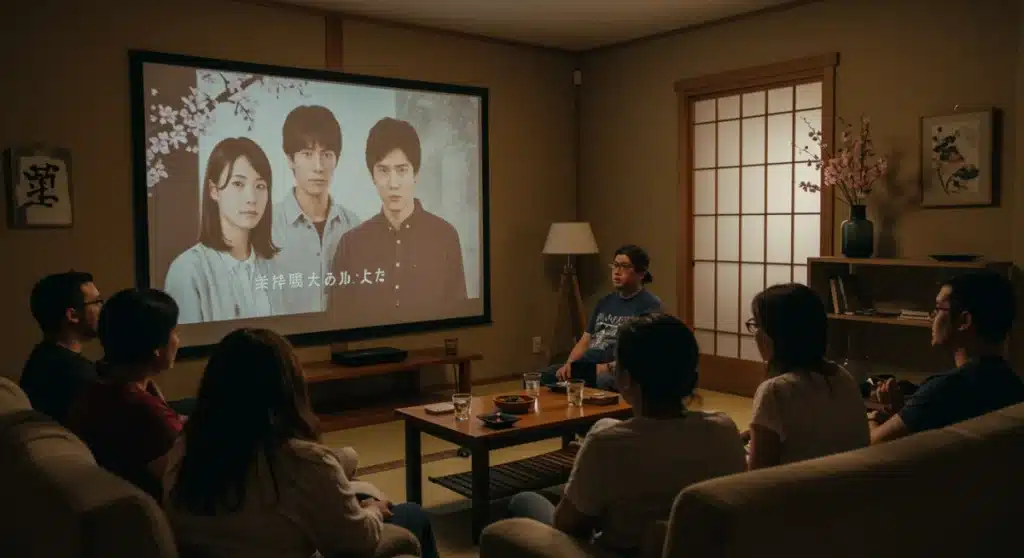
Japanese dorama offers a unique and engaging understanding window into the intricate facets of Japanese culture, providing US viewers with an accessible and entertaining way to understand its societal norms, traditions, and values.
For many in the United States, popular culture serves as a primary gateway to unfamiliar societies. Japanese dorama, with its compelling narratives and authentic portrayals, offers an unparalleled opportunity for understanding Japanese culture through dorama. These television dramas are not merely entertainment; they are cultural artifacts, reflecting the intricate social fabric, historical legacies, and evolving values of Japan. By diving into the world of dorama, US viewers can gain profound insights that textbooks and travel guides often miss, fostering a deeper appreciation for a rich and complex nation.
the diverse genres of japanese dorama and their cultural reflections
Japanese dorama encompasses a vast array of genres, each offering a unique lens through which to view different aspects of Japanese society. From heartwarming romantic comedies to gritty crime thrillers and historical epics, these narratives are deeply embedded with cultural nuances that resonate with local audiences while simultaneously educating international viewers.
exploring contemporary social dynamics
Many modern doramas delve into the complexities of daily life in Japan, shedding light on societal expectations, family structures, and workplace dynamics. These shows often explore themes of identity, social pressure, and the search for personal happiness within a highly structured society.
- Workplace Dramas (O-Shigoto Dorama): These often highlight the hierarchical nature of Japanese companies, the concept of ‘ganbaru’ (persisting with endurance), and the delicate balance between personal ambition and group harmony.
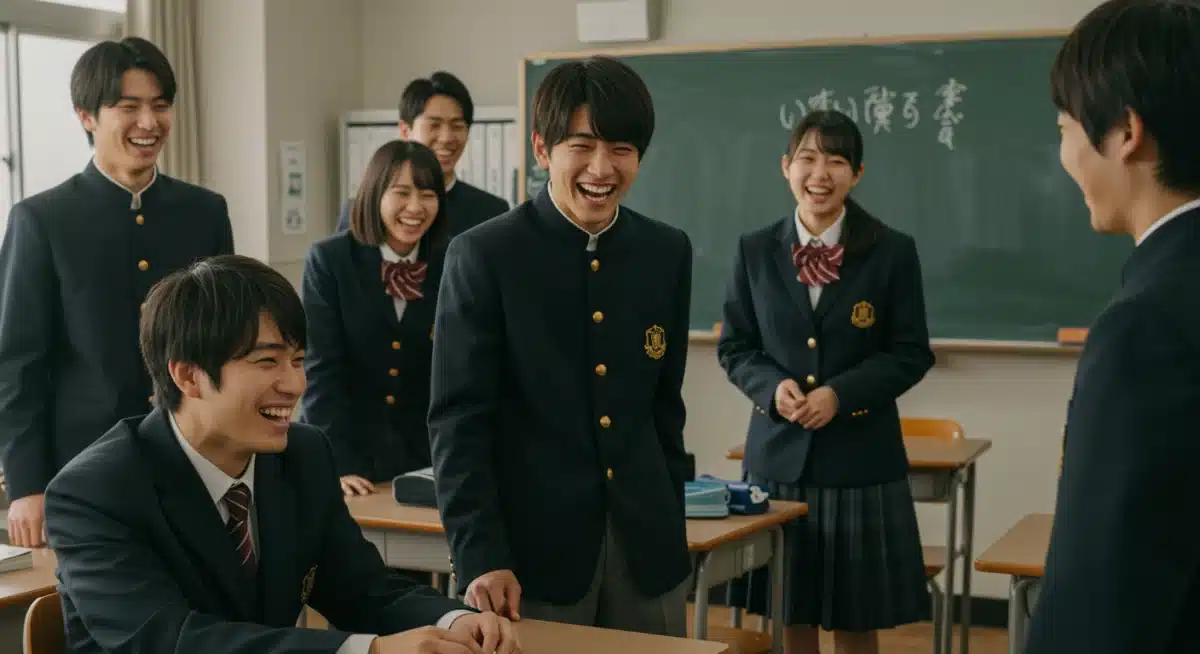
- School Dramas (Gakuen Dorama): Focusing on students and teachers, these series frequently address issues like bullying, academic pressure, first love, and the importance of club activities in shaping character.
- Family Dramas (Kazoku Dorama): These explore intergenerational relationships, evolving gender roles, and the challenges of maintaining traditional family values in a rapidly modernizing world.
By observing the characters’ interactions and dilemmas, viewers can grasp the subtle codes of conduct and emotional expressions that define Japanese interpersonal relationships. The emphasis on collective well-being over individual desires, for instance, becomes strikingly evident in how characters navigate conflicts and make decisions.
historical narratives and their enduring legacy
Historical doramas, known as ‘jidaigeki,’ transport audiences to various periods of Japan’s past, from the feudal era of samurai to the tumultuous Meiji Restoration. These productions are meticulously researched, offering visual feasts and detailed portrayals of historical events and figures.
Jidaigeki provides crucial context for understanding contemporary Japanese values. Themes such as loyalty, honor, sacrifice, and the bushido code are frequently explored, illustrating their deep roots in the national psyche. These narratives help US viewers connect present-day traditions and customs to their historical origins, revealing how the past continues to shape the present.
The rich tapestry of dorama genres serves as an invaluable educational tool, allowing US viewers to engage with and comprehend the multifaceted nature of Japanese culture, from its modern social intricacies to its profound historical foundations.
unraveling japanese social customs and etiquette
One of the most immediate benefits of watching Japanese dorama is the exposure to everyday social customs and etiquette that might seem unfamiliar to US audiences. These dramas meticulously depict interactions that highlight the importance of respect, hierarchy, and harmony in Japanese society.
politeness and honorifics in daily interaction
Dorama often showcases the nuanced use of honorifics (keigo) in the Japanese language, which reflects the speaker’s relationship with the listener and their respective social statuses. While subtitles might not always convey the full depth of these linguistic distinctions, the visual context and characters’ reactions make the implications clear.
- Bowing: Different depths and durations of bows indicate varying levels of respect, apology, or greeting. Doramas frequently illustrate these subtle differences in professional, social, and family settings.
- Gift-Giving (Omiyage): The tradition of bringing small gifts or souvenirs (omiyage) when visiting someone or returning from a trip is a common theme, emphasizing thoughtfulness and maintaining social bonds.
- Table Manners: Observing characters eat provides insights into proper dining etiquette, such as holding chopsticks correctly, slurping noodles as a sign of enjoyment, and saying ‘itadakimasu’ before a meal and ‘gochisousama deshita’ afterward.
These seemingly small details are fundamental to Japanese social harmony. Doramas illustrate how deviations from these norms can lead to misunderstandings or discomfort, thereby teaching viewers about the underlying values of consideration and group cohesion.
the concept of ‘honne’ and ‘tatemae’
A significant cultural concept often explored in Japanese dorama is ‘honne’ (one’s true feelings and desires) and ‘tatemae’ (the behavior and opinions one displays in public). Characters frequently grapple with this duality, revealing the societal pressure to maintain harmony and avoid direct confrontation.
This dynamic is particularly evident in workplace doramas or those involving complex family relationships, where characters might suppress their personal opinions for the sake of group unity or to avoid causing inconvenience to others. Understanding ‘honne’ and ‘tatemae’ helps US viewers appreciate the indirect communication styles often preferred in Japan, which can sometimes be misinterpreted as evasiveness.
Through repeated exposure to these social interactions, US viewers can develop a more intuitive understanding of Japanese etiquette and the underlying cultural values that govern daily life, moving beyond superficial observations to a deeper appreciation of social harmony.
family structures and generational dynamics in japan
Japanese dorama provides an intimate look into the evolving nature of family structures and the dynamics between different generations. These narratives often highlight the tensions between traditional expectations and modern lifestyles, offering a nuanced perspective on a cornerstone of Japanese society.
traditional versus modern family life
Historically, the extended family (ie) played a central role, with multiple generations often living under one roof. While this structure is less common today, its influence still permeates societal expectations. Doramas frequently explore the challenges faced by young couples navigating careers and childcare, often without the immediate support of extended family, reflecting a shift towards nuclear families.
Many dramas also feature characters dealing with the complexities of caring for elderly parents, a significant societal issue in Japan’s aging population. These storylines often explore themes of duty, love, and the emotional toll of such responsibilities, offering insights into the concept of filial piety (oya koukou).
parent-child relationships and educational pressure
The relationship between parents and children is a recurring theme, often depicted with a strong emphasis on education and academic achievement. Doramas set in schools or featuring families with children frequently illustrate the intense pressure students face to succeed in entrance exams for prestigious schools and universities.
- ‘Kyoiku Mama’ (Education Mama): This term, often depicted in dorama, refers to mothers who are intensely involved in their children’s education, reflecting the societal value placed on academic excellence.
- Children’s Autonomy: While respect for elders is paramount, doramas also show the gradual shift towards children having more autonomy, leading to intergenerational conflicts and discussions about parenting styles.
- Financial Burdens: The financial strain of providing a good education and securing a stable future for children is a realistic concern often woven into family narratives.
These portrayals help US viewers understand the unique pressures and expectations within Japanese families, which can differ significantly from Western norms. The emphasis on collective family honor and the long-term well-being of the unit often takes precedence over individual desires, though this is increasingly being challenged in modern narratives.
Through these compelling narratives, dorama offers a window into the intimate world of Japanese family life, revealing the enduring values and the contemporary challenges faced by its members across generations.
the role of tradition and modernity in japanese society
Japanese dorama masterfully navigates the fascinating interplay between deep-rooted traditions and the relentless march of modernity. This constant negotiation is a defining characteristic of Japanese culture, and dramas often explore how individuals and communities grapple with this balance.
preserving cultural heritage in a globalized world
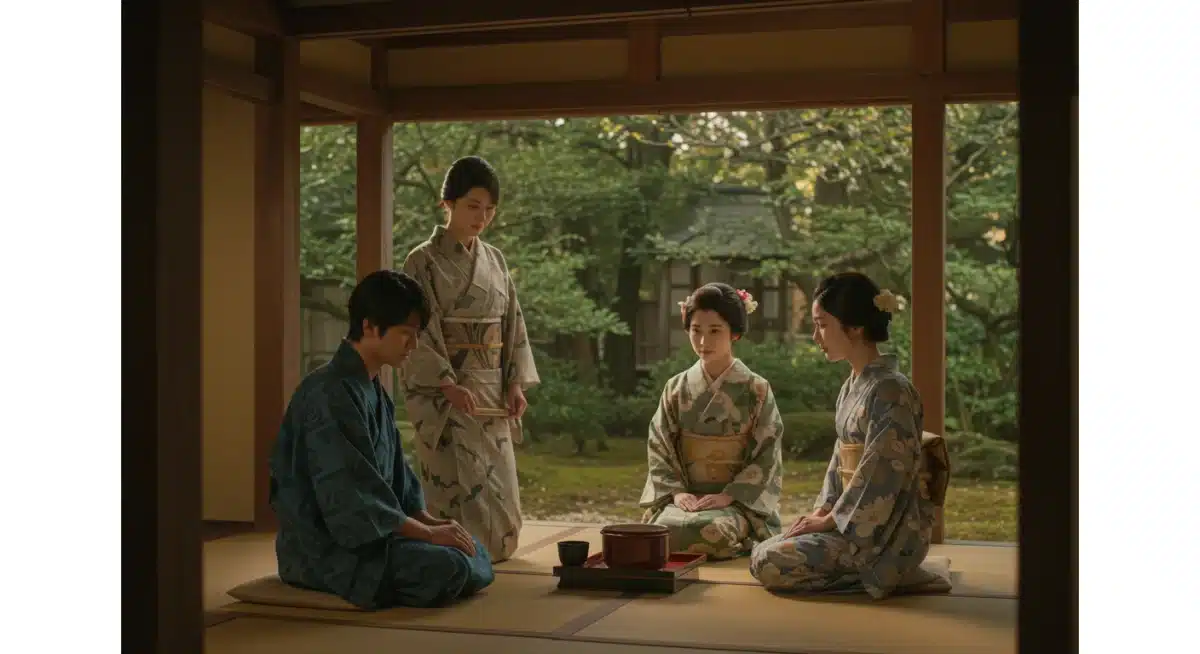
Many doramas showcase traditional Japanese arts, crafts, and festivals, providing viewers with rich visual and narrative experiences. Whether it’s the meticulous process of crafting ceramics, the elegance of a tea ceremony, or the vibrant energy of a local matsuri (festival), these elements are often central to the plot or character development.
- Traditional Crafts (Dento Kogei): Doramas sometimes feature protagonists who are artisans dedicated to preserving ancient techniques, highlighting the dedication and skill involved in these crafts and the challenges of passing them on to new generations.
- Seasonal Festivals (Matsuri): These lively events are frequently depicted, showcasing community spirit, religious beliefs, and the joy of collective celebration. They also reveal the specific rituals and customs associated with each festival.
- Traditional Cuisine (Washoku): Food plays a significant role in Japanese culture, and doramas often feature traditional dishes, explaining their preparation and cultural significance, thereby educating viewers about culinary traditions.
These portrayals not only entertain but also educate US viewers about the beauty and significance of Japan’s cultural heritage, demonstrating how these traditions are actively maintained and celebrated amidst contemporary life.
technological advancement and its societal impact
Conversely, Japanese dorama also frequently explores the impact of rapid technological advancement on society. Japan is a global leader in technology, and dramas often reflect both the benefits and the challenges that come with this.
From stories about artificial intelligence and robotics integrating into daily life to narratives exploring the effects of social media on relationships and mental health, doramas provide a platform for societal reflection. They illustrate how new technologies are adopted, adapted, and sometimes resisted within the framework of traditional values.
The juxtaposition of ancient temples with bustling futuristic cityscapes, or characters using cutting-edge gadgets while adhering to age-old customs, is a common visual and thematic motif in dorama. This dynamic presentation helps US viewers understand that Japanese culture is not monolithic but a vibrant, evolving blend of its past and future.
By exploring both tradition and modernity, Japanese doramas offer a comprehensive view of how a society can embrace progress while holding onto its cherished cultural identity, providing invaluable insights for international audiences.
understanding japanese values and philosophical underpinnings
Beyond surface-level customs, Japanese dorama often delves into the core values and philosophical concepts that shape the Japanese worldview. These deeply embedded principles influence individual behavior, societal norms, and national identity, offering a profound understanding for US viewers.
the concept of ‘wa’ (harmony) and group cohesion
One of the most fundamental values in Japanese culture is ‘wa,’ or harmony. Doramas consistently illustrate the importance of maintaining social harmony, often at the expense of individual desires or direct confrontation. Characters frequently go to great lengths to avoid conflict and ensure peaceful coexistence within their families, workplaces, and communities.
This emphasis on group cohesion means that decisions are often made collectively, and consensus is highly valued. Doramas showcase how individuals adapt their behavior and communication styles to align with group expectations, highlighting the subtle art of negotiation and compromise that underpins Japanese social interactions.
perseverance, hard work, and ‘ganbaru’
The concept of ‘ganbaru’ (to do one’s best, to persevere, to endure with fortitude) is a powerful cultural value frequently depicted in dorama. Characters often face immense challenges and setbacks but are expected to ‘ganbaru’ through them, demonstrating resilience and an unwavering commitment to their goals.
- Work Ethic: Doramas set in professional environments often highlight the dedication and long hours expected of employees, showcasing the strong work ethic prevalent in Japan.
- Overcoming Adversity: Whether it’s a student struggling with exams or an athlete striving for excellence, the narrative arc often revolves around the protagonist’s perseverance and eventual triumph through sheer effort.
- Personal Growth: The act of ‘ganbaru’ is often linked to personal growth and self-improvement, suggesting that enduring hardship builds character.
This emphasis on perseverance and hard work provides insight into the Japanese mindset towards challenges and achievement, contrasting with more individualistic approaches often seen in Western cultures.
By exploring these foundational values and philosophical underpinnings, Japanese dorama offers US viewers a deeper appreciation for the complex motivations and societal structures that define Japan, moving beyond superficial entertainment to genuine cultural enlightenment.
the impact of japanese dorama on global cultural exchange
Japanese dorama has transcended its national borders, becoming a significant force in global cultural exchange. For US viewers, in particular, it serves as a powerful medium for cross-cultural understanding, fostering connections and dispelling stereotypes.
bridging cultural gaps and challenging perceptions
Before the widespread availability of streaming services, exposure to Japanese culture in the US was often limited to anime, manga, and certain culinary experiences. Dorama, however, presents a more grounded and realistic portrayal of everyday life, allowing viewers to see beyond exoticized or simplified representations.
By engaging with relatable characters facing universal human experiences—love, loss, ambition, family struggles—US viewers can find common ground, even amidst cultural differences. This shared humanity helps to break down preconceived notions and fosters empathy, making Japanese society feel more accessible and understandable.
Furthermore, dorama can challenge existing stereotypes by presenting diverse characters and situations that defy simplistic categorization. It showcases the complexities and contradictions inherent in any society, promoting a more nuanced and informed perspective on Japan.
the rise of subtitled content and accessibility
The digital age has dramatically increased the accessibility of Japanese dorama for US audiences. Streaming platforms have made a vast library of titles available with high-quality subtitles, removing language barriers and opening up new avenues for cultural exploration.
- Global Platforms: Services like Netflix, Viki, and Crunchyroll host extensive collections of Japanese dramas, making them readily available to anyone with an internet connection.
- Fan Communities: Online fan communities and forums allow US viewers to discuss doramas, share insights, and learn more about the cultural contexts from fellow enthusiasts, creating a vibrant ecosystem of engagement.
- Learning Opportunity: For those interested in learning Japanese, dorama with subtitles can serve as an engaging and effective tool for language acquisition, combining entertainment with education.
The growing popularity of dorama in the US indicates a thriving interest in Japanese culture and a willingness to engage with diverse forms of storytelling. This cultural exchange is a two-way street, enriching both the viewers’ understanding and the global appreciation for Japanese creative works.
Ultimately, Japanese dorama stands as a testament to the power of storytelling in fostering international understanding, serving as a vital bridge for cultural exchange between Japan and the United States.
practical tips for US viewers to enhance their dorama experience
For US viewers embarking on or deepening their journey into Japanese dorama, a few practical tips can significantly enhance the cultural learning experience and ensure maximum enjoyment.
choosing the right dorama for your interests
With an overwhelming number of titles available, selecting a dorama that aligns with your interests is crucial. Consider starting with popular titles or those that have garnered critical acclaim, as they often have higher production values and compelling storylines.
- Genre Exploration: If you enjoy romance, look for ‘ren’ai dorama.’ If you’re a fan of mysteries, ‘keiji dorama’ (detective dramas) might be a good starting point. Explore different genres to find what resonates with you.
- Read Reviews: Check out reviews and recommendations from other viewers or dorama blogs to get an idea of the plot, themes, and overall quality.
- Cultural Themes: If you’re specifically interested in a particular aspect of Japanese culture (e.g., historical periods, workplace culture, family life), search for doramas that prominently feature those themes.
Starting with a dorama that genuinely captures your attention will make the learning process more enjoyable and sustainable.
utilizing subtitles and cultural notes effectively
While subtitles are essential, understanding their limitations and seeking supplementary information can enrich your viewing experience.
Subtitles often provide a direct translation but may not always capture the full nuance of Japanese expressions, honorifics, or cultural references. If a certain custom or phrase piques your curiosity, don’t hesitate to pause and do a quick online search. Many fan communities and cultural websites offer explanations of specific cultural points that appear in doramas.
Platforms like Viki often include ‘learn mode’ features or community-contributed cultural notes that pop up during the show, explaining terms or customs in real-time. Actively engaging with these resources can turn passive viewing into an interactive learning experience.
By being mindful of your dorama selection and proactively seeking to understand cultural nuances, US viewers can transform their entertainment into a profound journey of cultural discovery, greatly enhancing their appreciation for Japan.
| Key Aspect | Cultural Insight from Dorama |
|---|---|
| Social Etiquette | Observe bowing, honorifics, and indirect communication (honne/tatemae) in daily interactions. |
| Family Dynamics | Understand traditional vs. modern family roles, generational gaps, and educational pressures. |
| Core Values | Grasp ‘wa’ (harmony), ‘ganbaru’ (perseverance), and the strong work ethic. |
| Tradition & Modernity | See how ancient crafts, festivals, and new technology coexist and influence society. |
frequently asked questions about japanese dorama and culture
Begin with popular romance or school dramas, as their themes are often universal and easily accessible. Streaming platforms like Netflix, Viki, and Crunchyroll offer extensive libraries with English subtitles, making it simple to find a show that piques your interest and embark on your cultural journey.
While doramas are fictional, many strive for high levels of authenticity in depicting daily life, social customs, and cultural nuances. They serve as valuable windows into Japanese society, though some dramatic liberties may be taken for storytelling purposes. They are generally reliable for cultural insight.
Yes, watching dorama with subtitles is an excellent supplementary tool for language learners. It exposes you to natural conversational Japanese, various dialects, and cultural phrases in context. Many platforms even offer interactive learning modes to further aid language acquisition.
‘Honne’ refers to true feelings, while ‘tatemae’ is the public facade. Doramas often highlight this duality, showing characters balancing personal desires with societal expectations to maintain harmony. Understanding this helps interpret indirect communication and social dynamics in Japanese culture.
Workplace dramas, school dramas, and family dramas offer deep insights into contemporary Japanese social structures and expectations. Historical doramas (jidaigeki) are excellent for understanding traditional values, customs, and the historical roots of current societal norms, providing a complete cultural picture.
conclusion
For US viewers, understanding Japanese culture through dorama is an enriching and accessible journey. These compelling narratives offer much more than mere entertainment; they are vibrant cultural texts that illuminate the intricate social customs, evolving family dynamics, enduring traditions, and core philosophical values that define Japan.
By immersing themselves in the diverse world of Japanese dramas, audiences can transcend geographical and linguistic barriers, gaining a nuanced appreciation for a society that masterfully balances its rich past with a technologically advanced present. Dorama serves as a powerful bridge, fostering empathy and deeper cross-cultural understanding, proving that stories, regardless of their origin, possess the unique ability to connect us all.