Korean Drama Screenwriting: Crafting Successful K-Drama Scripts

Mastering Korean Drama Screenwriting involves a nuanced blend of compelling character arcs, intricate plot construction, and authentic cultural integration, creating narratives that deeply resonate with global audiences and achieve widespread success.
Have you ever wondered what makes a Korean drama not just good, but truly unforgettable? The magic often lies deep within its script.
Korean Drama Screenwriting is a sophisticated art form, blending universal themes with unique cultural specificities to craft stories that resonate globally.
Join us as we analyze the core elements that transform a mere storyline into a successful K-drama phenomenon.
The foundational pillars of K-drama narratives
At the heart of every successful K-drama is a meticulously constructed narrative, built upon foundational pillars that support its emotional depth and thematic richness. These elements are not merely present but are intricately woven throughout the story, guiding the audience through a journey of discovery and connection.
Understanding these core components is crucial for any aspiring screenwriter or enthusiast seeking to appreciate the complexity behind these beloved shows. It’s about more than just a captivating plot; it’s about creating a world where characters breathe, conflicts simmer, and resolutions feel earned.
Compelling character development
- Relatable protagonists: Characters often start in relatable situations, facing everyday struggles that allow viewers to easily connect with their journey.
- Dynamic growth: Successful K-dramas showcase significant character evolution, where protagonists undergo transformations driven by their experiences and relationships.
- Complex antagonists: Villains are rarely one-dimensional; they possess their own motivations and backstories, adding layers to the conflict and making the stakes higher.
The journey of a character, from their initial flaws to their ultimate triumphs or poignant failures, is what often keeps viewers invested. This evolution isn’t just about personal growth; it’s frequently intertwined with the societal themes and cultural contexts that define the drama. The internal struggles of a character often mirror the external conflicts they face, creating a harmonious narrative flow.
Intricate plot construction
K-dramas are renowned for their ability to weave complex plots that keep audiences on the edge of their seats. This isn’t achieved through mere complexity, but through strategic pacing and the masterful introduction of twists and turns that genuinely surprise.
A well-structured plot builds anticipation, delivering emotional payoffs at just the right moments. From the initial inciting incident to the climactic resolution, every scene and every dialogue contributes to the overarching narrative, propelling the story forward with purpose and precision. The careful layering of subplots ensures that the main narrative never feels stagnant, offering continuous engagement.
The foundational pillars of Korean Drama Screenwriting are not isolated concepts but interconnected elements that form a robust and engaging narrative framework. When these pillars are strong, the entire structure of the drama stands firm, capable of supporting the emotional weight and thematic depth that K-drama fans have come to expect and cherish.
Mastering emotional resonance and cultural nuance
Beyond the structural elements, the true artistry of Korean Drama Screenwriting lies in its ability to evoke deep emotional responses and skillfully integrate cultural nuances. These aspects are what elevate a good script to an exceptional one, allowing stories to transcend geographical boundaries while retaining their unique Korean identity.
Emotional resonance is not accidental; it’s a deliberate craft, carefully constructed through character interactions, dialogue, and thematic exploration. Similarly, cultural nuance is woven into the fabric of the story, providing authenticity and enriching the viewing experience for both domestic and international audiences.
Crafting compelling emotional arcs
K-dramas are masters of emotional storytelling. They explore a wide spectrum of human emotions, from heartwarming romance and comedic relief to profound grief and intense anger, often within a single narrative. This emotional rollercoaster is meticulously planned within the script.
- Authentic dialogue: Dialogue in K-dramas often carries significant emotional weight, revealing inner thoughts and feelings without being overly explicit, allowing for viewer interpretation.
- Symbolism and metaphor: Visual and narrative metaphors are frequently used to express complex emotions and themes, adding layers of meaning to the story.
- Melodramatic elements: While sometimes exaggerated, melodramatic moments are carefully placed to heighten emotional impact and create memorable scenes that resonate long after viewing.
The emotional journey of characters is paramount. Screenwriters delve into the psychological landscapes of their creations, ensuring that their reactions and decisions feel organic and true to their personalities. This creates a powerful connection with the audience, who often find themselves deeply invested in the characters’ plights and triumphs.
Integrating cultural authenticity
One of the distinctive features of K-dramas is their rich integration of Korean culture. This isn’t just about showcasing traditional customs or modern lifestyles; it’s about embedding cultural values, social dynamics, and historical contexts into the very core of the narrative.
This cultural depth provides a unique flavor that distinguishes K-dramas from other global productions. It allows international viewers to gain insights into Korean society while offering domestic audiences a reflection of their own experiences and heritage. The balance between universal themes and specific cultural elements is a delicate act that successful screenwriters master.

Mastering emotional resonance and cultural nuance is integral to Korean Drama Screenwriting. It’s the art of speaking to the human heart while grounding the story in a specific, rich cultural context. This dual approach ensures that K-dramas are not only entertaining but also deeply meaningful and culturally enriching, contributing significantly to their global appeal and enduring legacy.
The art of pacing and structural innovation
Beyond compelling characters and emotional depth, the structural brilliance and masterful pacing of K-dramas are key factors in their success. Korean Drama Screenwriting often defies conventional Western narrative structures, employing unique pacing techniques and innovative storytelling devices that keep audiences engaged episode after episode.
This structural innovation isn’t merely for novelty; it serves to amplify dramatic tension, deepen character arcs, and ensure that every plot point feels earned and impactful. Understanding these unique approaches can provide valuable insights into why K-dramas maintain such a strong hold on their global viewership.
Dynamic narrative pacing
K-dramas are adept at controlling the flow of information and events, creating a dynamic rhythm that prevents stagnation. They often utilize a ‘slow burn’ approach in early episodes, building character relationships and setting the stage, before accelerating into a rapid succession of plot twists and revelations.
- Strategic reveals: Information is often withheld and revealed strategically, creating suspense and encouraging viewers to speculate about future developments.
- Episode cliffhangers: Nearly every episode ends with a compelling cliffhanger, ensuring that viewers are eager to tune in for the next installment.
- Flashbacks and flashforwards: These narrative devices are frequently used to provide context, build mystery, or foreshadow future events, enriching the overall story tapestry.
The pacing is not uniform; it ebbs and flows, mirroring the emotional intensity of the narrative. This deliberate variation keeps the audience invested, preventing predictability and sustaining interest over the drama’s entire run. It’s a carefully choreographed dance between calm and chaos, building towards a satisfying crescendo.
Innovative structural elements
K-dramas frequently experiment with narrative structures, moving beyond linear storytelling to create more complex and engaging experiences. This can involve multiple timelines, shifting perspectives, or even meta-narratives that challenge traditional storytelling norms.
These innovations are not just stylistic choices; they are integral to the storytelling itself, allowing for deeper exploration of themes and character motivations. The willingness to experiment with structure is a hallmark of ambitious Korean Drama Screenwriting, pushing the boundaries of what television narratives can achieve.
The art of pacing and structural innovation in Korean Drama Screenwriting demonstrates a sophisticated understanding of audience engagement. By employing dynamic rhythms and creative narrative devices, screenwriters craft stories that are not only emotionally resonant but also structurally compelling, offering a fresh and exciting viewing experience that continues to captivate audiences worldwide.
Developing memorable themes and impactful messages
A truly successful K-drama transcends mere entertainment; it leaves a lasting impression through its exploration of profound themes and delivery of impactful messages. Korean Drama Screenwriting excels at weaving these deeper meanings into the narrative, ensuring that stories are not only engaging but also thought-provoking and relevant.
These themes often reflect universal human experiences, yet they are presented through a distinctly Korean lens, offering unique perspectives on societal issues, personal growth, and interpersonal relationships. The ability to craft a story that resonates on multiple levels is a testament to the skill of the screenwriters.
Exploring universal themes
K-dramas frequently tackle themes that are universally understood, such as love, loss, family, friendship, ambition, and redemption. However, they often delve into these themes with a unique sensitivity and depth, exploring their complexities rather than offering simplistic resolutions.
- Love and sacrifice: Romantic K-dramas often explore the sacrifices characters are willing to make for love, highlighting the strength and endurance of human connection.
- Social justice: Many dramas address societal injustices, corruption, and inequality, using the narrative to shed light on real-world issues and inspire reflection.
- Personal identity: Characters frequently embark on journeys of self-discovery, grappling with their identities and finding their place in the world, a theme highly relatable to global audiences.
The exploration of these themes is rarely didactic. Instead, they are organically integrated into the characters’ struggles and triumphs, allowing viewers to draw their own conclusions and engage with the material on a personal level. This nuanced approach makes the messages more powerful and memorable.
Delivering impactful societal messages
Beyond universal themes, K-dramas often serve as a platform for social commentary, addressing specific societal issues prevalent in Korea. These messages are delivered with a blend of subtlety and directness, sparking conversation and prompting introspection among viewers.
Whether it’s the pressure of academic success, the challenges of hierarchical workplaces, or the complexities of mental health, Korean Drama Screenwriting doesn’t shy away from tackling sensitive topics. This willingness to engage with real-world problems adds a layer of realism and urgency to the fictional narratives.
The development of memorable themes and impactful messages is a critical component of successful Korean Drama Screenwriting. By exploring universal human experiences through a culturally specific lens and addressing pertinent societal issues, K-dramas create narratives that are not only entertaining but also deeply meaningful and capable of inspiring global dialogue.
Dialogue and character voice: more than just words
In the intricate world of Korean Drama Screenwriting, dialogue is far more than a means of conveying information; it is a powerful tool for character development, plot progression, and emotional expression. Each character’s voice is distinct, reflecting their personality, background, and emotional state, making conversations feel authentic and impactful.
The careful crafting of dialogue, from witty banter to profound monologues, is essential in building believable relationships and driving the narrative forward. It is through these spoken words that much of the drama’s heart and soul are revealed, connecting deeply with the audience.
Crafting authentic and memorable dialogue
Successful K-drama scripts feature dialogue that feels natural, yet purposeful. It doesn’t just advance the plot; it reveals character, builds tension, and often delivers moments of humor or profound insight. The balance between realism and poetic expression is a hallmark of quality K-drama writing.
- Subtext and unspoken emotions: Dialogue often carries a significant amount of subtext, where what is left unsaid is as important as what is spoken, adding layers of emotional complexity.
- Character-specific idioms: Writers often use unique speech patterns, slang, or formal language to distinguish characters and reflect their social standing or personality traits.
- Emotional weight: Key lines of dialogue are carefully constructed to deliver maximum emotional impact, often becoming iconic quotes that resonate with viewers long after the drama concludes.
The rhythm and flow of conversation are meticulously considered, ensuring that exchanges feel dynamic and engaging. This attention to detail transforms simple conversations into pivotal moments, advancing both the plot and the emotional arcs of the characters. It’s a testament to the screenwriters’ ability to make words sing.
Developing distinct character voices
A key aspect of strong Korean Drama Screenwriting is the ability to give each character a unique and consistent voice. This goes beyond just their lines; it encompasses their mannerisms, their reactions, and how they interact with the world around them.
From the stoic hero to the bubbly sidekick, each character speaks in a way that is true to their essence. This distinctiveness not only makes them memorable but also enhances the believability of their relationships and conflicts within the narrative. The consistent voice ensures that even without seeing the character, an audience could potentially identify who is speaking.
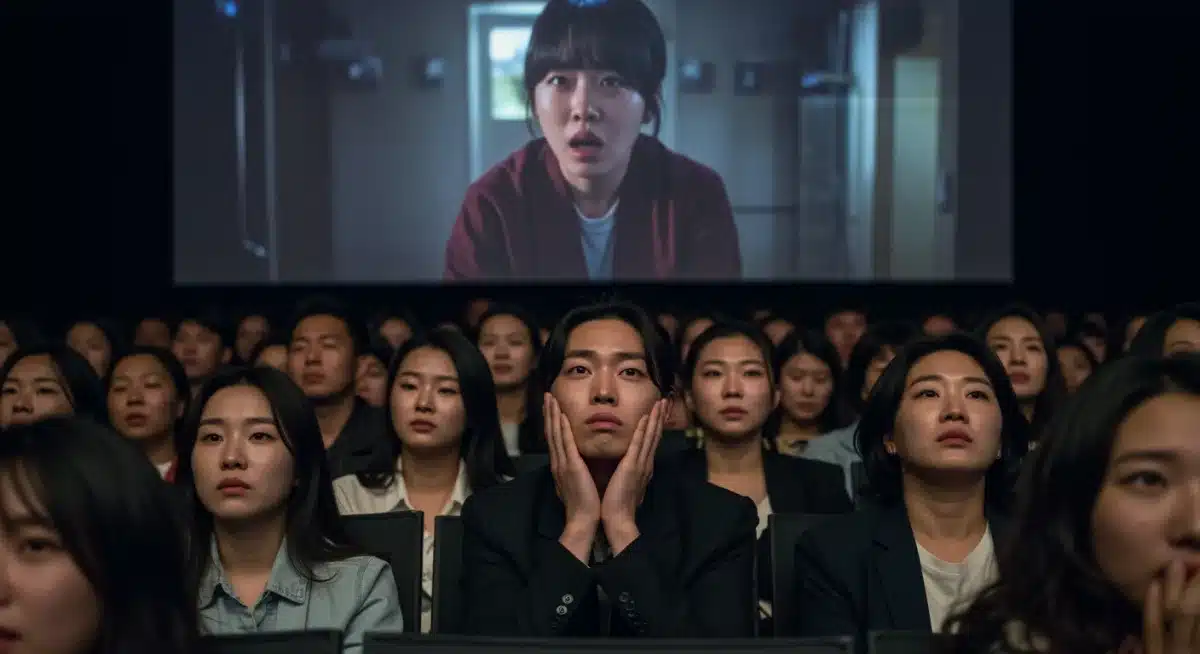
Dialogue and character voice are indispensable elements in Korean Drama Screenwriting. They are the conduits through which emotions are expressed, relationships are forged, and stories truly come to life. By mastering these aspects, screenwriters create narratives that are not only heard but deeply felt by audiences worldwide.
The role of twists, turns, and satisfying resolutions
No K-drama is complete without its fair share of dramatic twists and turns, often culminating in a resolution that, while sometimes bittersweet, ultimately feels earned and satisfying. Korean Drama Screenwriting is particularly adept at orchestrating these narrative surprises, ensuring they serve the story rather than merely existing for shock value.
The journey through unexpected events and the eventual tying up of loose ends are crucial for maintaining audience engagement and delivering a memorable viewing experience. It’s about building anticipation and then skillfully delivering on those promises, often in ways the audience never anticipated.
Crafting effective plot twists
Plot twists in K-dramas are often meticulously planned, woven into the narrative from early on, and revealed at pivotal moments. These aren’t random events but rather consequences of earlier actions or hidden truths that fundamentally alter the course of the story and characters’ perceptions.
- Foreshadowing: Subtle hints and clues are often sprinkled throughout earlier episodes, rewarding attentive viewers and making the twists feel less arbitrary.
- Increased stakes: Effective twists elevate the dramatic stakes, forcing characters to confront new challenges or re-evaluate their relationships and goals.
- Character revelation: Twists frequently serve to reveal deeper aspects of a character’s past or true motivations, adding complexity and depth.
The impact of a well-executed plot twist is profound. It can shift allegiances, redefine relationships, and completely change the audience’s understanding of events, making the narrative a truly immersive puzzle to solve. This careful construction prevents twists from feeling cheap or manipulative.
Delivering satisfying resolutions
While twists keep the audience guessing, the resolution provides closure. A satisfying K-drama ending doesn’t necessarily mean a ‘happily ever after’ for everyone, but rather a conclusion that feels consistent with the characters’ journeys and the themes explored throughout the series.
Whether it’s a triumphant victory, a poignant farewell, or a hopeful new beginning, the resolution must resonate emotionally and logically within the established world of the drama. It’s the culmination of all the character development and plot progression, providing a sense of completeness.
The role of twists, turns, and satisfying resolutions in Korean Drama Screenwriting is about creating a narrative arc that is both thrilling and emotionally fulfilling. By expertly navigating the highs and lows, screenwriters guide their audience through a compelling journey, leaving them with stories that linger in their minds long after the final credits roll.
Adapting for global appeal: universal themes and local flavor
The global phenomenon of K-dramas owes much to the skill of Korean Drama Screenwriting in balancing universal themes with distinct local flavors. This delicate act allows stories rooted in Korean culture to resonate deeply with international audiences, creating a bridge between different cultural landscapes.
It’s a testament to the writers’ ability to tap into shared human experiences while simultaneously offering a window into a rich and unique cultural context. This dual appeal is a cornerstone of K-drama’s widespread success and its ability to captivate viewers across continents.
Balancing universal narratives with cultural specifics
Successful K-dramas often focus on themes that are inherently relatable to people worldwide: love, family, ambition, revenge, friendship, and the search for identity. These universal narratives provide an entry point for international viewers, allowing them to connect with the characters and their struggles regardless of their cultural background.
- Relatable human emotions: The raw and authentic portrayal of emotions, from joy and sorrow to anger and hope, transcends language barriers and cultural differences.
- Archetypal character journeys: Many K-drama protagonists embark on journeys of growth and self-discovery that are familiar across various storytelling traditions.
- Cross-cultural appeal of genres: Genres such as romance, fantasy, and thrillers have universal appeal, and K-dramas often infuse these with their unique storytelling style.
However, these universal themes are never presented in a generic vacuum. They are always filtered through the specific lens of Korean culture, incorporating elements like societal norms, traditional customs, modern trends, and historical contexts. This blend enriches the story, giving it a distinctive identity that stands out in the global entertainment landscape.
Showcasing unique Korean elements
The local flavor in Korean Drama Screenwriting is evident in its detailed depiction of Korean life. This includes everything from the food and fashion to social etiquette and family dynamics. These elements are not just background details; they are often integral to the plot and character development, providing depth and authenticity.
For international audiences, these cultural specifics offer a fascinating glimpse into a different way of life, fostering curiosity and appreciation for Korean culture. For domestic audiences, they provide a sense of recognition and pride, reflecting their own experiences on screen. The careful integration of these elements ensures that the dramas remain true to their origins while simultaneously appealing to a broader viewership.
Adapting for global appeal, through the masterful blend of universal themes and local flavor, is a significant factor in the triumph of Korean Drama Screenwriting. It demonstrates an understanding that while human emotions and desires are universal, the unique cultural tapestry through which they are expressed makes for truly compelling and globally cherished narratives.
| Key Element | Brief Description |
|---|---|
| Character Development | Dynamic, relatable protagonists and complex antagonists drive emotional investment. |
| Plot Innovation | Intricate structures, strategic pacing, and compelling twists keep audiences engaged. |
| Emotional & Cultural Depth | Authentic dialogue and cultural nuances foster deep emotional resonance. |
| Universal Themes | Addressing themes like love, family, and identity ensures global relatability. |
Frequently asked questions about K-drama screenwriting
K-drama characters are often compelling due to their relatable struggles, significant emotional growth throughout the series, and complex motivations. Screenwriters invest in deep psychological profiling, making protagonists feel authentic and antagonists multi-dimensional, fostering a strong connection with the audience.
K-dramas achieve unique pacing through a strategic ‘slow burn’ in early episodes, building relationships and setting context, followed by accelerated plot twists. They often employ cliffhangers at episode ends and integrate flashbacks/forwards to maintain suspense and engagement, creating a dynamic narrative rhythm.
Cultural nuances are crucial as they provide authenticity and enrich the viewing experience. They integrate Korean values, social dynamics, and traditions into the narrative, offering insights into Korean society for international viewers while resonating deeply with domestic audiences, enhancing the drama’s distinctiveness.
Dialogue in K-drama screenwriting serves as a primary tool for character development, plot progression, and emotional expression. It’s crafted to be authentic yet purposeful, often carrying subtext and emotional weight. Each character has a distinct voice, making interactions believable and impactful for the audience.
K-dramas balance universal themes by focusing on relatable human experiences like love and family, which resonate globally. Simultaneously, they infuse unique Korean cultural elements such as societal norms, food, and traditions. This blend creates stories that are both universally accessible and distinctly Korean, appealing to diverse audiences.
Conclusion
The journey through the intricate world of Korean Drama Screenwriting reveals a sophisticated craft that combines compelling storytelling with profound cultural insights. From the meticulous development of characters and the innovative structuring of plots to the masterful use of dialogue and the artful integration of twists, every element plays a crucial role in creating narratives that captivate and resonate globally.
The ability of K-drama screenwriters to balance universal human experiences with distinct Korean flavors is what truly sets these dramas apart, cementing their place as a beloved and influential force in international entertainment. As K-dramas continue to charm audiences worldwide, understanding the depth and precision behind their scripts offers a greater appreciation for this unique form of storytelling.