Food in Korean Dramas: A Culinary Journey for US Viewers
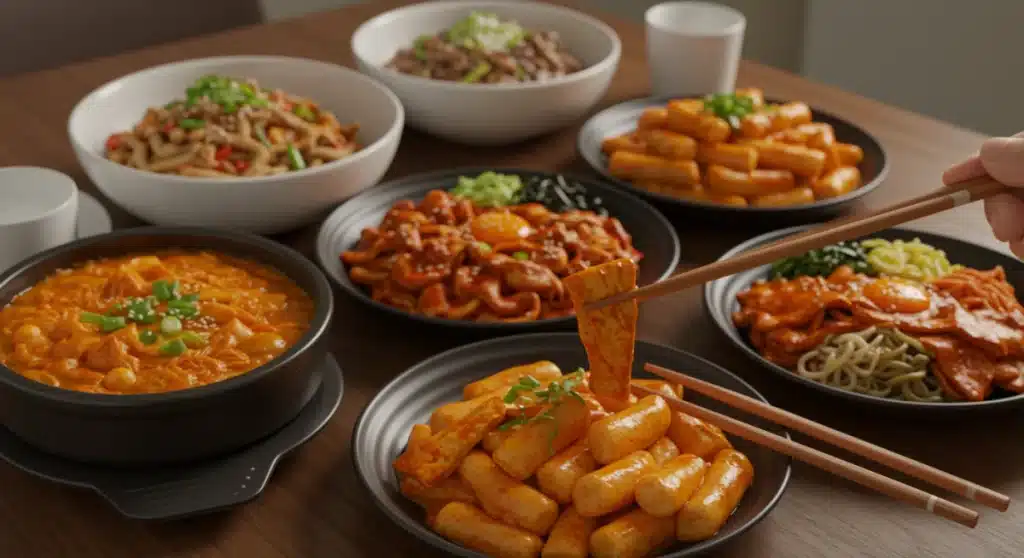
Korean dramas expertly weave food into their storytelling, providing US viewers an immersive culinary exploration that enriches cultural appreciation and forges deeper bonds with the narratives and characters.
For many US viewers, tuning into a K-drama isn’t just about following compelling storylines or swooning over romantic leads; it’s also about embarking on a delicious adventure. The role of food in Korean dramas has become an undeniable draw, transforming casual watching into a full sensory experience.
Food as a Narrative Device: More Than Just a Meal
In Korean dramas, food is rarely just sustenance; it’s a powerful narrative tool. It drives plots, defines characters, and often serves as a silent, yet expressive, participant in emotional exchanges. From humble street food to elaborate family feasts, each dish tells a story, reflecting the characters’ circumstances, relationships, and inner turmoil.
Consider the countless scenes where characters share a meal during moments of crisis or celebration. These interactions are not merely background; they are pivotal to understanding character dynamics and advancing the plot. A shared bowl of ramyeon can signify burgeoning romance, while a meticulously prepared traditional meal might symbolize familial duty or reconciliation.
Symbolism and Subtext in Culinary Scenes
Korean drama creators skillfully infuse food with layers of meaning, allowing dishes to communicate unspoken emotions and cultural values. This subtext enriches the viewing experience, particularly for those unfamiliar with Korean customs, as it provides a visual guide to complex social cues.
- Comfort Food: Dishes like kimchi jjigae or soft tofu stew often represent comfort, solace, and a return to warmth during difficult times.
- Celebratory Feasts: Elaborate spreads, especially during holidays, symbolize prosperity, family unity, and the importance of tradition.
- Shared Experiences: Eating together, particularly street food like tteokbokki or odeng, signifies camaraderie, friendship, and burgeoning relationships.
- Status and Wealth: The type of restaurant or ingredients used can subtly hint at a character’s socioeconomic standing.
Ultimately, food in K-dramas transcends its physical form, becoming a language through which stories are told and understood. It offers a window into the characters’ souls and the intricate tapestry of Korean society.
Cultural Immersion Through Korean Cuisine
For US viewers, Korean dramas offer an unparalleled opportunity for cultural immersion, and food plays a central role in this experience. Beyond simply showcasing delicious dishes, K-dramas illustrate the rituals, etiquette, and social significance surrounding food in Korean culture. This exposure helps bridge cultural gaps and fosters a deeper appreciation for Korean traditions.
Watching characters prepare, share, and discuss food provides insight into family dynamics, community bonds, and even historical contexts. It’s a vivid lesson in Korean hospitality, respect for elders, and the communal nature of dining. Many viewers find themselves inspired to try cooking Korean dishes or visiting Korean restaurants after watching their favorite dramas.
The Art of Banchan and Communal Dining
One of the most striking aspects of Korean dining showcased in K-dramas is the concept of banchan, the array of small side dishes served with almost every meal. These aren’t just accompaniments; they are integral to the dining experience, reflecting the generosity and variety of Korean cuisine. K-dramas often highlight the meticulous preparation of banchan, emphasizing the care and effort involved in a Korean meal.
- Variety is Key: Banchan showcases the diverse flavors and textures of Korean food, from spicy kimchi to refreshing pickled radishes.
- Communal Sharing: The shared nature of banchan reinforces the idea of communal dining, where everyone partakes from the same dishes.
- Homemade Love: Scenes of mothers or grandmothers making large batches of kimchi or other banchan symbolize love, care, and family tradition.
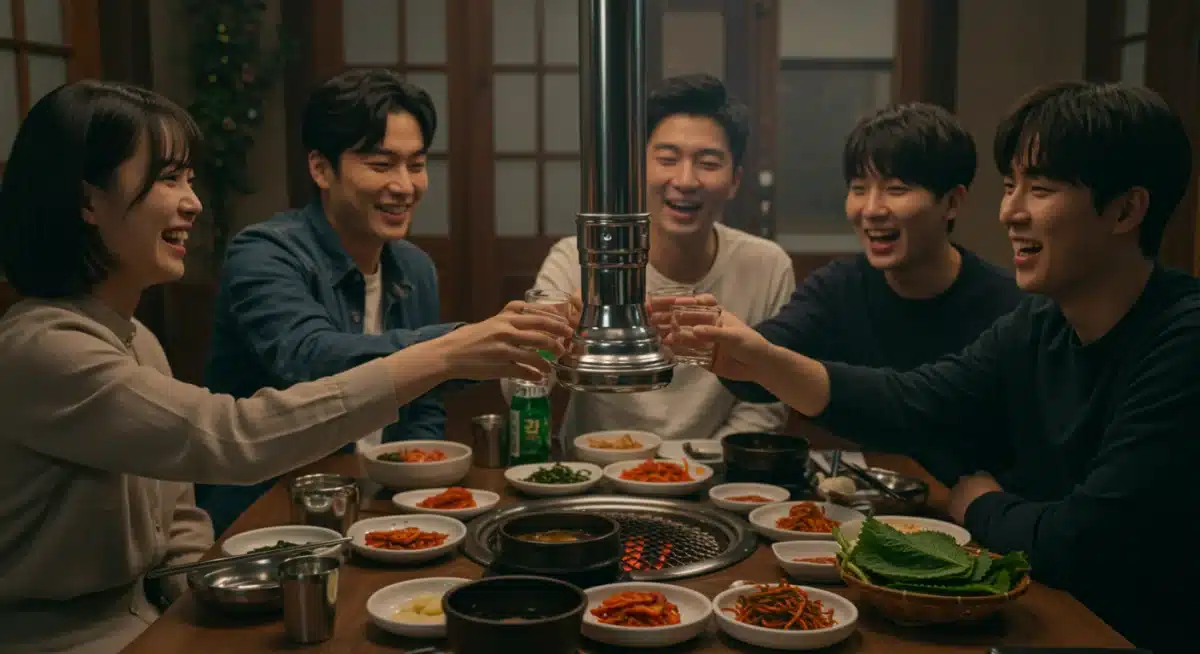
The communal aspect of Korean dining, where dishes are shared and conversations flow around the table, is a constant theme. This contrasts with more individualized eating habits often seen in Western cultures, offering US viewers a refreshing perspective on shared meals as a cornerstone of social interaction.
The Rise of K-Food Craze in the US
The burgeoning popularity of Korean dramas in the United States has directly fueled a significant increase in interest in Korean food. What was once considered niche cuisine is now becoming mainstream, with K-dramas acting as powerful culinary ambassadors. Viewers are no longer just watching characters eat; they are actively seeking out the dishes themselves.
This phenomenon has led to a surge in Korean restaurants, grocery stores, and even online recipe searches for popular K-drama dishes. From the fiery kick of tteokbokki to the comforting warmth of bibimbap, US audiences are eager to taste the flavors that have captivated them on screen. The visual appeal and emotional connection built through the dramas translate into a tangible desire for these culinary experiences.

Iconic Dishes and Their K-Drama Spotlight
Certain dishes have achieved iconic status thanks to their frequent and often memorable appearances in K-dramas. These aren’t just random food choices; they are carefully selected to enhance specific scenes and resonate with the audience.
- Ramyeon: Often associated with late-night study sessions, comfort, or a quick, easy meal. Its preparation and consumption are frequently depicted in intimate or vulnerable moments.
- Kimchi: The quintessential Korean staple, kimchi appears in almost every meal, symbolizing Korean identity and culinary heritage. Its making is often a family affair in dramas.
- Tteokbokki: Spicy rice cakes, a popular street food, are often shared between friends or couples, representing casual togetherness and fun.
- Bibimbap: A colorful mixed rice dish, bibimbap signifies harmony and balance, and is often shown as a healthy, wholesome meal.
- Korean BBQ: The ultimate communal dining experience, Korean BBQ scenes are synonymous with celebrations, business meetings, and social gatherings, highlighting interaction.
The consistent portrayal of these dishes has created a strong association, making them instantly recognizable and desirable for K-drama fans. This exposure has been instrumental in normalizing and popularizing Korean food culture among US consumers.
Emotional Connection and Comfort Eating
Food in Korean dramas often serves as a powerful conduit for emotional expression and comfort. Characters frequently turn to specific dishes during moments of joy, sorrow, stress, or celebration, allowing viewers to connect with their feelings on a deeper level. This portrayal of comfort eating resonates universally, but with a distinct Korean flavor.
Whether it’s a character drowning their sorrows in a bowl of Jajangmyeon or sharing a celebratory feast with loved ones, the food becomes intertwined with their emotional journey. This creates a vicarious experience for the audience, where the food itself becomes a symbol of healing, happiness, or catharsis. The visual depiction of eating, often with exaggerated expressions of enjoyment, further enhances this emotional connection.
Food as a Reflection of Relationships
Beyond individual emotions, food scenes are crucial in depicting the complexities of relationships. A shared meal can signify reconciliation, the strengthening of bonds, or even unspoken tension. The act of preparing food for someone, or refusing to eat with them, carries significant weight.
- Romantic Gestures: Cooking a meal for a love interest or sharing street food often symbolizes affection and intimacy in K-dramas.
- Family Bonds: Family meals are central, highlighting the hierarchy, respect, and love within Korean households.
- Friendship Rituals: Friends frequently gather over food and drinks, solidifying their camaraderie and providing a setting for heartfelt conversations.
- Conflict and Resolution: Food can be a catalyst for conflict (e.g., arguing over the last piece) or a means of resolution (e.g., sharing a meal to make amends).
The emphasis on shared eating experiences in K-dramas underscores the importance of community and interpersonal connections in Korean culture. It allows US viewers to understand how food facilitates social interactions and emotional exchanges in a uniquely Korean way.
The Aesthetic Appeal: Food Styling in K-Dramas
Beyond its narrative and cultural significance, the food in Korean dramas is often presented with exquisite aesthetic appeal. Food stylists and directors pay meticulous attention to how dishes are prepared and filmed, transforming them into visual masterpieces. This heightened visual experience is a key factor in captivating US audiences and making the food almost another character in the show.
The vibrant colors, fresh ingredients, and artful plating contribute to the overall sensory pleasure of watching K-dramas. Close-up shots of sizzling meat, bubbling stews, or perfectly arranged banchan are commonplace, designed to evoke hunger and an irresistible desire to taste. This visual feast elevates the dining scenes from mundane to memorable.
From Street Stalls to Fine Dining: Diverse Culinary Settings
K-dramas showcase a wide spectrum of dining environments, each with its own charm and cultural implications. This diversity allows viewers to experience various facets of Korean culinary life, from casual to formal.
- Street Food Stalls (Pojangmacha): These iconic red tents offer a glimpse into casual, late-night dining culture, often associated with comfort, camaraderie, and candid conversations.
- Home Kitchens: Scenes in home kitchens emphasize family recipes, traditional cooking methods, and the warmth of domestic life.
- Cafes and Restaurants: Modern cafes and upscale restaurants highlight contemporary Korean dining trends, often serving as backdrops for romantic dates or business meetings.
- Traditional Hanok Settings: Dining in traditional Korean houses offers a peek into historical and ceremonial meal practices, often showcasing elaborate spreads.
The careful cinematography and art direction ensure that each culinary setting, and the food within it, contributes to the overall immersive experience of the drama. It’s not just about what they eat, but where and how, adding layers of authenticity and visual pleasure for the audience.
Impact on US Viewers’ Culinary Habits and Perceptions
The immersive portrayal of food in Korean dramas has had a tangible impact on the culinary habits and perceptions of US viewers. What began as a mere curiosity has evolved into genuine interest and adoption of Korean culinary practices. This influence extends beyond simply trying new dishes; it encompasses an openness to new ingredients, cooking techniques, and dining philosophies.
Many US viewers report being inspired to learn Korean recipes, visit Korean markets, or even travel to South Korea to experience the food firsthand. The dramas demystify Korean cuisine, making it approachable and exciting. This cultural exchange through food fosters a greater understanding and appreciation of South Korea’s rich heritage.
Beyond the Plate: Health and Lifestyle Influences
The influence of K-dramas on US viewers also extends to broader perceptions of health and lifestyle. Korean cuisine, often characterized by its emphasis on fresh vegetables, fermented foods (like kimchi), and balanced meals, is frequently perceived as healthy and vibrant. This perception is reinforced by the often slender and healthy appearance of K-drama actors.
- Fermented Foods: The prominence of kimchi and other fermented dishes in K-dramas has sparked interest in their health benefits among US audiences.
- Balanced Meals: The concept of banchan and diverse side dishes encourages a more balanced approach to eating, with a variety of nutrients.
- Mindful Eating: Although not explicitly stated, the way characters often savor their meals or prepare food with care can inspire a more mindful approach to eating.
- Social Aspect of Dining: The strong emphasis on communal meals in K-dramas highlights the social and emotional benefits of sharing food, encouraging similar practices.
Ultimately, the continuous exposure to Korean food through dramas subtly shapes viewers’ dietary preferences and encourages them to explore a more diverse and potentially healthier culinary landscape. It’s a testament to the power of media in influencing cultural tastes and behaviors on a global scale.
| Key Aspect | Brief Description |
|---|---|
| Narrative Catalyst | Food drives plots, reveals character traits, and signifies emotional turning points. |
| Cultural Window | Showcases Korean dining etiquette, social customs, and communal values. |
| Culinary Trendsetter | Popularizes Korean dishes and cuisine among US audiences, inspiring new eating habits. |
| Emotional Resonance | Connects viewers to characters’ feelings through comfort eating and shared meal experiences. |
Frequently Asked Questions About Food in K-Dramas
Food is prominent in Korean dramas because it serves as a powerful cultural signifier, a narrative device, and a way to build emotional connections. It reflects social dynamics, family values, and individual character arcs, making it integral to storytelling and cultural immersion for viewers.
Some of the most frequently seen dishes include ramyeon, kimchi, tteokbokki, bibimbap, and various forms of Korean BBQ. These dishes are often chosen for their cultural significance, visual appeal, and ability to convey specific moods or situations within the narrative.
K-dramas have significantly boosted US viewers’ interest in Korean food by visually showcasing its deliciousness and cultural importance. This exposure has led to increased demand for Korean restaurants, groceries, and recipes, transforming once-niche dishes into mainstream culinary trends across the US.
Yes, food in K-dramas often carries rich symbolic meanings. For instance, shared street food can symbolize budding romance or friendship, while elaborate family meals might represent tradition, reconciliation, or familial duty. Specific dishes often reflect characters’ emotional states or social standing.
Generally, Korean dramas offer a largely accurate and authentic portrayal of Korean dining culture. They depict customs like communal eating, the importance of banchan, and specific dining etiquette, providing US viewers a realistic glimpse into how food integrates into everyday Korean life and social interactions.
Conclusion
The indelible role of food in Korean dramas extends far beyond simple sustenance, offering US viewers a captivating and multi-layered culinary journey. From serving as a vital narrative device to fostering deep cultural immersion and influencing global culinary trends, food is an indispensable element that enriches the K-drama experience. It creates emotional connections, showcases the aesthetic beauty of Korean cuisine, and ultimately transforms casual watchers into enthusiastic participants in a vibrant cultural exchange. As K-dramas continue to gain popularity, the delicious allure of Korean food will undoubtedly continue to grow, inviting more viewers to savor the flavors and stories woven into every bite.