Korean Drama Cinematography: Visual Storytelling Masterclass
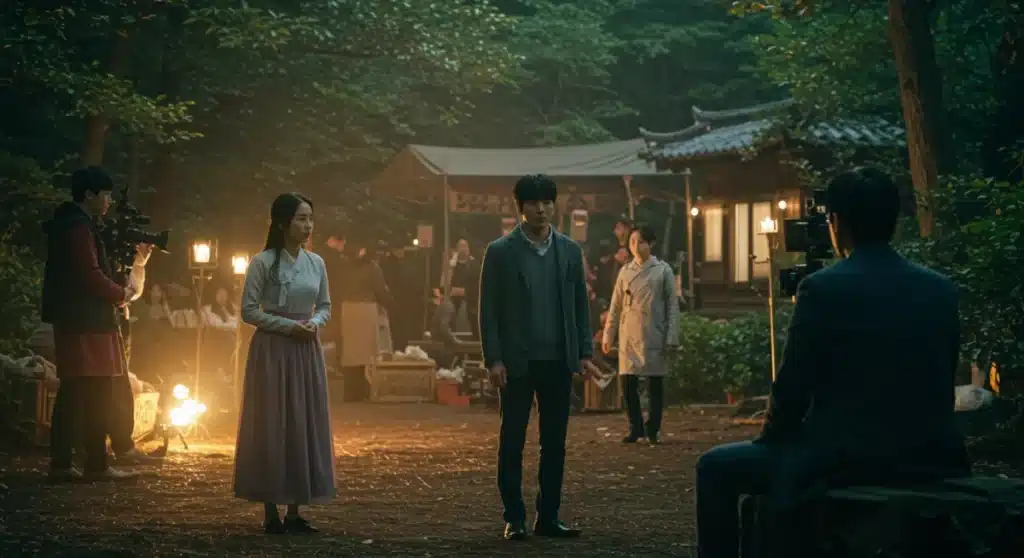
Korean drama cinematography profoundly enhances the viewing experience by employing sophisticated visual storytelling techniques, unique aesthetic choices, and a keen focus on emotional resonance, creating deeply immersive and memorable narratives for audiences globally.
Have you ever found yourself completely engrossed in a Korean drama, not just by its compelling plot or charismatic actors, but by the sheer beauty of each frame? This immersive quality is largely due to the masterful use of Korean drama cinematography: how visual storytelling enhances the viewing experience. It’s a craft that transcends mere filming, transforming every scene into a piece of art that speaks volumes without a single word.
The art of visual narrative in K-dramas
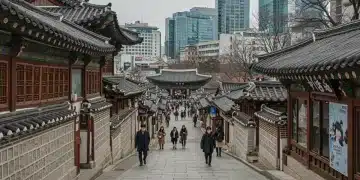
Korean dramas have garnered a global following, not solely for their engaging plots and compelling characters, but significantly for their unparalleled visual aesthetics. The cinematography in these series is often a character in itself, meticulously crafted to convey emotions, deepen character development, and enrich the narrative.
It’s a deliberate art form where every shot, every color, and every camera movement contributes to a cohesive, immersive experience for the viewer.
The visual narrative in K-dramas goes beyond simply capturing events; it’s about interpreting them. Directors and cinematographers collaborate closely to ensure that the visual language aligns perfectly with the script’s emotional beats and thematic complexities. This involves a careful selection of camera angles, lighting techniques, and compositional strategies that guide the audience’s perception and emotional response.
Beyond the plot: emotional resonance through visuals
- Symbolic imagery: Often, elements within the frame—be it a wilting flower, a specific piece of clothing, or a recurring landscape—carry symbolic weight, subtly foreshadowing events or reflecting characters’ inner states.
- Color palette: The choice of colors is rarely accidental. Warm tones might signify comfort and love, while cool blues and grays often accompany moments of sadness, despair, or isolation, creating an immediate emotional connection.
- Framing and composition: The way characters are framed within a scene can speak volumes about their power dynamics, their isolation, or their connection to others. Wide shots can emphasize loneliness, while tight close-ups draw attention to minute facial expressions.
Moreover, the visual narrative extends to the pacing of the shots. Slow, deliberate camera movements can build anticipation or emphasize a poignant moment, while quick cuts might heighten tension or reflect a character’s agitated state. This holistic approach ensures that the visual storytelling is not just beautiful but also profoundly meaningful, drawing viewers deeper into the emotional core of the story.
Ultimately, the art of visual narrative in K-dramas is about creating a sensory experience that complements the verbal narrative. It’s a testament to the dedication of Korean drama production teams who understand that a story is best told when it appeals to all senses, making the viewing experience not just entertaining, but truly unforgettable.
Mastering light and shadow: setting the mood
Lighting is arguably one of the most critical elements in cinematography, and Korean dramas excel at using it to sculpt atmosphere and evoke specific emotions. The strategic interplay of light and shadow can transform a simple scene into a profound moment, guiding the viewer’s eye and influencing their interpretation of the narrative.
K-drama cinematographers often employ a variety of lighting techniques, from soft, diffused natural light that lends an ethereal quality to romantic scenes, to stark, high-contrast lighting that underscores moments of tension or conflict. This deliberate manipulation of light is not just about making things visible; it’s about creating a mood, setting a tone, and subtly communicating underlying themes.
The power of natural and artificial illumination
Natural light, particularly golden hour sunlight, is frequently utilized to create warm, inviting, and often romantic aesthetics. Scenes shot during sunrise or sunset often possess a dreamlike quality, enhancing the emotional impact of tender moments or significant revelations. This use of natural light feels organic and authentic, drawing viewers into the world of the drama with a sense of intimacy.
Conversely, artificial lighting is expertly employed to create specific effects. Backlighting can create a halo effect around characters, emphasizing their importance or emotional state. Low-key lighting, characterized by dominant shadows and minimal fill light, is often used in thrillers or dramatic scenes to create suspense, mystery, or a sense of foreboding. High-key lighting, with its bright, even illumination, is typically reserved for lighter, more uplifting scenes, reflecting joy or innocence.
- Emotional emphasis: Soft lighting often accompanies heartfelt conversations, making characters appear vulnerable and relatable.
- Dramatic contrast: Sharp contrasts between light and shadow can highlight internal struggles or external conflicts, adding a layer of visual drama.
- Symbolic use: A single beam of light breaking through darkness can symbolize hope, a turning point, or a moment of clarity for a character.
The mastery of light and shadow in Korean drama cinematography is a testament to the meticulous planning and artistic vision behind each production. It transforms the screen into a canvas where light paints emotions and shadows tell unspoken stories, significantly enhancing the overall viewing experience by deepening emotional engagement and narrative understanding.
Innovative camera techniques and movement
Beyond static shots, the dynamic camera work in Korean dramas is a hallmark of their cinematic excellence. Directors and cinematographers frequently push the boundaries of conventional filming, employing innovative techniques and fluid camera movements that immerse the audience directly into the story’s unfolding events. This approach ensures that the camera is not just an observer but an active participant in the narrative.
From sweeping crane shots that reveal breathtaking landscapes to intimate handheld shots that convey a character’s anxiety, every camera movement is purposeful. These techniques are carefully chosen to enhance the narrative, build tension, or emphasize a particular emotion, creating a sense of immediacy and connection for the viewer.
Dynamic perspectives and emotional connection
- Tracking shots: Smooth, continuous movements that follow characters, drawing the audience into their journey and providing a sense of real-time experience.
- Dolly zooms (Vertigo effect): A disorienting effect where the camera moves forward while zooming out, or vice versa, often used to convey psychological distress or sudden realization.
- Slow motion: Employed sparingly but effectively to emphasize crucial moments, allowing viewers to savor a significant glance, a falling tear, or a pivotal action, amplifying its emotional impact.
The use of drones has also become increasingly prevalent, offering stunning aerial views that provide a grander scale to the narrative, especially in historical dramas or scenes set in picturesque natural environments. These shots not only add visual splendor but also help establish the geographical context and emotional tone of a scene.
Another common technique is the use of long takes, where a single shot can last for several minutes without a cut. This creates an uninterrupted flow, allowing actors to showcase their performances without breaks and immersing the audience more deeply into the scene’s reality. Such techniques require immense precision and coordination but result in a highly impactful and seamless viewing experience.
The innovative camera techniques and movements in Korean dramas are crucial to their visual storytelling prowess. They elevate the narrative from a mere sequence of events to a dynamic, emotionally charged journey, making each episode a visually captivating experience.
Color grading and visual aesthetics
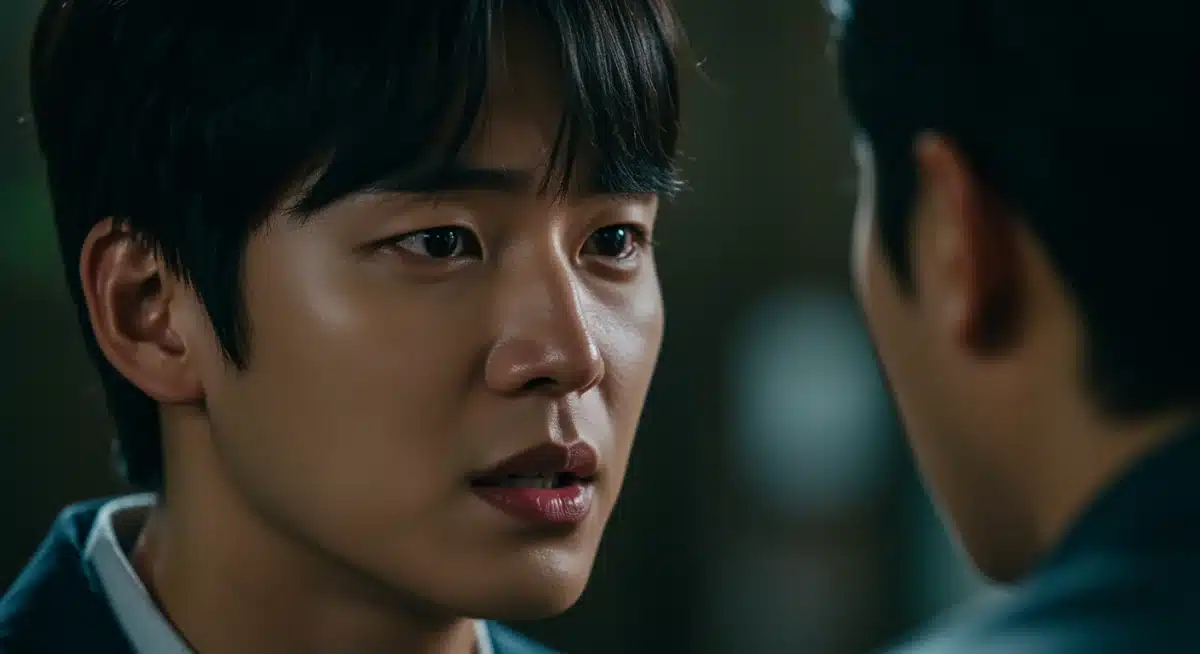
Color grading is a powerful tool in Korean drama cinematography, acting as a silent narrator that subtly influences the audience’s perception and emotional response. It’s the process of altering and enhancing the color of an image, determining the overall look and feel of a drama. This meticulous attention to color ensures that the visual aesthetics are consistent, beautiful, and deeply integrated into the storytelling.
Each drama often adopts a distinct color palette that reflects its genre, themes, and emotional arc. A romantic comedy might feature bright, warm, and inviting colors, while a darker thriller could employ desaturated tones, cool blues, and stark contrasts. This deliberate use of color helps to establish the drama’s visual identity and guide the audience’s emotional journey.
Crafting mood through hues and saturation
The choice of colors extends beyond mere aesthetics; it’s about conveying meaning. For instance, vibrant reds might symbolize passion or danger, while serene greens and blues can evoke feelings of peace, sadness, or mystery. The saturation levels are also critical; highly saturated colors can make a scene feel more intense and lively, whereas desaturated colors can create a sense of melancholy or historical distance.
- Genre-specific palettes: Historical dramas often use muted, earthy tones to reflect the past, while fantasy dramas might employ fantastical, highly stylized color schemes.
- Character association: Sometimes, specific colors are associated with particular characters or their emotional states, evolving as their journey progresses.
- Environmental enhancement: Color grading can enhance natural settings, making a sunrise appear more breathtaking or a rainy day more somber, thus amplifying the emotional context of the scene.
Furthermore, the consistency of color grading throughout a series helps in maintaining immersion. Any noticeable shifts or inconsistencies can pull the viewer out of the narrative. Therefore, colorists work closely with directors to ensure that the visual style remains cohesive, even across different locations and shooting conditions.
The sophisticated use of color grading and visual aesthetics in Korean dramas is a key factor in their ability to captivate global audiences. It transforms each episode into a visually rich experience, where every hue and shade contributes to a deeper understanding and emotional connection with the story.
The role of production design and mise-en-scène
In Korean drama cinematography, production design and mise-en-scène are not merely about creating beautiful backdrops; they are fundamental components of visual storytelling. Every prop, costume, set, and even the arrangement of objects within a frame is meticulously chosen and placed to convey narrative information, reflect character personalities, and enhance the overall thematic depth of the story.
Mise-en-scène, which encompasses everything visible within the frame, is particularly crucial. It allows directors to communicate subtle details about the characters’ lives, their social status, cultural context, and emotional states without explicit dialogue. This visual richness adds layers of meaning that viewers can unpack, making the viewing experience more engaging and rewarding.
Creating worlds through meticulous detail
The attention to detail in K-drama production design is often astonishing. From the intricate patterns on traditional Korean hanboks to the carefully selected modern furniture in a contemporary apartment, every element serves a purpose. These details can subtly inform the audience about the character’s past, their aspirations, or their current struggles.
- Set design: Elaborate and realistic sets, whether historical palaces or futuristic cityscapes, provide a believable and immersive world for the story to unfold.
- Prop usage: Everyday objects can become powerful symbols, such as a treasured heirloom representing family legacy or a specific brand of coffee hinting at a character’s routine.
- Costuming: Costumes are not just fashion; they are an extension of the characters, reflecting their growth, their emotional state, or their role within the narrative.
Moreover, the arrangement of characters and objects within the frame (composition) is a key aspect of mise-en-scène. A character positioned alone in a vast space can convey isolation, while characters grouped closely together might suggest intimacy or unity. The use of depth and layers in the composition also adds visual interest and can draw the viewer’s eye to specific elements.
The combined efforts in production design and mise-en-scène are vital for Korean drama cinematography. They create a visually coherent and meaningful world that supports the narrative, deepens character understanding, and significantly enhances the emotional impact of the storytelling, making the dramas truly captivating.
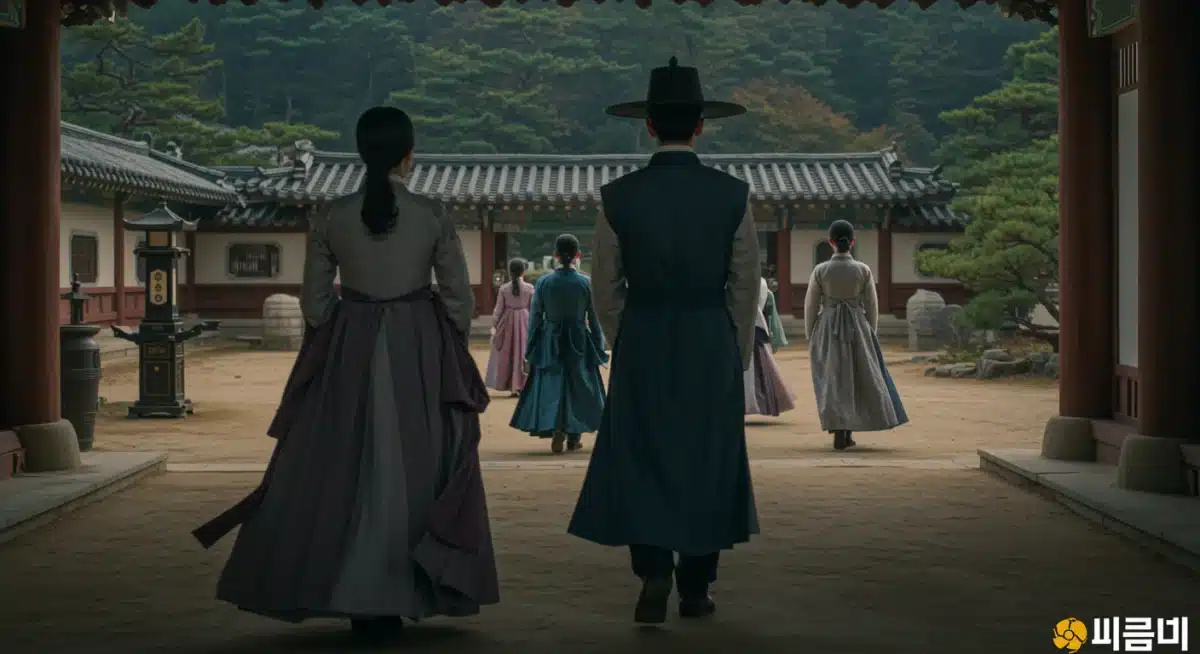
The impact of visual storytelling on global appeal
The sophisticated visual storytelling inherent in Korean drama cinematography has played a pivotal role in their burgeoning global appeal. In an increasingly visual world, K-dramas stand out by offering not just compelling narratives but also a feast for the eyes. This visual excellence transcends language barriers, allowing international audiences to connect with stories on a deeper, more intuitive level.
Visuals provide universal cues for emotion, context, and character development. A stunning landscape shot or a poignant close-up of an actor’s tear-filled eyes communicates effectively regardless of whether the viewer understands Korean. This universality of visual language is a significant factor in how Korean dramas have managed to captivate diverse audiences across continents.
Bridging cultural divides through shared aesthetics
- Universal emotional language: Cinematography conveys emotions like joy, sorrow, love, and anger in ways that are universally understood, making stories relatable even if cultural nuances differ.
- High production value: The consistently high quality of K-drama visuals, including exquisite sets, costumes, and location choices, signals professionalism and artistic integrity, attracting viewers seeking premium content.
- Trendsetting aesthetics: K-dramas often set trends in fashion, beauty, and lifestyle, with their carefully curated visual styles influencing global popular culture.
Furthermore, the aesthetic beauty of Korean dramas often acts as an initial draw for new viewers. People might be drawn in by a visually striking trailer or a captivating still image, prompting them to explore the series further. Once engaged, the consistent visual quality helps to maintain their interest and loyalty.
The global appeal is also bolstered by the intentional use of cinematography to create iconic moments that are highly shareable on social media. A beautifully composed scene, a memorable color palette, or an innovative camera shot can go viral, further increasing the drama’s reach and drawing in even more viewers. This social media buzz acts as a powerful marketing tool, driven by the visual excellence of the productions.
In essence, the impact of visual storytelling on the global appeal of Korean dramas cannot be overstated. It’s a critical element that allows these narratives to resonate deeply with a worldwide audience, fostering a shared appreciation for their unique blend of storytelling and artistic craftsmanship.
Future trends in K-drama cinematography
As technology evolves and audience expectations shift, Korean drama cinematography continues to adapt and innovate, promising even more visually stunning and immersive experiences in the future. The industry is constantly exploring new tools and techniques to push the boundaries of visual storytelling, ensuring K-dramas remain at the forefront of cinematic excellence.
One significant trend is the increasing integration of virtual production and extended reality (XR) technologies. These advancements allow filmmakers to create incredibly detailed and realistic environments without the need for extensive physical sets or on-location shooting, offering unprecedented creative freedom and efficiency. This means even more fantastical and imaginative worlds can be brought to life with stunning fidelity.
Technological advancements and narrative possibilities
- AI-powered tools: The use of artificial intelligence in post-production for tasks like color grading, visual effects, and even character animation is becoming more sophisticated, streamlining workflows and enabling more complex visual outputs.
- Advanced camera systems: Continual improvements in camera sensor technology, lens design, and stabilization systems allow for higher resolution, better low-light performance, and more dynamic camera movements, capturing images with unparalleled clarity and depth.
- Interactive and immersive experiences: While still nascent, the potential for K-dramas to incorporate elements of interactive storytelling or even virtual reality (VR) experiences is being explored, offering viewers new ways to engage with their favorite narratives.
Another trend is the growing emphasis on environmental storytelling, where the setting itself becomes a key player in the narrative. This involves not just beautiful location scouting but also the thoughtful integration of environmental elements into the visual language, reflecting themes of nature, urban decay, or futuristic societies.
Furthermore, there’s a continuous exploration of non-linear visual narratives and experimental camera work to challenge traditional storytelling conventions. This can involve abstract visual sequences, unconventional framing, or subjective camera perspectives that delve deeper into a character’s psyche, offering a more artistic and thought-provoking viewing experience.
The future of Korean drama cinematography is bright, marked by a relentless pursuit of innovation and artistic excellence. These evolving trends promise to deliver even more powerful and unforgettable visual experiences, further solidifying K-dramas’ reputation as global leaders in visual storytelling.
| Key Aspect | Description |
|---|---|
| Visual Narrative | Meticulous use of visuals to convey emotions and deepen character development. |
| Lighting and Mood | Strategic interplay of light and shadow to sculpt atmosphere and evoke emotions. |
| Camera Techniques | Innovative movements and angles for immersion and emotional emphasis. |
| Color Grading | Deliberate color palettes to reflect genre, themes, and emotional arcs. |
Frequently asked questions about K-drama cinematography
Korean drama cinematography often emphasizes aesthetic beauty, emotional depth, and symbolic imagery more overtly than many Western productions. They frequently use vibrant color palettes, slow-motion sequences for emotional impact, and innovative camera movements to visually enhance narrative and character internal states, fostering a unique immersive viewing experience.
Lighting is crucial in K-dramas for setting the mood and conveying emotion. Cinematographers expertly use natural light, especially during golden hour, for romantic or poignant scenes. Artificial lighting creates dramatic contrast, suspense, or highlights character importance, making light and shadow integral to the visual narrative and emotional resonance.
Yes, special effects, including CGI and visual effects, are increasingly common in Korean dramas, particularly in fantasy, historical, and sci-fi genres. These effects are used to create elaborate worlds, fantastical creatures, or enhance realistic settings, contributing to the high production value and immersing viewers in visually stunning narratives.
K-dramas meticulously use color grading to define the visual aesthetic and emotional tone of a series. Different color palettes are chosen to reflect genres, themes, and character arcs. For instance, warm tones for romance, cool tones for drama, and desaturated colors for historical settings, all subtly influencing the viewer’s emotional response.
The global appeal of K-drama cinematography stems from its universal visual language, high production quality, and trendsetting aesthetics. Stunning visuals transcend language barriers, conveying emotions and context effectively. This consistent excellence and artistic integrity attract diverse audiences, making K-dramas highly engaging and shareable across cultures.
Conclusion
The profound influence of Korean drama cinematography: how visual storytelling enhances the viewing experience is undeniable. It’s a field where artistic vision meets technical mastery, resulting in narratives that are not only told but felt, seen, and deeply appreciated.
From the meticulous crafting of light and shadow to the innovative use of camera movements, and the deliberate application of color grading and production design, every element works in harmony to create an immersive and emotionally resonant world for the audience.
As K-dramas continue to evolve, embracing new technologies and pushing creative boundaries, their contribution to visual storytelling will undoubtedly continue to captivate and inspire viewers worldwide, cementing their place as a global cinematic phenomenon.