K-Drama Endings: Are Happy Conclusions More Common in 2025?
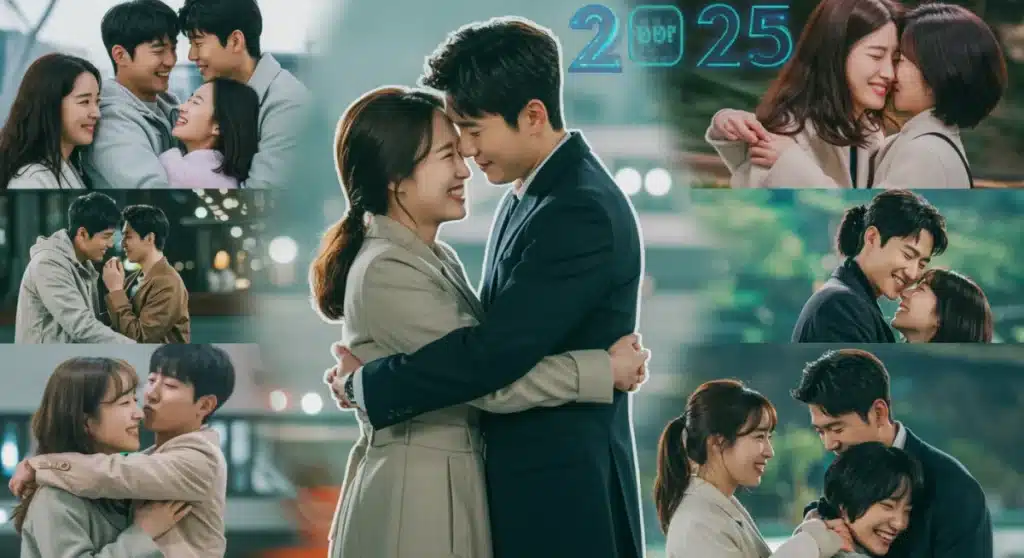
The evolution of K-drama endings suggests a notable shift towards more optimistic resolutions, with data indicating that happy conclusions are indeed becoming more common in 2025, largely influenced by global audience preferences and production strategies.
For years, K-dramas have captivated audiences worldwide with their compelling narratives, intricate character development, and often, their emotionally resonant, sometimes bittersweet, endings. However, a significant shift is underway: The Evolution of K-Drama Endings: Are Happy Conclusions Becoming More Common in 2025? This question is at the forefront of many fans’ minds as production companies and writers increasingly cater to a global audience hungry for satisfying resolutions.
Understanding the Traditional K-Drama Ending Landscape
Historically, K-dramas were renowned for their often unpredictable and sometimes melancholic conclusions. While some series delivered unequivocally happy endings, many embraced ambiguity, open interpretations, or even tragic resolutions. This approach often left viewers with a lingering sense of realism, reflecting life’s complexities rather than idealized fairy tales.
The traditional Korean storytelling ethos frequently prioritized emotional depth and character growth over simplistic ‘happily ever after’ scenarios. This artistic choice, while challenging for some viewers, was a hallmark of K-drama’s unique appeal, differentiating it from Western television. It allowed for narratives that explored deeper themes of sacrifice, loss, and the transient nature of happiness.
The Influence of Cultural Nuances
- Confucian Values: Traditional Korean culture often emphasizes duty, sacrifice, and collective well-being, which could sometimes translate into narratives where individual happiness takes a backseat for a larger purpose.
- Historical Context: Many historical K-dramas, or ‘sageuks,’ drew from real-life events filled with political intrigue and personal tragedy, making happy endings historically inaccurate or emotionally incongruous.
- Artistic Expression: Some writers and directors viewed ambiguous or sad endings as a more profound form of artistic expression, allowing for deeper contemplation and discussion among viewers.
This historical context shaped audience expectations for decades. Fans learned to brace themselves for anything, from triumphant reunions to heartbreaking partings. The emotional rollercoaster was part of the experience, fostering a loyal fanbase that appreciated the nuanced storytelling, even if it meant a tearful farewell to beloved characters.
In essence, the traditional K-drama ending was a reflection of a rich cultural tapestry and a distinct storytelling philosophy. It valued emotional complexity and a certain degree of realism, often at the expense of straightforward satisfaction. However, with the rise of global viewership, these traditions are being re-evaluated, paving the way for new narrative strategies.
The Global Rise of K-Dramas and Viewer Expectations
The past decade has seen K-dramas transcend geographical and cultural boundaries, becoming a global phenomenon. Platforms like Netflix, Viki, and other streaming services have made Korean content accessible to millions worldwide, creating a diverse and vocal international fanbase. This expansion has brought with it a new set of viewer expectations, largely influenced by Western storytelling conventions that often favor clear, positive resolutions.
International audiences, accustomed to Hollywood’s penchant for definitive happy endings, often express disappointment or even anger when a beloved K-drama concludes with ambiguity or tragedy. Social media platforms become immediate sounding boards for these reactions, with hashtags and online petitions sometimes emerging to demand alternative endings. This direct feedback loop has not gone unnoticed by Korean production companies.
The economic implications are also significant. K-dramas are now a major export, and their success hinges on appealing to a broad demographic. Satisfied viewers are more likely to recommend series, subscribe to streaming services, and engage with related merchandise, all contributing to the industry’s growth.
Therefore, aligning with global viewer preferences for happy endings can translate into greater commercial success.
Shifting Production Strategies
- Audience Surveys: Production houses are increasingly conducting surveys and analyzing viewer data to understand preferences, with a clear trend favoring positive outcomes.
- International Co-productions: Collaborations with global streaming giants often come with creative input that leans towards universally appealing narrative structures, including satisfying conclusions.
- Fan Engagement: Recognizing the power of fan communities, some dramas have even incorporated viewer feedback into their ending processes, demonstrating a responsiveness to audience desires.
This evolving landscape suggests a pragmatic approach from the K-drama industry. While maintaining their unique artistic integrity, producers are also adapting to market demands, understanding that a happy ending can be a powerful tool for global engagement and sustained popularity. The desire for escapism and optimism, particularly in challenging times, further fuels this demand for feel-good conclusions.
The global reach of K-dramas has undeniably reshaped the narrative landscape. As more international viewers tune in, their collective voice influences creative decisions, pushing the industry towards endings that resonate positively across diverse cultures. This shift is not merely a compromise but an evolution, reflecting a dynamic interplay between artistic vision and market realities.
Analyzing Current Trends: Data and Anecdotal Evidence
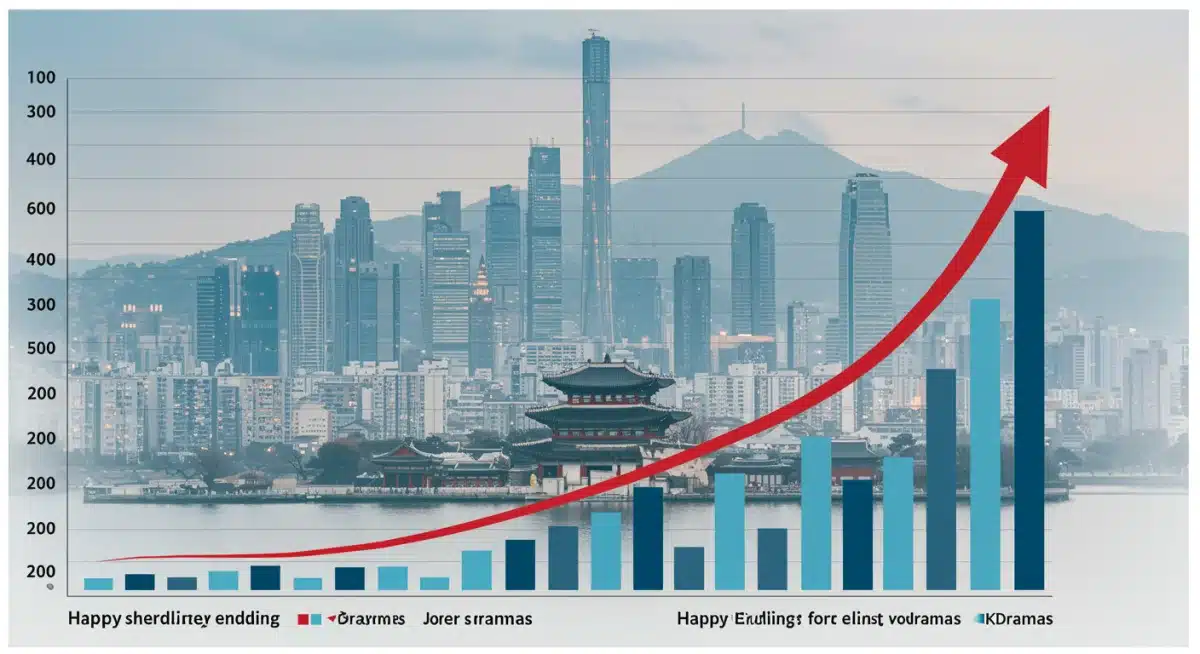
Observing the trajectory of K-drama releases over the past few years, a discernible pattern emerges: an increasing number of series are opting for unequivocally happy endings. While not every drama concludes with a perfect resolution, the proportion of bittersweet or tragic finales seems to be decreasing, especially in highly anticipated romantic comedies and fantasy genres.
Data from major streaming platforms, though often proprietary, anecdotally supports this trend. Dramas with satisfying conclusions tend to have higher completion rates and better viewer retention, leading to more favorable reviews and word-of-mouth recommendations. This feedback loop incentivizes producers to continue delivering what audiences evidently want.
Consider popular dramas from recent years. Many that garnered immense international acclaim, such as ‘Crash Landing on You’ or ‘Hometown Cha-Cha-Cha,’ featured heartwarming, definitive happy endings. These series not only broke viewership records but also left a lasting positive impression on their global fanbase, cementing the idea that a happy conclusion can be a significant factor in a drama’s overall success.
Examples of Recent Happy Endings
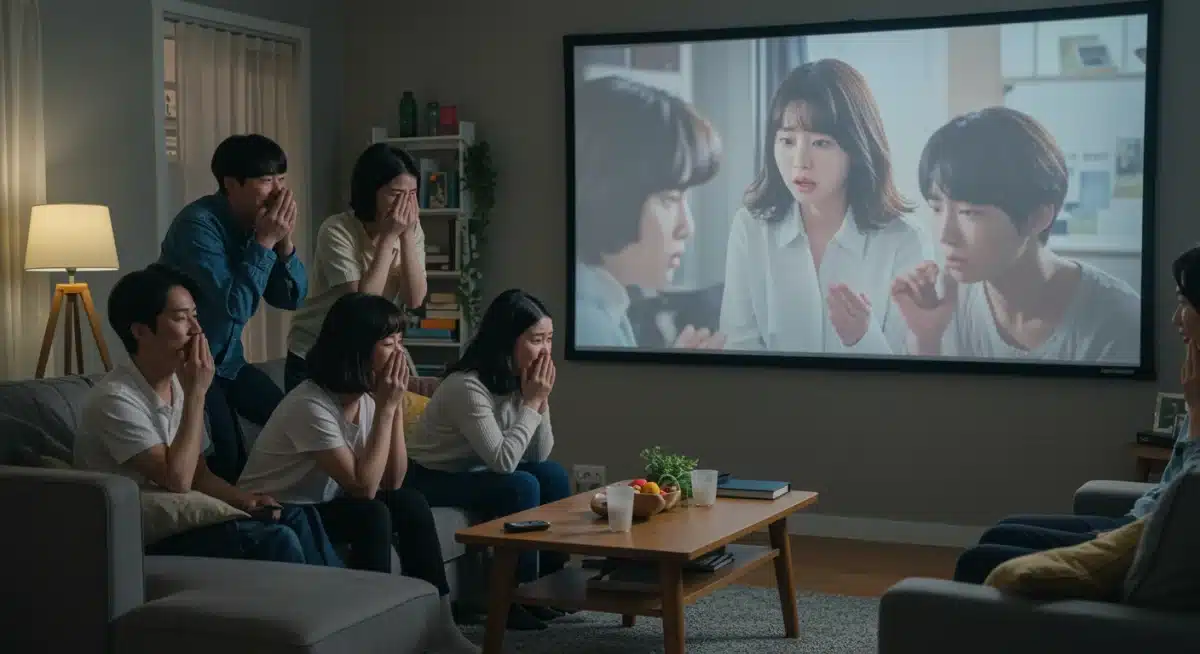
- Romantic Comedies: Genres centered on romance almost invariably lean towards happy endings, fulfilling viewer expectations for couple reconciliation and future bliss.
- Fantasy Dramas: Even with complex plots involving otherworldly elements, many fantasy K-dramas are now finding ways to craft satisfying conclusions for their protagonists, often through overcoming great obstacles.
- Healing Dramas: A growing subgenre focused on emotional healing and personal growth frequently culminates in characters finding peace and happiness, aligning with the genre’s core message.
Conversely, dramas that have dared to venture into more ambiguous or sad endings sometimes face a backlash from viewers, particularly international ones. While some critics might laud the artistic bravery, the general sentiment on social media often skews towards disappointment. This disparity highlights the growing chasm between traditional artistic inclinations and modern audience desires.
This trend is not about sacrificing artistic integrity entirely but rather about finding a balance. Writers and directors are becoming more adept at crafting narratives that explore complex themes throughout the series while still delivering a cathartic and optimistic conclusion. The challenge lies in making these happy endings feel earned and organic, rather than forced or superficial.
The Psychology Behind the Desire for Happy Endings
The human inclination towards happy endings is deeply rooted in psychology and cultural conditioning. Stories serve multiple purposes, one of which is to provide escapism and emotional gratification. After investing hours into characters’ journeys, viewers naturally seek a resolution that affirms hope, justice, and love.
In a world often fraught with real-life uncertainties and challenges, K-dramas offer a sanctuary. They provide a space where good can triumph over evil, love can conquer all, and perseverance leads to success. A happy ending reinforces these comforting narratives, offering a sense of closure and emotional upliftment that can be profoundly satisfying.
Moreover, the concept of ‘wish fulfillment’ plays a significant role. Viewers often project their own hopes and dreams onto characters, experiencing their triumphs and tribulations vicariously. When characters achieve happiness, it provides a sense of shared joy and reinforces the belief that positive outcomes are possible in their own lives. This emotional connection is a powerful driver of audience satisfaction.
The Impact of Emotional Resonance
- Catharsis: Happy endings provide emotional release, allowing viewers to process the tension and drama built throughout the series with a sense of relief and contentment.
- Optimism: They instill a feeling of optimism and hope, suggesting that struggles can be overcome and that a brighter future is attainable.
- Sense of Justice: Often, happy endings align with a sense of poetic justice, where righteous characters are rewarded and antagonists face consequences, satisfying a fundamental human desire for fairness.
The collective experience of watching a K-drama also contributes to this desire. Sharing the journey with fellow fans, discussing theories, and anticipating outcomes creates a communal bond. A happy ending often becomes a shared celebration, fostering positive memories and strengthening the community around the drama.
Ultimately, the craving for happy endings is a reflection of fundamental human desires for comfort, hope, and affirmation. K-dramas, as a form of popular entertainment, are increasingly tapping into this universal psychological need, recognizing that a well-crafted happy conclusion can leave a more lasting and positive impact on their audience.
Production Companies and Writers Adapting to Demand
Korean production companies and writers are not oblivious to these shifting tides. The industry, known for its rapid adaptation and innovation, is actively responding to the global demand for more positive conclusions. This adaptation involves a delicate balance: maintaining the artistic integrity and unique narrative style of K-dramas while also catering to broader audience preferences.
Many writers are now consciously crafting stories that allow for emotional complexity and character growth throughout the series, yet converge towards a hopeful and satisfying resolution in the final episodes. This might involve introducing new plot devices, developing character arcs that lead to redemption or success, or simply choosing to highlight the positive outcomes rather than dwelling on lingering uncertainties.
Furthermore, the pre-production phase now often includes more extensive market research and focus group testing, especially for dramas targeting international release. Feedback on potential ending scenarios can influence plot development, ensuring that the finale resonates well with the intended global audience.
Strategies for Crafting Happy Endings
- Resolution of Conflicts: Ensuring all major plotlines and character conflicts are resolved, leaving no significant loose ends.
- Character Fulfillment: Allowing main characters to achieve their personal goals, find love, or overcome their struggles in a meaningful way.
- Future Optimism: Concluding with a clear indication of a positive future for the protagonists, even if not every detail is explicitly shown.
The rise of season-based K-dramas, moving away from the traditional single-season format, also offers new opportunities for writers. If a drama is planned for multiple seasons, an ambiguous ending for one season might be acceptable, knowing that full resolution can be achieved in subsequent installments. However, for standalone series, the pressure for a definitive, happy conclusion remains strong.
This strategic shift underscores the maturity of the K-drama industry. It demonstrates a willingness to evolve and innovate, not just in terms of production quality and visual effects, but also in narrative structure and thematic resolution. The goal is to create content that is both artistically fulfilling and commercially successful on a global scale.
The Impact on K-Drama Storytelling and Future Expectations
The increasing prevalence of happy endings is undeniably reshaping K-drama storytelling. While some purists might lament the departure from more nuanced or realistic conclusions, this shift also opens up new avenues for creative expression. Writers are now challenged to craft compelling narratives that build towards a satisfying resolution without feeling contrived or simplistic.
This can lead to more intricate plot constructions where obstacles are overcome with clever solutions, character development emphasizes resilience and growth, and relationships are forged through genuine effort. The focus might shift from depicting the harsh realities of life to showcasing the triumph of the human spirit and the power of love and friendship.
Looking ahead to 2025 and beyond, we can anticipate a continued trend towards optimistic conclusions. However, this doesn’t necessarily mean a complete abandonment of darker themes or complex narratives. Instead, it suggests a refinement in how these elements are integrated, ensuring that even after a journey through adversity, characters and viewers alike can arrive at a place of contentment.
Anticipated Future Trends
- Balanced Narratives: A blend of realistic challenges and hopeful resolutions, showcasing growth through struggle.
- Diverse Happy Endings: Not just romantic happy endings, but also conclusions focused on personal achievement, family reconciliation, or societal change.
- Interactive Storytelling: Potential for even more viewer-influenced endings, though likely within carefully structured parameters.
The genre landscape itself might also evolve. We could see a rise in ‘healing’ dramas that explicitly aim to provide comfort and emotional upliftment, or an increased focus on slice-of-life stories that celebrate everyday joys. The demand for feel-good content is a significant market force that will continue to influence creative decisions.
Ultimately, the evolution of K-drama endings reflects a dynamic industry responding to a global audience. While the artistic debate between realism and idealism will always persist, the current trajectory points towards a future where happy conclusions are not just common, but often expected, shaping how stories are conceived, developed, and ultimately, concluded.
Navigating the Nuances: When a Happy Ending Isn’t Simple
While the trend towards happy endings is clear, it’s crucial to acknowledge that ‘happy’ isn’t always synonymous with ‘simple’ or ‘unearned.’ The most impactful happy endings in K-dramas are those that feel deeply earned, following a journey of significant struggle, personal growth, and poignant sacrifices. These aren’t merely tacked-on resolutions but the culmination of well-developed character arcs and intricate plotlines.
Writers are increasingly tasked with crafting finales that satisfy the audience’s desire for happiness while still maintaining narrative integrity. This often involves exploring the grey areas of morality, depicting realistic obstacles, and allowing characters to make difficult choices. The happiness achieved at the end becomes more profound because of the challenges overcome.
Consider dramas where characters battle systemic injustice, overcome severe trauma, or navigate complex social issues. A truly happy ending in these contexts isn’t just about a romantic pairing; it’s about finding justice, healing, or achieving a sense of peace and stability after profound suffering. These nuanced happy endings resonate more deeply because they reflect a more realistic path to contentment.
Moreover, the definition of a ‘happy ending’ itself is expanding. It no longer solely implies a wedding or a declaration of undying love. For some characters, happiness might come in the form of self-acceptance, finding one’s purpose, reconciling with family, or simply achieving a quiet, fulfilling life. This broader interpretation allows for greater creative freedom while still delivering viewer satisfaction.
Crafting Meaningful Resolutions
- Character-Driven Happiness: Endings where happiness is a direct result of character development and choices, not just external circumstances.
- Thematic Coherence: Resolutions that align with the overarching themes and messages explored throughout the drama.
- Lingering Hope: Even if not every single detail is perfectly resolved, the ending leaves a strong sense of hope for the characters’ futures.
The challenge for K-drama creators in 2025 will be to continue delivering these nuanced, earned happy endings. It’s about finding the sweet spot where audience desires for positivity meet the artistic ambition for meaningful storytelling. This ongoing evolution will ensure that K-dramas remain both globally appealing and critically acclaimed, offering narratives that are both comforting and thought-provoking.
Therefore, while happy conclusions are indeed becoming more common, their nature is also becoming more sophisticated. This suggests a positive trajectory for K-drama storytelling, where audience satisfaction and narrative depth can coexist harmoniously.
| Key Trend | Brief Description |
|---|---|
| Global Audience Influence | International viewer preferences are driving demand for more positive and definitive drama conclusions. |
| Production Adaptation | K-drama industry is actively incorporating market research and fan feedback into narrative development. |
| Psychological Appeal | Happy endings offer catharsis, optimism, and wish fulfillment, resonating deeply with viewers. |
| Nuanced Happiness | Modern happy endings are often earned through significant struggle, offering deeper satisfaction. |
Frequently asked questions about K-drama endings
The shift is largely due to the global expansion of K-dramas. International audiences, accustomed to Western storytelling, often prefer definitive happy resolutions. Production companies are adapting to these broader market demands and viewer feedback to ensure wider appeal and commercial success.
No, but historically, K-dramas were more prone to bittersweet, ambiguous, or even tragic conclusions compared to today. This reflected traditional Korean storytelling, which often prioritized emotional depth and realism over simple ‘happily ever after’ scenarios. It was a distinctive characteristic for many years.
Viewer preferences, especially from global audiences, significantly influence production. Feedback from social media, streaming platform data, and market research prompt production companies to tailor narratives, including endings, to meet these expectations. Satisfied viewers lead to higher engagement and recommendations.
While happy endings are becoming more common, not all K-dramas will exclusively feature them. Genres like thrillers or intense melodramas might still opt for more realistic or ambiguous conclusions. However, the overall trend points towards a higher proportion of positive resolutions, particularly in popular romance and fantasy genres.
A modern K-drama ‘happy ending’ often means a satisfying resolution for the main characters, whether it’s romantic fulfillment, personal growth, achieving dreams, or finding peace. It doesn’t always imply a perfect, problem-free future, but rather a hopeful and earned conclusion after significant struggle and development.
Conclusion
The landscape of K-drama endings is undoubtedly undergoing a significant transformation. As we move further into 2025, the data and anecdotal evidence strongly suggest that happy conclusions are indeed becoming more prevalent. This evolution is a direct response to the global phenomenon of K-dramas, with international audiences increasingly voicing their preference for satisfying, optimistic resolutions.
While the traditional K-drama ethos often embraced ambiguity or bittersweet finales, the industry is now adeptly balancing artistic integrity with market demands. This shift is not merely a concession but an exciting development, pushing writers and producers to craft narratives that deliver emotional depth throughout, culminating in a cathartic and hopeful ending.
The future of K-dramas promises stories that continue to captivate, offering both profound journeys and the comforting assurance of a well-deserved happy ever after, tailored to a worldwide audience.