Master Japanese Drama Vocabulary: 10 Essential Phrases for Fans
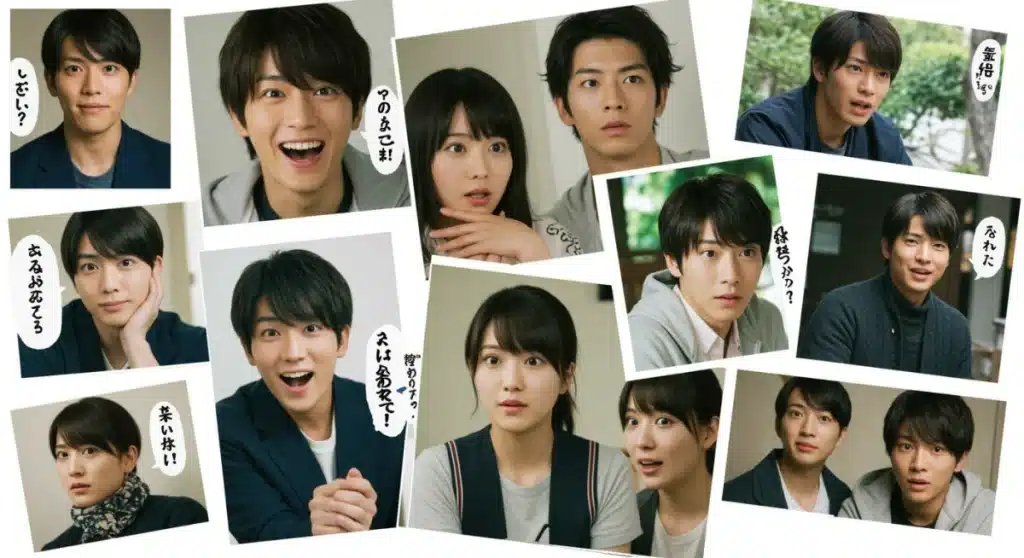
Mastering key Japanese drama vocabulary is crucial for true fans seeking a richer viewing experience, allowing for deeper connection with characters and understanding of cultural nuances within J-dramas.
Are you a devoted fan of Japanese dramas? Do you find yourself captivated by the intricate plots, compelling characters, and unique cultural insights that J-dramas offer? If so, then diving deeper into the language can truly elevate your viewing experience. Understanding essential Japanese drama vocabulary not only helps you grasp nuances that might be lost in translation but also connects you more intimately with the stories unfolding on your screen. Get ready to enhance your J-drama journey by learning these ten indispensable phrases.
Why understanding Japanese drama vocabulary matters
For many J-drama enthusiasts, subtitles are a gateway to a world of captivating storytelling. However, relying solely on subtitles can sometimes mean missing out on the full emotional impact and cultural subtleties conveyed through spoken Japanese.
A deeper understanding of Japanese drama vocabulary allows you to catch those fleeting expressions, informal greetings, and heartfelt declarations that add so much richness to a scene. It transforms passive viewing into an active, engaging experience, where you’re not just watching a story, but truly feeling it.
Beyond simply understanding the plot, knowing key phrases helps you appreciate the character development and relationships on a more profound level. Japanese language is often nuanced, with different ways of saying the same thing depending on context, social hierarchy, and emotional intensity.
Recognizing these linguistic cues can unlock layers of meaning, revealing unspoken sentiments and underlying tensions that might otherwise go unnoticed. It’s an immersion into the very fabric of Japanese communication, enhancing your overall enjoyment and cultural literacy.
Connecting with cultural nuances
- Social Dynamics: Japanese dramas often highlight intricate social hierarchies and expectations. Phrases indicating respect, humility, or familiarity are crucial for understanding character interactions.
- Emotional Depth: Direct translations might not capture the full emotional weight of certain Japanese expressions. Knowing the original intent behind words like ‘ganbatte’ or ‘gomen nasai’ can make a scene much more impactful.
- Everyday Life: Many common phrases reflect daily Japanese life, from school settings to work environments. Learning these helps paint a more authentic picture of the world the characters inhabit.
Ultimately, a grasp of Japanese drama vocabulary is about bridging the gap between translator interpretation and direct comprehension. It empowers you to become a more discerning viewer, capable of appreciating the artistic choices made in dialogue and performance. This linguistic journey isn’t just about memorizing words; it’s about unlocking a richer, more authentic connection with the stories and characters you’ve come to love. It’s an investment in your passion, making every J-drama an even more rewarding experience.
1. “Nani?” (What? / Huh?) – The universal expression of surprise
The phrase “Nani?” (なに?) is perhaps one of the most frequently heard and recognizable pieces of Japanese drama vocabulary. It’s a simple, yet incredibly versatile, interjection that conveys surprise, disbelief, or confusion. You’ll hear characters exclaim “Nani?!” when something unexpected happens, when they hear shocking news, or when they simply didn’t catch what was said. Its intonation can vary widely, ranging from a soft, questioning ‘huh?’ to a loud, incredulous ‘WHAT?!’, depending on the scene’s emotional weight.
In J-dramas, “Nani?” serves as an immediate indicator of a character’s internal state. A sharp, high-pitched “Nani?!” often precedes a dramatic reveal or a comedic plot twist. A quieter, drawn-out “Na…ni?” might signal deep confusion or a moment of dawning realization. Pay attention to how characters deliver this word; it often provides crucial insight into their immediate reaction before they articulate more complex thoughts.
Variations and context
- Simple Inquiry: Sometimes, it’s just a polite way to ask for clarification, similar to “Excuse me?” or “Could you repeat that?”
- Shock and Disbelief: Often delivered with wide eyes and a sharp intake of breath, signifying genuine shock.
- Comedic Effect: In lighter dramas, “Nani?” can be used for comedic timing, especially when a character is comically oblivious or surprised by something obvious.
Understanding “Nani?” in its various contexts is fundamental for any J-drama fan. It’s more than just a word; it’s a window into the immediate emotional landscape of the scene. Recognizing its different uses will allow you to better anticipate plot developments and empathize with the characters’ sudden shifts in understanding or emotion. It’s a foundational piece of Japanese drama vocabulary that truly enhances your connection to the on-screen action.

2. “Gomen Nasai.” (I’m sorry.) – Sincere apologies and humble acknowledgements
“Gomen Nasai” (ごめんなさい) is a cornerstone of polite Japanese communication and a phrase you’ll frequently encounter in J-dramas. While it directly translates to “I’m sorry,” its usage often extends beyond a simple apology for an offense.
It can express regret, convey empathy, or even be a humble acknowledgment of inconvenience. This piece of Japanese drama vocabulary highlights the importance of social harmony and consideration for others in Japanese culture.
The delivery of “Gomen Nasai” in a drama can speak volumes. A character might bow deeply while saying it, indicating profound remorse. A quick, mumbled “Gomen” (ごめん – a more casual version) might suggest a minor oversight or a playful apology between friends. The context and the accompanying body language are key to understanding the true weight of the apology. It’s not always about admitting fault, but often about acknowledging the other person’s feelings or situation.
Nuances of apology
- Formal Apology: “Gomen Nasai” is generally appropriate for most situations, showing a respectful level of apology. For more formal or serious apologies, you might hear “Moushiwake arimasen” (申し訳ありません).
- Casual Apology: “Gomen” is used among close friends and family for minor apologies.
- Expressing Regret/Sympathy: Sometimes, it’s used to express regret for an unfortunate situation, even if the speaker isn’t directly responsible, showing empathy.
Mastering the various forms and contexts of “Gomen Nasai” is essential for appreciating the intricate social dynamics portrayed in Japanese dramas. This phrase is a powerful tool for characters to mend relationships, express remorse, or simply show consideration. Recognizing its subtle applications will deepen your understanding of interpersonal conflicts and resolutions, making it a vital part of your Japanese drama vocabulary toolkit.
3. “Arigatou Gozaimasu.” (Thank you very much.) – Expressing gratitude
“Arigatou Gozaimasu” (ありがとうございます) is the polite and formal way to say “thank you very much” in Japanese, and it’s a phrase you’ll hear constantly in J-dramas, reflecting the high value placed on gratitude and politeness in Japanese society. This piece of Japanese drama vocabulary is not just a mere formality; it’s an expression of genuine appreciation, often accompanied by a bow or a respectful gesture, especially when receiving help or a favor.
The length and depth of the bow that accompanies “Arigatou Gozaimasu” can often indicate the level of gratitude or formality. A quick nod might suffice for a small favor, while a deep, prolonged bow signifies immense appreciation, particularly for significant help or kindness. In casual settings, among friends or family, you might hear the shorter, less formal “Arigatou” (ありがとう), which still conveys thanks but with a more relaxed tone. Recognizing these distinctions helps in understanding character relationships and their social standing.
Levels of gratitude
- Formal and Respectful: “Arigatou Gozaimasu” is suitable for elders, superiors, strangers, or for expressing significant thanks.
- Casual and Friendly: “Arigatou” is common among peers, close friends, or family members.
- Profound Gratitude: For exceptionally deep gratitude, characters might use phrases like “Hontou ni arigatou gozaimasu” (本当にありがとうございます – “Thank you very, very much”) or even shed tears, conveying overwhelming emotion.
Understanding the nuances of “Arigatou Gozaimasu” is vital for appreciating the cultural emphasis on politeness and gratitude in Japan. This phrase, and its variations, are integral to how characters interact and build relationships, both personal and professional, in the world of J-dramas. Incorporating this into your Japanese drama vocabulary will allow you to better grasp the social fabric woven into each storyline and the genuine appreciation characters hold for one another.
4. “Ganbatte!” (Do your best! / Good luck!) – Encouragement and perseverance
“Ganbatte!” (頑張って!) is an incredibly common and uplifting piece of Japanese drama vocabulary. It translates roughly to “Do your best!” or “Good luck!” but carries a much deeper cultural significance of perseverance, effort, and encouragement. You’ll hear characters say “Ganbatte!” to friends before an exam, to teammates before a big game, or to loved ones facing a personal challenge. It’s a powerful expression of support and belief in someone’s ability to overcome obstacles.
In J-dramas, “Ganbatte!” is often a pivotal moment of emotional connection. It can be a quiet whisper of encouragement, or a loud, enthusiastic shout. The way it’s delivered often reflects the relationship between the characters and the severity of the situation. It’s not just about wishing someone well; it’s about urging them to put in their utmost effort and to never give up. This phrase embodies the spirit of resilience that is frequently celebrated in Japanese storytelling.
Contexts for “Ganbatte!”
- Academic Endeavors: Before entrance exams or important presentations, friends and family will often say “Ganbatte!”
- Sports and Competitions: Athletes are frequently cheered on with “Ganbatte!” from their coaches and supporters.
- Personal Struggles: When a character is going through a tough time, this phrase offers emotional support and moral boost.
Recognizing the heartfelt intent behind “Ganbatte!” allows you to fully appreciate the moments of solidarity and determination in J-dramas. It’s a phrase that encapsulates hope and the power of human spirit, making it an indispensable part of your Japanese drama vocabulary. When you hear it, you know a character is either being challenged or is offering profound support to another, driving the narrative forward with strength and optimism.
5. “Sugoi!” (Amazing! / Incredible!) – Expressing admiration and awe
“Sugoi!” (すごい!) is a versatile and enthusiastic piece of Japanese drama vocabulary used to express admiration, amazement, or even surprise. It can translate to “amazing!”, “incredible!”, “great!”, or “wow!” You’ll hear characters exclaim “Sugoi!” when they witness something impressive, are deeply moved by an event, or are genuinely surprised by someone’s talent or achievement. It’s a common way to convey positive astonishment.
The intensity of “Sugoi!” often depends on the speaker’s tone and facial expression. A drawn-out “Su-go-i…” with wide eyes might indicate profound awe, while a quick, sharp “Sugoi!” could be a casual compliment. It’s a phrase that adds vibrancy and emotional color to many scenes, particularly when characters are celebrating successes or encountering something extraordinary. It reflects a culture that appreciates skill and effort, and readily acknowledges impressive feats.
Variations and usage
- Pure Admiration: Used when someone achieves something remarkable, like winning a competition or solving a complex problem.
- Surprise and Wonder: Can be used when encountering something unexpectedly beautiful, powerful, or unusual.
- Casual Compliment: In everyday conversation, it can be a simple way to say “That’s cool!” or “Good job!”
Understanding “Sugoi!” allows you to fully grasp moments of triumph, wonder, and genuine appreciation in J-dramas. It’s a phrase that injects energy into dialogue and highlights the characters’ reactions to significant events. Incorporating this into your Japanese drama vocabulary will help you feel the excitement and awe right along with your favorite characters, making your viewing experience more immersive and enjoyable.
6. “Mochiron.” (Of course. / Certainly.) – Affirmation and agreement
“Mochiron.” (もちろん) is a concise and confident piece of Japanese drama vocabulary that translates to “Of course” or “Certainly.” It’s used by characters to express strong agreement, provide assurance, or confirm something unequivocally. When you hear “Mochiron,” it signals that there’s no doubt or hesitation in the speaker’s mind regarding a statement or a request. It conveys a sense of obviousness or definite affirmation.
In J-dramas, “Mochiron” can be used in various situations, from confirming plans with friends to reassuring a worried loved one. It often appears when a character is asked if they can do something, or if they agree with a proposal. The tone can range from casual and friendly to firm and resolute, depending on the context. It’s a simple yet powerful word that effectively communicates certainty and commitment, helping to move conversations and plots forward with clarity.
Applications of “Mochiron”
- Confirming Plans: When asked, “Are you coming to the party?” a character might reply, “Mochiron!”
- Expressing Agreement: If someone suggests an idea and another character fully agrees, they might say “Mochiron desu” (もちろん です – a slightly more formal version).
- Giving Assurance: To calm a friend’s worries, a character might say, “Mochiron, I’ll help you.”
Recognizing “Mochiron” helps you understand moments of strong consensus, unwavering support, and definite actions in J-dramas. It’s a straightforward but essential phrase that underlines clarity and conviction in character interactions. Adding this to your Japanese drama vocabulary will enable you to better follow dialogue and grasp the certainty behind characters’ words, making their decisions and motivations clearer.
7. “Daijoubu desu ka?” (Are you okay?) – Showing concern and care
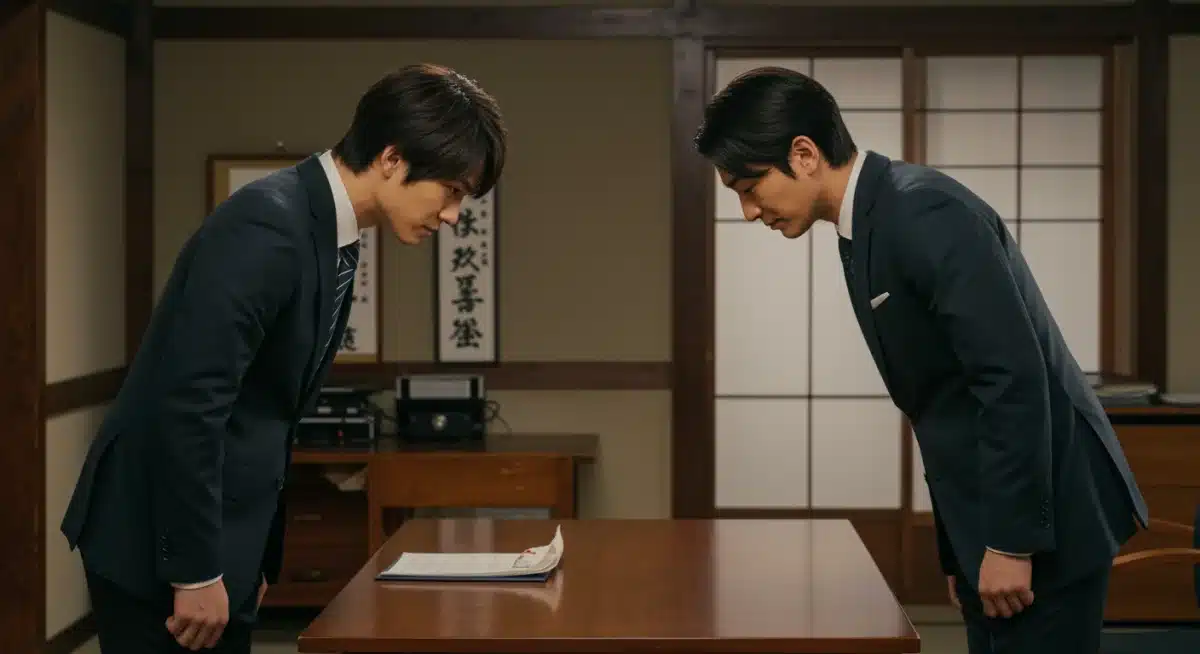
“Daijoubu desu ka?” (大丈夫ですか?) is a compassionate and frequently used piece of Japanese drama vocabulary, meaning “Are you okay?” or “Is everything alright?” This phrase is a staple in scenes where characters show concern for each other, whether after an accident, during an emotional moment, or when someone looks unwell. It signifies care, empathy, and a desire to help, embodying a fundamental aspect of interpersonal relationships in J-dramas.
The response to “Daijoubu desu ka?” is often “Daijoubu desu” (大丈夫です), meaning “I’m okay” or “It’s alright.” However, in dramas, characters sometimes lie and say they are okay when they clearly are not, adding a layer of dramatic tension. The way the question is asked—with a soft tone, a worried expression, or an urgent plea—can dramatically alter the scene’s emotional weight. It’s a simple phrase that opens the door to deeper emotional exchanges and plot developments.
Situations for “Daijoubu desu ka?”
- After an Injury: When a character falls or gets hurt, this is the immediate question asked by concerned onlookers.
- Emotional Distress: If someone is crying or looks sad, this phrase gently prompts them to open up.
- Problem Solving: In a professional setting, it can mean “Is the situation under control?” or “Are you managing?”
Understanding “Daijoubu desu ka?” and its common responses is crucial for following the emotional arcs and supportive interactions in J-dramas. It highlights moments of vulnerability and compassion, drawing viewers closer to the characters’ struggles and triumphs. Adding this to your Japanese drama vocabulary will allow you to better appreciate the sensitive and caring aspects of character relationships, making you feel more connected to their journeys.
8. “Shikata ga nai.” (It can’t be helped.) – Acceptance and resignation
“Shikata ga nai.” (仕方がない) is a profound and often melancholic piece of Japanese drama vocabulary that translates to “It can’t be helped” or “There’s nothing we can do about it.” This phrase expresses a sense of acceptance or resignation in the face of circumstances beyond one’s control. You’ll hear characters use it when confronting unavoidable difficulties, accepting fate, or acknowledging a situation that, despite their best efforts, cannot be changed. It often reflects a philosophical approach to life’s challenges.
In J-dramas, “Shikata ga nai” can be delivered with a sigh, a heavy heart, or a determined resolve to move forward despite the setback. It’s not always about giving up, but rather about acknowledging reality and letting go of futile resistance. This phrase often marks a turning point for characters, where they transition from struggling against a problem to finding a way to cope with it. It speaks to themes of endurance and adapting to life’s unpredictable nature.
When “Shikata ga nai” is used
- Unavoidable Circumstances: Facing natural disasters, irreversible past events, or systemic issues.
- Accepting Loss: Coming to terms with a death, a failed relationship, or a missed opportunity.
- Moving Forward: Sometimes, it’s uttered as a prelude to finding a new path or solution, after accepting the current limitations.
Grasping the weight of “Shikata ga nai” is essential for understanding the emotional depth and philosophical undertones in many J-dramas. It’s a phrase that encapsulates moments of profound acceptance and the human capacity to endure. By incorporating this into your Japanese drama vocabulary, you’ll gain a deeper appreciation for how characters navigate life’s inevitable challenges, revealing their inner strength and resilience.
9. “Otsukaresama deshita.” (You’ve worked hard. / Good job.) – Acknowledging effort
“Otsukaresama deshita.” (お疲れ様でした) is a unique and deeply cultural piece of Japanese drama vocabulary with no direct English equivalent. It roughly translates to “You’ve worked hard,” “Good job,” or “Thanks for your hard work.” It’s used to acknowledge and appreciate someone’s effort, whether at the end of a workday, after a performance, or following any strenuous activity. It’s a phrase that builds camaraderie and shows mutual respect, commonly heard in workplaces, schools, and social clubs in J-dramas.
In a J-drama, you’ll often hear this phrase exchanged between colleagues leaving the office, students after a long study session, or team members after a practice. It serves as a way to recognize the shared experience of effort and to express gratitude for the collective or individual contribution. It’s more than just a polite closing; it’s a gesture of understanding and appreciation for the time and energy expended, fostering a sense of unity and mutual support.
Usage in different settings
- Workplace: Employees say it to each other at the end of the day or after completing a project.
- School/Clubs: Students or club members use it after classes, club activities, or sports practice.
- Social Gatherings: Can be used after helping someone with a task or after a group event.
Understanding “Otsukaresama deshita.” is key to appreciating the subtle ways characters show respect and build relationships through shared effort in J-dramas. This phrase highlights the value placed on hard work and mutual acknowledgment in Japanese society. Adding this to your Japanese drama vocabulary will help you catch these moments of unspoken appreciation and community building, enriching your understanding of character dynamics.
10. “Suki da yo.” (I like you. / I love you.) – Expressing affection
“Suki da yo.” (好きだよ) is a tender and significant piece of Japanese drama vocabulary that translates to “I like you” or “I love you.” Unlike the English “I love you,” which is often reserved for deeply romantic contexts, “Suki da yo” can express a range of affection, from liking someone as a friend to having romantic feelings. Its usage in J-dramas is often a pivotal moment, especially in romantic storylines, where characters might struggle to confess their feelings.
The delivery of “Suki da yo” is usually charged with emotion. A shy, whispered confession can be just as powerful as a bold, heartfelt declaration. The phrase is often used when a character is revealing their true feelings for the first time, marking a significant step in a relationship. While “Aishiteru” (愛してる) more explicitly means “I love you” in a profound, romantic sense, “Suki da yo” is far more common in everyday interactions and dramas, making it a more accessible and versatile expression of affection.
Emotional weight of “Suki da yo”
- First Confession: Often marks the beginning of a romantic relationship, filled with nervousness and anticipation.
- Deep Friendship: Can be used to express profound affection for a close friend, emphasizing their importance.
- Unrequited Love: Sometimes, it’s spoken with a sense of longing or sadness, knowing the feelings might not be reciprocated.
Grasping the nuances of “Suki da yo” is essential for following the romantic and emotional developments in J-dramas. It’s a phrase that carries significant emotional weight, often signaling a turning point in character relationships. By adding this to your Japanese drama vocabulary, you’ll be able to fully appreciate the heartfelt confessions, budding romances, and deep bonds that make J-dramas so emotionally compelling.
| Key Phrase | Meaning & Usage |
|---|---|
| Nani? | “What? / Huh?” – Expresses surprise, confusion, or disbelief. |
| Gomen Nasai. | “I’m sorry.” – Used for apologies, regret, or humble acknowledgement. |
| Ganbatte! | “Do your best! / Good luck!” – An encouraging phrase for perseverance. |
| Suki da yo. | “I like you. / I love you.” – Expresses affection, from friendship to romance. |
Frequently asked questions about Japanese drama vocabulary
Learning Japanese drama vocabulary enhances your viewing experience by allowing you to grasp cultural nuances, emotional depth, and subtle meanings often lost in translation. It fosters a deeper connection with characters and storylines, making your engagement with the drama more immersive and rewarding.
“Gomen Nasai” is a polite and generally formal way to say “I’m sorry,” suitable for most situations. “Gomen” is a more casual version, typically used among close friends or family for minor apologies. The choice depends on the relationship and the severity of the situation.
Yes, “Suki da yo” is versatile and can express various levels of affection, from liking someone as a friend to having romantic feelings. The specific meaning often depends on the context, the speaker’s tone, and their relationship with the person addressed, making it a nuanced phrase.
“Ganbatte!” is a powerful phrase of encouragement, urging characters to do their best and persevere. It highlights themes of resilience and mutual support, often appearing at pivotal moments where characters face challenges, inspiring them to overcome obstacles and pursue their goals.
“Otsukaresama deshita” acknowledges and appreciates someone’s hard work and effort. It’s a phrase that fosters camaraderie and mutual respect, signifying an understanding of shared experiences and contributions. It’s a unique cultural expression of gratitude for effort, not just results.
Conclusion
Embarking on the journey of learning essential Japanese drama vocabulary is more than just memorizing phrases; it’s about unlocking a richer, more authentic connection with the captivating world of J-dramas. Each word and expression serves as a window into the characters’ hearts, the cultural fabric of Japan, and the intricate storytelling that defines this beloved genre.
By understanding these ten indispensable phrases, you empower yourself to move beyond mere subtitles, experiencing the full emotional spectrum and nuanced interactions that make Japanese dramas so uniquely compelling. Continue to listen, learn, and immerse yourself, and your appreciation for J-dramas will undoubtedly reach new, profound depths.