Japanese Drama Tourism: Filming Locations in 2026
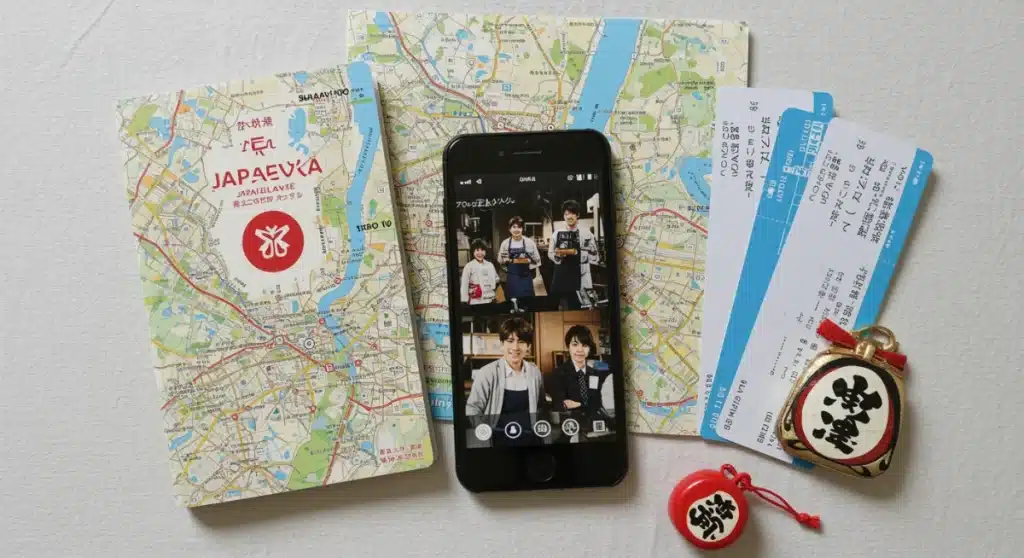
Japanese Drama Tourism in 2026 offers fans a unique opportunity to visit iconic filming locations, immersing themselves in the narratives and breathtaking scenery that define their favorite J-dramas, creating unforgettable travel experiences.
Embarking on a trip focused on Japanese Drama Tourism is more than just a vacation; it is an immersive journey into the heart of your favorite stories. Imagine standing exactly where a pivotal scene unfolded, or strolling through the very streets that brought beloved characters to life. This guide will help you plan an unforgettable adventure to Japanese drama filming locations in 2026, combining cultural exploration with your passion for J-dramas.
Understanding the Allure of J-Drama Filming Locations
The appeal of visiting J-drama filming locations extends beyond simple sightseeing. It is about connecting with the narratives on a deeper, more personal level. Fans often feel a profound emotional resonance when they encounter the physical spaces that shaped their favorite stories. This unique form of tourism allows for a blend of cultural immersion and fan engagement, offering a richer travel experience than conventional tourism.
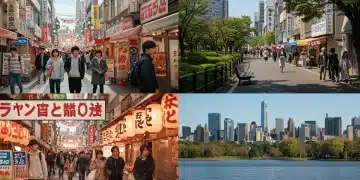
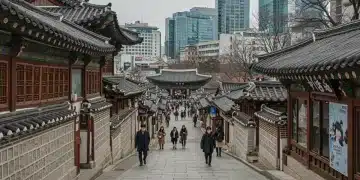
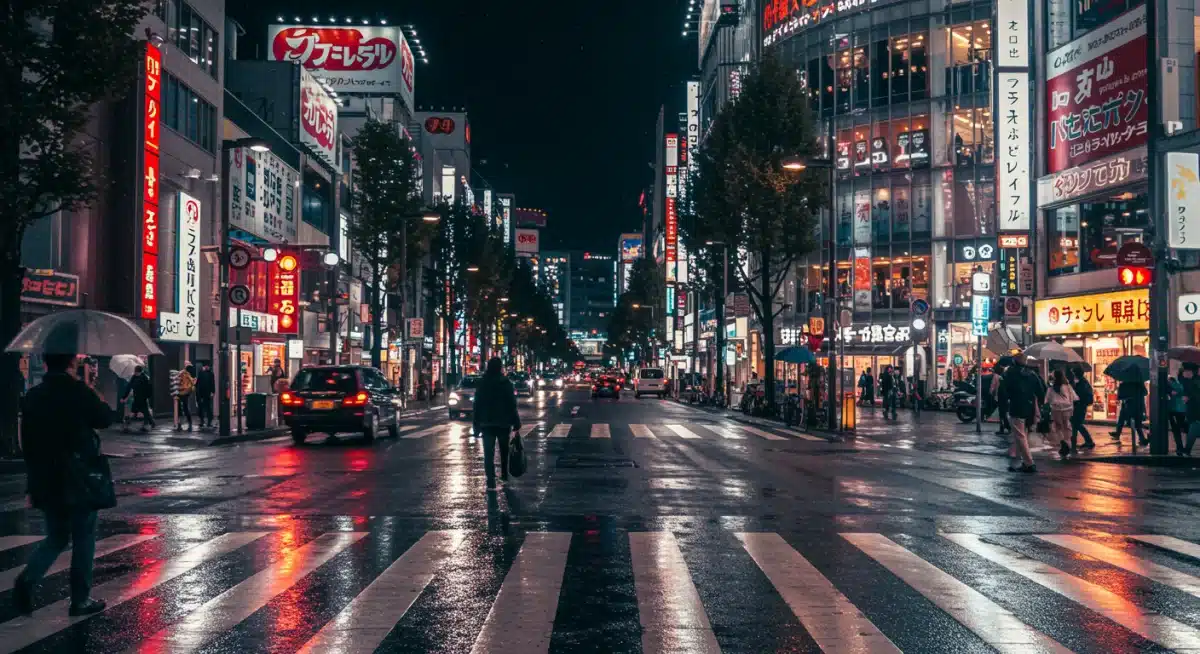
Many popular Japanese dramas meticulously choose their settings to enhance the storytelling, turning ordinary locales into memorable backdrops. From the bustling streets of Shibuya to the serene temples of Kyoto, each location plays a crucial role in building the drama’s atmosphere. Experiencing these places firsthand can deepen appreciation for both the drama and Japanese culture itself.
The Emotional Connection to Settings
For many, the emotional connection to a drama’s setting is akin to visiting a historical landmark. These aren’t just random places; they are imbued with the feelings, conflicts, and triumphs of the characters. Walking through a park where a romantic confession took place or visiting a café where friends shared laughter can evoke powerful memories of the drama, making the experience incredibly moving.
- Reliving Key Scenes: Fans can recreate iconic moments, taking photos or simply reflecting on the scene.
- Deeper Story Appreciation: Understanding the real-world context of a setting enriches the viewing experience upon re-watching.
- Sense of Belonging: Connecting with other fans who share the same passion at these locations fosters a sense of community.
This deep connection transforms passive viewing into active participation, turning a trip into a pilgrimage for dedicated fans. The anticipation of seeing these places in person builds excitement long before the journey even begins, making the planning process an integral part of the adventure.
Researching and Identifying Key Filming Locations for 2026
Planning your Japanese Drama Tourism trip for 2026 requires thorough research to identify the most relevant and accessible filming locations. With new dramas constantly being released and gaining popularity, staying updated is key. Start by listing your favorite J-dramas and then delve into their production details.
Official drama websites, fan wikis, and dedicated J-drama fan communities are excellent resources for pinpointing specific locations. Sometimes, production companies release location guides, or fans compile detailed lists. It’s also beneficial to look at dramas that are currently airing or are slated for release closer to 2026, as these might feature more contemporary or trending spots.
Utilizing Online Resources and Fan Communities
The internet is your best friend when it comes to location scouting. Websites like IMDb, MyDramaList, and various J-drama blogs often provide filming location details. Social media platforms, especially Instagram and X (formerly Twitter), can also be treasure troves of information, with fans posting photos and tagging locations.
- Official Drama Sites: Often contain sections dedicated to filming locations or behind-the-scenes content.
- Fan Forums & Blogs: These are invaluable for user-generated content, including detailed guides and tips from fellow fans.
- Location Scouting Apps: Some apps are specifically designed for film tourism, though J-drama specific ones might be less common.
When researching, pay attention to the exact address or coordinates if available, and cross-reference information from multiple sources to ensure accuracy. Locations can sometimes be private residences or businesses, so always be respectful and check accessibility before planning a visit.
Crafting Your Itinerary: Balancing Drama with Culture
A successful Japanese Drama Tourism itinerary for 2026 harmonizes your passion for J-dramas with a broader appreciation for Japan’s rich culture. While visiting filming locations is the primary goal, neglecting other cultural experiences would be a missed opportunity. Japan offers an incredible array of historical sites, culinary delights, and vibrant festivals.
Consider grouping filming locations by geographical area to minimize travel time. For instance, if several dramas were filmed in Tokyo’s Shinjuku district, plan to visit them all on the same day. Interweave these drama-centric days with visits to traditional gardens, museums, or local markets to gain a more comprehensive understanding of Japan.
Strategic Location Grouping
Efficient planning involves clustering locations. Tokyo, for example, is a hub for many modern dramas, with specific districts like Shibuya, Shinjuku, and Harajuku frequently appearing. Kyoto and Nara are often chosen for historical dramas due to their ancient temples and traditional landscapes. Organizing your itinerary geographically saves time and makes travel more manageable.
- Tokyo Hub: Focus on urban dramas, modern settings, and iconic cityscapes.
- Kansai Region (Kyoto, Osaka, Nara): Ideal for historical dramas, cultural experiences, and traditional architecture.
- Regional Gems: Explore less-visited prefectures for unique natural beauty or specific drama settings.
Remember to factor in travel time between locations, especially if you’re using public transportation. Japan’s train system is efficient, but transfers and walking times can add up. Building in buffer time will prevent your schedule from feeling rushed and allow for spontaneous discoveries.
Transportation and Accommodation Logistics
Navigating Japan for your Japanese Drama Tourism adventure in 2026 requires careful consideration of transportation and accommodation. Japan’s public transport system is renowned for its efficiency and punctuality, making it the ideal choice for exploring both major cities and more remote filming locations.
The Japan Rail Pass can be a cost-effective option if you plan to travel extensively between different regions. Within cities, subway and bus networks are comprehensive. For accommodation, consider staying in areas with good access to public transport, especially near train stations, to minimize daily commuting hassles.
Efficient Travel within Japan
Japan’s railway system, particularly the Shinkansen (bullet train), connects major cities rapidly. For local travel, city subways and buses are excellent. Purchase an IC card (like Suica or Pasmo) for seamless travel on most public transport systems across the country, as it eliminates the need to buy individual tickets.
- Japan Rail Pass: Evaluate if this pass is economical based on your itinerary’s length and travel distances.
- IC Cards: Essential for convenient local travel; load money and tap to ride.
- Local Buses: Often necessary for reaching more secluded filming locations not served by trains.
When booking accommodation, research neighborhoods that are not only convenient for your filming location visits but also offer a good range of dining and entertainment options. Hotels near major train stations often provide easy access to multiple lines and are usually well-connected to airports.
Cultural Etiquette and Responsible Tourism at Filming Sites
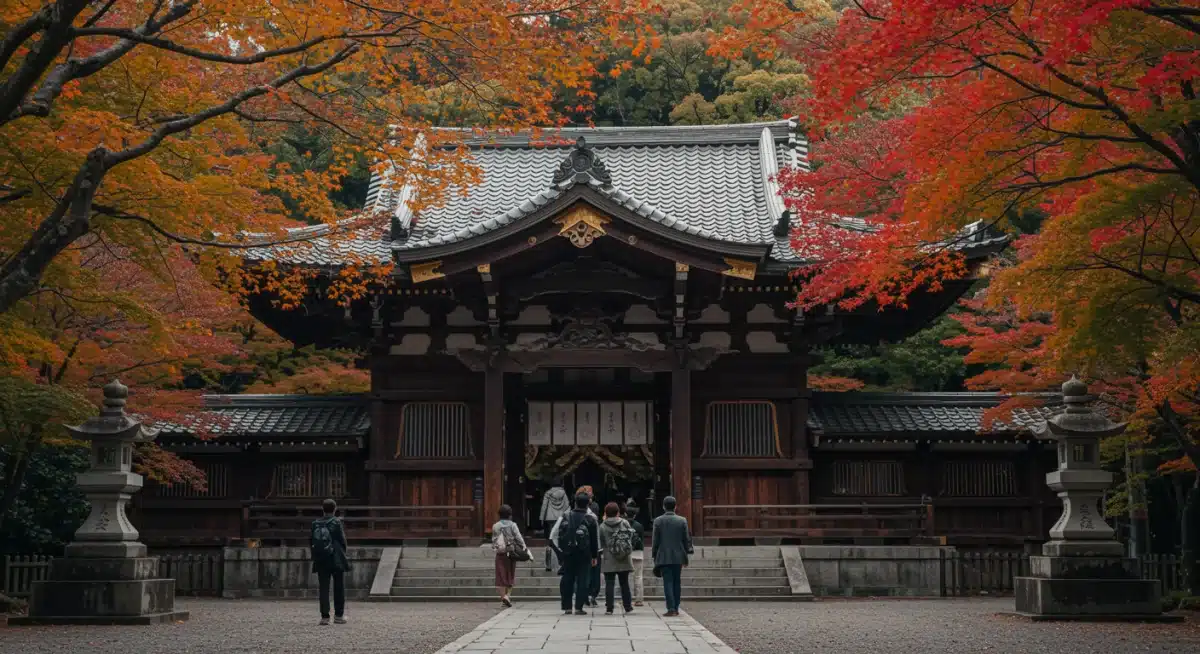
As you embark on your Japanese Drama Tourism journey in 2026, understanding and respecting local customs and etiquette is paramount. Japan is a country with a rich cultural heritage, and showing respect for its traditions and people will significantly enhance your experience and ensure you are a responsible traveler. Many filming locations might be active businesses, residential areas, or sacred sites.
Always be mindful of noise levels, especially in quiet neighborhoods or temples. Ask for permission before taking photos of people, and be discreet when photographing private properties. Remember that while you are on vacation, these are people’s homes and workplaces, so conduct yourself with consideration and politeness.
Key Etiquette Guidelines for Visitors
Observing local etiquette is not just about avoiding offense; it’s about showing appreciation for the culture you are experiencing. Simple gestures like bowing, using polite language, and following rules regarding photography can make a big difference in how you are perceived.
- Respect Private Property: Do not trespass or disturb residents when visiting locations that are private homes or businesses.
- Photography Rules: Always check for ‘no photography’ signs, especially in temples, shrines, and certain museums. Ask permission if unsure.
- Noise Levels: Keep your voice down, particularly in residential areas, public transport, and sacred sites.
- Littering: Japan is incredibly clean; always dispose of your trash properly in designated bins or carry it with you until you find one.
Being a respectful tourist not only benefits the local community but also ensures that these beautiful and significant locations remain accessible for future visitors and fans. Your actions contribute to the overall perception of international tourists.
Beyond Filming Locations: Immersive J-Drama Experiences
While visiting filming locations is a core component of Japanese Drama Tourism, your 2026 trip can be enriched by incorporating other immersive J-drama related experiences. This allows you to delve even deeper into the world of Japanese entertainment and culture, creating a more comprehensive and memorable journey.
Consider attending J-drama fan events, visiting themed cafes, or even exploring stores that sell merchandise related to your favorite shows. These activities provide additional layers of engagement, connecting you with other fans and offering unique souvenirs to cherish long after your trip concludes.
Engaging with J-Drama Culture
Japan offers numerous opportunities to engage with J-drama culture beyond just seeing where scenes were shot. Keep an eye out for special exhibitions, pop-up stores, or limited-time cafes that often emerge around popular drama releases. These can be fantastic ways to experience the current trends in Japanese entertainment.
- Themed Cafes: Many popular dramas or anime often collaborate with cafes to offer special menus and decor.
- Merchandise Stores: Visit stores like Animate, Mandarake, or specialty shops for drama-related goods.
- Fan Events: Check local event listings for potential meet-and-greets, screenings, or conventions.
Exploring these avenues provides a more holistic experience, allowing you to not only see the physical settings but also to taste, touch, and participate in the vibrant fan culture that surrounds Japanese dramas. It’s an opportunity to bring the drama to life in multiple dimensions.
Practical Tips for a Smooth 2026 J-Drama Trip
Ensuring your Japanese Drama Tourism trip in 2026 runs smoothly involves some essential practical preparations. From managing your finances to staying connected, a little foresight can prevent common travel headaches and allow you to fully enjoy your J-drama adventure. Japan is a technologically advanced country, but some things still operate on traditional systems.
Remember to check visa requirements well in advance, especially with evolving global travel regulations. Secure travel insurance, and inform your bank of your travel plans to avoid issues with credit card usage. Learning a few basic Japanese phrases can also significantly enhance your interactions and navigation.
Essential Pre-Trip Preparations
Before you even pack your bags, there are several crucial steps to take. These preparations will lay the groundwork for a stress-free and enjoyable trip, allowing you to focus on the excitement of visiting your favorite drama locations.
- Connectivity: Rent a portable Wi-Fi device or purchase a local SIM card upon arrival to stay connected.
- Cash vs. Card: While cards are accepted in many places, cash is still preferred in smaller establishments and for some public transport.
- Language Basics: Learn essential phrases like ‘hello,’ ‘thank you,’ ‘excuse me,’ and ‘where is…’ to facilitate communication.
Packing appropriate clothing for the season, bringing comfortable walking shoes, and having a portable power bank for your devices are also highly recommended. Being well-prepared means you can adapt to various situations and make the most of every moment of your journey.
| Key Point | Brief Description |
|---|---|
| Research Locations | Identify specific J-drama filming sites using fan wikis and official sources for 2026. |
| Itinerary Planning | Group locations geographically and balance drama visits with cultural experiences. |
| Transportation | Utilize Japan Rail Pass or IC cards for efficient travel across cities and regions. |
| Cultural Respect | Observe local etiquette, especially at private properties and sacred sites. |
Frequently Asked Questions About J-Drama Tourism
Start by checking official drama websites, fan wikis, and J-drama fan communities online. Many dedicated blogs and forums compile detailed lists and maps of filming spots. Cross-reference information from multiple sources for accuracy and recent updates.
Costs vary widely depending on your travel style and duration. Japan can be expensive, but budgeting carefully for flights, accommodation, and transportation like the Japan Rail Pass can help. Eating at local eateries and utilizing public transport are cost-effective choices.
Spring (cherry blossoms) and autumn (fall foliage) offer beautiful scenery, often featured in dramas, and pleasant weather. However, these are peak tourist seasons. Consider early summer or late autumn for fewer crowds and good weather for exploring.
Always respect private property, keep noise levels down, and follow photography rules. Remember that many locations are active businesses or residential areas. Showing politeness and observing local customs like bowing will be greatly appreciated.
While not strictly necessary, learning basic Japanese phrases significantly enhances your experience. Many Japanese people appreciate the effort, and it can aid in navigation and ordering food. Google Translate and similar apps are also very helpful.
Conclusion
Planning your Japanese Drama Tourism trip to filming locations in 2026 promises an enriching and deeply personal travel experience. By meticulously researching locations, strategically crafting your itinerary, and embracing both the drama-specific sites and broader Japanese culture, you can create a journey that resonates long after you return home. Remember to travel responsibly, respect local customs, and fully immerse yourself in the magic of Japan, bringing your favorite J-dramas to life in an unforgettable way.