Japanese Drama Genres 2026: Evolution & Trends
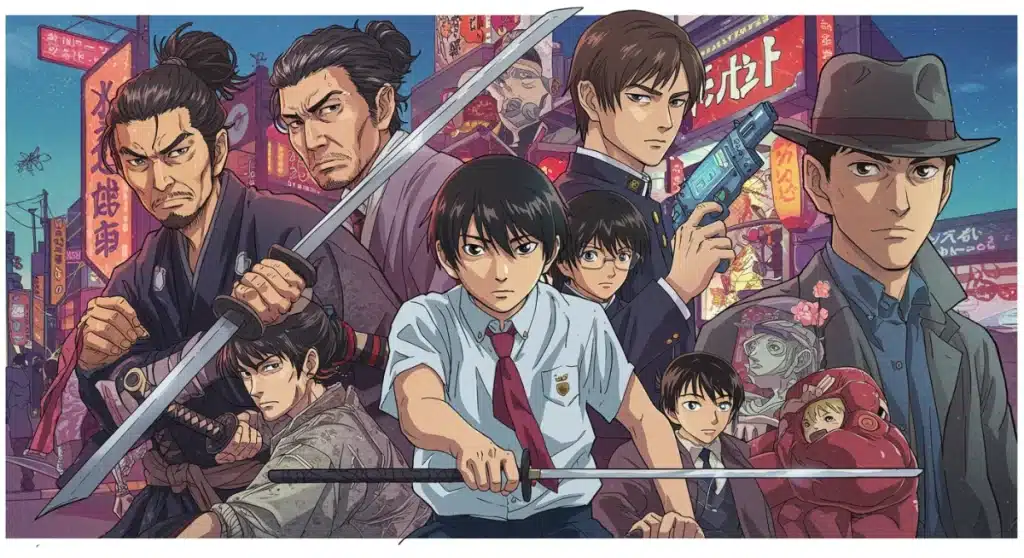
The evolution of Japanese drama genres continues to captivate audiences worldwide, with 2026 highlighting a significant trend towards innovative storytelling and genre-bending narratives that redefine traditional categories.
Are you ready to explore the captivating world of Japanese dramas? The landscape of japanese drama genres is in constant flux, continuously reinventing itself to reflect societal shifts and technological advancements. As we look towards 2026, the trends are clear: innovation, diversity, and a profound engagement with global themes are shaping the future of j-dramas, promising an exciting viewing experience for both long-time fans and newcomers alike.
The enduring appeal of traditional genres
Japanese dramas have always held a unique place in global entertainment, celebrated for their distinct storytelling, emotional depth, and cultural nuances. Even as new trends emerge, the foundational genres continue to thrive, adapting to modern sensibilities while retaining their core essence. These traditional forms provide a comforting familiarity for audiences, often serving as a gateway for new viewers to discover the rich tapestry of Japanese storytelling.
The enduring appeal lies in their ability to explore universal human experiences through a distinctly Japanese lens. Whether it’s the struggles of young love, the complexities of family dynamics, or the pursuit of justice, these narratives resonate deeply, transcending cultural barriers. Many contemporary dramas still draw heavily from these established frameworks, infusing them with fresh perspectives and updated themes relevant to today’s society.
Reimagining romantic comedies (ren’ai)
Romantic comedies, or ren’ai dramas, remain a cornerstone of Japanese television. In 2026, we are seeing a fascinating evolution where classic tropes are being subverted or given a modern twist. The focus often shifts from simple boy-meets-girl scenarios to more intricate explorations of relationships, identity, and personal growth within a romantic context.
- Realistic relationship dynamics: Moving beyond idealistic portrayals to show the practical challenges and emotional work involved in modern relationships.
- Diverse representation: Expanding beyond heteronormative narratives to include LGBTQ+ relationships and protagonists from varied backgrounds.
- Focus on personal development: Romance often serves as a catalyst for characters to discover themselves, pursue their dreams, or overcome personal obstacles.
These reimagined romantic comedies maintain their lighthearted charm but offer a more profound and relatable viewing experience, making them particularly appealing to a generation that values authenticity and personal connection.
The continued strength of family dramas (kazoku-mono)
Family dramas, or kazoku-mono, delve into the intricate relationships within Japanese households, often exploring themes of duty, sacrifice, and the changing definition of family. In 2026, these dramas are tackling contemporary issues such as aging populations, blended families, and the impact of technology on familial bonds.
They provide a mirror to societal changes, offering comfort and understanding to viewers grappling with similar situations. The emotional resonance of these stories is undeniable, making them a consistent favorite across demographics. The strength of these dramas lies in their ability to portray complex emotional landscapes with sensitivity and depth.
The traditional genres of Japanese drama demonstrate remarkable resilience and adaptability. While maintaining their core characteristics, they continuously evolve to reflect and engage with contemporary issues, ensuring their continued relevance and popularity in 2026 and beyond. This blend of tradition and innovation is a hallmark of the Japanese entertainment industry.
Emerging trends: genre-bending narratives
The most exciting development in Japanese dramas for 2026 is the proliferation of genre-bending narratives. Creators are increasingly unafraid to mix elements from disparate genres, resulting in fresh, unpredictable, and highly engaging stories that defy easy categorization. This trend reflects a global desire for more complex and nuanced storytelling, moving away from rigid genre conventions.
This experimental approach not only keeps audiences on their toes but also allows for a richer exploration of themes and character development. By blending genres, writers can tackle multifaceted issues from various angles, creating a more holistic and immersive experience. The boundaries between comedy, drama, mystery, and fantasy are becoming increasingly blurred, leading to truly innovative productions.
Psychological thrillers with a social commentary edge
Psychological thrillers have seen a significant surge, often intertwined with sharp social commentary. These dramas explore the darker aspects of human nature, societal pressures, and ethical dilemmas, frequently using suspense and mystery to highlight underlying social issues. They often leave viewers pondering complex moral questions long after the credits roll.
- Exploration of mental health: Addressing topics like anxiety, depression, and trauma with increasing sensitivity and realism.
- Critique of modern society: Examining issues such as corporate greed, digital surveillance, and the pressures of conformity.
- Unreliable narrators: Employing narrative techniques that challenge the audience’s perception of truth and reality.
These dramas are not just about thrills; they are about provoking thought and encouraging viewers to look critically at the world around them. Their popularity signifies a mature audience seeking more than just escapism.
Sci-fi and fantasy infused with slice-of-life elements
Another prominent trend is the fusion of science fiction or fantasy with slice-of-life elements. This creates narratives where extraordinary circumstances meet everyday realities, often leading to poignant and thought-provoking stories. Imagine a protagonist with superpowers dealing with mundane office life, or a time-traveler struggling with social anxiety.
This blend allows for a unique exploration of the human condition within fantastical settings. It grounds the speculative elements in relatable experiences, making the extraordinary feel accessible and emotionally resonant. These dramas often use their fantastical premises to explore themes of belonging, identity, and the search for meaning in a complex world.
Genre-bending is not just a passing fad but a significant evolution in Japanese drama. It allows for greater creative freedom and the ability to produce stories that are both entertaining and intellectually stimulating. This innovative approach is defining the landscape of j-dramas in 2026, pushing the boundaries of traditional storytelling.
Technological integration and immersive experiences
The advancement of technology is profoundly impacting how Japanese dramas are produced and consumed. In 2026, we are witnessing a greater integration of cutting-edge visual effects, interactive storytelling, and new distribution platforms, all contributing to more immersive and engaging viewing experiences. These technological leaps are not just cosmetic; they are fundamentally changing the narrative possibilities.
From stunning CGI that brings fantastical worlds to life to virtual reality components that allow viewers to step into the story, technology is opening up new frontiers for drama creators. This focus on immersion caters to a tech-savvy audience that expects high production values and innovative ways to engage with content. The collaborative efforts between tech companies and production studios are truly exciting.
Advanced visual effects and CGI
Japanese dramas are increasingly utilizing advanced visual effects and CGI to create breathtaking worlds and realistic fantastical creatures. This allows for grander scales and more ambitious storytelling, particularly in sci-fi, fantasy, and historical dramas. The quality of these effects is now on par with major international productions, elevating the overall viewing experience.
The seamless integration of CGI means that limitations imposed by practical effects are diminishing, giving creators more freedom to realize their visions. This results in visually rich narratives that can transport audiences to entirely new dimensions or accurately recreate historical periods with incredible detail.
Interactive storytelling and AR/VR elements
A burgeoning trend in 2026 is the experimentation with interactive storytelling and augmented/virtual reality (AR/VR) elements. While still in its nascent stages, some dramas are exploring ways to allow viewers to influence plot points or experience scenes from different perspectives. This level of engagement transforms passive viewing into an active participation.
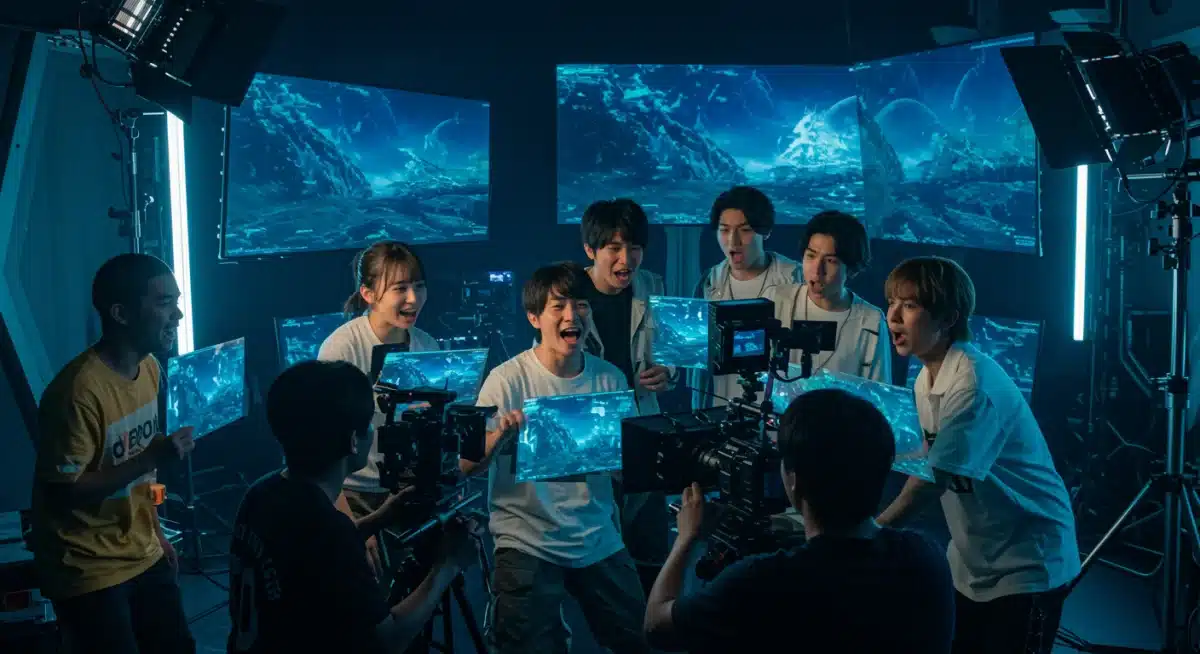
- Choose-your-own-adventure narratives: Limited but significant choices offered to viewers that alter the story’s progression.
- Companion AR apps: Enhancing the viewing experience with additional content, character backstories, or interactive elements through mobile devices.
- VR experiences: Short, immersive VR segments that place viewers directly within key moments of the drama.
These innovative approaches aim to deepen the connection between the audience and the narrative, offering a personalized and memorable experience. The potential for these technologies to reshape drama consumption is immense.
Technological integration is not merely about spectacle; it’s about expanding the creative canvas for Japanese drama. By embracing advanced visual effects and exploring interactive elements, creators are delivering more immersive and engaging stories that resonate with modern audiences, setting new benchmarks for dramatic storytelling in 2026.
The rise of global themes and cultural exchange
Japanese dramas in 2026 are increasingly reflecting a globalized world, addressing universal themes that resonate with audiences far beyond Japan’s borders. This shift is driven by increased international co-productions, the influence of streaming platforms, and a growing desire to tell stories that bridge cultural divides. The focus on cultural exchange enriches narratives and promotes a broader understanding.
This global perspective allows for a deeper exploration of shared human experiences, fostering empathy and connection among diverse viewers. Themes such as environmental concerns, digital ethics, and cross-cultural relationships are becoming more prevalent, highlighting a conscious effort by creators to engage with contemporary global dialogues.
International co-productions and diverse casts
Co-productions with international studios are becoming more common, leading to dramas with diverse casts and crews. This collaborative approach brings together different storytelling traditions and perspectives, resulting in richer, more multifaceted narratives. These productions often feature dialogue in multiple languages, further broadening their appeal.
The inclusion of non-Japanese actors and storylines set in various international locations helps to break down geographical barriers, making the dramas accessible and relatable to a wider audience. This fusion of talents and cultures is creating a new wave of j-dramas that feel both authentically Japanese and universally relevant.
Addressing universal societal issues
Beyond cultural exchange, many dramas are now directly tackling universal societal issues that affect people worldwide. From climate change and technological ethics to mental health and economic inequality, Japanese dramas are using their platform to initiate important conversations. These narratives often blend entertainment with a sense of social responsibility.
By framing these complex issues within compelling dramatic plots, creators make them accessible and relatable, encouraging viewers to reflect on their own societies. This thoughtful approach distinguishes many current Japanese dramas, positioning them as significant cultural commentaries rather than mere entertainment.
The increasing focus on global themes and cultural exchange signifies a maturation of Japanese drama. It reflects a growing awareness of an interconnected world and a desire to contribute to global conversations through powerful storytelling. This outward-looking approach ensures that Japanese dramas remain relevant and impactful on the international stage in 2026.
Niche genres gaining mainstream traction
While traditional and genre-bending narratives dominate, 2026 also sees several niche genres breaking into the mainstream. These previously cult or underground categories are finding wider audiences, thanks to innovative storytelling, strong character development, and the power of streaming platforms to connect specialized content with interested viewers globally. This demonstrates a growing appetite for diverse and unconventional narratives.
The rise of these niche genres reflects a fragmentation of audience tastes and a desire for content that caters to specific interests. Streaming services, with their vast libraries and personalized recommendation algorithms, play a crucial role in bringing these hidden gems to the forefront. This accessibility allows unique stories to find their dedicated fanbases.
Medical dramas (iryo-mono) with ethical dilemmas
Medical dramas, or iryo-mono, have always been popular, but in 2026, they are increasingly focusing on complex ethical dilemmas rather than just life-saving procedures. These dramas explore the moral ambiguities faced by medical professionals, the challenges of healthcare systems, and the difficult choices patients and their families must make.
- Bioethical debates: Tackling controversial topics like genetic engineering, artificial intelligence in medicine, and end-of-life care.
- Systemic critiques: Highlighting flaws and pressures within healthcare institutions.
- Patient-centric storytelling: Emphasizing the human cost and emotional impact of medical decisions on individuals.
This deeper dive into the ethical landscape of medicine resonates with audiences who appreciate thought-provoking narratives that go beyond mere procedural elements. The human drama within these medical settings is particularly compelling.
Food-centric dramas (gurume-mono) and cultural exploration
Food-centric dramas, or gurume-mono, have moved beyond simple cooking shows to become vehicles for cultural exploration and emotional storytelling. In 2026, these dramas use food as a lens through which to explore personal histories, community bonds, and the rich culinary traditions of Japan and beyond.
They are not just about delicious recipes; they are about the memories, relationships, and cultural significance attached to food. These dramas often inspire viewers to explore Japanese cuisine and culture more deeply, making them both entertaining and educational. The sensory experience of watching these shows is a significant part of their appeal.
The growing popularity of niche genres indicates a dynamic and evolving audience for Japanese dramas. As viewers seek out more specialized and thought-provoking content, these previously overlooked categories are finding their moment in the spotlight, adding further richness and diversity to the j-drama landscape in 2026.
The influence of streaming platforms and global accessibility
Streaming platforms have undeniably revolutionized the landscape of Japanese dramas, making them more globally accessible than ever before. In 2026, these platforms continue to be a primary driver for the evolution of genres, influencing production values, narrative choices, and the speed at which trends emerge and spread. Their role in connecting creators with a worldwide audience cannot be overstated.
The shift from traditional broadcast schedules to on-demand streaming has changed viewer habits and expectations. Audiences now have the power to discover and binge-watch dramas from different regions, leading to a cross-pollination of ideas and an increased demand for diverse content. This global reach has also spurred Japanese production companies to create content with international appeal in mind.
Increased international viewership and demand
The ease of access provided by platforms like Netflix, Viki, and Crunchyroll has led to a massive increase in international viewership for Japanese dramas. This growing global audience translates into a higher demand for diverse content, encouraging creators to experiment with genres and themes that might not have been greenlit for domestic broadcast alone.
This international appetite also provides valuable feedback and financial incentives, allowing for higher production budgets and more ambitious projects. The global reach means that a niche Japanese drama can find a dedicated fanbase across continents, proving that compelling storytelling transcends language barriers.
Funding for experimental and high-budget productions
Streaming giants are increasingly investing in original Japanese drama content, providing the necessary funding for experimental and high-budget productions. This financial backing allows creators to take risks with genre-bending narratives, advanced visual effects, and ambitious storytelling that might be too costly for traditional television networks.
- Larger production scales: Enabling more elaborate sets, costumes, and on-location filming.
- Talent acquisition: Attracting top-tier directors, writers, and actors to streaming projects.
- Creative freedom: Offering creators more leeway to pursue unique visions without the constraints of traditional broadcast schedules or censorship.
This infusion of capital and creative freedom is a game-changer, allowing Japanese dramas to compete on a global scale and explore new artistic frontiers. It is a win-win situation for both creators and audiences, fostering an environment of innovation and high-quality content.
Streaming platforms are not just distributors; they are active participants in the evolution of Japanese drama genres. By expanding global accessibility and providing crucial funding, they are empowering creators to push boundaries and deliver compelling stories that resonate with a worldwide audience in 2026, solidifying j-drama’s place in the global entertainment landscape.
The future outlook: sustainability and innovation
As we look beyond 2026, the future of Japanese drama genres appears bright, characterized by a continued commitment to sustainability and innovation. The industry is keenly aware of the need to adapt to changing audience preferences, technological advancements, and environmental concerns. This forward-thinking approach ensures that Japanese dramas will remain a vibrant and influential force in global entertainment for years to come.
Sustainability in production practices, from reducing waste on sets to promoting ethical labor conditions, is becoming an increasingly important consideration. Simultaneously, the drive for innovation in storytelling and technology will continue to push creative boundaries, ensuring that content remains fresh and engaging. The balance between these two pillars will define the next era of j-dramas.
Sustainable production practices
The entertainment industry globally is facing increasing pressure to adopt more sustainable practices, and Japanese dramas are no exception. In 2026, there is a growing movement towards eco-friendly productions, minimizing environmental impact, and promoting responsible resource management.
This includes efforts to reduce energy consumption on sets, use recycled materials for props and costumes, and implement waste reduction programs. Beyond environmental concerns, there’s also a focus on social sustainability, ensuring fair wages and healthy working conditions for all crew members. These ethical considerations are becoming part of the industry’s standard practices.
Continued evolution of narrative forms
The dynamic evolution of narrative forms is expected to continue, with creators constantly seeking new ways to tell stories. This includes further experimentation with non-linear narratives, multi-platform storytelling, and even AI-assisted scriptwriting, which is beginning to emerge as a tool for brainstorming and generating ideas.
The blend of traditional Japanese storytelling techniques with international influences will likely deepen, leading to even more unique and resonant narratives. The emphasis will remain on compelling character development and emotionally rich plots, regardless of the genre or technological innovations. The core of Japanese drama will always be its ability to tell human stories effectively.
The future of Japanese drama genres is poised for continued growth and transformation, driven by a dual commitment to sustainability and innovation. By embracing responsible production and ceaselessly exploring new narrative possibilities, j-dramas will continue to captivate, challenge, and inspire audiences around the world, solidifying their legacy as a truly dynamic art form.
| Key Aspect | 2026 Trend Summary |
|---|---|
| Genre Blending | Increased fusion of diverse genres like sci-fi with slice-of-life, creating complex narratives. |
| Technological Integration | Advanced CGI, interactive storytelling, and AR/VR elements enhance immersive viewing. |
| Global Themes | Focus on universal societal issues and international co-productions for broader appeal. |
| Streaming Influence | Platforms drive demand, fund experimental productions, and boost global accessibility. |
Frequently asked questions about Japanese drama trends
Major shifts include a strong move towards genre-bending narratives, integrating elements from sci-fi, fantasy, and psychological thrillers into traditional formats. There’s also a significant increase in technologically immersive productions and a deepened focus on global societal themes to appeal to a wider international audience.
Streaming platforms like Netflix and Viki are crucial for global accessibility, increasing international viewership and demand. They also provide significant funding for high-budget and experimental productions, allowing creators more creative freedom and pushing the boundaries of traditional Japanese storytelling.
Yes, traditional genres like romantic comedies (ren’ai) and family dramas (kazoku-mono) remain highly popular. They have evolved to incorporate modern social issues and diverse perspectives, ensuring their continued relevance while maintaining their core emotional depth and cultural significance for contemporary audiences.
Technology plays a vital role through advanced visual effects, CGI, and experimental interactive storytelling via AR/VR elements. These innovations create more immersive experiences for viewers, expand narrative possibilities, and allow for grander, more ambitious productions that compete on a global scale.
Japanese dramas are increasingly exploring universal societal issues such as environmental concerns, digital ethics, mental health, and economic inequality. Through international co-productions and diverse casts, these narratives aim to foster cultural exchange and engage with important global dialogues, resonating with a worldwide audience.
Conclusion
The evolution of Japanese drama genres by 2026 paints a vivid picture of an industry that is both deeply rooted in tradition and boldly forward-looking. From the nuanced reimagining of classic romantic and family dramas to the exciting emergence of genre-bending narratives and the profound impact of technological integration, Japanese dramas are more diverse and compelling than ever.
The increasing focus on global themes and the powerful influence of streaming platforms have solidified their position on the international stage, promising a future filled with innovative storytelling and immersive viewing experiences. As creators continue to adapt and push boundaries, the captivating world of j-dramas will undoubtedly continue to enchant and inspire audiences worldwide, proving its enduring appeal and dynamic capacity for reinvention.