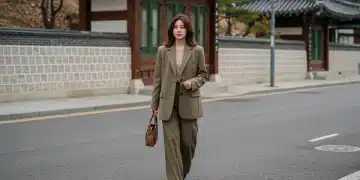
J-Drama Fashion: Iconic Looks from Your Favorite Shows
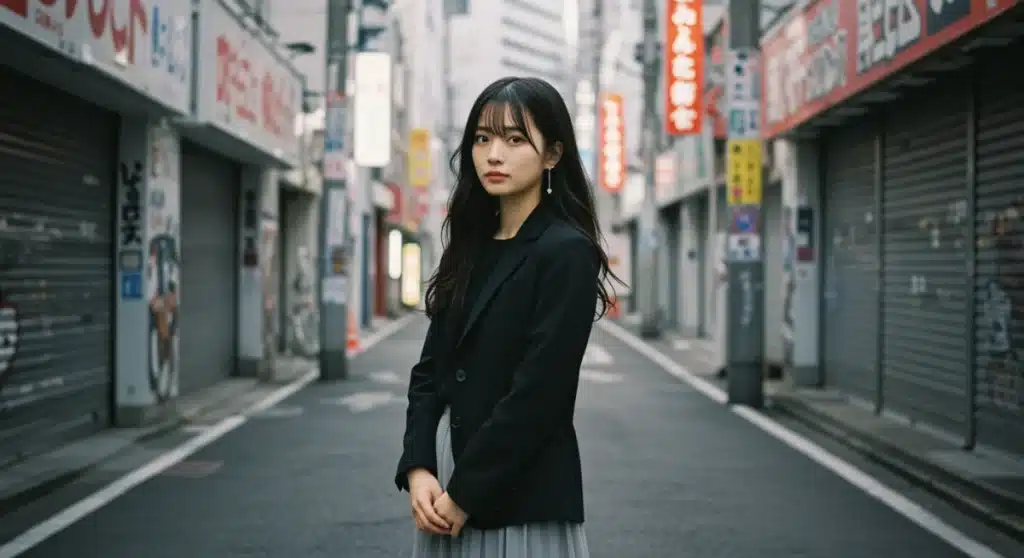
Recreating iconic Japanese drama fashion involves understanding the cultural nuances and stylistic choices that define these captivating on-screen wardrobes, allowing fans to embody their favorite characters’ aesthetics.
Have you ever found yourself captivated not just by the compelling storylines and endearing characters of Japanese dramas, but also by their distinctive and often trend-setting fashion? If you’re eager to translate that on-screen allure into your everyday wardrobe, then diving into Japanese drama fashion: recreating iconic looks from your favorite shows is an exciting journey. J-dramas offer a rich tapestry of styles, from the impeccably tailored business attire to the whimsical school uniforms and casual chic ensembles, providing endless inspiration for personal expression.
Understanding the Essence of J-Drama Style
Japanese dramas, or J-dramas, are not just about compelling narratives; they are a visual feast, heavily influencing fashion trends both within Japan and globally. The style often reflects a blend of traditional aesthetics with contemporary trends, emphasizing meticulous layering, attention to detail, and a unique approach to color and silhouette. Understanding these core elements is the first step in recreating those iconic looks that captivate audiences.
Many J-dramas showcase characters whose wardrobes are integral to their personalities and plot development. From the understated elegance of a romance lead to the quirky individualism of a high school student, each outfit is carefully curated. This attention to detail allows viewers to connect deeply with the characters, often inspiring them to emulate their fashion choices. The appeal lies in the ability of these clothes to tell a story without words, making them more than just garments.
Key Characteristics of Japanese Fashion in Dramas
- Layering Mastery: Japanese fashion often utilizes thoughtful layering, combining different textures and lengths to create depth and visual interest without adding bulk.
- Subtle Sophistication: Many looks prioritize clean lines, neutral palettes, and high-quality fabrics, conveying an understated elegance that is both modern and timeless.
- Attention to Detail: Accessories, from minimalist jewelry to carefully chosen bags and shoes, play a crucial role in completing an outfit, often adding a touch of personality.
- Comfort Meets Style: Even formal or highly fashionable outfits often incorporate elements that prioritize comfort, reflecting a practical approach to daily wear.
The essence of J-drama style is its versatility and adaptability. It’s not about strictly following trends but about interpreting them in a way that suits individual characters and their unique circumstances. This makes it an incredibly rich source of inspiration for anyone looking to refresh their wardrobe with thoughtful, character-driven pieces. By observing how characters use fashion to express themselves, viewers can gain valuable insights into developing their own distinct style.
Deconstructing Iconic School Uniform Looks
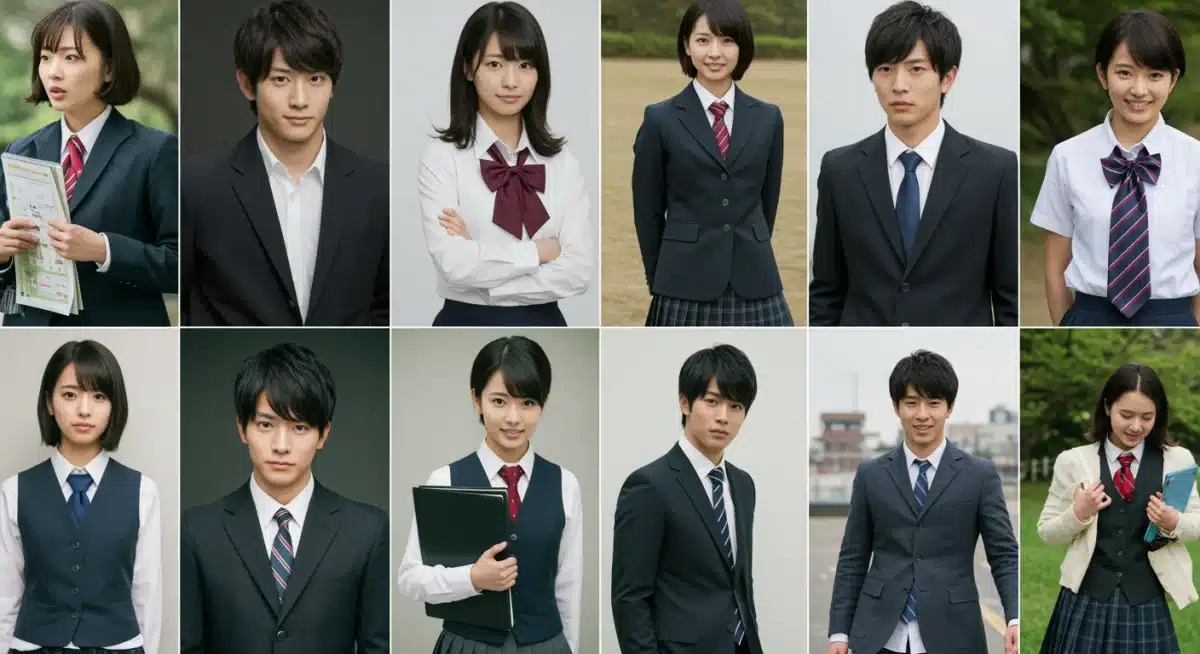
School uniforms in Japanese dramas are far more than just mandatory attire; they are often fashion statements that define a character’s youth, aspirations, and even rebellion. From the classic sailor fuku to modern blazer-and-pleated-skirt combinations, these uniforms are instantly recognizable and highly influential. Recreating these looks involves understanding the distinct components and how they are styled to convey different archetypes.
The appeal of J-drama school uniforms lies in their ability to evoke nostalgia, represent innocence, and sometimes, symbolize a character’s growth and transformation. They are often accessorized in ways that reflect individual personalities, making a standardized uniform feel unique. This makes them a popular choice for themed parties, cosplay, or simply for those who appreciate the aesthetic.
Elements of the Classic School Uniform
The traditional sailor fuku, with its distinctive collar and tie, is a timeless symbol of Japanese school life. Modern uniforms often feature blazers, button-up shirts, pleated skirts or trousers, and sometimes vests or cardigans. Color palettes are usually subdued, focusing on navies, grays, whites, and creams, allowing for subtle personal touches through accessories.
- Sailor Collar: A defining feature of the sailor fuku, often paired with a necktie or bow.
- Pleated Skirts: A staple for female students, varying in length from knee-length to just above the knee, often in plaid or solid colors.
- Blazers/Vests: Common in modern uniforms, providing a structured and smart appearance for both male and female students.
- Knee-High Socks: Often paired with loafers or Mary Jane shoes, adding a youthful touch to the ensemble.
To recreate these looks, focus on finding pieces that mimic the structure and silhouette of authentic Japanese school uniforms. Pay attention to the fabric quality and fit, as these contribute significantly to the overall aesthetic. Accessorizing with items like simple hair ties, small backpacks, or even specific types of shoes can elevate the authenticity of the look. The key is to blend the formal elements of the uniform with subtle personal flair.
Embracing Professional Chic: Office Wear in J-Dramas
Japanese dramas frequently feature characters navigating the complexities of the corporate world, and their office attire is always a highlight. Unlike some Western interpretations of business wear, J-drama office fashion often strikes a balance between professionalism, comfort, and subtle trendiness. It’s about looking polished and capable without sacrificing personal style, making it a fantastic source for professional wardrobe inspiration.
The professional chic portrayed in J-dramas often emphasizes versatility, allowing pieces to transition seamlessly from the office to after-work engagements. This practicality, combined with an eye for detail and quality, makes these looks highly desirable. Characters often wear outfits that reflect their position, ambition, and even their emotional state, adding depth to their on-screen presence.
Crafting the Perfect J-Drama Office Ensemble
Think tailored blazers, elegant blouses, sophisticated trousers or skirts, and carefully chosen accessories. Neutrals like black, gray, navy, and beige form the foundation, often accented with softer pastels or muted jewel tones. The fit is crucial: garments should be well-tailored but not restrictive, allowing for ease of movement.
- Structured Blazers: Essential for a polished look, often in classic colors or subtle patterns.
- Flowy Blouses: Paired with tailored bottoms, these add a touch of femininity and softness to professional outfits.
- Wide-Leg Trousers or Midi Skirts: Offer comfort and a contemporary silhouette, moving away from overly tight or restrictive clothing.
- Minimalist Jewelry: Delicate necklaces, stud earrings, and classic watches complete the look without overpowering it.
When recreating these professional looks, consider the character’s role and personality. A high-powered executive might opt for sharper lines and bolder colors, while someone in a creative field might incorporate more unique textures or slightly relaxed silhouettes. Investing in quality basics and building a versatile wardrobe allows for endless combinations that echo the sophisticated elegance seen in J-drama office settings. It’s about smart investments and thoughtful styling.
Casual Comfort with a Japanese Twist
Beyond the uniforms and office wear, J-dramas also excel at showcasing casual fashion that is both comfortable and stylish. This often involves relaxed silhouettes, natural fabrics, and a keen eye for layering, creating looks that are effortlessly chic. From weekend outings to cozy at-home scenes, the casual wear in J-dramas provides a wealth of inspiration for everyday dressing that feels both unique and approachable.
The Japanese approach to casual comfort often prioritizes functionality and subtle aesthetics. It’s not about flashy logos or overt trends, but rather about creating harmonious outfits that feel good to wear and look thoughtfully put together. This makes it a perfect style for those who appreciate understated elegance and practical fashion choices for their daily lives.
Achieving the Relaxed J-Drama Aesthetic
Think oversized sweaters, comfortable wide-leg pants, denim, and versatile outerwear. The color palette often leans towards earthy tones, pastels, and classic neutrals, creating a soft and inviting aesthetic. Fabrics like cotton, linen, and soft knits are frequently used for their comfort and drape.
One common element is the strategic use of layering. A simple t-shirt might be paired with an open button-down shirt and a light cardigan, adding warmth and visual interest without feeling bulky. This technique allows for adaptability to changing temperatures and adds depth to otherwise simple outfits. It’s about building an outfit with different textures and lengths.
- Oversized Knitwear: Comfortable sweaters and cardigans that offer a relaxed yet stylish feel.
- Loose-Fitting Bottoms: Wide-leg jeans, culottes, or linen pants provide comfort and a modern silhouette.
- Simple Outerwear: Trench coats, denim jackets, or minimalist parkas complete casual ensembles.
- Comfortable Footwear: Sneakers, loafers, or simple sandals are preferred for their practicality and style.
Recreating these casual looks means focusing on comfort and thoughtful combinations. Don’t be afraid to mix and match textures and proportions. The goal is to achieve an effortlessly put-together appearance that suggests attention to detail without looking overly fussy. This relaxed aesthetic is perfect for anyone seeking a blend of comfort and subtle style in their daily wear, mirroring the approachable charm of many J-drama characters.
The Art of Accessorizing: Details That Define the Look
In Japanese drama fashion, accessories are never an afterthought; they are crucial components that elevate an outfit from ordinary to iconic. From delicate jewelry to statement bags and unique footwear, these small details play a significant role in defining a character’s style and personality. Mastering the art of accessorizing is key to truly recreating the distinctive looks from your favorite shows.
Japanese fashion often embraces a less-is-more approach to accessories, preferring quality over quantity. Each piece is typically chosen with intention, complementing the overall outfit rather than competing with it. This thoughtful selection allows for subtle expressions of individuality, even within standardized uniforms or corporate attire. The power of a well-chosen accessory cannot be overstated in J-drama styling.
Essential Accessories for J-Drama Inspired Outfits
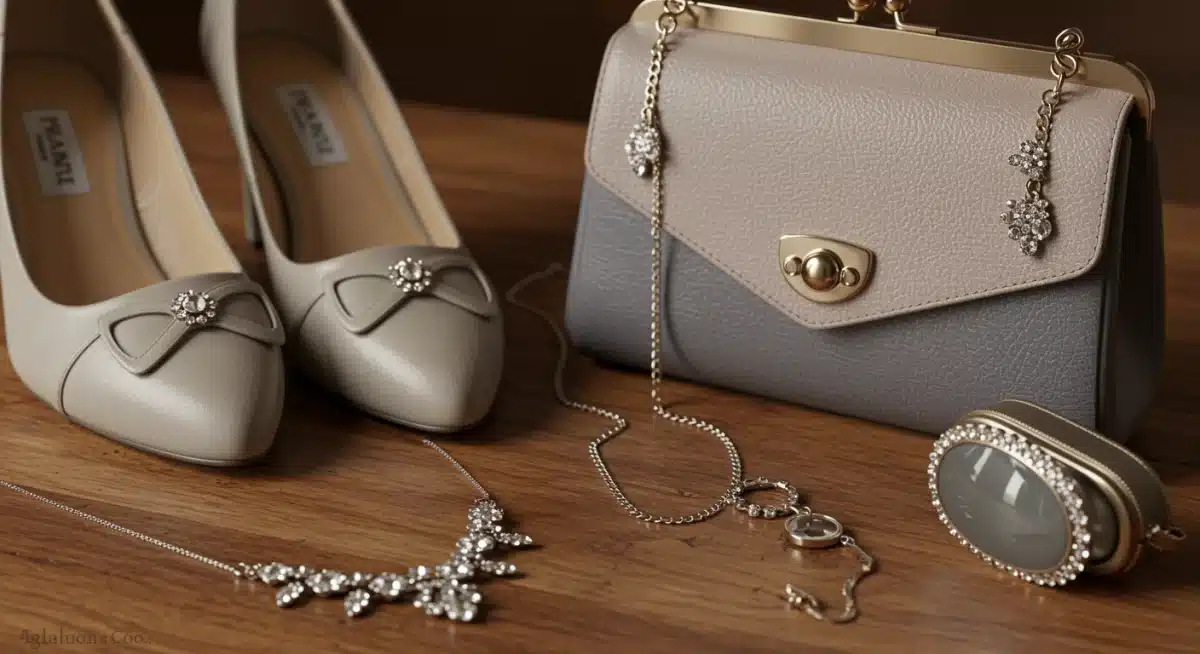
Consider minimalist jewelry, structured handbags, stylish eyewear, and carefully selected hair accessories. The focus is on pieces that enhance the outfit’s aesthetic without drawing undue attention. Colors often coordinate with the main garments, or they might provide a subtle contrast to add visual interest.
- Delicate Jewelry: Simple necklaces, stud earrings, and thin bracelets add elegance without being flashy.
- Structured Handbags: Often in classic shapes and neutral colors, these add a touch of sophistication and practicality.
- Elegant Scarves: Can add a pop of color or texture, tied around the neck, hair, or bag handle.
- Stylish Eyewear: Both eyeglasses and sunglasses are often chosen to complement face shape and enhance intellectual or chic vibes.
When selecting accessories to replicate J-drama styles, think about the character you are inspired by and their specific aesthetic. Are they playful and quirky, or sophisticated and understated? Each accessory should reflect an aspect of that persona. It’s about finding pieces that resonate with the character’s journey and help to complete the visual narrative of their attire. The right accessories can truly transform a basic outfit into something memorable and evocative of a beloved J-drama character.
Where to Find J-Drama Inspired Fashion Pieces
Once you’ve identified the key elements and specific looks you want to recreate, the next step is finding the actual fashion pieces. The good news is that you don’t necessarily need to travel to Japan or scour specialized boutiques. Many styles seen in J-dramas can be found in mainstream stores, online retailers, and even vintage shops, with a keen eye for detail and understanding of the aesthetic.
The global appeal of Japanese fashion has made it easier than ever to source inspired items. Many brands now offer collections that reflect similar silhouettes, color palettes, and fabric choices. The key is to look for quality, versatility, and pieces that can be mixed and matched to build a cohesive J-drama-inspired wardrobe. Don’t be afraid to experiment with different retailers.
Shopping for Your J-Drama Wardrobe
Start by looking at fast-fashion retailers for trendy and affordable options, but also consider investing in higher-quality basics from more established brands. Online marketplaces offer a vast selection, and don’t forget the hidden gems that can be found in thrift stores or vintage boutiques, which often carry unique pieces with a timeless appeal.
- Online Retailers: Websites like ASOS, Zara, Uniqlo, and even Amazon often carry items that align with J-drama aesthetics.
- Japanese Fashion Brands: Explore brands like Muji, SNIDEL, and FRAY I.D for authentic Japanese contemporary styles, though shipping to the US might be a factor.
- Thrift and Vintage Stores: Excellent for finding unique, quality pieces like blazers, skirts, and blouses that can be styled to fit a J-drama look.
- Specialty Boutiques: Some independent boutiques might carry specific styles or brands that cater to a more niche Japanese fashion aesthetic.
When shopping, prioritize versatility. Many J-drama outfits are built from foundational pieces that can be styled in multiple ways. Look for items that can transition from casual to semi-formal, or that can be easily layered. Pay attention to fabric composition and craftsmanship to ensure your recreated looks are not only stylish but also durable and comfortable. Patience and a clear vision of the desired look will guide your shopping success.
Styling Tips for Authenticity and Personalization
Recreating J-drama fashion isn’t just about wearing similar clothes; it’s about embodying the essence of the style with authenticity and adding your personal touch. The goal is to capture the spirit of the characters’ wardrobes while making the looks your own. This involves understanding styling nuances, paying attention to hair and makeup, and confidently owning your interpretation.
Authenticity in J-drama fashion often comes from the way clothes are worn, the subtle gestures, and the overall demeanor. It’s about more than just the garments themselves; it’s about the complete picture. Personalization ensures that while you’re drawing inspiration from a beloved character, you’re not simply creating a costume, but rather integrating elements into your unique style.
Bringing Your J-Drama Looks to Life
Focus on fit, proportion, and complementary colors. Japanese fashion often emphasizes a balanced silhouette, whether it’s a loose top with fitted bottoms or vice versa. Experiment with layering different textures and lengths to add depth, a hallmark of many J-drama outfits. Hair and makeup also play a crucial role in completing the aesthetic, often leaning towards natural, polished looks.
- Hair and Makeup: Opt for natural-looking makeup, often emphasizing clear skin and subtle eye definition. Hairstyles are typically neat, ranging from sleek straight hair to soft waves or simple updos.
- Proportion Play: Experiment with oversized tops paired with slimmer bottoms, or tailored jackets over flowy dresses to create interesting silhouettes.
- Color Coordination: While bold colors appear, many J-drama looks rely on harmonious palettes of neutrals, pastels, or complementary muted tones.
- Confidence is Key: The most important styling tip is to wear your recreated looks with confidence. Your personal attitude will bring authenticity to any outfit.
Ultimately, recreating Japanese drama fashion: recreating iconic looks from your favorite shows is a creative and fulfilling endeavor. It allows you to connect with the stories and characters you love on a deeper level, transforming inspiration into personal style. By paying attention to details, understanding cultural nuances, and adding your unique flair, you can successfully bring the captivating world of J-drama fashion into your everyday life, making every outfit a small tribute to your favorite shows.
| Key Aspect | Description for J-Drama Fashion |
|---|---|
| Overall Aesthetic | Blends traditional with contemporary, focusing on meticulous layering and attention to detail for unique character expression. |
| Iconic Uniforms | School uniforms like sailor fuku or blazers and pleated skirts are stylized to reflect youth and individuality. |
| Professional Wear | Emphasizes tailored blazers, elegant blouses, and sophisticated bottoms for a polished yet comfortable office look. |
| Accessorizing | Crucial for defining character; uses minimalist jewelry, structured bags, and elegant scarves to complete outfits. |
Frequently Asked Questions About J-Drama Fashion
Japanese drama fashion often focuses on practicality, subtle layering, and a blend of traditional aesthetics with contemporary trends. It emphasizes quality fabrics and minimalist accessories, aiming for an understated elegance that differs from the bolder or more overtly glamorous styles sometimes seen in other Asian dramas.
While full school uniforms are typically reserved for cosplay or themed events, certain elements like pleated skirts, blazers, and knee-high socks can be incorporated into daily casual wear. Mixing these pieces with modern items creates a stylish, youthful look without being a full costume.
For authentic Japanese brands, online retailers that ship internationally are a great resource. You can also find J-drama inspired items in mainstream stores like Uniqlo, Zara, or ASOS, which often carry similar styles and silhouettes. Vintage shops can also offer unique finds.
Accessories are extremely important in J-drama fashion. They are often chosen with great care to complement the outfit and express character personality. Minimalist jewelry, structured bags, and elegant scarves can significantly elevate an outfit and help achieve an authentic J-drama aesthetic.
J-dramas typically feature natural and polished hair and makeup. Hair is often styled neatly, from sleek straight looks to soft waves or simple updos. Makeup usually emphasizes clear skin, subtle eye definition, and a natural lip color, aiming for an approachable yet refined appearance.
Conclusion
Exploring and recreating Japanese drama fashion: recreating iconic looks from your favorite shows offers a unique opportunity to blend cultural appreciation with personal style. From the meticulously designed school uniforms to the sophisticated professional wear and cozy casual ensembles, J-dramas present a rich palette of fashion inspiration.
By understanding the core principles of Japanese aesthetics—layering, attention to detail, and a balance of comfort and style—fans can effectively translate these captivating on-screen wardrobes into their everyday lives. More than just imitation, it’s about celebrating the artistry of J-drama styling and making it authentically your own, allowing each outfit to tell a story inspired by the shows you love.