Japanese Drama Cinematography: Visual Storytelling Mastery
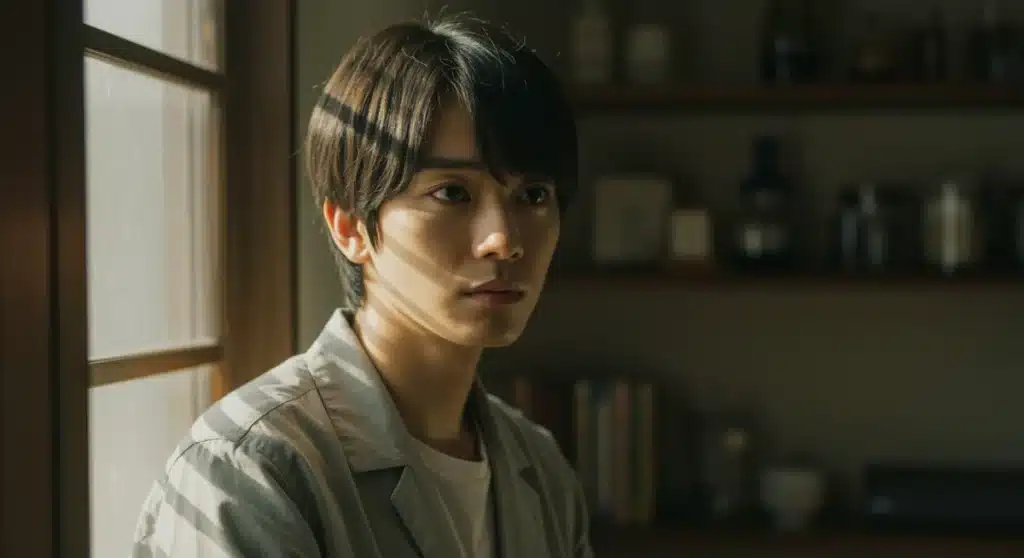
Japanese drama cinematography masterfully employs distinct visual techniques, including evocative lighting, meticulous framing, and symbolic color palettes, to craft compelling narratives and convey profound emotional depth for audiences worldwide.
Delving into Japanese Drama Cinematography reveals a rich tapestry of visual storytelling techniques that profoundly shape the viewer’s experience. Unlike many Western productions, Japanese dramas often prioritize subtle nuances and atmospheric depth, using the camera as an extension of the narrative itself. This exploration will uncover the unique aesthetic choices that define J-drama visuals, from their deliberate pacing to their symbolic use of light and shadow, inviting you to appreciate the artistry behind these captivating series.
the art of framing and composition
Japanese drama cinematography frequently utilizes distinct framing and composition techniques that set it apart. Directors often employ static shots, allowing scenes to unfold naturally and encouraging viewers to absorb the environment and character interactions at a more deliberate pace. This approach contrasts sharply with the fast-paced editing prevalent in many international productions, fostering a sense of calm and introspection.
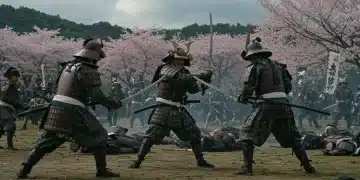
The meticulous placement of elements within the frame is paramount. Rather than relying solely on close-ups for emotional impact, J-dramas often use wider shots to contextualize characters within their surroundings, emphasizing their relationship with space and the broader narrative. This can create a feeling of isolation, connection, or simply highlight the beauty of the setting itself.
mastering the static shot
- Patience in Pacing: Static shots encourage a slower narrative rhythm, allowing emotional weight to build gradually rather than through rapid cuts.
- Environmental Storytelling: By keeping the camera still, the setting becomes an active participant in the story, revealing details about the characters’ lives and circumstances.
- Viewer Immersion: The lack of constant movement can draw the viewer deeper into the scene, making them feel like an observant presence rather than a passive spectator.
Moreover, the rule of thirds is often applied with an almost architectural precision, guiding the viewer’s eye to key elements without feeling overtly forced. Negative space is also a powerful tool, often used to convey loneliness, contemplation, or the vastness of a character’s internal landscape. This deliberate use of space elevates simple scenes into profound visual statements, making every frame count.
In conclusion, the framing and composition in Japanese drama cinematography are not merely aesthetic choices but fundamental storytelling devices. They dictate the rhythm, convey unspoken emotions, and immerse the audience in a uniquely contemplative viewing experience, proving that sometimes, less camera movement can lead to more profound impact.
lighting and shadow: shaping atmosphere and emotion
Lighting in Japanese drama cinematography is rarely accidental; it’s a carefully crafted element designed to evoke specific moods and highlight emotional states. Unlike the often bright, evenly lit scenes in some genres, J-dramas frequently embrace natural light and the strategic use of shadows to create a more nuanced and realistic atmosphere.
The interplay of light and shadow can symbolize internal conflicts, character development, or impending events. A softly lit scene can convey warmth and intimacy, while stark contrasts might suggest tension, mystery, or a character’s hidden struggles. This thoughtful approach to illumination adds layers of meaning to every visual.
natural light and its narrative power
- Authenticity: Utilizing natural light sources, such as sunlight filtering through windows or ambient streetlights, creates a more grounded and believable world.
- Emotional Resonance: The quality of natural light—whether it’s the golden hour or a cloudy afternoon—can directly influence the emotional tone of a scene, from hopeful to melancholic.
- Subtle Symbolism: A character moving from shadow into light can visually represent a moment of realization or hope, without the need for explicit dialogue.
Beyond natural light, artificial light sources are also employed with precision. Often, J-dramas use practical lights within the set, such as lamps or neon signs, to motivate the lighting and create a sense of realism. This technique avoids overly theatrical lighting, maintaining the understated aesthetic that is characteristic of the genre.
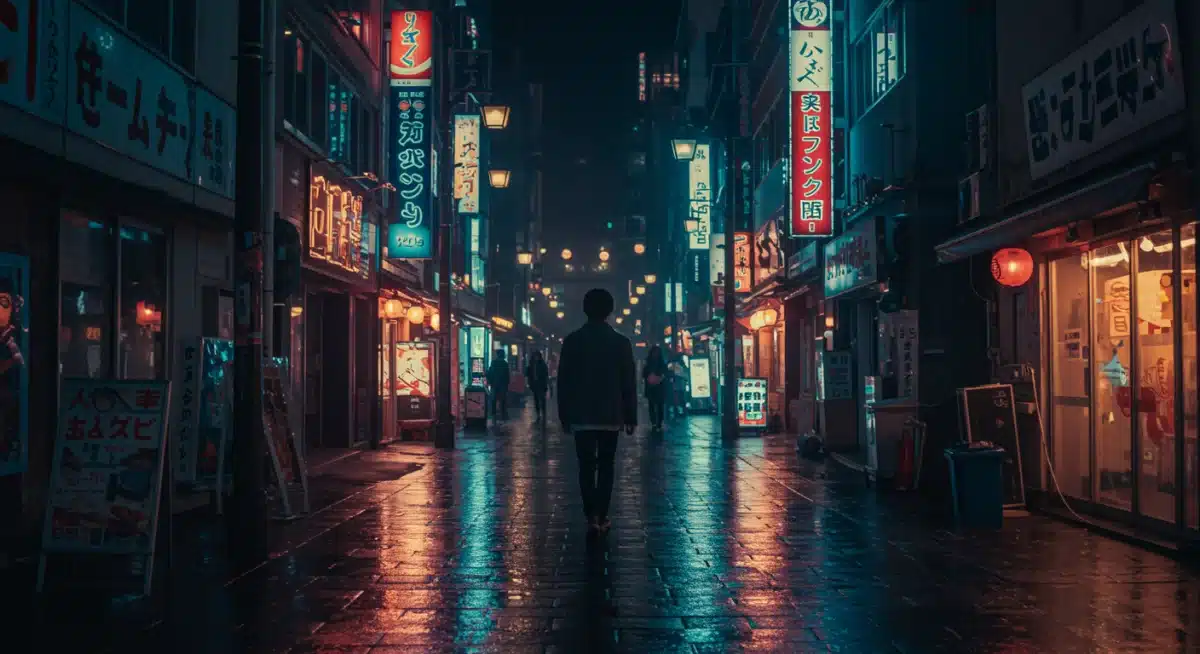
Shadows are not merely the absence of light but active contributors to the visual narrative. They can obscure parts of a character’s face to suggest inner turmoil, create a sense of foreboding, or simply add depth and texture to the frame. The careful balance between light and shadow is a hallmark of sophisticated Japanese Drama Cinematography, transforming simple scenes into visually rich experiences.
Ultimately, the mastery of lighting and shadow in Japanese dramas serves to deepen the emotional connection with the story. It’s a silent language that communicates feelings and meanings beyond words, immersing the audience in the characters’ inner worlds and the overarching atmosphere of the narrative.
color palettes and their symbolic significance
The choice of color palette in Japanese drama cinematography is a deliberate artistic decision, far from arbitrary. Colors are not just for aesthetics; they are powerful tools for conveying mood, character traits, and thematic elements. Directors and cinematographers carefully select hues that resonate with the narrative, often employing a restrained yet impactful approach.
Many J-dramas lean towards muted, desaturated, or naturalistic color schemes. This can create a sense of realism, nostalgia, or even melancholy, aligning with the often introspective and character-driven nature of these stories. Vibrant colors, when used, tend to be highly intentional, drawing attention to specific objects, emotions, or pivotal moments.
the power of understated hues
- Emotional Undercurrents: A predominantly cool or desaturated palette can evoke feelings of loneliness, contemplation, or a subdued emotional state.
- Realism and Authenticity: Naturalistic color grading helps ground the drama in reality, making the characters and their struggles feel more relatable.
- Highlighting Contrast: When a bright color appears within a muted scheme, it immediately stands out, signaling importance or a shift in the narrative.
Beyond overall palettes, specific colors often carry symbolic weight. For instance, the color blue might be used to represent calmness or sadness, while warmer tones like orange and yellow could signify hope, happiness, or a fleeting moment of joy. The cultural context of colors also plays a role, adding another layer of meaning for the discerning viewer.
Furthermore, the changing seasons are frequently reflected in the color palette, especially in dramas set in rural areas or those with a strong connection to nature. The vibrant greens of summer, the fiery reds and oranges of autumn, and the stark whites of winter all contribute to the visual storytelling, mirroring the characters’ journeys and the passage of time.
In essence, the careful cultivation of color in Japanese drama cinematography is a subtle yet profound art. It works in harmony with lighting and composition to create a cohesive visual language that enhances the narrative, allowing viewers to connect with the story on a deeper, more emotional level without explicit exposition.
depth of field and focus: drawing the viewer’s eye
Depth of field and focus are critical elements in Japanese Drama Cinematography, used strategically to guide the viewer’s attention and emphasize narrative points. Rather than merely ensuring everything is in crisp focus, cinematographers deliberately manipulate these aspects to create visual hierarchy and emotional impact.
Shallow depth of field, where the subject is sharply focused while the background is blurred (bokeh), is a common technique. This method isolates characters or objects, drawing immediate attention to them and often conveying a sense of intimacy or introspection. It can also visually represent a character’s tunnel vision or their detachment from their surroundings.
strategic use of focus pulls
- Revealing Information: A sudden shift in focus from one object to another can reveal a crucial detail or a character’s hidden reaction.
- Building Suspense: Slowly bringing an object into focus can heighten anticipation, making the viewer lean in to discover what is being revealed.
- Emotional Emphasis: A focus pull to a character’s subtle expression can underscore their internal state, even without dialogue.
Conversely, deep depth of field, where both foreground and background are in focus, can be used to establish a character’s place within a complex environment or to highlight the interconnectedness of various elements within a scene. This technique encourages the viewer to scan the entire frame, absorbing multiple layers of information simultaneously.
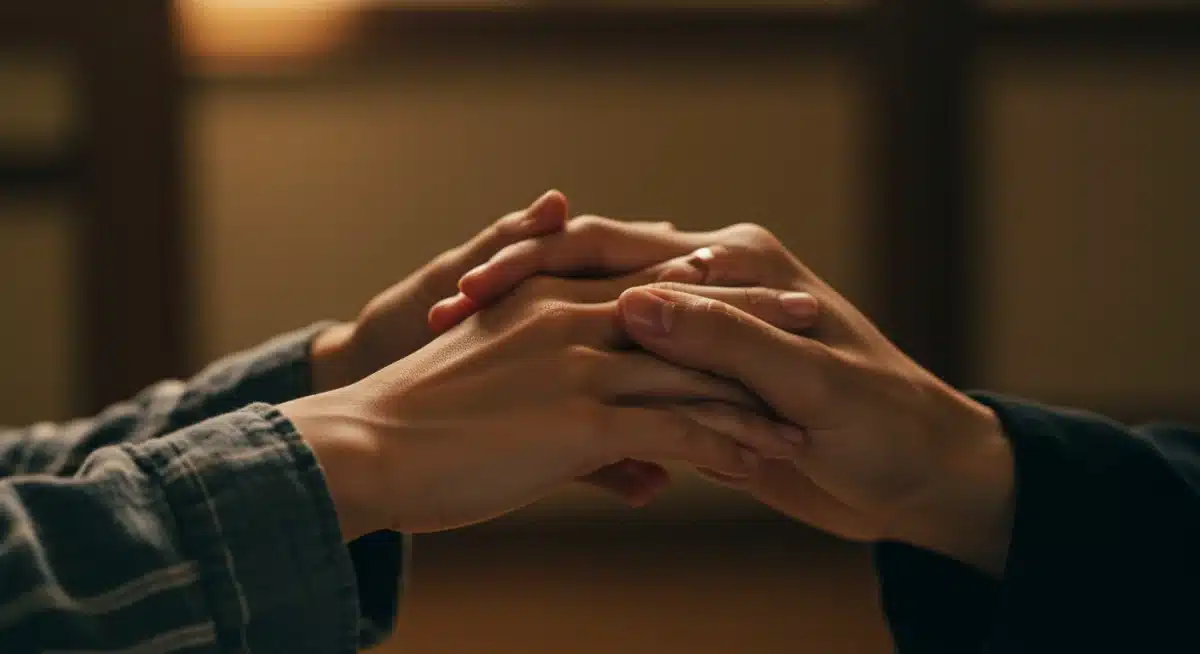
The choice between shallow and deep focus is always intentional, serving the narrative’s needs. Whether it’s to create a dreamlike quality, emphasize a character’s isolation, or immerse them in a bustling world, the manipulation of depth of field is a sophisticated tool in the visual arsenal of Japanese drama.
In summary, the precise control over depth of field and focus in Japanese dramas is a testament to their thoughtful approach to visual storytelling. These techniques are not just technical choices; they are narrative devices that subtly yet powerfully influence how the audience perceives the story and its characters, guiding their emotional journey.
camera movement and its emotional impact
While often characterized by static shots, Japanese drama cinematography also employs camera movement with deliberate intention, using it to enhance emotional impact and guide the narrative. These movements are typically subtle and purposeful, designed to reinforce the story rather than distract from it.
Tracking shots, for instance, might follow a character through a significant moment, immersing the viewer in their experience. Crane shots can be used to establish a grand sense of scale or to provide a contemplative, omniscient perspective, often at pivotal emotional junctures. The key is that every movement feels earned and contributes meaningfully to the storytelling.
subtlety in motion
- Character Empathy: A slow, deliberate push-in on a character’s face can magnify their emotional state, drawing the viewer into their feelings.
- Unveiling Information: A panning shot can slowly reveal an important detail or a new character entering the scene, building anticipation.
- Creating Flow: Smooth, unhurried camera movements can contribute to the overall meditative and reflective tone often found in J-dramas.
Handheld camera work, when used, is typically employed sparingly and for specific effects, such as conveying a sense of urgency, instability, or a character’s subjective viewpoint during a chaotic moment. This selective use makes it all the more impactful when it appears, standing in contrast to the more composed shots.
Furthermore, the absence of excessive camera movement can itself be a powerful choice. By holding a shot, the director allows the scene to breathe, giving characters space for raw, unedited emotional expression and allowing the audience to truly witness the unfolding drama without the distraction of constant motion.
Ultimately, the camera movements in Japanese drama cinematography are carefully considered components of visual storytelling. They are not employed for their own sake but as integral parts of a larger artistic vision, designed to deepen emotional resonance and enhance the narrative’s flow, making every subtle shift impactful.
the role of mise-en-scène and production design
Mise-en-scène, encompassing everything within the frame, from set design to costume and props, plays a crucial role in Japanese drama cinematography. It’s not just about creating a believable setting; it’s about infusing every element with meaning that supports the narrative and deepens character understanding.
Production designers often meticulously craft environments that reflect the characters’ personalities, social status, and internal worlds. A cluttered room might speak volumes about a character’s chaotic mind, while a minimalist space could suggest order, discipline, or even loneliness. Every object is chosen with care to contribute to the overall story.
elements of impactful design
- Symbolic Props: Everyday objects can take on significant meaning, serving as metaphors for relationships, memories, or aspirations.
- Costume as Character: Clothing choices often subtly communicate character traits, social roles, and emotional states without explicit dialogue.
- Environmental Nuance: The texture of a wall, the type of furniture, or the presence of specific plants can all contribute to the atmosphere and character development.
The attention to detail extends to the use of real-world locations, which are often chosen for their aesthetic appeal and their ability to evoke specific emotions. Whether it’s a serene temple garden, a bustling Tokyo intersection, or a quiet countryside road, these locations become characters in themselves, influencing the mood and narrative.
Moreover, the Japanese aesthetic principles, such as Wabi-Sabi (the appreciation of imperfection and transience) or Ma (the conscious use of empty space), can often be observed in the production design. These philosophies lend a unique visual texture and depth to the series, making them culturally distinct and visually rich.
In conclusion, the careful orchestration of mise-en-scène and production design in Japanese drama cinematography is a powerful, silent narrator. It builds a believable world, reveals character depth, and subtly communicates thematic elements, making the visual experience as rich and complex as the narratives themselves. Every detail serves a purpose, contributing to the overall artistry.
editing and pacing: crafting narrative rhythm
The editing and pacing in Japanese drama cinematography are fundamental to how stories are told and perceived. Unlike the rapid-fire editing common in some Western productions, J-dramas often embrace a more deliberate and measured rhythm, allowing scenes to breathe and emotions to simmer.
This slower pace is not a sign of lack of action but a conscious choice to prioritize character development, atmospheric immersion, and the subtle unfolding of emotional arcs. Long takes are frequently employed, giving actors space to deliver nuanced performances and allowing viewers to fully absorb the weight of a moment without interruption.
the power of deliberate cuts
- Emotional Cadence: Slower editing allows emotional beats to land more profoundly, fostering a deeper connection with characters’ feelings.
- Building Anticipation: Deliberate pacing can build suspense or expectation, making key moments feel more impactful when they finally arrive.
- Reflective Experience: The unhurried rhythm encourages viewers to reflect on the events and characters, engaging them on a more intellectual and emotional level.
Transitions between scenes are often smooth and understated, avoiding jarring cuts that might disrupt the flow. Sometimes, scenes might end with a lingering shot, allowing the audience to sit with the aftermath of a conversation or event before moving on. This contributes to the contemplative quality that many J-dramas possess.
Flashbacks and montages are also used, but typically with a distinct visual style that differentiates them from the present narrative. These sequences are often more fluid or stylized, serving to provide crucial backstory or to condense the passage of time without sacrificing emotional weight.
Ultimately, the careful consideration of editing and pacing in Japanese drama cinematography is a cornerstone of its unique storytelling. It creates a rhythm that is both captivating and reflective, drawing viewers into a world where every pause and every cut is designed to enhance the narrative’s emotional depth and artistic integrity, proving that true impact often lies in measured delivery.
| Key Aspect | Description |
|---|---|
| Framing & Composition | Deliberate static shots and meticulous mise-en-scène emphasize environmental storytelling and character context. |
| Lighting & Shadow | Strategic use of natural light and contrasts to evoke mood, symbolize internal states, and add realism. |
| Color Palettes | Often muted or naturalistic, with intentional vibrant hues, conveying emotion and thematic depth. |
| Pacing & Editing | Deliberate, unhurried rhythm with long takes and smooth transitions, prioritizing emotional depth over rapid cuts. |
Frequently Asked Questions about Japanese Drama Cinematography
Japanese drama cinematography often emphasizes static shots, deliberate pacing, and naturalistic lighting, prioritizing atmospheric depth and subtle emotional expression. Western styles, conversely, might feature more dynamic camera movements and faster editing to maintain a quicker narrative flow and higher action.
Muted color palettes in Japanese dramas are frequently used to evoke a sense of realism, nostalgia, or melancholy. This choice helps to ground the narrative in authenticity and allows for subtle emotional symbolism, making vibrant colors stand out more powerfully when they are intentionally introduced.
Depth of field is crucial for guiding the viewer’s attention and conveying intimacy or isolation. Shallow depth of field often highlights a character’s internal state by blurring the background, while deep focus can establish a character’s relationship with their environment, adding layers to the visual narrative.
While often subtle, camera movements in Japanese dramas are highly intentional. Tracking shots can immerse viewers in a character’s journey, while slow push-ins magnify emotional moments. These movements are carefully chosen to enhance narrative flow and emotional resonance, rather than for mere visual flair, making each movement impactful.
Mise-en-scène is vital, as every element within the frame, from set design to props, is meticulously chosen to support the narrative. It reflects character personalities, social status, and internal worlds, often incorporating Japanese aesthetic principles to create a culturally distinct and visually rich storytelling experience.
conclusion
The exploration of Japanese Drama Cinematography reveals a sophisticated and deeply intentional approach to visual storytelling. From the deliberate framing and nuanced lighting to the symbolic use of color and the measured pacing, every technical and artistic choice serves to enrich the narrative and deepen the emotional connection with the audience. These series offer a compelling masterclass in how visual elements can transcend mere aesthetics to become integral components of a story’s heart and soul, inviting viewers to appreciate the profound artistry embedded within each frame.