Japanese Dorama Acting Techniques: US vs. Japan Methods

Japanese dorama acting techniques often emphasize nuance, emotional restraint, and a strong connection to traditional performance arts, presenting a stark contrast to the more overt and character-driven approaches prevalent in United States acting methods.
The world of acting is vast and varied, with each culture bringing its unique flavor to the craft. When we delve into Japanese dorama acting techniques, we uncover a fascinating landscape that often stands in stark contrast to the methods commonly employed in the United States. This exploration isn’t just about comparing styles; it’s about understanding the deep cultural underpinnings that shape how emotions are conveyed, stories are told, and characters are embodied on screen.
Understanding the Foundations of Japanese Dorama Acting
To truly grasp the nuances of Japanese dorama acting, it’s essential to look at its historical and cultural roots. Unlike Western acting traditions that often trace back to Greek theater and later, Stanislavski’s system, Japanese acting draws heavily from traditional performing arts like Noh, Kabuki, and Bunraku. These art forms prioritize stylized movements, vocalizations, and emotional expressions that are often symbolic rather than purely realistic.
The emphasis on form and aesthetic beauty over raw, unfiltered emotion is a hallmark. Actors are trained to convey deep feelings through subtle gestures, controlled facial expressions, and specific vocal deliveries. This approach requires immense discipline and a deep understanding of the unspoken language of performance.
The Influence of Traditional Arts
Traditional Japanese performing arts have profoundly shaped modern dorama acting. The principles of kata (prescribed forms or movements) and ma (the concept of space and pause) are not just historical relics; they are living elements woven into contemporary performances. This means actors often learn to command their bodies and voices with a precision that might seem unusual to those accustomed to more improvisational or naturalistic styles.
- Noh Theater: Focuses on highly stylized movement, masks, and spiritual themes, emphasizing internal emotion over external display.
- Kabuki Theater: Known for its dramatic makeup, elaborate costumes, and exaggerated gestures, yet still deeply rooted in specific forms.
- Bunraku Puppetry: Though using puppets, the puppeteers’ precise movements and the narrator’s vocalizations teach a form of storytelling that prioritizes clarity and emotional impact through controlled execution.
These influences lead to an acting style that values subtlety and a more indirect portrayal of emotion. Instead of explicitly showing anger or sadness with broad strokes, a dorama actor might use a slight shift in gaze, a prolonged silence, or a specific posture to communicate the same intensity. This requires the audience to engage more actively, interpreting the unspoken cues.
In conclusion, the foundations of Japanese dorama acting are deeply intertwined with a rich heritage of traditional performing arts. This heritage instills a preference for stylized expression, emotional restraint, and a meticulous attention to detail in physical and vocal delivery, setting it apart from many Western acting methodologies.
The American Acting Method: Realism and Psychological Depth
In stark contrast to the Japanese approach, acting in the United States has largely been influenced by the Method acting tradition, stemming from Konstantin Stanislavski’s system and later popularized by figures like Lee Strasberg and Stella Adler. This approach champions realism, psychological depth, and an actor’s personal connection to their character’s emotions and experiences.
American actors are often encouraged to draw upon their own memories and feelings to inhabit a role, aiming for a performance that feels authentic and raw. The goal is to create a seamless illusion where the distinction between actor and character blurs, allowing the audience to believe they are witnessing real life unfold.
Key Principles of Method Acting
Method acting, while having various interpretations, generally centers on a few core tenets that guide an actor’s preparation and performance. These principles foster a deep dive into the character’s psyche and emotional landscape.
- Emotional Recall: Actors tap into their own past experiences to evoke genuine emotions relevant to their character’s situation.
- Sense Memory: Recreating sensory experiences (smell, touch, sound) to trigger emotional responses and create a vivid internal world for the character.
- Motivation and Objectives: Understanding what drives the character and what they want to achieve, informing every action and line delivery.
This pursuit of realism often leads to more overt expressions of emotion. Joy is often depicted with unrestrained laughter, sadness with tears and visible distress, and anger with shouting and aggressive body language. The performance aims to be immediately understandable and relatable to the audience on a visceral level.
The American acting method, therefore, prioritizes a direct, often intense, portrayal of internal states. Actors are celebrated for their ability to transform into a character, making the audience forget they are watching a performance. This emphasis on psychological truth and emotional rawness defines much of what is seen in American film and television.
In summary, American acting, particularly influenced by Method acting, places a strong emphasis on realism, psychological immersion, and the direct expression of emotions, striving for an authentic and deeply personal portrayal of characters.
Emotional Expression: Subtlety vs. Overt Display
One of the most striking differences between Japanese dorama acting techniques and those of the United States lies in the approach to emotional expression. Japanese dramas often favor a more subdued and internalized portrayal, while American productions tend towards a more external and demonstrative display of feelings.
In Japanese doramas, an actor might convey profound sadness through a slight tremor in their voice, a downcast gaze, or a quiet, solitary tear. This subtlety invites the audience to lean in, to observe closely, and to interpret the depth of emotion lurking beneath the surface. It’s an acting style that trusts the audience to connect the dots, appreciating the power of understatement.
The Art of Implied Emotion
The implied emotion in Japanese acting is not a lack of feeling, but rather a different way of communicating it. It’s often rooted in cultural values that prioritize harmony and self-control, where overt emotional displays might be seen as disruptive or inappropriate in certain contexts. This translates to screen performances where characters often grapple with their feelings internally, only allowing glimpses of their true state to surface.
- Facial Nuance: Small changes in eye movement, a subtle shift in mouth expression, or a slight furrow of the brow can carry significant emotional weight.
- Body Language: Posture, hand gestures, and even how a character walks or sits can be meticulously crafted to reflect their inner turmoil or joy.
- Vocal Tone: The pitch, rhythm, and volume of speech are carefully controlled to convey underlying emotions without resorting to shouting or exaggerated cries.
Conversely, American acting often aims for immediate emotional impact. Actors are encouraged to fully embody and express the character’s emotions, often with visible tears, loud exclamations, or dramatic physical reactions. This directness is designed to create a powerful and unambiguous emotional connection with the audience.
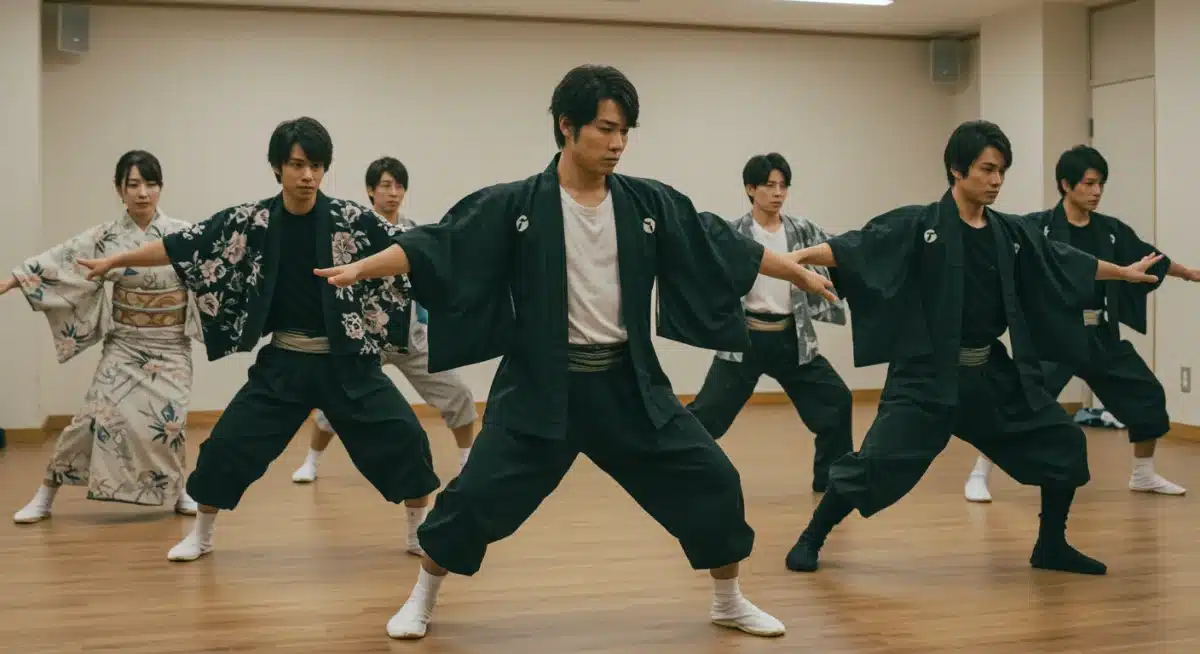
The contrast highlights two valid, yet fundamentally different, philosophies of performance. One seeks to reveal emotion through careful unveiling, while the other strives for immediate and impactful presentation. Both are effective in their own right, serving the narrative styles prevalent in their respective cultures.
In essence, Japanese dorama acting often focuses on the art of implied emotion, relying on subtlety and internal struggle, whereas American acting typically embraces a more overt and direct expression of feelings to create immediate impact.
Training and Preparation: Discipline vs. Immersion
The pathways to becoming an actor in Japan and the United States often diverge significantly, reflecting their distinct approaches to performance. Training for Japanese dorama acting techniques frequently emphasizes rigorous discipline, technical proficiency, and a deep understanding of traditional forms, alongside modern acting methods.
Japanese actors often undergo extensive training that includes vocal exercises, physical conditioning, and sometimes even instruction in traditional dance or martial arts. This holistic approach builds a strong foundation of control and expressiveness. The emphasis is on mastering the tools of their craft, allowing them to precisely execute a director’s vision.
The Disciplinary Approach in Japan
In Japan, acting schools and agencies often instill a strong sense of discipline and hierarchy. Young actors are taught to respect the craft and their seniors, and training can be quite demanding. This structured environment aims to produce versatile performers capable of handling a wide range of roles while maintaining a high level of technical skill.
- Voice Training: Focus on clear articulation, projection, and the ability to modulate tone for various emotional effects.
- Physicality: Training in body control, posture, and movement, often incorporating elements from traditional Japanese dance or stage combat.
- Ensemble Work: Strong emphasis on working harmoniously within a cast, understanding group dynamics, and contributing to a cohesive performance.
Conversely, American acting schools, particularly those rooted in Method acting, tend to prioritize immersion and psychological exploration. Actors are encouraged to delve deeply into their own psyche, using personal experiences and emotional recall to connect with their characters. The training often involves extensive scene study, improvisation, and character analysis, focusing on internal truth rather than external form.
While technical skills are still important, the emphasis in American training often leans towards fostering authenticity and emotional availability. Actors are taught to be vulnerable, to take risks, and to find the character’s truth within themselves. This can lead to highly personalized and often intense performances.
Ultimately, Japanese training often cultivates disciplined performers who can execute with precision and nuance, while American training tends to foster actors who can immerse themselves deeply in a role, drawing on personal experience for emotional authenticity. Both approaches yield compelling performances, but through markedly different preparatory journeys.
Character Portrayal: Archetypes vs. Individuality
Another fascinating distinction lies in how characters are conceived and portrayed in Japanese doramas versus American productions. While both seek compelling narratives, the approach to character development and performance can differ significantly, often leaning towards archetypes in Japan and strong individuality in the United States.
In Japanese dorama acting techniques, there’s often an appreciation for established character archetypes. These might include the stoic hero, the earnest student, the quirky friend, or the tragic figure. While actors bring their unique interpretations, the core traits of these archetypes are often recognizable and serve as foundational elements for storytelling. This can create a sense of familiarity and allows for exploration of classic themes within a modern context.
The Power of Archetypes
Archetypes in Japanese dorama are not about creating flat characters; rather, they provide a framework within which actors can explore universal human experiences. The audience often understands the inherent expectations of an archetype, allowing for subtle variations and deeper emotional resonance when those expectations are met or subverted.
- Heroic Archetypes: Often driven by a strong sense of duty, honor, and self-sacrifice, even in everyday settings.
- Romantic Archetypes: Frequently portray themes of unrequited love, destined encounters, or overcoming societal barriers for love.
- Comedic Archetypes: Rely on specific mannerisms, exaggerated reactions, or relatable flaws for humor, often within a structured narrative.
American acting, conversely, often places a premium on creating highly individualized and complex characters. The focus is on psychological realism, exploring the unique quirks, contradictions, and motivations that make a character distinct. Actors are encouraged to build a character from the ground up, emphasizing their personal history, internal conflicts, and specific mannerisms that set them apart from any archetype.
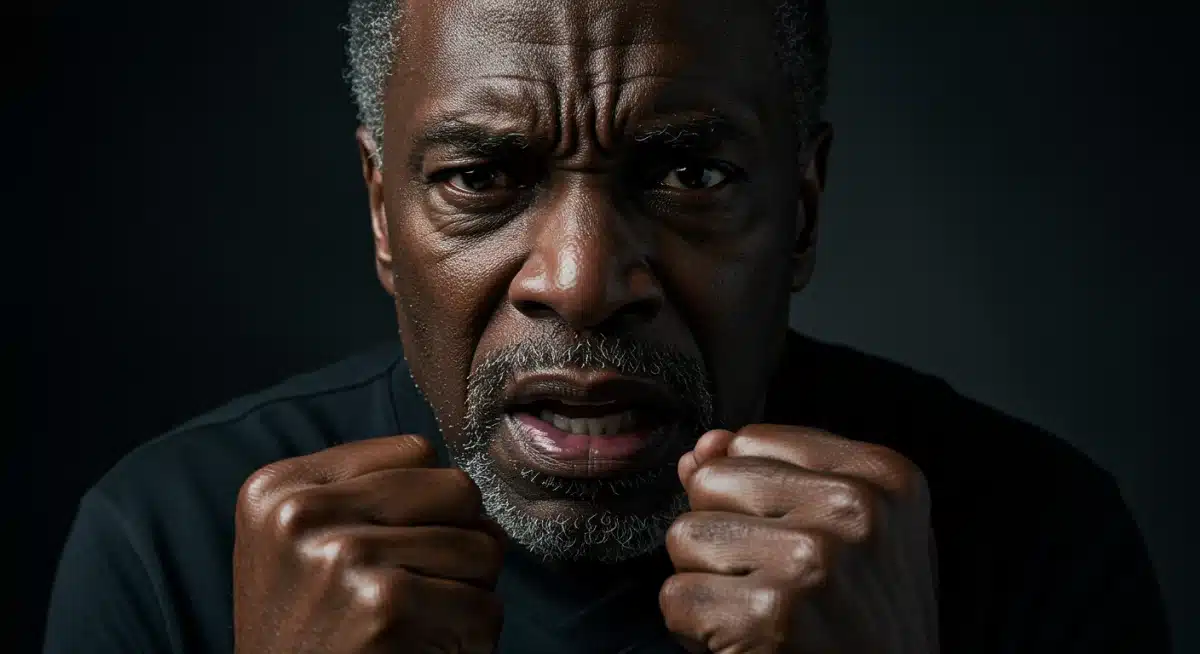
This pursuit of individuality is often seen as a way to achieve greater realism and to allow actors to showcase their transformative abilities. The goal is to create a character that feels utterly unique, someone the audience has never encountered before, even if they share broad similarities with other fictional beings.
In conclusion, Japanese dorama acting frequently utilizes archetypes as a foundation for character portrayal, allowing for nuanced exploration within recognizable frameworks, while American acting emphasizes the creation of highly individualized and psychologically complex characters, prioritizing unique and personal interpretations.
Cultural Context and Audience Expectations
The cultural context in which dramas are produced and consumed plays a pivotal role in shaping acting techniques and audience expectations. The differences between Japanese dorama acting techniques and those in the United States are deeply rooted in their respective cultural values, communication styles, and storytelling traditions.
Japanese culture often values indirect communication, harmony, and group cohesion. These values are reflected in doramas, where characters might express emotions subtly, relying on unspoken cues and contextual understanding. Audiences are accustomed to interpreting these nuances, and a more overt performance might even be perceived as unnatural or exaggerated within that cultural framework.
Impact of Societal Norms on Performance
Societal norms directly influence how emotions are portrayed and received on screen. In Japan, there’s often an appreciation for restraint and a focus on the shared experience of subtle emotions, which contributes to a collective understanding of the narrative.
- Emotional Restraint: Public displays of strong emotion are often less common in daily Japanese life, influencing how characters express themselves in media.
- Group Harmony: Characters often navigate their personal feelings within the context of family, work, or social groups, affecting how conflicts are resolved and emotions are shown.
- Aesthetic Appreciation: There is a cultural appreciation for beauty in subtlety and suggestion, which extends to the artistry of acting.
In the United States, however, cultural values often emphasize individualism, direct communication, and the freedom of self-expression. American audiences typically expect characters to articulate their feelings clearly and demonstratively. This preference for directness means that actors often need to convey emotions explicitly to ensure the audience fully grasps the character’s internal state.
The storytelling traditions also differ. Japanese dramas often explore themes of perseverance, duty, and finding one’s place within a collective, which can be conveyed through internal struggles. American narratives frequently focus on individual journeys, overcoming personal obstacles, and asserting one’s identity, often requiring more outward displays of emotion and agency.
Therefore, the distinct cultural contexts in Japan and the United States foster different audience expectations and significantly influence the acting techniques employed. Japanese doramas cater to a cultural preference for nuance and implied emotion, while American productions align with a cultural inclination towards directness and explicit emotional expression.
Bridging the Gap: Modern Trends and Crossover Appeals
While the distinctions between Japanese dorama acting techniques and those of the United States are clear, the globalized nature of media is beginning to bridge some of these gaps. Modern trends show increasing cross-cultural influences, with actors and productions drawing inspiration from diverse acting methodologies.
Japanese doramas are increasingly incorporating elements of more naturalistic acting, particularly in contemporary slice-of-life or international co-productions. Conversely, some American independent films and television series are exploring more subtle and understated performances, appreciating the impact of restraint.
Evolution of Acting in a Globalized World
The accessibility of global content through streaming platforms has exposed audiences and creators alike to a wider spectrum of acting styles. This exposure is fostering a more nuanced understanding and appreciation for different performance traditions, leading to a gradual evolution in both Japanese and American acting.
- Workshops and Exchange Programs: Actors and directors from both regions participate in workshops and exchange programs, sharing techniques and philosophies.
- International Co-productions: Projects involving talent from multiple countries necessitate a blending of acting styles and a shared understanding of performance goals.
- Audience Sophistication: Global audiences are becoming more sophisticated, appreciating a broader range of emotional expressions and storytelling approaches.
This doesn’t mean a complete homogenization of acting styles, but rather an expansion of the toolkit available to actors and directors. A Japanese actor might now be more comfortable with a scene requiring overt emotional release, just as an American actor might explore the power of silence and subtle gesture. The goal is often to serve the story most effectively, regardless of its origin.
The beauty of this evolving landscape is the potential for new, innovative forms of performance that draw on the strengths of both traditions. It allows for a richer tapestry of storytelling, where cultural specificity can still shine while embracing universal themes through diverse expressive means.
In conclusion, while distinct differences persist, modern trends and increased global exposure are fostering a fascinating convergence of Japanese dorama and United States acting techniques, leading to a more diverse and adaptable approach to performance in both regions.
| Aspect | Description |
|---|---|
| Emotional Expression | Japanese dorama favors subtlety and internal display; US acting leans towards overt and direct emotional expression. |
| Cultural Roots | Japanese acting influenced by Noh, Kabuki; US acting largely by Stanislavski’s Method. |
| Training Emphasis | Japanese training stresses discipline and technical forms; US training focuses on immersion and psychological depth. |
| Character Portrayal | Japanese doramas often utilize archetypes; US productions emphasize highly individualized character development. |
Frequently Asked Questions About Dorama Acting
Japanese dorama acting typically favors subtle, internalized emotional expression, relying on nuanced gestures and facial cues. In contrast, US acting often emphasizes overt, explicit displays of emotion, aiming for immediate and direct impact on the audience.
Traditional arts like Noh and Kabuki instill principles of stylized movement, vocal control, and symbolic expression. This heritage promotes a disciplined approach where actors convey deep feelings through controlled forms and aesthetic considerations, rather than pure realism.
While some modern Japanese actors may draw from Method acting principles, it is not the dominant technique. Japanese acting generally leans towards a more technical and disciplined approach, with less emphasis on the psychological immersion and emotional recall central to Method acting.
Understated performances in Japanese doramas often reflect cultural values of harmony, self-control, and indirect communication. Audiences are accustomed to interpreting subtle cues, and overt emotional displays might be perceived differently within this cultural context.
Yes, globalization and streaming platforms are fostering cross-cultural influences. Japanese doramas are incorporating more naturalistic elements, and some US productions are exploring subtlety. This leads to a richer blend of acting styles, expanding the expressive toolkit for actors worldwide.
Conclusion
The journey through Japanese dorama acting techniques and their divergence from United States methods reveals a rich tapestry woven from cultural heritage, artistic philosophies, and audience expectations. From the stylized restraint and deep roots in traditional performing arts that characterize Japanese acting, to the psychological realism and overt emotional displays prevalent in American Method acting, both approaches offer profound insights into the human condition.
Understanding these distinctions not only enriches our appreciation for global storytelling but also highlights the diverse ways in which actors can embody characters and convey narratives. As media continues to globalize, the fascinating interplay and potential convergence of these distinct techniques promise an even more vibrant and expressive future for performance arts worldwide.