Fact vs. Fiction in 2025’s Releases: Historical K-Dramas
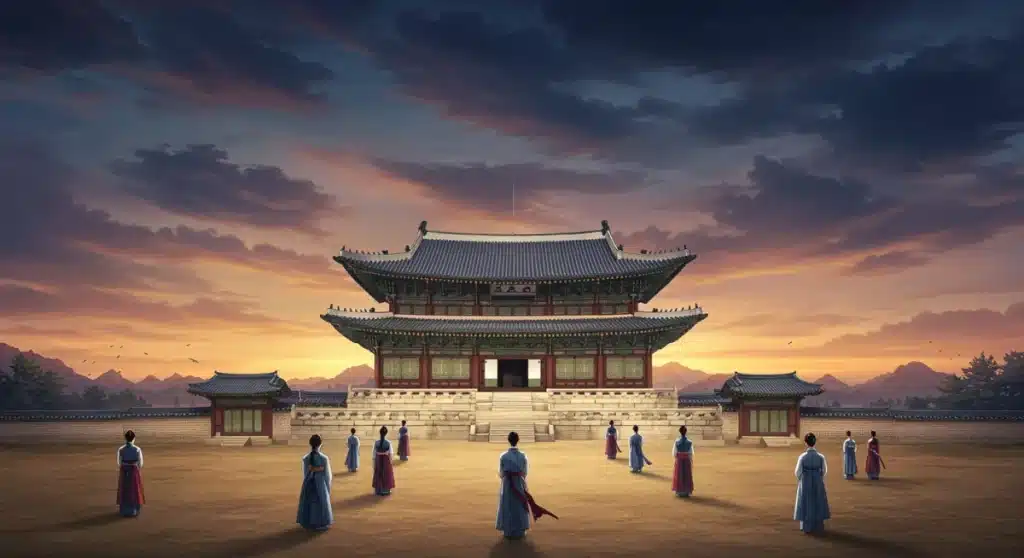
Historical K-dramas in 2025 meticulously weave real historical events and figures with fictional narratives, creating captivating stories that educate and entertain while prompting viewers to discern between documented facts and dramatic embellishments.
Are you ready to dive into the captivating world of historical K-dramas: uncovering the fact vs. fiction in 2025’s popular releases? These series often transport us to bygone eras, filled with intricate political intrigue, epic romances, and breathtaking cinematography. But how much of what we see on screen truly reflects history?
The Allure of Historical K-Dramas
Historical K-dramas, often referred to as sageuk, have garnered immense global popularity, captivating audiences with their rich narratives, stunning visuals, and compelling characters. These productions offer a unique window into Korea’s past, spanning from ancient kingdoms to the Joseon Dynasty and beyond. Their appeal lies in their ability to blend historical events with dramatic elements, creating stories that resonate deeply with viewers.
The genre is not merely about retelling history; it’s about interpreting it through a modern lens, making ancient tales accessible and engaging for contemporary audiences. This artistic freedom, however, often leads to a fascinating interplay between factual accuracy and creative license, a balance that viewers frequently ponder.
Understanding the Sageuk Genre
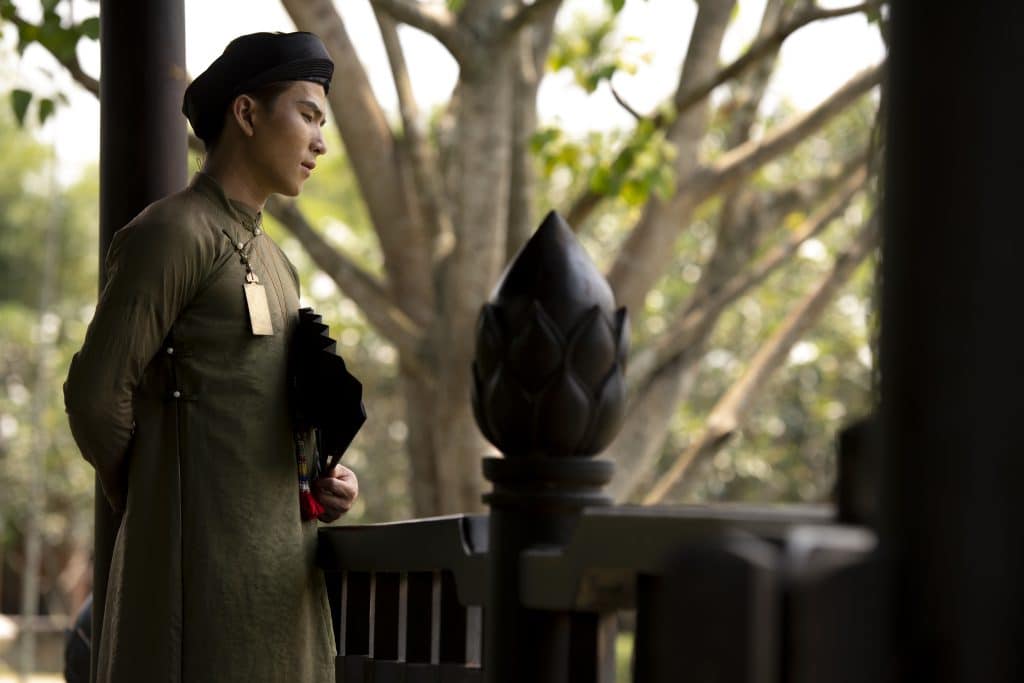
The term sageuk broadly refers to any Korean television series or film that is set in a historical period. While some sageuks strive for meticulous historical accuracy, others take significant liberties, using historical backdrops as a canvas for fictionalized plots and characters. This distinction is crucial for understanding what to expect from a historical K-drama.
- Documentary-style Sageuk: These aim for high historical fidelity, often focusing on well-documented events and figures with minimal fictionalization.
- Fusion Sageuk: This subgenre blends historical settings with modern sensibilities, often introducing anachronistic elements or entirely fictional plots and characters within a historical context.
- Biographical Sageuk: Centered around the lives of real historical figures, these dramas often dramatize personal struggles and achievements, sometimes filling in gaps with speculative narratives.
The popularity of sageuk also stems from its ability to explore universal themes such as love, betrayal, power, and justice, all set against the dramatic backdrop of Korea’s past. This universal appeal transcends cultural boundaries, drawing in viewers who might otherwise have no prior knowledge of Korean history.
2025’s Anticipated Historical K-Dramas: A Glimpse
As 2025 approaches, the anticipation for new historical K-dramas is building, with several promising titles on the horizon. These upcoming releases promise to continue the tradition of captivating storytelling, each bringing its own unique blend of historical inspiration and dramatic flair. Understanding the historical context behind these dramas can greatly enhance the viewing experience.
Many of these dramas draw inspiration from lesser-known historical periods or focus on figures whose stories have not been widely told, offering fresh perspectives on Korean history. This commitment to exploring diverse historical narratives is a testament to the genre’s evolving nature and its continuous effort to keep audiences engaged.
Exploring New Historical Narratives
The upcoming year is set to feature dramas exploring various epochs, from the tumultuous Goryeo dynasty to the late Joseon period, a time of significant social and political change. These choices reflect a growing trend in K-drama production to diversify historical settings beyond the frequently depicted Joseon era.
- Goryeo Era Revivals: Expect more dramas set during the Goryeo Dynasty, a period rich with tales of political struggle, Buddhist influence, and cultural development.
- Late Joseon Unrest: Series focusing on the waning years of Joseon, exploring the impact of foreign powers and internal reforms, are also gaining traction.
- Early Kingdoms: Some productions might even delve into the Three Kingdoms period or earlier, offering epic sagas of nation-building and legendary heroes.
Producers and writers often spend extensive time researching these periods to ensure a foundational level of authenticity, even when fictional elements are introduced. This dedication to historical groundwork helps to ground the narratives in a believable reality, making the fictional embellishments more impactful.
Fact-Checking the Fictionalized Past
One of the most engaging aspects of watching historical K-dramas is the constant internal debate about what is real and what is fictional. While dramas are primarily for entertainment, many viewers use them as a starting point to learn more about Korean history. This makes the distinction between fact and fiction incredibly important for both viewers and creators.
The challenge for creators lies in striking a balance. Too much historical accuracy might stifle dramatic creativity, while too much fiction could alienate viewers who seek a connection to actual history. The most successful historical K-dramas manage to walk this tightrope effectively, offering a compelling story that feels historically plausible.
Key Elements to Scrutinize
When watching a historical K-drama, several elements can help viewers discern between fact and fiction:
- Main Characters: Are the central figures actual historical personalities, or are they entirely fictional creations? Even real figures often have their personalities and actions dramatized.
- Major Events: Are the pivotal plot points based on documented historical occurrences, or are they invented to serve the narrative?
- Costumes and Settings: While often visually stunning, historical accuracy in attire and architecture can vary. Major discrepancies might indicate a more fusion-style approach.
Understanding the historical context of a drama’s setting can significantly enhance one’s ability to appreciate the creative choices made by the production team. It allows viewers to engage with the material on a deeper level, moving beyond simple entertainment to a more informed perspective.
The Role of Creative License and Artistic Interpretation
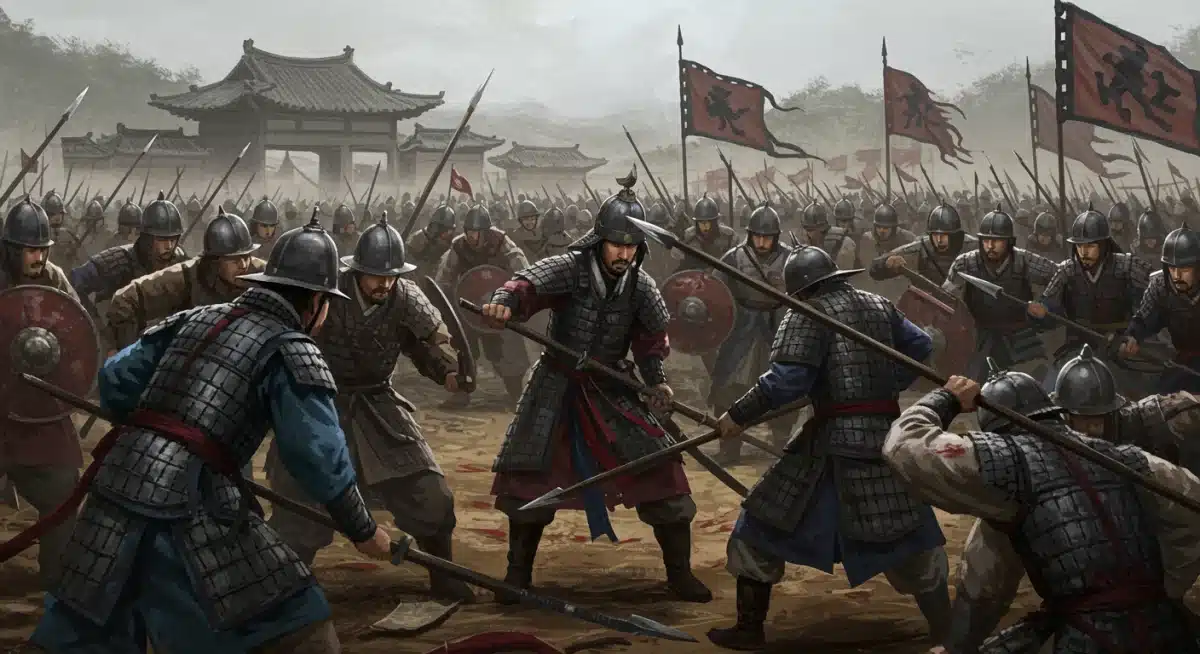
Creative license is not merely an excuse for historical inaccuracies; it is a vital tool for storytelling. In historical K-dramas, it allows writers to craft compelling narratives, develop complex characters, and explore themes that resonate with modern audiences, even if it means deviating from strict historical records. This artistic freedom is what transforms dry historical facts into vibrant, emotional experiences.
Often, historical records are incomplete or biased, leaving gaps that writers must fill. Creative license enables them to construct plausible scenarios and dialogues, giving voice to historical figures whose inner lives remain largely unknown. This interpretive aspect is what makes historical dramas so engaging and emotionally powerful.
Why Fiction Enhances History
While some purists might argue against any deviation from historical fact, fiction often serves to enhance the historical narrative in several ways:
- Emotional Connection: Fictionalized relationships and personal struggles can make historical figures more relatable and human, fostering a deeper emotional connection with the audience.
- Pacing and Drama: Real history can sometimes be slow or uneventful. Fiction allows for the creation of dramatic tension, plot twists, and climactic moments that keep viewers on the edge of their seats.
- Exploring ‘What Ifs’: Dramas can explore alternative scenarios or speculate on the motivations behind historical decisions, offering new perspectives on well-known events.
The beauty of a well-executed historical K-drama lies in its ability to spark curiosity about the past, encouraging viewers to delve deeper into actual historical research. It acts as a gateway, making history accessible and exciting for a broad audience who might otherwise find it intimidating or uninteresting.
Impact on Historical Perception and Education
Historical K-dramas play a significant role in shaping public perception of Korean history, both domestically and internationally. For many, these dramas are their first introduction to Korea’s rich past, making the responsibility of creators to balance entertainment with historical integrity quite significant. The portrayal of historical figures and events, even if dramatized, can leave a lasting impression.
While not academic texts, these dramas often inspire viewers to seek out more information, leading to a greater appreciation and understanding of Korean culture and history. This educational byproduct is a powerful testament to the genre’s influence, extending far beyond mere entertainment.
Encouraging Historical Inquiry
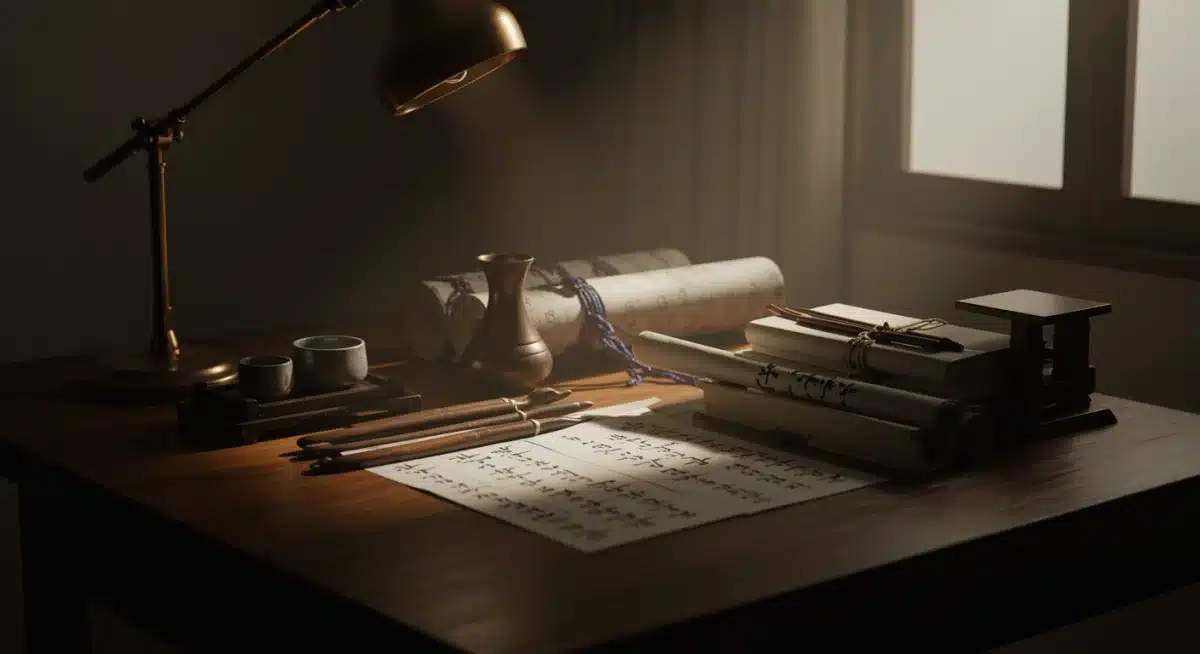
Rather than being seen as definitive historical accounts, historical K-dramas often serve as excellent springboards for further learning. Viewers frequently find themselves researching the real events and people depicted, comparing them to the drama’s narrative.
- Sparking Curiosity: Dramas introduce historical periods and figures in an engaging way, prompting viewers to learn more.
- Cultural Diplomacy: They offer a soft power approach to introducing Korean culture and history to a global audience, fostering understanding and appreciation.
- Debate and Discussion: The blend of fact and fiction often leads to lively discussions among fans, encouraging critical thinking about historical narratives.
Educators in Korea and beyond have recognized the potential of these dramas as supplementary educational tools, using them to engage students and make history lessons more vivid and relatable. This integration of popular culture into education highlights the genre’s broader societal impact.
Navigating Historical K-Dramas as a Viewer
For the avid viewer, navigating the world of historical K-dramas means embracing the entertainment while maintaining a critical eye. It’s about enjoying the artistry and storytelling without necessarily accepting every plot point as gospel truth. This approach allows for a richer and more nuanced viewing experience, appreciating both the historical inspiration and the dramatic execution.
The key is to approach these dramas with an understanding that they are primarily works of fiction, even when rooted in historical events. This mindset helps in appreciating the creative liberties taken and understanding why certain narrative choices were made, rather than getting caught up in minor historical discrepancies.
Tips for Informed Viewing
To get the most out of your historical K-drama experience, consider these tips:
- Do Your Own Research: If a particular character or event piques your interest, take a few minutes to look it up. Wikipedia or reliable historical sites can offer quick insights.
- Read Reviews and Discussions: Many fan communities and review sites often discuss the historical accuracy of dramas, providing valuable context.
- Appreciate the “Spirit” of History: Even if details are altered, many dramas strive to capture the essence or general atmosphere of a historical period, which can be just as important as exact facts.
Ultimately, historical K-dramas offer a unique form of entertainment that bridges the past and the present. By understanding the delicate balance between fact and fiction, viewers can fully immerse themselves in these captivating stories, gaining both enjoyment and a deeper appreciation for Korean history and culture.
| Key Aspect | Description in Historical K-Dramas |
|---|---|
| Historical Figures | Often real, but personalities and motives are dramatized for narrative impact. |
| Major Events | Core events may be factual, but surrounding details and outcomes can be altered. |
| Costumes & Settings | Visually stunning, but can sometimes prioritize aesthetic appeal over strict historical accuracy. |
| Narrative Arc | Heavily fictionalized to create dramatic tension, romance, and compelling storylines. |
Frequently asked questions about historical K-dramas
Historical K-dramas, while rooted in real historical periods and often featuring actual figures, frequently take creative liberties. They blend documented facts with fictionalized plots, characters, and dialogues to enhance dramatic appeal and engage a broader audience. Viewers should approach them as historical fiction, not documentaries.
‘Sageuk’ specifically refers to K-dramas set in historical periods, typically pre-modern Korea (before the late 19th century). Other K-drama genres cover contemporary settings, fantasy, romance, or crime, without the historical backdrop. Sageuks are distinct for their period costumes, settings, and often political intrigue.
Producers often choose periods rich in dramatic potential, significant political events, or iconic figures. The Joseon Dynasty is a popular choice due to its extensive records and recognizable cultural elements. However, there’s a growing trend to explore other captivating eras like Goryeo or the Three Kingdoms for fresh narratives and untapped stories.
Yes, historical K-dramas can be excellent educational springboards. While not always strictly accurate, they introduce viewers to key historical figures, cultural practices, and significant events in an engaging way. This often sparks curiosity, encouraging audiences to delve into further research and learn more about actual Korean history.
Common fictional elements include romantic subplots, exaggerated character traits for dramatic effect, invented personal stories for historical figures, and simplified or altered political outcomes. Dialogue often modernizes historical speech, and certain events might be compressed or rearranged to fit the narrative flow and maintain viewer engagement.
Conclusion
The enduring popularity of historical K-dramas, particularly the releases anticipated in 2025, underscores their unique ability to blend the rich tapestry of Korean history with compelling dramatic storytelling. These series serve as more than just entertainment; they are cultural ambassadors, introducing global audiences to the fascinating complexities of Korea’s past.
While they expertly weave fact with fiction to create engaging narratives, understanding this dynamic allows viewers to appreciate both the artistic license and the historical roots. By approaching these dramas with a discerning eye, audiences can enjoy the captivating stories while being inspired to explore the authentic historical accounts that form their foundation. This interplay ensures that historical K-dramas remain a vibrant and influential genre, continually sparking curiosity and fostering a deeper connection to Korean heritage.