The Geisha’s Curse: Cultural Appropriation Debate Rages in US
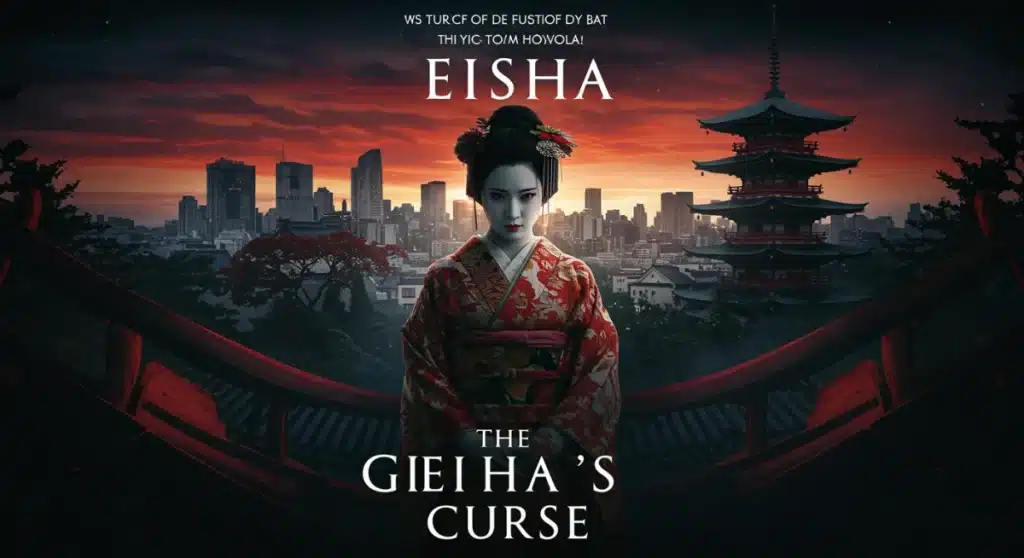
The dorama ‘The Geisha’s Curse’ has ignited a significant debate among US critics, facing accusations of cultural appropriation due to its portrayal of Japanese traditions and the geisha experience.
Controversy Alert: ‘The Geisha’s Curse’ Accused of Cultural Appropriation – Debate Rages Among US Critics, sparking widespread discussion across media landscapes and online forums.
This highly anticipated dorama, intended to bring a rich Japanese narrative to a global audience, has instead found itself at the center of a cultural firestorm.
Critics in the United States are vocalizing concerns regarding its handling of delicate cultural elements, questioning the line between appreciation and appropriation.
Unpacking the Accusations: What is Cultural Appropriation?
The core of the controversy surrounding ‘The Geisha’s Curse’ lies in the concept of cultural appropriation.
This term refers to the adoption or use of elements of a minority culture by members of the dominant culture, often without understanding, acknowledgment, or respect for the original context or significance. I
t’s a complex issue, particularly in the realm of art and media, where creative expression often draws from diverse sources.
Many US critics argue that ‘The Geisha’s Curse’ takes traditional Japanese aesthetics and practices, particularly those associated with geisha, and reinterprets them in a way that strips them of their inherent meaning.
This reinterpretation, they contend, often serves to exoticize or simplify a profound cultural institution for entertainment purposes, rather than offering an authentic or respectful portrayal.
The debate highlights the delicate balance creators must strike when engaging with cultures outside their own.
Defining Cultural Appropriation in Media

Cultural appropriation in media is not merely about borrowing; it’s about power dynamics and historical context.
When a dominant culture profits from or distorts elements of a marginalized culture, it can perpetuate stereotypes and erase the contributions of the original creators. This is precisely the concern raised by many critics regarding ‘The Geisha’s Curse’.
- Misrepresentation: Portraying cultural elements inaccurately or superficially.
- Lack of Attribution: Failing to acknowledge the origins and significance of borrowed traditions.
- Commodification: Turning sacred or meaningful cultural practices into mere products for consumption.
- Reinforcing Stereotypes: Perpetuating harmful or simplified views of a culture.
The discussion around ‘The Geisha’s Curse’ serves as a crucial reminder that creative works, even those intended to honor other cultures, can inadvertently cause harm if not handled with extreme care and thorough cultural consultancy.
The intent behind a work does not always align with its impact, especially when cultural narratives are involved.
Historical Context: Geisha and Western Portrayals
The figure of the geisha has long been a subject of fascination and frequent misinterpretation in Western media.
From literature to film, portrayals have often veered into exoticism, romanticization, or outright inaccuracy, conflating geisha with prostitution or reducing them to passive, subservient figures.
This historical backdrop is crucial for understanding the current scrutiny facing ‘The Geisha’s Curse’.
Critics point out that these past misrepresentations have created a deeply ingrained set of stereotypes that contemporary works must actively dismantle, not reinforce.
When a new dorama emerges with a title like ‘The Geisha’s Curse’ and then proceeds to depict elements that resonate with these historical inaccuracies, it naturally raises red flags for those attuned to cultural sensitivity and authentic representation.
The Legacy of Misconceptions
For centuries, the intricate world of geisha, highly skilled artists and entertainers, has been shrouded in mystery and misconception in the West.
This has led to a persistent struggle for accurate representation.
The current debate surrounding ‘The Geisha’s Curse’ is not an isolated incident but rather a continuation of this long-standing issue.
- Madame Butterfly: An opera that famously perpetuated the stereotype of the tragic, subservient Asian woman.
- Memoirs of a Geisha: While a popular novel and film, it also faced criticism for its Western gaze and inaccuracies.
- Orientalism: A broader academic concept describing the Western tendency to essentialize and exoticize Eastern cultures.
Understanding this historical context is vital for appreciating why the ‘geisha’s curse cultural appropriation’ discussion is so charged.
It’s not just about one dorama; it’s about a pattern of representation that has often failed to do justice to the richness and complexity of Japanese culture.
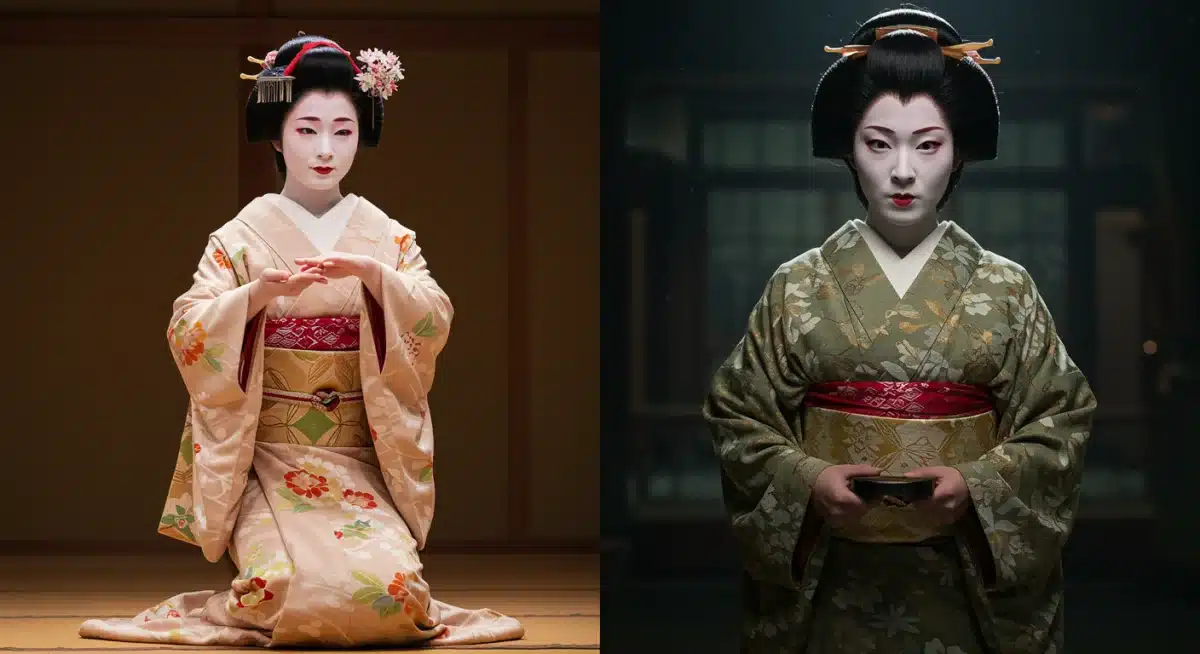
US Critics’ Perspectives: Authenticity vs. Artistic License
The debate among US critics over ‘The Geisha’s Curse’ largely centers on the tension between artistic license and the imperative for cultural authenticity.
While creators often argue for the freedom to interpret and reimagine, critics emphasize that this freedom should not come at the expense of misrepresenting or disrespecting a culture, especially one that has historically been marginalized or misunderstood.
Many critics argue that genuine artistic expression involves deep research, collaboration with cultural insiders, and a commitment to nuance. They question whether ‘The Geisha’s Curse’ undertook these rigorous steps, or if it instead relied on convenient tropes and superficial understanding.
The critical consensus suggests that a lack of genuine engagement with Japanese cultural consultants may have contributed significantly to the perceived missteps in the dorama.
Key Points of Contention
The criticisms leveled against ‘The Geisha’s Curse’ are varied but coalesce around several central themes. These points highlight the specific ways in which the dorama is perceived to have fallen short in its cultural depiction.
- Costume Inaccuracies: Details in traditional attire, such as kimono styling or makeup, deviated from authentic geisha practices.
- Narrative Tropes: The storyline relied on stereotypical narratives about geisha, rather than exploring their complex roles as artists.
- Lack of Japanese Voices: Insufficient involvement of Japanese writers, directors, or cultural advisors in key creative roles.
- Exoticization: Presenting Japanese culture primarily through a lens of ‘otherness,’ emphasizing its perceived strangeness rather than its intrinsic beauty.
This discussion about authenticity versus artistic license is not unique to ‘The Geisha’s Curse’; it’s a recurring theme in global media production. However, the intensity of the debate here underscores the growing demand for respectful and accurate cultural representation, particularly in the US market.
The Impact on Japanese Dorama and Global Audiences
The accusations of cultural appropriation leveled against ‘The Geisha’s Curse’ have significant implications not only for this specific dorama but for the broader landscape of Japanese storytelling reaching global audiences.
As Japanese dramas, or doramas, gain increasing international popularity, the manner in which they are produced and received becomes paramount. This controversy could shape future production decisions and how cultural narratives are handled.
For global audiences, particularly those in the US, this debate serves as an educational moment. It prompts viewers to critically examine the media they consume, encouraging them to look beyond surface-level entertainment and consider the cultural implications of what they are watching.
This heightened awareness can foster a more discerning audience that demands greater accuracy and respect in storytelling.
Shaping Future Productions
The backlash against ‘The Geisha’s Curse’ could lead to a re-evaluation of production practices for doramas aimed at international markets.
Producers and creators may become more cautious, prioritizing cultural consultation and diverse creative teams to avoid similar controversies.
This could ultimately lead to more nuanced and authentic portrayals of Japanese culture.
- Increased Cultural Consultation: Productions may seek more input from cultural experts and community members.
- Diverse Creative Teams: Greater inclusion of Japanese writers, directors, and cultural advisors.
- Focus on Nuance: Moving beyond stereotypes to explore the depth and diversity of Japanese experiences.
Ultimately, while the controversy surrounding ‘The Geisha’s Curse’ is challenging, it also presents an opportunity for growth and improvement in how Japanese doramas are created and shared with the world, fostering a more respectful and enriched viewing experience for everyone.
Defense and Creator’s Response: Artistic Intent and Interpretation
In response to the mounting accusations, the creators and producers of ‘The Geisha’s Curse’ have offered defenses centered on artistic intent and interpretive freedom.
Their arguments often highlight the dorama’s fictional nature, asserting that it is not intended as a documentary but rather a work of creative storytelling inspired by certain cultural elements.
This perspective emphasizes the right of artists to adapt and transform source material.
They maintain that their intention was to create a compelling narrative, not to disrespect or misrepresent Japanese culture.
Some responses have also pointed to the global nature of artistic exchange, suggesting that cultural borrowing is a natural and often beneficial part of creative evolution.
However, these defenses have often been met with skepticism by critics who argue that intent does not absolve a work from its potentially harmful impact.
The Fine Line of Inspiration
The creators’ defense often navigates the fine line between inspiration and appropriation.
They might argue that elements were drawn from Japanese culture as a form of homage or imaginative interpretation, rather than a direct claim of ownership or accurate depiction.
This perspective highlights the subjective nature of artistic creation.
- Fictional Narrative: Emphasis on the dorama being a work of fiction, not a historical account.
- Homage Argument: Claiming the use of cultural elements as a tribute or sign of admiration.
- Universal Themes: Suggesting that the story explores themes that transcend specific cultural boundaries.
Despite these arguments, the ongoing debate underscores the growing expectation that creators, especially those from dominant cultures, bear a greater responsibility to engage with sensitivity and thoroughness when depicting other cultures, even within fictional frameworks.
Moving Forward: Lessons from The Geisha’s Curse Controversy
The controversy surrounding The Geisha’s Curse has become a defining moment in conversations about cultural representation, authenticity, and global storytelling. This curse—not only in the literal sense of the title but as a metaphor for repeated industry missteps—highlights how easily misunderstandings arise when cultural symbols are handled without sufficient care.
In an increasingly interconnected world, where narratives travel instantly across countries and platforms, the ripple effect of a single portrayal can shape perceptions, spark debates, and even reinforce harmful stereotypes.
The curse of misrepresentation is not new, but this case demonstrates how quickly audiences today recognize inaccuracies and demand accountability.
As global media consumption grows, so does the expectation for creators to approach culturally sensitive themes with more responsibility and depth.
This controversy underscores the urgent need for greater cultural literacy, thoughtful research, and genuine sensitivity in the creative process—especially when dealing with traditions, histories, and identities from non-dominant cultures.
For creators, the takeaway is unmistakable: the best defense against falling into the curse of shallow or misguided representation is authentic engagement.
Consultation and collaboration with cultural experts, historians, and community voices are no longer optional—they are essential steps in ethical storytelling. Research must go beyond surface-level aesthetics and explore meaning, symbolism, and lived experience.
For audiences, the controversy offers its own lessons. It reminds viewers to remain critically aware, to question portrayals that feel exaggerated or inaccurate, and to advocate for depictions that honor the cultures they draw from.
As consumers of global media, audiences play a key role in breaking the cycle of the representation curse, pushing the industry toward higher standards and more thoughtful narratives.
Ultimately, the debate around The Geisha’s Curse serves not as a setback but as a catalyst for growth. It opens the door for more responsible, collaborative, and respectful storytelling practices across the entertainment landscape.
Best Practices for Cultural Representation
To avoid repeating the same curse of misinterpretation and cultural insensitivity, creators can adopt several best practices that prioritize respect, depth, and authenticity.
These guidelines don’t just prevent controversy—they enhance storytelling by grounding it in real cultural richness.
1. Commit to Deep Cultural Research
Understanding cultural context, traditions, and symbolism is essential. Research should be ongoing, layered, and guided by credible sources.
2. Collaborate with Cultural Consultants Early
Bringing cultural experts into the creative process from the start helps avoid mistakes and enriches the narrative’s authenticity.
3. Prioritize Lived Experiences
Creators should actively seek perspectives from people who belong to the culture being represented. Lived experiences break the curse of one-dimensional portrayals.
4. Avoid Exoticization and Stereotypes
Representations should reflect nuance, complexity, and humanity—not outdated tropes.
5. Encourage Diverse Storytelling Teams
Having a multicultural team reduces blind spots and fosters more inclusive, balanced narratives.
6. Be Transparent and Open to Feedback
If concerns arise, acknowledging them publicly and addressing issues respectfully helps break the cycle of controversy.
- Early Cultural Consultation: Involve cultural experts from the initial stages of development.
- Hire Diverse Talent: Include writers, directors, and actors from the represented culture.
- Thorough Research: Go beyond superficial elements to understand the depth and nuances of cultural practices.
- Community Engagement: Seek feedback from the community whose culture is being depicted.
Ultimately, the conversation sparked by ‘The Geisha’s Curse’ is a positive step towards a more inclusive and understanding global media environment. It encourages a shift from mere tolerance to active appreciation and respectful collaboration, ensuring that stories are told with integrity and impact.
| Key Point | Brief Description |
|---|---|
| Cultural Appropriation Accusations | US critics allege ‘The Geisha’s Curse’ misrepresents Japanese culture, particularly geisha, for entertainment. |
| Historical Misrepresentation | Debate fueled by past Western media’s inaccurate and exoticized portrayals of geisha. |
| Artistic License vs. Authenticity | Core conflict between creators’ freedom of interpretation and the need for cultural accuracy. |
| Impact on Dorama Production | Controversy pushes for more cultural consultation and diverse teams in future Japanese media. |
Frequently Asked Questions About ‘The Geisha’s Curse’ Controversy
The primary accusation against ‘The Geisha’s Curse’ is cultural appropriation. US critics argue that the dorama inaccurately and disrespectfully portrays Japanese geisha culture, stripping it of its original meaning and context for entertainment purposes, thereby perpetuating harmful stereotypes.
The portrayal of geisha is sensitive due to a long history of misrepresentation in Western media, often conflating them with prostitution or reducing them to exotic figures. Accurate representation is crucial to counter these persistent, damaging stereotypes and honor the complex artistry of geisha.
Creators typically defend ‘The Geisha’s Curse’ by emphasizing artistic license and fictional storytelling. They assert that the dorama is not a documentary but an inspired work, arguing for creative freedom to interpret cultural elements without necessarily aiming for absolute historical or cultural accuracy.
The controversy could lead to increased scrutiny for future doramas, particularly those targeting international audiences. It may encourage producers to prioritize cultural consultation, hire more diverse creative teams, and conduct thorough research to ensure respectful and authentic cultural representations.
US critics play a significant role by highlighting issues of cultural sensitivity and representation, influencing public perception, and holding creators accountable. Their discourse helps shape standards for cultural depiction in global media, advocating for nuanced storytelling and respect for diverse cultures.
Conclusion
The intense debate surrounding ‘The Geisha’s Curse’ accused of cultural appropriation serves as a pivotal moment in the ongoing conversation about media representation and cultural sensitivity.
It highlights the intricate challenges faced by creators when adapting cultural narratives for global audiences, especially in an era of heightened awareness and critical scrutiny.
While artistic freedom remains a cherished principle, the controversy underscores that it must be balanced with responsibility, respect, and a deep understanding of the cultures being portrayed.
Moving forward, the lessons learned from this discussion will undoubtedly influence how Japanese doramas and other international productions approach cultural storytelling, fostering a more thoughtful and inclusive creative landscape for everyone involved.