Female Leads in Japanese Dramas: Empowering Women by 2026
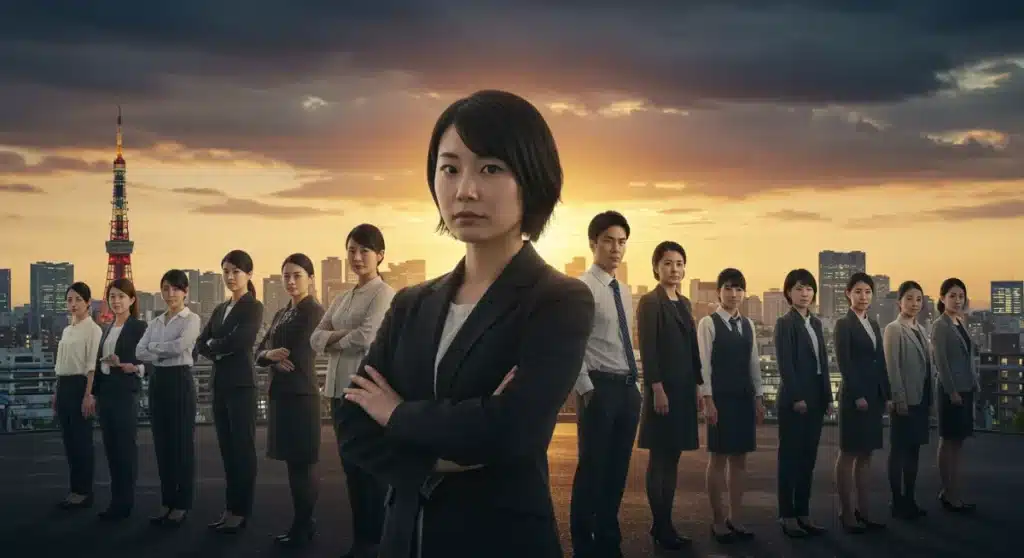
Japanese dramas are increasingly featuring powerful female leads, driving significant cultural shifts and empowering women by showcasing diverse narratives and challenging traditional gender roles, solidifying their impact by 2026.
In recent years, the landscape of Japanese entertainment has witnessed a profound transformation, with female leads in Japanese dramas taking center stage and reshaping narratives. This shift is not merely a trend but a significant cultural movement, empowering women by presenting multifaceted characters who defy traditional stereotypes and inspire audiences globally. By 2026, this evolution is poised to reach new heights, cementing the role of J-dramas as powerful vehicles for social change and gender equality.
The Evolution of Female Representation in J-Dramas
Japanese dramas have always reflected societal values, but the portrayal of women has undergone a remarkable evolution. Historically, female characters often occupied supporting roles, primarily defined by their relationships with male protagonists or constrained by domestic expectations. However, the last decade has seen a dramatic shift, with creators actively crafting complex, independent, and ambitious female leads who drive the story forward.
This change is a testament to growing societal awareness and demand for more authentic representation. Audiences, particularly younger generations, are seeking characters they can relate to—women who navigate careers, personal challenges, and societal pressures with resilience and agency. The shift signifies a broader cultural conversation about gender roles and the aspirations of modern Japanese women, pushing the boundaries of what is traditionally depicted on screen.
From Submissive to Self-Reliant: A Narrative Leap
- Challenging Stereotypes: Modern J-dramas actively dismantle antiquated stereotypes, showing women as more than just wives, mothers, or romantic interests.
- Showcasing Professionalism: Many new dramas feature women excelling in demanding fields such as medicine, law, business, and even traditionally male-dominated industries.
- Embracing Individuality: Characters are increasingly allowed to have flaws, ambitions, and unique personalities, making them more relatable and human.
The evolution is not just about showing women in new roles, but also about exploring their inner lives, struggles, and triumphs with depth and nuance. This narrative leap provides a richer viewing experience and, more importantly, offers powerful role models for viewers, both within Japan and internationally. The intricate portrayals contribute significantly to the empowering message.
In conclusion, the transformation of female representation in Japanese dramas from passive figures to active, self-reliant protagonists marks a pivotal moment. This evolution reflects and influences societal changes, paving the way for even more empowering narratives in the years to come.
Breaking Barriers: Career-Driven Women on Screen
One of the most impactful ways Japanese dramas are empowering women is by showcasing career-driven female leads who are unapologetically ambitious and competent. These characters are not just successful in their professions; they often face and overcome systemic challenges, proving their worth in male-dominated environments and inspiring viewers to pursue their own career aspirations without reservation.
These narratives highlight the realities of working women in Japan, from balancing professional demands with personal life to confronting workplace discrimination. By portraying these struggles and triumphs, J-dramas validate the experiences of many women and offer fictional blueprints for navigating career complexities. The authenticity of these portrayals resonates deeply, fostering a sense of solidarity and encouragement among the audience.
Navigating Professional Landscapes with Grit
Many dramas delve into the intricacies of specific professions, offering a glimpse into the dedication and intelligence required. Whether it’s a brilliant surgeon, a tenacious detective, or a visionary entrepreneur, these characters demonstrate that competence knows no gender. They often mentor younger women, showcasing the importance of female solidarity in professional spaces.
The rise of these strong, professional women on screen sends a clear message: women are capable, driven, and deserve recognition for their contributions in any field. This visibility is crucial for inspiring young girls and women to aim high and break through their own perceived limitations, thereby contributing to a more equitable professional landscape. The dramas often depict their journey with realism, making their successes all the more impactful.
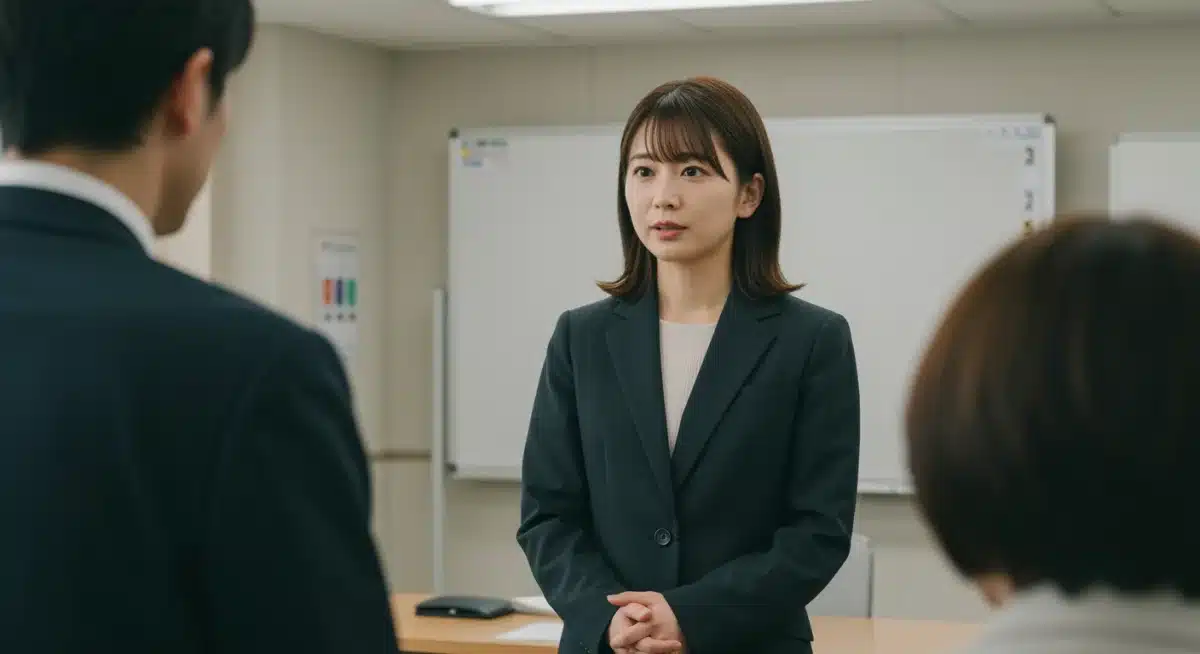
Moreover, these storylines often explore the personal sacrifices and difficult choices that come with a demanding career, adding layers of complexity to the characters. This humanizes them, making their struggles and successes more relatable and profound. The dramas avoid simplistic portrayals, instead opting for nuanced explorations of female ambition and its consequences.
Ultimately, the prominence of career-driven female leads in Japanese dramas is a powerful tool for empowerment. It not only entertains but also educates and inspires, showing that professional success is a legitimate and attainable goal for women, and that their contributions are invaluable to society. This trend is expected to continue strengthening, further solidifying its positive impact.
Challenging Societal Norms and Expectations
Beyond career aspirations, Japanese dramas are increasingly challenging long-standing societal norms and expectations placed upon women. From marriage and motherhood to beauty standards and social roles, these narratives bravely tackle sensitive subjects, prompting viewers to reconsider traditional viewpoints and embrace more progressive ideals. This critical examination of societal structures is a cornerstone of female empowerment.
These dramas often depict characters who choose unconventional paths, whether it’s opting out of marriage, pursuing motherhood later in life, or redefining what a successful life looks like outside of traditional benchmarks. By presenting these alternative lifestyles, J-dramas validate diverse choices and encourage women to live authentically, free from the pressure of societal conformity. This representation is vital for fostering individuality and self-acceptance.
Redefining Relationships and Personal Freedom
- Beyond the Traditional Family: Dramas explore various family structures and relationships, moving beyond the nuclear family ideal to include single women, chosen families, and diverse partnerships.
- Autonomy in Romance: Female characters are increasingly portrayed as having agency in their romantic lives, making choices based on their own desires rather than societal pressure or expectation.
- Critiquing Beauty Standards: Some narratives subtly or overtly challenge conventional beauty standards, promoting self-acceptance and inner beauty over superficial appearances.
The exploration of personal freedom extends to how women interact with their communities and make decisions about their bodies and futures. These narratives often feature women who stand up for themselves and others, demonstrating courage and resilience in the face of adversity. This portrayal of strength in personal conviction is a powerful message for empowerment.
By continually pushing the boundaries of what is considered acceptable or typical, Japanese dramas contribute to a more open and inclusive society. They provide platforms for discussing difficult topics, encouraging empathy and understanding among viewers. This ongoing dialogue is essential for fostering real social change and empowering women to define their own destinies.
The Influence of Strong Female Leads on Global Audiences
The impact of strong female leads in Japanese dramas extends far beyond Japan’s borders, reaching a global audience and influencing perceptions of women worldwide. As J-dramas gain international popularity through streaming platforms, these empowering narratives are inspiring viewers from diverse cultural backgrounds, fostering cross-cultural dialogue about gender equality and female strength.
International viewers are drawn to the authenticity and depth of these characters, finding universal themes in their struggles and triumphs. The portrayal of women balancing tradition with modernity, personal ambition with societal expectations, resonates deeply, offering new perspectives on female agency and resilience. This global reach amplifies the message of empowerment, making it a truly international phenomenon.
Cultural Exchange and Shared Values
The global consumption of J-dramas facilitates a unique cultural exchange, where audiences learn about Japanese society while also reflecting on their own. The stories of empowered Japanese women can inspire similar conversations and movements in other countries, demonstrating the power of media to transcend geographical boundaries and promote shared values of equality and respect.
Furthermore, the success of these dramas on the international stage encourages Japanese creators to continue developing rich and complex female characters, knowing that their work has a meaningful impact on a global scale. This positive feedback loop ensures a continuous flow of inspiring content, further solidifying the trend of female empowerment in J-dramas.
The increasing accessibility of J-dramas through streaming services means that these narratives are reaching more people than ever before. This widespread exposure helps to dismantle preconceived notions about Japanese women and promotes a more nuanced understanding of their roles and aspirations in contemporary society. The narratives serve as cultural ambassadors, challenging stereotypes and fostering greater appreciation.
In essence, the influence of strong female leads in Japanese dramas on global audiences is multifaceted. It not only entertains but also educates, inspires, and fosters a sense of global solidarity among women and allies who champion gender equality. This international resonance underscores the profound impact of these stories.
Production Trends and Future Outlook for 2026
Looking ahead to 2026, several production trends indicate that the emphasis on empowering female leads in Japanese dramas will only intensify. Production companies are increasingly recognizing the commercial and cultural value of these narratives, leading to greater investment in diverse storytelling and character development. This strategic shift is driven by both audience demand and a growing awareness of social responsibility within the entertainment industry.
Technological advancements, particularly in streaming and digital distribution, are also playing a crucial role. These platforms allow for greater experimentation with themes and formats, giving creators more freedom to explore complex female characters without the constraints of traditional broadcasting models. This creative liberation is fostering a new era of innovative storytelling, pushing the boundaries of what is possible.
Key Trends Shaping Future Narratives
- Increased Budget Allocation: More resources are being dedicated to dramas featuring female-centric plots, ensuring high production quality and broader appeal.
- Diverse Creative Teams: A greater number of female writers, directors, and producers are entering the industry, bringing authentic perspectives to female character development.
- Focus on Untapped Stories: There’s a growing interest in exploring niche experiences and untold stories of women from various backgrounds, ages, and professions.
By 2026, we can expect to see an even wider array of female protagonists, from those navigating futuristic technological landscapes to those rediscovering historical female figures. The narratives will likely delve deeper into issues such as mental health, LGBTQ+ representation, and intersectional feminism, reflecting a more inclusive and progressive societal dialogue. This forward-looking approach ensures continued relevance and impact.
The future outlook for Japanese dramas is bright, with a clear trajectory towards more empowering and diverse female representation. These trends promise not only compelling entertainment but also a continued contribution to social progress, making J-dramas a powerful force for change. The industry’s commitment to these narratives will undoubtedly shape the cultural landscape.
Impact on Japanese Society and Gender Equality
The rise of strong female leads in Japanese dramas is having a tangible impact on Japanese society, slowly but surely contributing to greater gender equality. These dramas serve as cultural mirrors, reflecting current societal discussions and simultaneously acting as catalysts for change. By normalizing female ambition, independence, and diverse life choices, they challenge deeply ingrained patriarchal norms.
The narratives provide a common ground for discussion, allowing families and communities to engage with topics that might otherwise be difficult to address directly. Seeing empowered women on screen can inspire real-life action, from advocating for equal pay to challenging gender biases in the workplace and at home. This ripple effect is crucial for achieving meaningful societal transformation.
Fostering Dialogue and Shifting Perceptions
Dramas often spark conversations about women’s rights, work-life balance, and the pressures faced by women in modern Japan. This dialogue is essential for raising awareness and fostering empathy, leading to a more understanding and supportive environment for women. The shared viewing experience creates a collective space for reflection and growth, moving beyond individual perspectives.
Moreover, the positive portrayal of female strength and resilience helps to combat sexism and discrimination by presenting women as capable, intelligent, and worthy of respect. This shift in perception is vital for breaking down barriers and creating a society where women can thrive without limitations. The power of storytelling to influence public opinion cannot be overstated, especially in a culturally rich nation like Japan.
The long-term effects of these narratives are profound, as they contribute to a cultural shift that values gender equality not just as an ideal, but as a lived reality. By 2026, the cumulative impact of these empowering dramas will likely be evident in various aspects of Japanese society, from policy changes to everyday interactions. The sustained focus on female empowerment will continue to inspire and drive progress.
In conclusion, the influence of female leads in Japanese dramas on societal progress and gender equality is undeniable. These stories are not just entertainment; they are powerful tools for advocacy, education, and inspiration, shaping a more equitable future for women in Japan and beyond. The consistent output of such content will undoubtedly leave a lasting legacy.
| Key Aspect | Description |
|---|---|
| Evolving Representation | From traditional roles to complex, independent protagonists in Japanese dramas. |
| Career-Driven Focus | Showcasing women excelling in various professional fields, challenging workplace norms. |
| Challenging Norms | Redefining societal expectations regarding marriage, motherhood, and personal freedom. |
| Global Influence | Inspiring international audiences and fostering cross-cultural dialogue on gender equality. |
Frequently Asked Questions About Female Leads in J-Dramas
By 2026, Japanese dramas empower women by consistently featuring strong, independent female leads who challenge traditional roles, pursue ambitious careers, and redefine societal expectations. These narratives foster discussions about gender equality and inspire real-life changes, both in Japan and internationally, through diverse and relatable portrayals.
Modern J-dramas showcase female leads in a wide array of roles, including highly competent professionals (doctors, lawyers, entrepreneurs), resilient single mothers, women challenging societal beauty standards, and individuals pursuing unconventional life paths. These roles highlight their agency, intelligence, and emotional depth, moving beyond traditional feminine stereotypes.
J-dramas challenge norms by depicting female characters who delay marriage, choose not to have children, or prioritize their careers over domestic life. They also address issues like workplace sexism, rigid family expectations, and the pressure to conform, thereby sparking crucial conversations and validating diverse life choices for women.
Absolutely. As J-dramas gain international viewership, these empowering female narratives resonate globally, inspiring discussions about gender equality and women’s rights across different cultures. They offer universal themes of resilience and ambition, fostering a shared understanding and appreciation for female strength worldwide.
By 2026, expect even greater investment in diverse female-centric stories, with increased budgets and more female creators behind the scenes. Narratives will likely explore deeper issues such as mental health, LGBTQ+ representation, and intersectional feminism, further broadening the scope of empowered female characters and themes.
Conclusion
The journey of female leads in Japanese dramas from peripheral figures to central, empowering forces is a compelling narrative in itself. By 2026, this evolution is not just a passing trend but a deep-seated cultural shift, reflecting and influencing societal progress towards greater gender equality.
These dramas offer more than just entertainment; they provide powerful role models, challenge antiquated norms, and spark crucial conversations that resonate globally. As production continues to innovate and embrace diverse perspectives, Japanese dramas will undoubtedly remain at the forefront of empowering women, inspiring audiences to envision and strive for a more equitable world.