J-Drama Food: Delicious Dishes in Your Favorite Series

Japanese drama food is a vibrant element, showcasing iconic dishes such as ramen, omurice, and tempura, which not only tantalize viewers’ taste buds but also deeply enrich the narratives and cultural immersion of beloved J-dramas.
Have you ever found yourself watching a Japanese drama, utterly captivated by the story, only to be suddenly struck by an intense craving for the food being lovingly prepared or devoured on screen? The portrayal of Japanese drama food is often so vivid and appealing that it transcends mere sustenance, becoming an integral part of the storytelling and a gateway to Japanese culture.
From the meticulous preparation of bento boxes to the comforting slurp of a hot bowl of ramen, food in Japanese dramas is rarely just a prop. It acts as a character in itself, driving plot points, revealing character traits, and offering a window into the daily lives and traditions of Japan. For American audiences, these culinary scenes provide an engaging and delicious introduction to a rich gastronomic heritage, often inspiring viewers to seek out these dishes in their own communities or even try making them at home.
The Cultural Significance of Food in Japanese Dramas
Food in Japanese dramas serves far more than just a decorative purpose; it is deeply interwoven with the nation’s culture, traditions, and social interactions. Each dish often carries a weight of meaning, reflecting not only the characters’ current emotions and relationships but also broader societal values.
Consider the emphasis on seasonality and presentation. Japanese cuisine is renowned for its attention to detail, and this is beautifully replicated in J-dramas. The way a meal is prepared, the choice of ingredients, and the aesthetic arrangement on the plate all convey a sense of respect for nature and the art of cooking. This meticulousness can be seen in dramas focusing on traditional Japanese cooking, where the chef’s dedication to their craft is a central theme.
Food as a Reflection of Relationships
Meals are often the backdrop for significant character interactions, fostering bonds, resolving conflicts, or simply providing a space for intimate conversations. A shared meal can symbolize unity, forgiveness, or burgeoning romance. For example, a character preparing a special dish for another often signifies care and affection, while a family gathering around a dinner table can highlight dynamics and unspoken tensions. This makes food a powerful narrative tool, adding layers of emotional depth to the story.
- Family Meals: Reinforce familial bonds and traditions.
- Shared Dishes: Symbolize connection and intimacy between characters.
- Gifted Food: Expresses gratitude, apology, or affection.
- Food as Comfort: Provides solace during difficult times.
Moreover, the types of food featured can also subtly hint at the characters’ social status, regional origins, or personal preferences. A simple, home-cooked meal might represent humility and warmth, while an elaborate, restaurant-prepared dish could signify formality or a special occasion. This nuanced portrayal enriches the viewing experience, allowing audiences to appreciate the subtle cultural cues embedded within each culinary scene.
Iconic Japanese Dishes That Steal the Scene
When you think of Japanese drama food, certain dishes immediately come to mind due to their frequent and often mouth-watering appearances. These aren’t just background elements; they are often central to the plot, character development, or simply serve as visual delights that enhance the overall viewing experience.
Ramen is undoubtedly one of the most frequently featured dishes. Whether it’s a quick, comforting meal at a local ramen shop after a long day, or a meticulously prepared bowl by a struggling chef, ramen scenes are ubiquitous.
The steam rising from the rich broth, the perfectly cooked noodles, and the array of toppings like chashu (braised pork), ajitama (marinated egg), and nori (seaweed) are almost universally appealing. Dramas like ‘Ramen Daisuki Koizumi-san’ (Ms. Koizumi Loves Ramen) even make ramen the entire focus, turning each episode into a delicious exploration of different regional varieties.

Another fan favorite is omurice, a delightful combination of omelet and rice. This comfort food often appears in scenes depicting childhood memories, heartfelt gestures, or casual cafe settings. Its vibrant yellow exterior, often topped with a artistic squirt of ketchup, makes it visually appealing and instantly recognizable. The preparation of omurice, particularly the technique of getting the egg perfectly fluffy and draped, can be a moment of tension or triumph for characters, highlighting their culinary skills or efforts to please someone.
Tempura and Sushi: Elevated Culinary Experiences
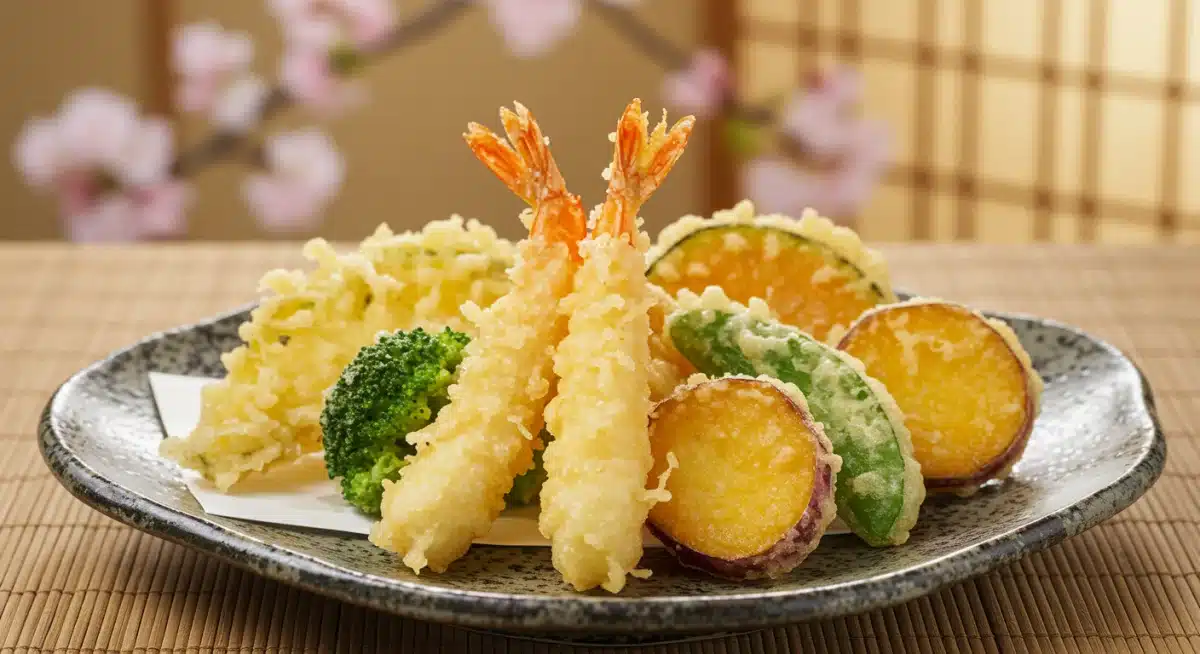
For more refined or celebratory occasions, tempura and sushi frequently make appearances. Tempura, with its delicate, crispy batter encasing fresh seafood and vegetables, is often shown being fried to perfection, emphasizing the chef’s skill and the freshness of the ingredients. Sushi, a global icon of Japanese cuisine, is typically reserved for special events or high-end dining scenes, symbolizing elegance and precision. Dramas often showcase the artistry involved in sushi preparation, from selecting the fish to molding the rice, elevating it beyond a mere meal to an art form.
- Ramen: Comforting, versatile, and a staple in many J-dramas.
- Omurice: Nostalgic, visually appealing, and often represents care.
- Tempura: Highlights culinary skill, fresh ingredients, and special occasions.
- Sushi: Symbolizes elegance, precision, and celebratory moments.
These dishes, along with many others, not only provide visual feasts but also serve as important cultural touchstones, grounding the drama in a realistic and relatable Japanese context, even for international viewers. Their consistent presence helps to build a familiar and inviting world within the narrative.
The Art of Food Preparation: More Than Just Cooking
The depiction of food preparation in Japanese dramas is an art form in itself, often elevating simple cooking to a meditative or even dramatic process. It’s not just about showing the end product; it’s about the journey, the technique, and the philosophy behind each dish. This meticulous attention to the act of cooking is a hallmark of many J-dramas, especially those centered around culinary themes.
Dramas often spend considerable screen time on the intricate steps involved in preparing a meal. This can range from the precise slicing of vegetables with a razor-sharp knife, to the careful kneading of dough for udon, or the delicate arrangement of ingredients in a bento box. These scenes are often accompanied by close-up shots, crisp sound effects, and thoughtful narration, drawing the viewer into the sensory experience of cooking.
The Philosophy Behind Japanese Cooking
Beyond the technical aspects, Japanese dramas frequently explore the philosophy underpinning Japanese cuisine. Concepts like ‘mottainai’ (a sense of regret concerning waste) and ‘umami’ (the fifth basic taste) are often subtly or overtly referenced. The importance of using fresh, seasonal ingredients and respecting each component of a dish is a recurring theme, reinforcing traditional values and the connection between food and nature.
- Precision and Technique: Showcasing the skill required for traditional dishes.
- Fresh, Seasonal Ingredients: Emphasizing quality and natural flavors.
- Respect for Food: Highlighting sustainability and minimal waste.
- Patience and Dedication: Portraying cooking as a labor of love.
This detailed portrayal of food preparation does more than just entertain; it educates. Viewers gain an appreciation for the effort, skill, and cultural significance embedded in Japanese culinary traditions. It transforms the act of eating into a more mindful and appreciative experience, both for the characters and for the audience.
Comfort Food and Nostalgia: Food as a Memory Trigger
Many Japanese drama food scenes evoke a powerful sense of comfort and nostalgia, often linking specific dishes to cherished memories or emotional milestones. Food, in these narratives, becomes a tangible connection to the past, a symbol of home, or a source of solace during times of hardship. This emotional resonance is a key reason why food scenes are so impactful in J-dramas.
Think of the classic image of a character returning home to a warm, home-cooked meal after a difficult day. This simple act can convey a profound sense of security and belonging. Dishes like miso soup, grilled fish, or a simple bowl of rice with pickles are often depicted as embodying the essence of home and familial love. These aren’t necessarily elaborate meals, but rather everyday staples that carry deep personal meaning.
Dramas frequently use food as a trigger for flashbacks, where a particular taste or aroma transports a character back to a pivotal moment in their life. This narrative device effectively uses food as a sensory link to emotions, relationships, and formative experiences. For instance, a character might taste a certain candy or a specific noodle dish and be instantly reminded of their childhood, a departed loved one, or a significant event.
The Healing Power of Food
Beyond nostalgia, food in J-dramas often possesses a healing quality. Characters facing emotional turmoil, stress, or grief frequently find comfort and recovery through the act of eating or preparing nourishing meals. This highlights the Japanese cultural belief in food as medicine, not just for the body, but for the soul.
- Home-cooked Meals: Represent warmth, security, and family bonds.
- Childhood Favorites: Trigger nostalgic memories and personal reflection.
- Comforting Dishes: Offer solace and emotional support during distress.
- Food as Ritual: Creates a sense of stability and routine.
The emotional weight carried by these food scenes makes them incredibly relatable. Viewers can connect with the characters’ experiences, understanding how a simple meal can mend a broken heart, celebrate a triumph, or simply provide a much-needed moment of peace in a chaotic world. It underscores the universal language of food as a source of comfort and connection.
Food-Centric Dramas: A Genre of Their Own
While food plays a significant role in many Japanese dramas, there’s a distinct sub-genre dedicated entirely to the culinary world. These food-centric dramas not only showcase delicious dishes but also delve deep into the lives of chefs, restaurateurs, and passionate food lovers, exploring themes of dedication, craftsmanship, and the profound impact food has on human connection. These series often become guides to regional cuisines and specific cooking techniques.
One of the most famous examples is ‘Midnight Diner: Tokyo Stories‘ (Shinya Shokudo), where a small, late-night diner serves a limited menu but will cook almost anything a customer requests. Each episode features a different customer and their story, intricately linked to a specific dish. The food acts as a catalyst for confessions, reflections, and resolutions, making the diner a sanctuary where food and human connection intertwine.
Exploring Culinary Professions and Traditions
Other dramas focus on the challenges and rewards of culinary professions. ‘Gourmet Detective Goro Akechi’ combines food with mystery, as a private detective solves cases with a keen sense of taste. ‘Wakako Zake’ follows a young woman who enjoys solitary dining and drinks at various izakayas, offering viewers an intimate look at Japan’s vibrant bar and small plate culture. These series often highlight the dedication, struggles, and triumphs of those who work with food, from Michelin-starred chefs to humble street vendors.
- ‘Midnight Diner: Tokyo Stories’: Food as a backdrop for human stories and connections.
- ‘Wakako Zake’: Showcases solitary dining and izakaya culture.
- ‘Ramen Daisuki Koizumi-san’: A deep dive into the world of ramen varieties.
- ‘Samurai Gourmet’: An older gentleman’s exploration of food freedom in retirement.
These food-centric dramas are a treat for both food enthusiasts and drama lovers. They offer not only visually appealing culinary journeys but also engaging narratives that celebrate the passion, artistry, and community built around food. They often inspire viewers to try new dishes, visit specific restaurants, or even pursue their own culinary interests, making them powerful cultural ambassadors.
The Global Impact of Japanese Drama Food
The portrayal of Japanese drama food has had a significant global impact, influencing culinary trends, increasing interest in Japanese culture, and even shaping travel decisions. As J-dramas gain international popularity, so too does the cuisine they so beautifully showcase, creating a ripple effect across continents.
For American audiences, these dramas serve as an accessible and engaging introduction to a diverse culinary landscape that extends far beyond sushi. Viewers are exposed to regional specialties, seasonal ingredients, and cooking techniques they might not otherwise encounter. This exposure often sparks curiosity, leading people to seek out Japanese restaurants in their local areas, try new dishes, or even attempt to cook Japanese food at home.
Inspiring Culinary Exploration and Travel
The detailed and loving depiction of food also contributes to a broader appreciation of Japanese culture. When viewers see characters enjoying a traditional meal, attending a food festival, or visiting a specific type of eatery, it deepens their understanding and connection to Japan. This can translate into increased tourism, with many travelers citing food experiences as a primary motivation for visiting Japan, often seeking out specific restaurants or dishes featured in their favorite dramas.
- Increased Awareness: Introduces diverse Japanese dishes to a global audience.
- Culinary Tourism: Inspires travel to Japan based on food experiences.
- Home Cooking: Encourages viewers to try Japanese recipes in their own kitchens.
- Cultural Appreciation: Deepens understanding of Japanese traditions through food.
Furthermore, the global reach of streaming platforms means that these food scenes are reaching wider and more diverse audiences than ever before. This widespread exposure helps to demystify Japanese cuisine, making it more approachable and appealing to a global palate. The result is a growing international community of Japanese drama and food enthusiasts, eager to explore and share their culinary discoveries.
Beyond the Plate: Food as a Narrative Device
In Japanese dramas, food is consistently utilized as a sophisticated narrative device, doing far more than just filling characters’ stomachs. It acts as a powerful tool to advance plots, develop characters, and convey complex emotions without the need for extensive dialogue. This intelligent integration of food makes J-dramas particularly rich in subtext and cultural insight.
A character’s choice of meal can reveal their personality traits, current mood, or even their financial situation. For example, a character meticulously preparing a bento box for their child might highlight their loving and attentive nature, while another character hastily grabbing convenience store food could suggest a busy, stressed lifestyle. These subtle cues allow viewers to quickly grasp aspects of a character’s life and personality.
Food as a Catalyst for Conflict and Resolution
Food can also serve as a catalyst for both conflict and resolution within a narrative. A disagreement over a shared meal, a forgotten ingredient, or a botched recipe can spark tension between characters. Conversely, the act of sharing food, cooking together, or offering a comforting dish can mend rifts, foster understanding, and lead to reconciliation. In ‘Nodame Cantabile’, food is often used to highlight the contrasting personalities of the main characters, with Nodame’s chaotic cooking juxtaposed against Shinichi’s refined palate.
- Character Revelation: Food choices reflect personality and circumstances.
- Plot Progression: Meals drive events and character interactions.
- Emotional Expression: Dishes convey sentiments without words.
- Symbolism: Food represents growth, change, or tradition.
Ultimately, the skillful use of food as a narrative device in Japanese dramas transforms eating from a mundane necessity into a meaningful act. It enriches the storytelling, adds depth to the characters, and provides a unique cultural lens through which audiences can experience the intricate narratives of Japan. This makes watching J-dramas not just an entertaining experience, but also a deliciously insightful one.
| Key Aspect | Brief Description |
|---|---|
| Cultural Significance | Food reflects traditions, societal values, and strengthens character relationships in J-dramas. |
| Iconic Dishes | Ramen, omurice, tempura, and sushi are frequently featured, becoming visual and narrative staples. |
| Narrative Device | Food advances plots, develops characters, and conveys emotions, often without dialogue. |
| Global Impact | Increases international interest in Japanese cuisine and culture, inspiring culinary exploration and travel. |
Frequently Asked Questions About Japanese Drama Food
Food is prominent in Japanese dramas because it serves as a powerful cultural touchstone, reflecting traditions, social interactions, and emotional states. It’s often used to build character relationships, drive plots, and provide comfort, making it an integral part of storytelling.
Many iconic dishes frequently appear, including ramen, omurice, tempura, and sushi. You’ll also often see bento boxes, miso soup, and various regional specialties, each adding flavor and context to the narrative.
Absolutely. The vivid and often detailed portrayal of food in J-dramas significantly increases viewers’ interest in Japanese cuisine. Many are inspired to seek out Japanese restaurants, try new dishes, or even attempt cooking them at home, boosting cultural appreciation.
Yes, there’s a popular sub-genre of food-centric dramas. Examples include ‘Midnight Diner: Tokyo Stories,’ ‘Wakako Zake,’ and ‘Ramen Daisuki Koizumi-san.’ These series delve into culinary professions, traditions, and the deep emotional connections people have with food.
Food choices and preparation methods often reveal a character’s personality, mood, and background. A character’s relationship with food can symbolize their growth, highlight their struggles, or show their capacity for care and affection, adding depth to their portrayal.
Conclusion
The delectable world of Japanese drama food is a fascinating and indispensable aspect of what makes these series so captivating. From the comforting bowls of ramen to the intricate art of sushi, food in J-dramas transcends mere sustenance, becoming a vibrant character that enriches narratives, deepens cultural understanding, and fosters emotional connections.
For audiences in the United States and beyond, these culinary depictions offer a delicious gateway into Japanese culture, inspiring both culinary exploration and a deeper appreciation for the artistry and tradition embedded in every meal. As J-dramas continue to gain global popularity, the enticing dishes featured within them will undoubtedly continue to tantalize taste buds and spark curiosity, solidifying their place not just as entertainment, but as a rich cultural experience.