Korean Drama Adaptations: From Webtoons to TV Screens in the US
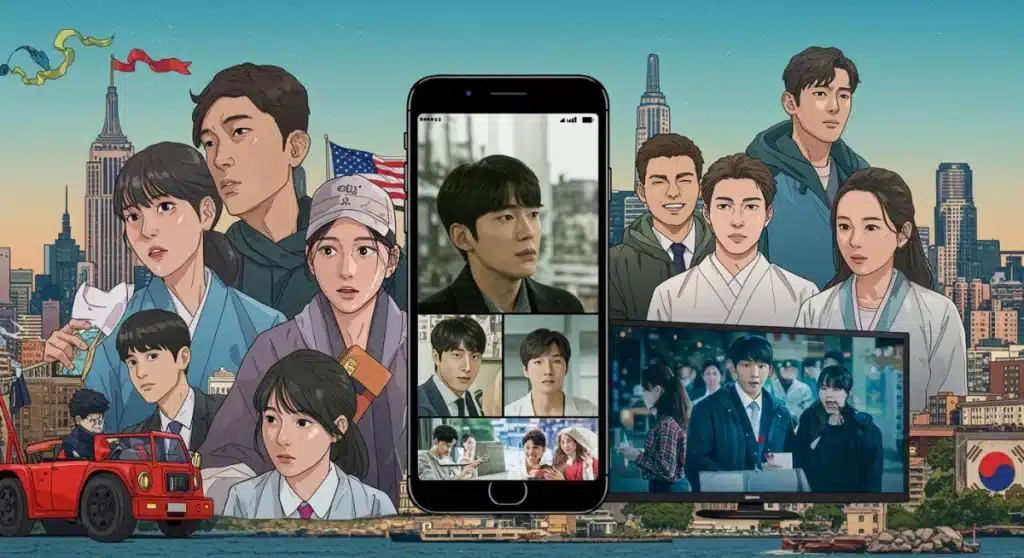
Korean drama adaptations, particularly those stemming from beloved webtoons, have significantly permeated US television screens, attracting a broad audience and solidifying their distinct place in American entertainment culture.
The global phenomenon of Hallyu, often referred to as the Korean Wave, has undeniably reshaped the entertainment landscape worldwide. A significant facet of this cultural surge is the remarkable rise of Korean drama adaptations, particularly those originating from webtoons, making a profound impact on US television screens. This evolution represents more than just a trend; it signifies a deep cultural exchange, introducing American audiences to unique storytelling, diverse genres, and compelling narratives that resonate far beyond linguistic barriers.
the meteoric rise of webtoons as source material
Webtoons, digital comics optimized for vertical scrolling, have become an indispensable reservoir of creative content for Korean drama producers. Their inherent visual storytelling, often featuring intricate plots and well-developed characters, makes them ideal candidates for adaptation. This rich source material has fueled a constant stream of fresh narratives, captivating audiences globally and now increasingly in the United States.
The transition from webtoon to K-drama is a meticulously crafted process, often involving close collaboration between the original webtoon creators and the drama production teams. This ensures that the essence of the original story is preserved while adapting it for a new medium and potentially a broader audience. The visual nature of webtoons provides a strong foundation, allowing for seamless translation of character designs and even specific scene compositions onto the screen.
from digital pages to live-action screenplays
The journey of a webtoon from a digital comic to a live-action drama involves several critical stages, each requiring a careful balance of creative vision and practical execution. This process is instrumental in maintaining the integrity of the original work while making it accessible to a new format.
- Storyboarding and Script Development: Webtoons offer a visual blueprint, simplifying the initial storyboarding process for drama production.
- Casting and Characterization: Finding actors who embody the beloved webtoon characters is crucial for audience acceptance and immersion.
- Visual Effects and Production Design: Many webtoons feature fantastical elements that require significant investment in visual effects and detailed production design to bring them to life convincingly.
The success of these adaptations hinges on the ability to translate the unique charm and narrative depth of webtoons into a compelling cinematic experience. This often includes preserving the emotional core and character arcs that initially captivated webtoon readers, while also adding new layers of depth suitable for live-action performances.
The symbiotic relationship between webtoons and K-dramas has created a self-sustaining ecosystem where successful webtoons gain wider recognition through drama adaptations, and popular dramas often drive new readers to their original webtoon counterparts. This cross-platform synergy amplifies the reach and impact of both mediums, fostering a vibrant creative environment.
the growing appeal of K-dramas in the US market
The US audience’s embrace of K-dramas has been a gradual yet undeniable phenomenon, evolving from niche viewership to mainstream recognition. This growing appeal can be attributed to a confluence of factors, including the rise of streaming platforms, the universal themes explored in K-dramas, and their distinct narrative styles.
Streaming services like Netflix, Viki, and Hulu have played a pivotal role in making K-dramas easily accessible to American viewers. These platforms not only offer extensive libraries of Korean content but also invest in subtitling and dubbing, breaking down language barriers and allowing a wider audience to engage with these stories. The convenience of on-demand viewing has further accelerated their popularity.
factors contributing to K-drama’s US success
Several key elements contribute to why K-dramas resonate so strongly with American audiences, differentiating them from much of Western television content. These factors create a unique viewing experience that many find refreshing and engaging.
- Diverse Genres: From romantic comedies and historical epics to psychological thrillers and fantasy, K-dramas offer a vast array of genres, catering to varied tastes.
- High Production Value: Many K-dramas boast cinematic quality, with stunning cinematography, elaborate sets, and compelling soundtracks.
- Unique Storytelling: K-dramas often feature intricate plots, unexpected twists, and a strong emphasis on character development and emotional depth.
- Cultural Nuances: The exploration of Korean culture, traditions, and societal issues provides a fresh perspective for American viewers, fostering curiosity and understanding.
The distinct narrative pacing of K-dramas, which often features a single season with a clear beginning, middle, and end, also appeals to viewers tired of open-ended Western series. This episodic structure allows for a complete story arc, providing a satisfying conclusion without the commitment of multi-season narratives.
Furthermore, the high emotional intensity and often melodramatic elements present in many Korean dramas offer a cathartic viewing experience. This emotional richness, combined with strong performances from talented actors, creates a deep connection between the characters and the audience, transcending cultural differences and fostering empathy.
impact on American streaming platforms and content
The influx of Korean drama adaptations has significantly impacted American streaming platforms, prompting them to invest heavily in acquiring and producing more K-content. This strategic shift reflects the undeniable demand from US subscribers and the recognition of K-dramas as a major draw for audience engagement.
Netflix, in particular, has been at the forefront of this trend, investing billions in Korean content and even establishing production facilities in South Korea. This commitment has not only broadened its catalog but also introduced many American viewers to their first K-drama experience, often through highly publicized original series that quickly gain global traction.
streaming giants embracing K-content
The strategic moves by major streaming platforms to integrate more Korean content illustrate a clear understanding of evolving viewer preferences and global market dynamics. This embrace goes beyond mere acquisition, extending to significant financial and creative commitments.
- Increased Investment: Platforms are allocating substantial budgets to license existing K-dramas and fund new co-productions, recognizing their high return on investment.
- Dedicated Sections and Marketing: Many platforms now feature prominent K-drama sections and tailor marketing campaigns to highlight new releases, targeting diverse demographics.
- Global Reach: K-dramas are often released globally simultaneously, leveraging the power of international fandoms and generating buzz across different regions, including the US.
This increased presence of Korean content on American streaming platforms has also influenced content creation within the US. There’s a growing appreciation for diverse storytelling approaches and a willingness to experiment with narrative structures and themes previously less common in Western productions. The success of K-dramas demonstrates that audiences are receptive to stories from different cultural backgrounds, encouraging broader content diversification.
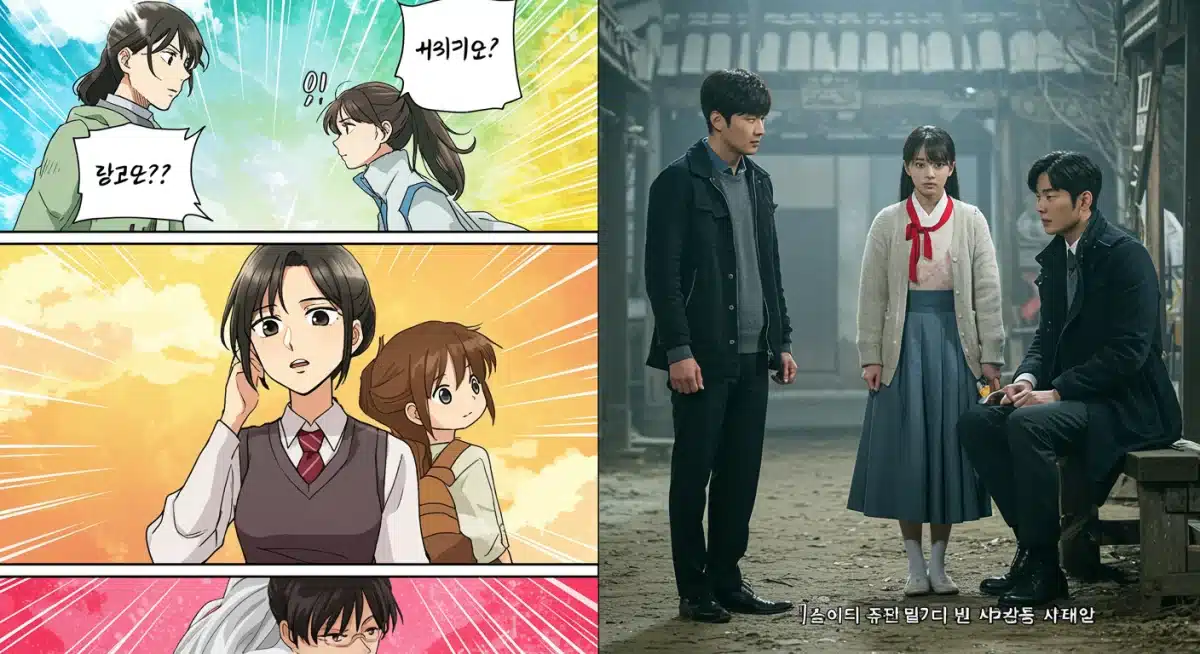
Moreover, the success of these adaptations has opened doors for more cross-cultural collaborations. American production companies are increasingly looking to Korean webtoons and original drama concepts for inspiration, recognizing the proven track record of these stories in captivating audiences. This trend suggests a future where the lines between international and domestic content continue to blur, leading to a richer and more diverse entertainment landscape for US viewers.
notable webtoon-to-drama success stories in the US
The journey of webtoons to successful K-drama adaptations has yielded numerous hits that have resonated deeply with American audiences. These success stories not only highlight the universal appeal of compelling narratives but also demonstrate the effective translation of webtoon aesthetics and storytelling to the live-action format.
One prominent example is Itaewon Class, a webtoon that became a global sensation as a K-drama. Its themes of resilience, social justice, and unconventional success struck a chord with viewers worldwide, including a significant following in the US. The drama’s strong character development and unique visual style, directly inspired by the webtoon, contributed to its widespread acclaim and critical success.
iconic adaptations captivating US viewers
Several other Korean drama adaptations have achieved remarkable popularity in the US, establishing a benchmark for future webtoon-to-drama projects. Their ability to transcend cultural boundaries speaks volumes about the quality of their source material and production.
- True Beauty: This romantic comedy, based on a highly popular webtoon, captivated a young American audience with its relatable themes of self-image, friendship, and first love. Its vibrant characters and engaging storyline made it a binge-worthy hit.
- Sweet Home: A thrilling horror adaptation, Sweet Home showcased the potential of webtoons for high-concept genre storytelling. Its impressive visual effects and suspenseful plot garnered significant attention from US fans of the horror and fantasy genres.
- All of Us Are Dead: This zombie apocalypse series, another webtoon adaptation, became a global phenomenon on Netflix, demonstrating the power of K-drama’s unique take on popular genre tropes and its ability to deliver high-octane entertainment.
These dramas often maintain a strong visual fidelity to their webtoon origins, from character appearances to specific settings and even iconic poses. This attention to detail is a key factor in satisfying existing webtoon fans while also attracting new viewers who appreciate the aesthetic appeal. The success of these adaptations proves that the unique blend of visual storytelling and character-driven plots found in webtoons translates exceptionally well to the screen.
The consistent delivery of high-quality adaptations further solidifies the reputation of Korean drama as a leader in innovative storytelling. This continuous stream of successful shows contributes to the ongoing expansion of the Hallyu wave, ensuring that the US market remains a fertile ground for future Korean drama adaptations.
challenges and opportunities for future adaptations
While the success of Korean drama adaptations in the US is undeniable, the path forward is not without its challenges. Adapting a story from one medium to another, and then introducing it to a culturally diverse audience, presents unique hurdles that require careful navigation. However, these challenges also open up significant opportunities for innovation and growth within the industry.
One primary challenge lies in cultural translation. While many themes in K-dramas are universal, certain cultural nuances, humor, or societal norms might not directly translate or resonate with American audiences without proper context. Striking a balance between preserving the original cultural identity and making the content accessible is crucial.
navigating the adaptation landscape
Successfully bringing Korean drama adaptations to the US requires a strategic approach that addresses potential pitfalls while capitalizing on inherent strengths. This involves a deep understanding of both source material and target audience.
- Maintaining Authenticity: The risk of diluting the original story’s unique Korean flavor for broader appeal needs to be carefully managed to avoid losing what makes these dramas special.
- Pacing Differences: K-dramas often have a distinct narrative pace compared to Western series; finding a rhythm that engages US viewers without alienating existing fans is important.
- Localization vs. Global Appeal: Deciding how much to localize content versus relying on universal themes and strong storytelling to bridge cultural gaps is a continuous balancing act.
Despite these challenges, the opportunities are immense. The established success of K-dramas has cultivated a dedicated fanbase in the US, creating a receptive market for new adaptations. This loyal audience is often eager to explore diverse storytelling and appreciate the unique perspectives that Korean content offers.

Future adaptations can leverage this strong foundation by continuing to select webtoons with compelling narratives and visually rich worlds that have universal appeal. Furthermore, exploring innovative cross-cultural production models, where American and Korean creative teams collaborate more closely, could lead to even more nuanced and impactful adaptations that resonate with an even wider audience. The potential for growth in this area remains significant, promising a vibrant future for Korean content in the US.
the future of Korean drama adaptations in the US
The trajectory of Korean drama adaptations, particularly those stemming from webtoons, in the US market appears set for continued growth and evolution. The increasing demand from American audiences, coupled with the strategic investments by streaming platforms, suggests a future where K-dramas become an even more entrenched part of mainstream entertainment.
We can anticipate a diversification of adapted genres, moving beyond the currently popular romantic comedies and thrillers to include more experimental and niche webtoons. This expansion will cater to a broader spectrum of American viewers, further solidifying the presence and influence of Korean storytelling.
evolving trends and predictions
Several trends indicate the direction in which Korean drama adaptations are likely to head in the US, pointing towards a dynamic and influential future for this content.
- Increased Original Productions: Beyond adaptations, US platforms may invest more in original K-drama productions, tailored specifically for a global audience but with Korean creative teams.
- Interactive Storytelling: Drawing inspiration from webtoons’ interactive nature, future adaptations might explore more innovative storytelling formats, possibly incorporating audience participation elements.
- Cross-Media Franchises: Successful K-dramas and their webtoon origins could evolve into larger franchises, encompassing merchandise, games, and even theme park attractions, mirroring the success of other global entertainment brands.
The ongoing cultural exchange facilitated by K-dramas is also expected to deepen. As more Americans consume Korean content, there will likely be increased interest in Korean language, cuisine, fashion, and other cultural aspects, fostering a more globalized entertainment consumption pattern. This broader cultural engagement will, in turn, create a more receptive environment for future adaptations.
Ultimately, the future of Korean drama adaptations in the US is bright, characterized by continued innovation, strategic partnerships, and a growing appreciation for diverse storytelling. The journey from webtoon panels to American television screens is a testament to the universal power of great narratives and the ever-expanding global reach of Korean culture.
| Key Aspect | Brief Description |
|---|---|
| Webtoon Origin | Digital comics provide rich, visually compelling source material for K-drama adaptations. |
| US Market Growth | K-dramas are increasingly popular in the US, driven by streaming platforms and diverse storytelling. |
| Streaming Impact | Platforms like Netflix invest heavily, making K-dramas accessible and influential in US content. |
| Future Outlook | Anticipated diversification of genres and increased cross-cultural collaborations in adaptations. |
frequently asked questions about Korean drama adaptations in the US
Webtoons are digital comics optimized for vertical scrolling on smartphones. They are popular for K-drama adaptations due to their rich visual storytelling, intricate plots, and well-developed characters, which provide an excellent foundation for live-action series.
Streaming platforms like Netflix and Viki make K-dramas easily accessible to US audiences through extensive libraries, subtitling, and dubbing. Their significant investments in Korean content and global release strategies have dramatically boosted popularity.
K-dramas appeal to American viewers through diverse genres, high production value, unique storytelling with clear arcs, and compelling exploration of universal themes and Korean culture, offering a refreshing alternative to Western content.
Certainly, notable successes include Itaewon Class, praised for its themes of resilience; True Beauty, a hit romantic comedy; Sweet Home, a popular horror series; and All of Us Are Dead, a global zombie apocalypse phenomenon, all originating from webtoons.
The future looks promising with anticipated growth, diversification into new genres, increased original productions by US platforms, and potential for interactive storytelling and cross-media franchises, further solidifying K-drama’s cultural impact.
conclusion
The journey of Korean drama adaptations, particularly from the vibrant world of webtoons, to American television screens is a compelling narrative of cultural exchange and evolving entertainment consumption. This phenomenon underscores the universal appeal of good storytelling, regardless of its origin, and highlights the power of digital platforms in bridging geographical and linguistic divides.
As K-dramas continue to captivate US audiences with their unique blend of narrative depth, visual artistry, and emotional resonance, they are not merely entertaining but actively shaping the future of global entertainment, fostering a deeper appreciation for diverse cultural expressions and innovative storytelling techniques.