Understanding Korean Cultural Nuances: A US Viewer’s Guide
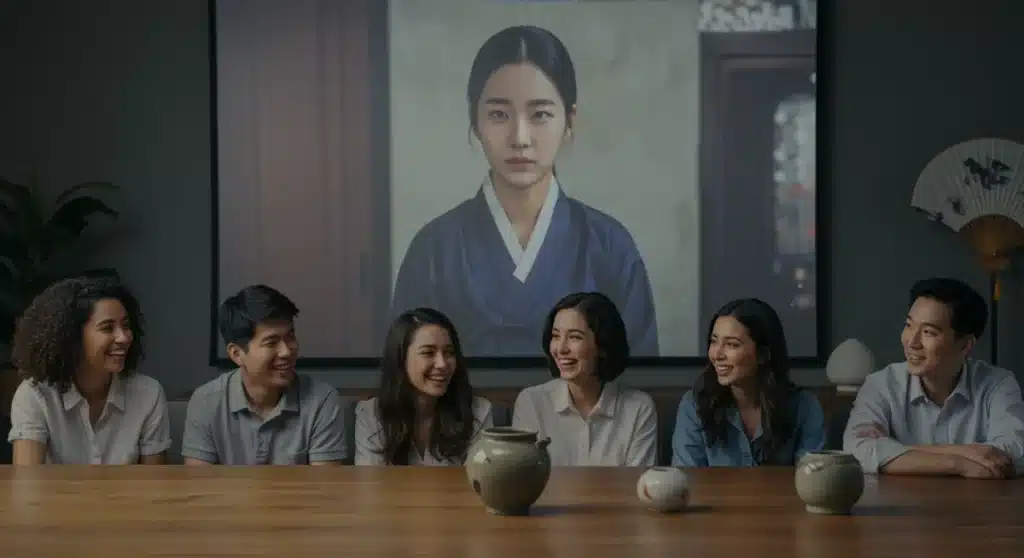
This guide offers US viewers essential insights into understanding the complex Korean drama cultural nuances, enhancing appreciation for storytelling rooted in Korea’s unique societal values and traditions.
For many US viewers, the captivating world of K-dramas offers a refreshing escape, a vibrant blend of romance, drama, and compelling storytelling. However, truly appreciating these narratives goes beyond just following the plot; it involves understanding Korean cultural nuances in dramas: a guide for US viewers. These intricate details, often subtle yet profoundly significant, are the threads that weave the rich tapestry of Korean society into its cinematic creations.
The foundational pillars of Korean society: Confucianism and collectivism
To truly grasp the depths of Korean dramas, it is essential to first understand the bedrock principles that have shaped Korean society for centuries. Confucianism, though not a religion in the traditional sense, has profoundly influenced social structures, ethical codes, and interpersonal relationships in Korea. This philosophical system emphasizes hierarchy, respect for elders, filial piety, and the importance of education.
Complementing Confucianism is the pervasive concept of collectivism. Unlike individualistic Western societies, Korean culture often prioritizes the group’s harmony and well-being over individual desires. This focus on the collective impacts everything from family dynamics to corporate culture, and its portrayal in dramas is frequent and intentional.
Hierarchy and respect for elders (Hojuje)
One of the most immediate cultural nuances US viewers will notice is the strong emphasis on hierarchy and respect for elders. This is deeply rooted in Confucian principles, where seniority, whether by age, social status, or professional rank, dictates forms of address, gestures, and even seating arrangements. Characters in K-dramas often use honorifics, bow to elders, and defer to those in positions of authority.
- Honorifics: Terms like “oppa,” “unnie,” “hyung,” “noona,” “ajumma,” and “ajusshi” are not just casual nicknames; they denote specific relationships and age differences, reflecting respect and familiarity.
- Bowing: Bowing is a fundamental form of greeting and showing respect. The depth and duration of a bow often indicate the level of respect or apology being conveyed.
- Filial Piety: The unwavering respect and devotion children show to their parents and ancestors are central. This often translates into characters making significant sacrifices for their families, even if it means foregoing personal happiness.
Understanding these hierarchical structures helps explain many character interactions, motivations, and conflicts. A seemingly simple act of pouring a drink for an elder with two hands, or avoiding direct eye contact out of respect, carries significant cultural weight.
Collectivism, on the other hand, means that individual actions are often viewed in the context of their impact on the group. This can manifest in characters feeling immense pressure to conform to societal expectations, protect their family’s honor, or prioritize their company’s success. The tension between individual desires and collective responsibilities is a common narrative device in K-dramas, offering a unique perspective on personal struggle.
The intricate dance of communication: indirectness and non-verbal cues
Communication in Korean culture, as depicted in dramas, often differs significantly from the direct style prevalent in the US. Indirect communication, coupled with a rich array of non-verbal cues, is paramount. This can sometimes lead to misunderstandings for an uninitiated viewer, but once understood, it adds layers of subtlety to the storytelling.
Instead of explicitly stating their feelings or intentions, characters might hint at them, relying on the listener to pick up on the unspoken message. This indirectness is often a way to maintain harmony and avoid confrontation, aligning with the collectivist value of preserving group cohesion.
“Nunchi” and reading the room
A crucial concept in Korean communication is “nunchi,” which roughly translates to the art of subtly assessing others’ moods and situations to respond appropriately. It’s about having quick wits and being perceptive, understanding the unspoken atmosphere of a group or interaction. Characters with good “nunchi” are often portrayed as wise and socially adept.
- Observing body language: Slight changes in posture, facial expressions, or even how someone holds their chopsticks can convey a wealth of information.
- Tone of voice: The inflection and tone of voice often carry more weight than the literal words spoken, especially when conveying politeness, displeasure, or affection.
- Contextual understanding: Knowing the social context and relationship between characters is vital to interpreting their dialogue and actions accurately.
Silence, too, plays a significant role. Unlike in some Western cultures where silence can be awkward, in Korea, it can signify deep thought, respect, or even agreement. Characters might have prolonged silences that speak volumes, conveying emotions or understandings that don’t require words.
For US viewers, recognizing these forms of communication can transform how they interpret character relationships and plot developments. A character’s seemingly ambiguous response might actually be a clear message within the cultural context. This focus on non-verbal and indirect communication creates a more nuanced and often poetic narrative style.
The concept of “Jeong” and “Han”: emotional landscapes
Korean dramas are renowned for their emotional depth, often exploring complex feelings that resonate universally. However, some emotions are particularly salient and culturally specific, such as “Jeong” and “Han.” Understanding these concepts unlocks a deeper appreciation for the emotional landscapes portrayed in K-dramas.
“Jeong” is a uniquely Korean concept that defies a simple English translation. It encompasses a deep, affectionate bond that develops over time between people, places, or even objects. It’s a feeling of warmth, attachment, and empathy, often described as a sense of human connection and belonging.
Exploring “Jeong” in relationships
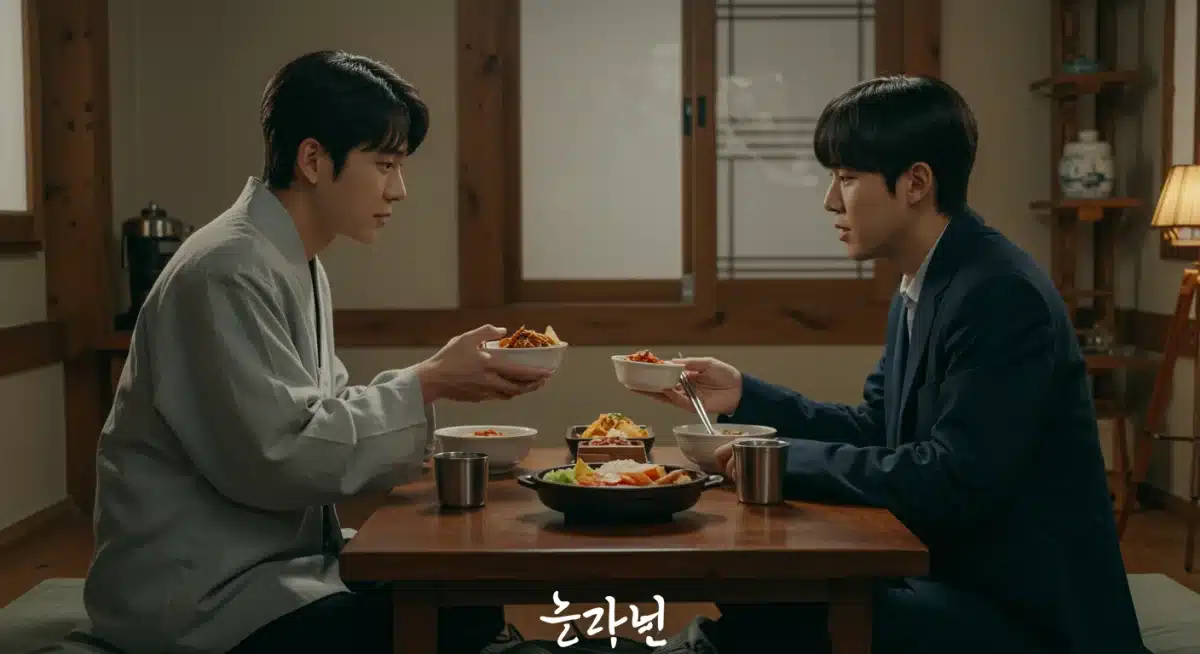
In dramas, “Jeong” is evident in the strong familial ties, enduring friendships, and even the complex relationships between rivals who have shared a long history. It’s the reason characters might feel compelled to help someone even when it’s inconvenient, or why long-lost friends instantly reconnect with an unspoken understanding.
- Family bonds: The deep, often unspoken, love and loyalty within families, even amidst conflict.
- Friendships: The unwavering support and understanding between friends, often spanning decades.
- Community: The sense of shared destiny and responsibility among neighbors or colleagues.
“Han,” on the other hand, is often described as a deep-seated feeling of unresolved grief, resentment, or injustice, accumulated over time due to suffering. It’s a collective emotion rooted in historical experiences, such as colonization, war, and social inequality. “Han” is a profound sense of sorrow and regret that lingers, often passed down through generations.
Dramas often feature characters carrying “Han,” which drives their actions, their longing for justice, or their quiet endurance. Recognizing “Han” helps US viewers understand the underlying melancholy or resilience in certain narratives, particularly in historical dramas or those dealing with social issues. It’s a powerful emotional undercurrent that gives many K-dramas their profound impact.
Food and drink: more than just sustenance
Food and drink are not merely sustenance in Korean dramas; they are powerful cultural symbols, deeply intertwined with social interactions, expressions of care, and even plot development. From elaborate feasts to humble street food, every meal tells a story, conveying social status, emotional states, and interpersonal dynamics.
Sharing food is a fundamental act of bonding and hospitality. Characters often express their affection or concern by cooking for others, offering a meal, or insisting that someone eat well. Food can bridge divides, mend relationships, and provide comfort.
Dining etiquette and rituals
Korean dining etiquette is rich with unwritten rules that reflect the societal values of respect and hierarchy. Observing these details in dramas provides insight into the characters’ relationships and social standing.
- Elders eat first: It is customary for the eldest person at the table to begin eating before anyone else.
- Two hands for serving: When serving drinks or receiving items, using two hands is a sign of respect, especially for elders or superiors.
- Sharing dishes: Many Korean meals involve communal dishes, emphasizing the collectivistic nature of dining.
Soju, a clear distilled spirit, and makgeolli, a milky rice wine, are frequently featured in social gatherings. Drinking sessions in K-dramas are often pivotal moments for characters to open up, confess feelings, or confront conflicts. The act of pouring drinks for others, especially for superiors or elders, is a gesture of respect, and refusing a drink can be seen as impolite.
Street food, like tteokbokki (spicy rice cakes) and odeng (fish cakes), also holds a special place, often symbolizing comfort, nostalgia, or casual camaraderie. Scenes at street food stalls often depict moments of vulnerability, solace, or budding romance. Paying attention to these gastronomic details enriches the viewing experience, revealing deeper layers of Korean culture.
The significance of appearances: beauty standards and fashion
Korean dramas are globally recognized for their impeccable aesthetics, from stunning cinematography to the characters’ meticulously curated appearances. Beauty standards and fashion in Korea are influential, reflecting societal values and aspirations, and their portrayal in dramas is both a reflection and a driver of these trends.
Korean beauty standards often emphasize clear, glowing skin, a V-shaped jawline, large eyes, and a slim figure. These ideals are not just about physical attractiveness but also convey notions of self-care, discipline, and even social status. Characters often undergo transformations, both internal and external, that align with these aesthetic benchmarks.
Fashion as a narrative tool
Fashion in K-dramas is rarely accidental. Outfits are carefully chosen to reflect a character’s personality, social standing, emotional state, and even their development throughout the story. A character’s wardrobe can subtly communicate their transition from innocence to maturity, poverty to wealth, or simply their mood for the day.
- Office wear: Business attire often reflects corporate hierarchy and professionalism, with higher-ranking individuals sporting more sophisticated and expensive ensembles.
- Casual chic: Even casual wear is often stylish and well-coordinated, showcasing Korea’s strong fashion sense.
- Brand recognition: Product placement and designer labels are common, reflecting the country’s consumer culture and global fashion influence.
The emphasis on appearance extends beyond clothing to skincare and makeup routines. Many dramas feature characters engaging in elaborate skincare rituals, highlighting the cultural importance of maintaining a youthful and flawless complexion. For US viewers, understanding this focus on aesthetics helps contextualize character motivations related to self-improvement, social acceptance, and romantic pursuits. It’s a visual language that speaks volumes about character and culture.
Historical context and social commentary: beyond the romance
While many K-dramas are celebrated for their romantic storylines, a significant portion also delves into Korea’s rich history and offers poignant social commentary. These elements provide crucial context for understanding the nation’s collective psyche, its struggles, and its triumphs, adding profound depth to the narratives.
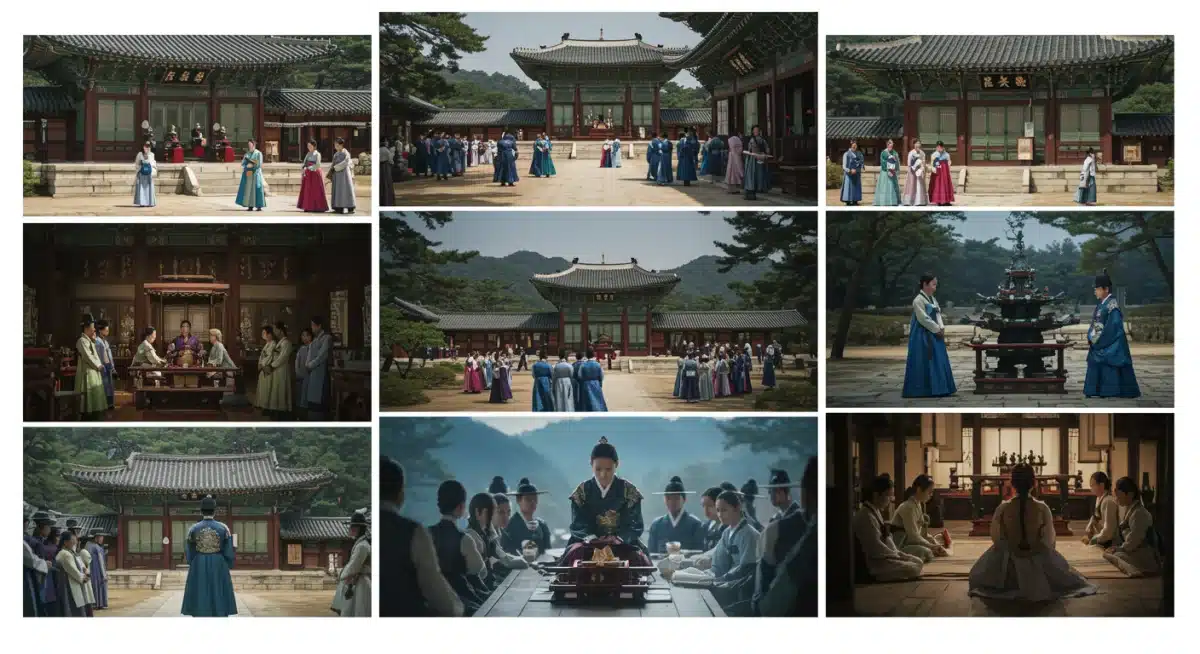
Historical dramas, or “sageuk,” transport viewers to different eras, showcasing the intricacies of royal courts, political power struggles, and the lives of common people. These dramas often explore themes of loyalty, justice, sacrifice, and destiny, reflecting important periods like the Joseon Dynasty or the Goryeo era.
Addressing societal issues
Contemporary K-dramas frequently tackle pressing social issues, using fictional narratives to shed light on real-world problems. These can range from mental health stigma, bullying, societal pressures, and economic inequality to gender roles and corruption. The dramas often serve as a mirror, reflecting ongoing debates and challenges within Korean society.
- Mental health: Increasingly, dramas are portraying characters struggling with depression, anxiety, or trauma, aiming to destigmatize these issues.
- Workplace culture: The demanding corporate environment, including long working hours and hierarchical dynamics, is a common theme, often highlighting the pressure on young professionals.
- Social justice: Dramas frequently feature protagonists fighting against corruption, advocating for the marginalized, or seeking justice for past wrongs.
For US viewers, engaging with these historical and social dimensions offers a more holistic understanding of Korea. It moves beyond the surface-level entertainment, inviting contemplation on universal human experiences through a distinctly Korean lens. This allows for a deeper connection with the characters and a greater appreciation for the cultural narratives being presented, making the viewing experience much richer and more meaningful.
| Key Cultural Aspect | Brief Description |
|---|---|
| Confucianism & Collectivism | Emphasizes hierarchy, respect for elders, filial piety, and group harmony over individual desires. |
| Indirect Communication | Reliance on subtle cues, “nunchi” (reading the room), and unspoken messages to maintain harmony. |
| Jeong & Han | “Jeong” signifies deep affection/bond; “Han” is unresolved grief/resentment from historical suffering. |
| Food & Drink Significance | More than sustenance; acts of bonding, hospitality, and crucial plot devices reflecting social norms. |
Frequently asked questions about Korean cultural nuances in dramas
These honorifics are crucial for showing respect and acknowledging social hierarchy based on age and gender. “Oppa” is used by a female for an older male, while “unnie” is for an older female. They reflect the deeply ingrained Confucian values of seniority and proper address, defining relationships.
“Nunchi” refers to the subtle art of reading social cues and understanding others’ feelings. It influences character interactions by promoting indirect communication and harmony. Characters with good “nunchi” anticipate needs and respond appropriately, often without explicit verbal exchange, avoiding conflict.
“Jeong” is a deep, affectionate bond developed over time, often seen in familial love, enduring friendships, and even complex romantic relationships. It manifests as unwavering loyalty, empathy, and a strong sense of connection, often driving characters to make sacrifices for those they care about, reflecting profound attachment.
Food in K-dramas is more than sustenance; it’s a powerful cultural symbol for bonding, hospitality, and care. Sharing meals signifies connection, while specific dishes or dining etiquette can reveal character relationships, social status, or emotional states, often serving as pivotal plot devices for confessions or reconciliations.
Beyond romance, K-dramas frequently explore Korea’s rich history and current social issues like mental health, workplace culture, and inequality. These elements provide crucial context, offering deep insights into the nation’s collective psyche, struggles, and triumphs, thereby enriching the narrative with profound meaning and relevance.
Conclusion
Understanding Korean cultural nuances in dramas: a guide for US viewers is not merely about appreciating subtle details; it’s about unlocking a richer, more profound engagement with the stories and characters that have captivated audiences worldwide. From the deep-seated influence of Confucianism and collectivism to the intricate dance of indirect communication, the unique emotional landscapes of “Jeong” and “Han,” the symbolic role of food, and the profound impact of historical and social commentary, each element adds a layer of depth to the viewing experience.
By recognizing and interpreting these cultural threads, US viewers can move beyond passive consumption to a more empathetic and informed understanding of Korean society, making every K-drama an even more rewarding journey. This deeper appreciation transforms entertainment into a bridge of cultural understanding, fostering a connection that transcends geographical and linguistic boundaries.