K-Drama OSTs: Secret Weapon Driving US Streaming Success
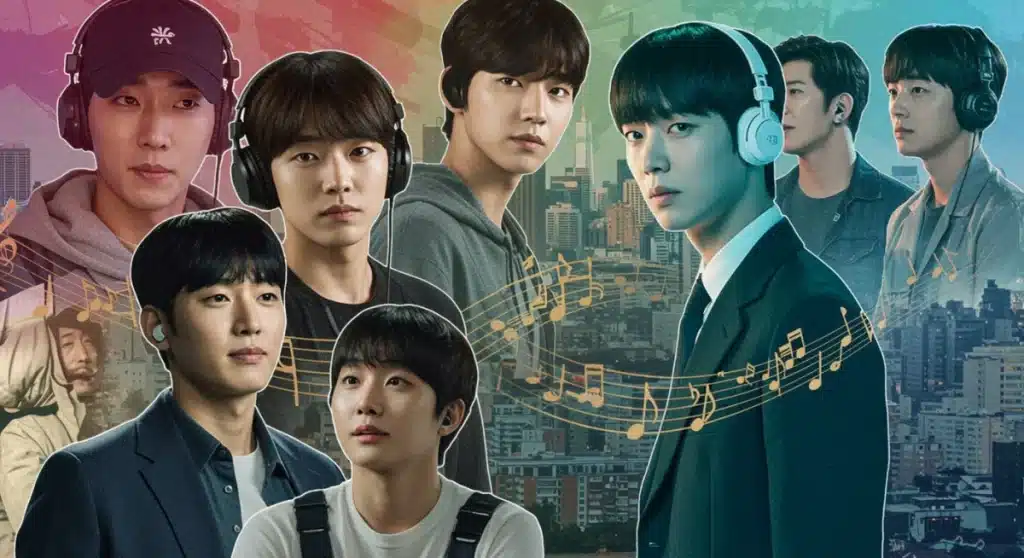
Korean Drama OSTs are a pivotal, often underestimated, factor in the remarkable surge of K-drama popularity and streaming success within the United States market, enhancing viewer immersion and cultural connection.
Have you ever found yourself humming a melody long after a K-drama episode ends? This isn’t by accident. The phenomenon of Korean Drama OSTs: The Secret Weapon Driving Streaming Success in the US Market is a testament to the power of music in storytelling. These soundtracks are not just background noise; they are meticulously crafted elements that amplify emotions, define characters, and ultimately, keep American audiences hooked on K-dramas, fueling their impressive streaming growth.
The emotional anchor: How OSTs deepen viewer connection
Korean drama original soundtracks (OSTs) serve a far greater purpose than merely accompanying scenes; they are meticulously designed emotional anchors. These musical pieces are crafted to evoke specific feelings, from heart-wrenching sadness to exhilarating joy, forging a profound connection between the viewer and the narrative. This emotional resonance is a key factor in why K-dramas resonate so deeply with American audiences.
Unlike many Western counterparts where soundtracks can sometimes feel generic, K-drama OSTs are integral to the storytelling process. They are often produced simultaneously with the drama’s filming, allowing composers and producers to align the music perfectly with the narrative arc and character development. This synchronized approach ensures that every note and lyric enhances the on-screen action, making the viewing experience truly immersive.
Crafting sonic identities for characters and plots
Each major character or significant plotline in a K-drama often has its own distinct musical theme or song. This practice helps to solidify their identity and emotional journey in the viewer’s mind. When a particular melody plays, audiences instantly recognize the character’s internal state or the impending emotional shift in the story.
- Character Themes: Specific songs become synonymous with lead characters, underscoring their personality and growth.
- Relationship Melodies: Duets or particular instrumental pieces are often used to highlight the development of romantic or platonic relationships.
- Plot Markers: Certain OST tracks signal critical turning points or recurring motifs within the drama, creating anticipation and recognition.
The strategic placement of these tracks ensures that the music doesn’t just support the visual narrative but actively participates in it. This level of integration creates a richer, more memorable experience, drawing viewers deeper into the world of the drama long after the credits roll. It transforms passive viewing into an active emotional engagement.
Ultimately, the emotional depth provided by OSTs is a powerful tool in retaining viewership. When a drama’s music can consistently tug at heartstrings or uplift spirits, it creates a lasting impression that encourages audiences to return for more. This emotional investment is a cornerstone of K-drama’s widespread appeal and its sustained success in the competitive US streaming market.
Beyond the screen: OSTs as standalone musical hits
The influence of Korean Drama OSTs extends far beyond the confines of the television screen, transforming many tracks into standalone musical hits. These songs often climb global music charts, garner millions of streams on platforms like Spotify and Apple Music, and become anthems for fans worldwide. This phenomenon highlights not only the quality of the music but also its ability to transcend its original purpose and achieve independent artistic merit.
Many OSTs feature renowned K-pop idols or established ballad singers, leveraging their existing fanbases and vocal prowess to give the songs an immediate boost in popularity. However, the success isn’t solely reliant on star power; the songs themselves are crafted with universal appeal, often featuring catchy melodies, heartfelt lyrics, and sophisticated arrangements that resonate with a diverse global audience.
The global reach of K-drama music platforms
Streaming services have become crucial conduits for the global dissemination of K-drama OSTs. Platforms like Spotify, YouTube Music, and Amazon Music host extensive catalogs of these soundtracks, making them easily accessible to fans in the US and beyond. This accessibility allows viewers to relive their favorite drama moments through music, fostering a deeper connection to the content.
- Playlist Curation: Fans actively create and share playlists of their favorite OSTs, further spreading their reach.
- Official Releases: Many drama production companies release official OST albums, often including instrumental versions and bonus tracks, catering to dedicated fans.
- Live Performances: OST singers frequently perform these songs at concerts and fan meetings, connecting directly with their audience.
The ability of these songs to stand on their own as popular music tracks is a testament to their inherent quality and the strategic efforts behind their production and promotion. They act as musical ambassadors for K-dramas, introducing new listeners to the genre and strengthening the loyalty of existing fans. This synergy between drama and music creates a powerful feedback loop that continually drives interest and engagement.

Ultimately, the transition of OSTs from drama accompaniments to independent musical successes underscores their critical role in expanding the K-drama footprint. This dual functionality ensures that the music contributes both to the immediate success of the drama and to the broader cultural phenomenon of Hallyu, solidifying its place in the global entertainment landscape.
Strategic collaborations: K-pop idols and established artists
The strategic collaboration between K-drama production teams and prominent K-pop idols or established musical artists is a masterstroke in driving the streaming success of K-dramas in the US market. This synergy leverages the immense global fanbases of K-pop groups and individual singers, instantly drawing attention to the dramas they lend their voices to. It’s a mutually beneficial relationship where dramas gain exposure, and artists gain new avenues for their music.
When a beloved idol from a group like BTS, EXO, or BLACKPINK participates in an OST, their millions of dedicated fans often tune into the drama specifically to hear their idol’s song. This influx of viewers, many of whom might not have initially sought out K-dramas, provides a significant boost in streaming numbers and overall visibility. These fans then often become captivated by the drama itself, leading to sustained viewership.
The ripple effect of star power on drama viewership
The inclusion of a well-known artist in an OST creates a powerful ripple effect across various media platforms. Announcements of such collaborations generate significant buzz on social media, in entertainment news, and among fan communities. This pre-release hype builds anticipation not only for the song but also for the drama it belongs to.
- Social Media Engagement: Fans actively share news and snippets, creating trending topics and widespread discussion.
- Increased Discoverability: K-pop fans exploring an idol’s discography often stumble upon the drama’s OST, leading them to discover the show.
- Cross-Promotion: Idols often promote the drama and their OST through their own channels, reaching a vast, engaged audience directly.
Moreover, the quality of these collaborations is consistently high. K-pop idols are known for their exceptional vocal abilities, which translates into powerful and memorable OST performances. This ensures that the music not only attracts viewers but also maintains a standard of excellence that keeps them engaged.
The strategic decision to involve high-profile artists is a clear indicator of how K-drama producers understand the global appeal of K-pop and are adept at harnessing it. This integrated marketing approach transforms an OST from a mere soundtrack into a powerful promotional tool, significantly contributing to the drama’s overall success and its ability to penetrate and flourish within the competitive US streaming landscape.
The nostalgic factor: Replay value and long-term engagement
One of the most potent, yet often understated, aspects of Korean Drama OSTs is their immense nostalgic power, which significantly contributes to the replay value of K-dramas and fosters long-term engagement with the genre. Music has a unique ability to transport listeners back to specific moments, and K-drama OSTs excel at this, allowing fans to relive cherished scenes and emotions long after a series has concluded.
For many viewers in the US, K-dramas represent a significant cultural discovery and a source of comfort and entertainment. The accompanying OSTs become intertwined with these experiences, serving as musical timestamps for emotional journeys and beloved characters. This creates a strong emotional attachment that encourages repeated listens to the music and, subsequently, rewatches of the dramas themselves.
Creating lasting memories through sound
The carefully curated soundtracks embed themselves deeply into the viewer’s memory, creating a powerful associative link between the music and the drama’s narrative. Hearing a particular song can instantly bring back flashes of a romantic confession, a dramatic confrontation, or a heartwarming reunion.
- Emotional Recall: OSTs trigger vivid memories of specific scenes and the emotions they evoked.
- Comfort and Familiarity: Replaying OSTs provides a sense of comfort and familiarity, akin to revisiting an old friend.
- Community Building: Sharing and discussing favorite OSTs strengthens fan communities, fostering continued engagement with the dramas.
This nostalgic connection is not just about individual enjoyment; it also fuels fan discussions and online communities. Viewers often share their favorite OSTs, discuss which songs best represent certain scenes, and even create fan-made music videos, all of which keep the drama relevant and alive in the cultural conversation. This ongoing engagement is invaluable for maintaining a drama’s popularity over time.
The ability of OSTs to evoke powerful nostalgia ensures that K-dramas aren’t just a fleeting trend but a lasting part of many viewers’ entertainment repertoire. This long-term engagement, driven by the emotional resonance of the music, is a critical component of K-drama’s sustained success and its growing influence in the US streaming market.
Cultural bridge: Introducing K-culture through music
Korean Drama OSTs serve as an incredibly effective cultural bridge, introducing American audiences not only to K-dramas but also to the broader spectrum of Korean culture. For many viewers, the infectious melodies and often poignant lyrics of OSTs are their first foray into Korean music, opening doors to K-pop and other forms of Korean artistic expression. This musical gateway plays a crucial role in the expansion of Hallyu, or the Korean Wave, in the United States.
The music often incorporates elements of traditional Korean sounds or showcases the unique vocal styles prevalent in the Korean music industry. While the lyrics are primarily in Korean, their emotional delivery and universal themes of love, loss, hope, and determination resonate across language barriers. This allows American audiences to connect with the music on an emotional level, even if they don’t fully understand the words.
Expanding horizons through diverse musical genres
OSTs are not monolithic; they encompass a wide array of genres, from heartfelt ballads and upbeat pop tracks to soulful R&B and even rock influences. This diversity exposes listeners to the breadth of Korean musical talent and production capabilities, encouraging further exploration beyond the drama itself.
- Genre Exploration: Listeners discover new musical genres and artists through OSTs.
- Language Exposure: Repeated listening familiarizes audiences with Korean pronunciation and phrases, sparking interest in the language.
- Cultural Nuances: The emotional storytelling within OSTs often reflects Korean cultural values and perspectives, offering subtle insights.
This musical immersion often leads to a deeper curiosity about Korean language, customs, food, and fashion, as viewers seek to understand the context of the dramas and their soundtracks. OSTs act as a gentle, appealing introduction to a rich cultural landscape, making it less intimidating and more inviting for new audiences.
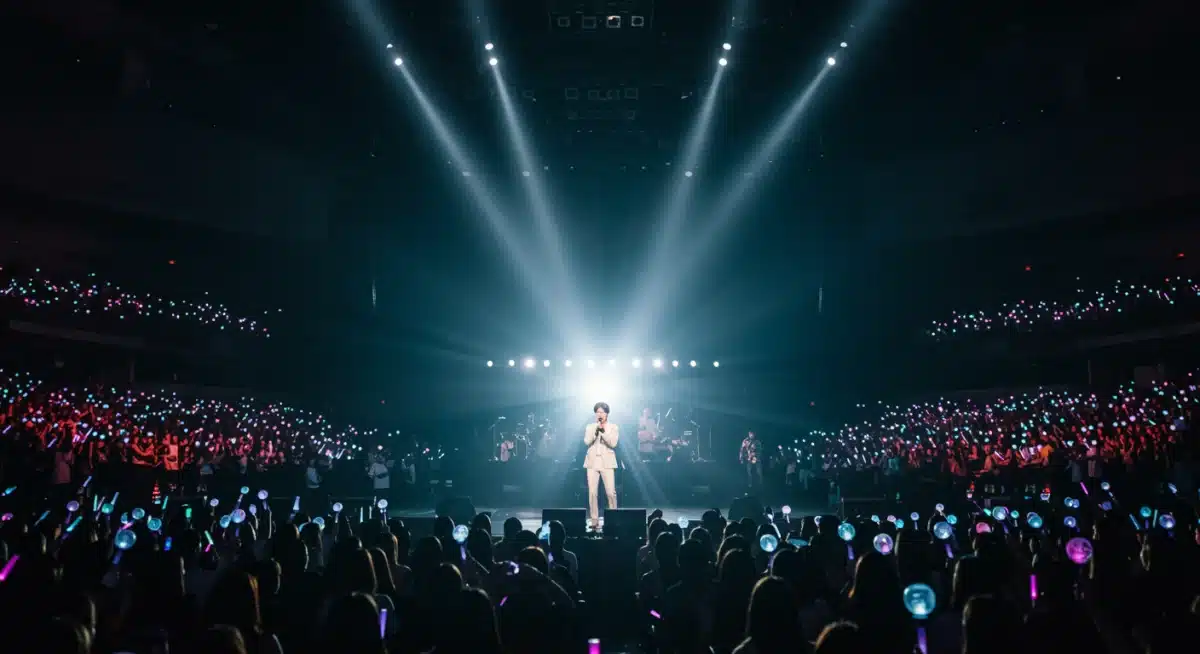
Ultimately, the role of OSTs as a cultural bridge is indispensable. They transform what might initially be a casual viewing experience into a broader cultural journey, fostering appreciation and understanding of Korean arts and traditions. This makes them a vital component in sustaining and expanding K-drama’s influence in the US market.
The business of sound: Monetization and brand partnerships
Beyond their artistic and emotional impact, Korean Drama OSTs represent a significant business asset, driving monetization and fostering lucrative brand partnerships that further bolster the streaming success of K-dramas in the US market. The commercial viability of these soundtracks is a testament to their widespread appeal and the strategic efforts of production companies to capitalize on their popularity.
OSTs generate revenue through various channels, including digital music sales, streaming royalties, physical album sales, and synchronization licensing for commercials or other media. The global demand for these tracks means a steady stream of income that can be reinvested into future drama productions, creating a self-sustaining ecosystem for the industry. This financial aspect is crucial for the continued growth and quality of K-dramas.
Leveraging OST popularity for brand collaborations
The immense popularity of certain OSTs and the artists who perform them makes them attractive for brand partnerships. Companies, both Korean and international, seek to associate their products with the positive emotions and cultural cachet that K-dramas and their music embody. This can manifest in various forms of collaboration.
- Product Placement: Brands integrate their products into dramas, with OSTs often playing during these scenes.
- Endorsements: OST singers become brand ambassadors, leveraging their connection to popular dramas.
- Merchandise: Official OST merchandise, from albums to themed apparel, creates additional revenue streams.
These brand partnerships extend the reach of K-dramas beyond traditional entertainment, integrating them into consumer culture. When a popular OST is used in a commercial, it not only promotes the product but also subtly reminds viewers of the drama, encouraging re-engagement or discovery. This cross-promotional power is invaluable for maintaining momentum in a competitive market.
The business acumen behind K-drama OSTs is as sophisticated as their musical artistry. By effectively monetizing these soundtracks and forging strategic brand alliances, the K-drama industry secures its financial future while simultaneously amplifying its cultural impact. This dual focus on art and commerce ensures the continued dominance of K-dramas in the US streaming landscape.
| Key Aspect | Brief Description |
|---|---|
| Emotional Resonance | OSTs create deep emotional connections, enhancing viewer immersion and character identification. |
| Global Music Hits | Many OSTs become popular standalone songs, charting globally and attracting new audiences. |
| Strategic Collaborations | Featuring K-pop idols boosts drama viewership and expands reach through existing fanbases. |
| Cultural Gateway | OSTs introduce American audiences to diverse Korean music and cultural elements. |
Frequently asked questions about K-drama OSTs
K-drama OSTs are meticulously crafted to enhance emotional storytelling, creating a deeper connection with viewers. They are often produced in sync with the drama’s filming, ensuring perfect alignment with the narrative and characters, making the viewing experience more immersive and memorable for US audiences.
Yes, many K-drama OSTs feature renowned K-pop idols and established singers. This strategy leverages their existing global fanbases, drawing significant attention to the dramas and their music, thereby boosting streaming numbers and overall visibility in the US market.
OSTs act as a cultural bridge by introducing American audiences to diverse Korean musical genres and vocal styles. Even with Korean lyrics, their universal themes resonate, sparking interest in Korean language, customs, and other cultural aspects, thus expanding Hallyu’s reach.
Absolutely. Many K-drama OSTs become standalone musical hits, topping global music charts and garnering millions of streams. Their catchy melodies and heartfelt lyrics possess universal appeal, allowing them to transcend their original context and gain independent artistic merit.
K-drama OSTs are significant revenue generators through digital sales, streaming royalties, and physical albums. They also attract lucrative brand partnerships and product placements, creating a financially sustainable ecosystem that supports the continued growth and high-quality production of K-dramas.
Conclusion
The indelible mark left by Korean Drama OSTs on the US streaming market is undeniable. Far more than mere background music, these meticulously crafted soundtracks are strategic emotional tools, cultural ambassadors, and powerful business assets. They deepen viewer connection, transform into global music phenomena, leverage star power, evoke powerful nostalgia, and effectively introduce broader Korean culture. As K-dramas continue their ascent in popularity, the integral role of their OSTs as a secret weapon driving this success becomes increasingly clear, solidifying their place as a cornerstone of the Hallyu wave in America.