Japanese Dorama & Mental Health: 2026 Positive Representation
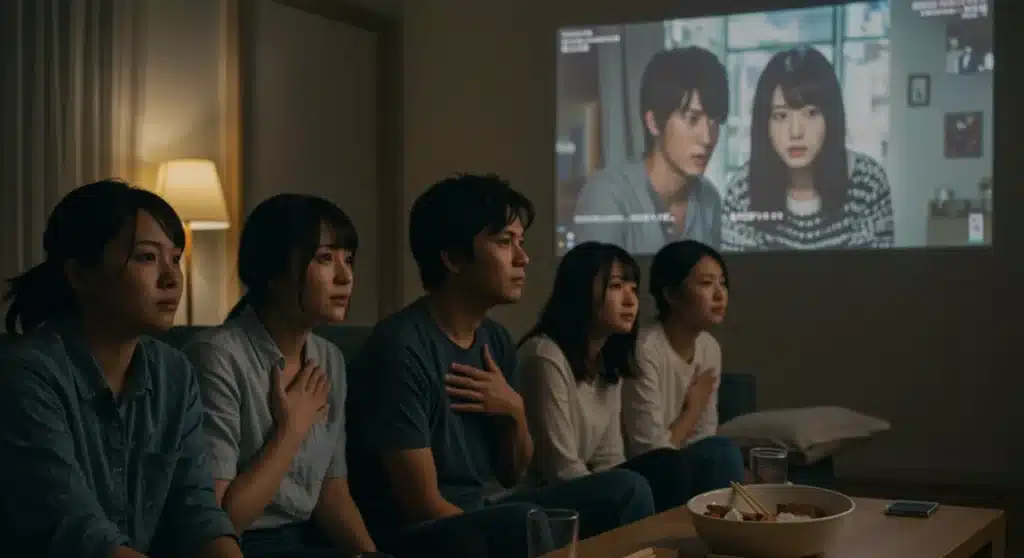
Japanese doramas in 2026 are increasingly embracing nuanced and positive representations of mental health, fostering greater awareness and reducing societal stigmas across their narratives.
The landscape of Japanese entertainment is in constant evolution, and one of the most significant shifts gaining traction is the nuanced portrayal of mental health. In 2026, Japanese dorama mental health awareness has reached new heights, with creators increasingly weaving complex psychological narratives into their storylines.
This isn’t merely about depicting struggles but about fostering understanding, promoting empathy, and showcasing paths to recovery and support. The doramas of today are becoming powerful vehicles for social change, reflecting a growing societal willingness to discuss and destigmatize mental well-being.
The evolving narrative of mental health in Japanese dorama
For decades, discussions around mental health in Japan, and consequently in its media, were often veiled or approached with a degree of trepidation. However, recent years have seen a remarkable transformation. The doramas of 2026 are no longer shying away from sensitive topics, instead embracing them with a maturity and authenticity that resonates deeply with audiences both domestically and internationally.
This shift is not accidental. It’s a reflection of broader societal movements and increasing global awareness. The entertainment industry, particularly in Japan, is responding to a demand for more realistic and empathetic storytelling. Viewers are seeking content that mirrors their own experiences or offers insight into the struggles of others, fostering a sense of connection and reducing feelings of isolation. This evolution signifies a pivotal moment, moving beyond simplistic portrayals to explore the intricate layers of mental health.
Breaking the silence: early representations and their impact
- Subtle hints: Earlier doramas might have hinted at characters’ emotional distress through indirect means, such as isolation or unexplained sadness, without explicitly naming mental health conditions.
- Focus on external factors: Often, characters’ struggles were attributed solely to external pressures like work stress or relationship issues, rather than exploring underlying psychological components.
- Limited support systems: Portrayals of support for mental health challenges were scarce, often showing characters coping in solitude or relying on informal, non-professional help.
In the past, mental health issues in doramas were often relegated to the background, serving as plot devices rather than central themes. Characters might have exhibited symptoms of depression or anxiety, but these were rarely explored with depth or presented as conditions requiring professional intervention. The focus was predominantly on external conflicts, and while these narratives had their own merits, they often missed an opportunity to educate and destigmatize.
Authenticity in portrayal: moving beyond stereotypes
One of the most commendable aspects of the 2026 trend in Japanese doramas is the commitment to authentic portrayal. Gone are the days of one-dimensional characters suffering from vaguely defined “nervous breakdowns.” Today’s doramas delve into specific conditions, such as depression, anxiety disorders, PTSD, and even rarer psychological states, with remarkable accuracy and sensitivity. This meticulous approach is crucial for fostering genuine understanding and empathy among viewers.
Creators are working closely with mental health professionals, researchers, and individuals with lived experiences to ensure that their scripts are not only compelling but also medically accurate and respectful. This collaborative effort helps to dispel common misconceptions and challenges harmful stereotypes that have historically plagued representations of mental illness in media. The result is a richer, more responsible form of storytelling that benefits everyone.
The role of expert consultation in dorama production
- Medical accuracy: Ensuring that symptoms, diagnoses, and treatments are depicted correctly, avoiding sensationalism or misrepresentation.
- Ethical storytelling: Guiding writers to portray sensitive topics with respect and avoid triggering content without proper context or support.
- Resource integration: Including information about real-world support systems and mental health services, often subtly embedded within the narrative or through post-episode PSA segments.
The involvement of mental health experts has become a cornerstone of responsible dorama production. These professionals advise on script development, character arcs, and even set design to create environments that accurately reflect therapeutic settings or living spaces of individuals facing mental health challenges. This dedication to detail elevates the quality of the narrative and reinforces the message that mental health is a serious and treatable aspect of human experience. This collaborative spirit ensures that the stories told are not just entertaining but also deeply impactful.
Promoting help-seeking behaviors and support systems

Perhaps one of the most vital contributions of contemporary Japanese doramas to mental health awareness is their emphasis on help-seeking behaviors and the importance of robust support systems. In many traditional narratives, characters would often suffer in silence, reinforcing the idea that mental health struggles are a personal burden to be carried alone. The doramas of 2026 actively challenge this notion, portraying characters who reach out for help, whether from friends, family, or professionals.
These narratives often depict the journey of seeking help, including the initial reluctance, the courage required to take the first step, and the positive outcomes that can arise from professional intervention. They also highlight the crucial role of community and empathy in recovery, showcasing how understanding and non-judgmental support from loved ones can make a profound difference. By normalizing these actions, doramas encourage viewers to consider seeking help themselves or to offer support to those around them.
Diverse portrayals of support networks
- Family and friends: Showcasing the complexities and strengths of familial and platonic bonds in providing emotional support.
- Professional therapy: Depicting counseling and psychotherapy as legitimate and effective tools for managing mental health conditions, demystifying the process.
- Workplace initiatives: Exploring how companies and organizations are implementing policies and programs to support employees’ mental well-being, reflecting real-world advancements.
The spectrum of support systems explored in doramas is broad, ranging from intimate personal connections to structured professional assistance. This comprehensive approach ensures that viewers see multiple avenues for help, catering to different comfort levels and needs. The portrayal of therapists as empathetic, skilled professionals, for instance, helps to break down the stigma often associated with seeking psychological care. Furthermore, these stories often illustrate the reciprocal nature of support, showing how helping others can also be a path to personal growth and healing.
Impact on societal perception and destigmatization
The power of media to shape public opinion cannot be overstated, and Japanese doramas are leveraging this influence to profoundly impact societal perceptions of mental health. By consistently presenting nuanced, empathetic, and realistic portrayals, these shows are actively contributing to the destigmatization of mental illness. When beloved characters openly discuss their struggles, seek help, and achieve recovery, it sends a powerful message to millions of viewers: mental health challenges are a part of the human experience, not a source of shame.
This cultural shift is not just about awareness; it’s about acceptance. Doramas are helping to normalize conversations that were once taboo, making it easier for individuals to talk about their own mental well-being without fear of judgment. This ripple effect extends beyond individual viewers, influencing policy discussions, workplace culture, and educational curricula. The entertainment industry, through its compelling stories, is becoming a key player in fostering a more understanding and supportive society.
Measuring the influence: audience reception and social discourse
- Increased online discussions: A surge in social media conversations and online forums dedicated to discussing mental health themes presented in doramas.
- Viewer testimonials: Personal stories from viewers who felt understood or encouraged to seek help after watching particular dorama episodes.
- Academic interest: Growing research into the impact of media portrayals on mental health literacy and attitudes in Japan and beyond.
The positive reception of these mental health-focused doramas is evident in various metrics, from soaring viewership ratings to active engagement on social media platforms. Audiences are not just passively consuming these stories; they are actively participating in the discourse, sharing their own experiences, and offering support to others. This interactive element amplifies the destigmatization message, creating a vibrant community around mental health advocacy. The dialogue generated by these shows is invaluable, proving that entertainment can indeed be a catalyst for meaningful social change.
Challenging traditional societal norms through storytelling
Japanese society, like many others, has historically placed a strong emphasis on stoicism, resilience, and conformity. These cultural values, while having their strengths, can inadvertently create barriers to openly discussing and addressing mental health issues. The contemporary doramas of 2026 are boldly challenging these traditional norms, illustrating that vulnerability is not a weakness and that seeking help is a sign of strength.
Through diverse characters who defy conventional expectations, doramas are presenting alternative narratives. They show individuals who prioritize their mental well-being over societal pressures, who choose self-care over self-sacrifice, and who find strength in their authentic selves. These stories are particularly impactful for younger generations, offering role models who navigate mental health challenges with courage and self-compassion, paving the way for a more open and accepting future.
Narratives of self-acceptance and growth
- Individuality over conformity: Characters who choose personal well-being over strict adherence to societal expectations, inspiring viewers to embrace their unique paths.
- Resilience through vulnerability: Stories that highlight how acknowledging and addressing mental health struggles can lead to profound personal growth and stronger relationships.
- The evolving family unit: Portraying family dynamics where open communication about mental health is encouraged, challenging traditional hierarchical structures.
These narratives are not just about overcoming illness; they are about fostering a deeper sense of self-acceptance and personal growth. Characters in these doramas often embark on journeys of self-discovery, learning to understand their emotions, set boundaries, and build healthier relationships. This focus on holistic well-being, rather than just symptom management, provides a more comprehensive and inspiring message for viewers. By challenging ingrained societal norms, these doramas are contributing to a cultural paradigm shift.
The future of Japanese dorama and mental health awareness in 2026

Looking ahead, the trajectory of Japanese dorama in addressing mental health awareness appears incredibly promising. The trends observed in 2026 suggest a continued commitment from creators to explore these themes with even greater depth and nuance. As societal understanding evolves, so too will the narratives presented on screen, offering increasingly sophisticated and empathetic portrayals.
There is an expectation that future doramas will not only continue to destigmatize mental illness but also delve into more specific and complex areas, such as neurodiversity, trauma-informed care, and the intersectionality of mental health with other social issues. The influence of global conversations on mental health, coupled with Japan’s own internal advocacy, will undoubtedly shape the next wave of storytelling, making doramas an even more potent force for positive change.
Anticipated developments and evolving themes
- Preventative mental health: Doramas exploring proactive approaches to mental well-being, such as stress management, mindfulness, and building emotional resilience.
- Digital mental health solutions: Highlighting the role of technology, such as online therapy platforms and mental health apps, in accessing support.
- Global collaboration: Potential for more international co-productions that bring diverse perspectives on mental health to Japanese dorama.
The future will likely see doramas acting as platforms for public health education, integrating information about mental health resources and preventative strategies directly into their storylines. This proactive approach could empower viewers with practical tools and knowledge, further enhancing the positive impact of these shows. The ongoing evolution of Japanese dorama mental health representation is a testament to the power of storytelling to foster empathy, drive social change, and ultimately, create a more understanding world.
| Key Trend | Brief Description |
|---|---|
| Authentic Portrayals | Doramas depict specific mental health conditions with accuracy and sensitivity, often with expert consultation. |
| Promoting Help-Seeking | Narratives encourage characters to seek professional help and rely on strong support systems. |
| Societal Destigmatization | Shows actively challenge mental health stigmas, fostering open dialogue and acceptance. |
| Challenging Norms | Stories encourage individuality, resilience through vulnerability, and evolving family support. |
Frequently asked questions about Japanese doramas and mental health
Japanese doramas in 2026 promote mental health awareness through authentic portrayals of conditions, emphasis on seeking help, and challenging traditional stigmas. They often collaborate with experts to ensure accuracy and provide viewers with relatable narratives that foster empathy and understanding for mental well-being.
Contemporary doramas feature a wide range of mental health conditions, including depression, anxiety disorders, PTSD, and social anxiety. They delve into the nuances of each, moving beyond generic descriptions to provide specific, well-researched insights, often highlighting the daily challenges and recovery journeys of individuals.
Yes, many doramas aim for accuracy and responsibility by consulting with mental health professionals and individuals with lived experiences. This collaboration ensures that symptoms, diagnoses, and treatment paths are depicted respectfully and realistically, avoiding sensationalism and providing valuable educational content to viewers.
Doramas normalize seeking professional help by showing characters actively engaging with therapists, counselors, and support groups. They depict the initial hesitation, the process of reaching out, and the positive impact of these interventions, thereby demystifying therapy and encouraging viewers to consider similar avenues for themselves.
The broader societal impact includes significant destigmatization of mental illness, increased public dialogue, and a shift in cultural perceptions. Doramas are helping to create a more compassionate society where mental health is understood as a legitimate aspect of human well-being, fostering acceptance and support.
Conclusion
The remarkable evolution of Japanese dorama mental health representation in 2026 marks a pivotal moment in both entertainment and societal discourse. By embracing authenticity, promoting help-seeking behaviors, and actively challenging long-standing stigmas, these compelling narratives are doing more than just entertaining; they are educating, inspiring, and fostering a deeper sense of empathy and understanding.
The commitment of creators to collaborate with experts and reflect real-world experiences ensures that doramas remain a powerful force for positive change, paving the way for a future where mental health is openly discussed, understood, and supported across all facets of society. This ongoing trend underscores the profound influence of storytelling in shaping cultural attitudes and improving collective well-being.