Japanese Dorama Dubbing: US Market Report 2026
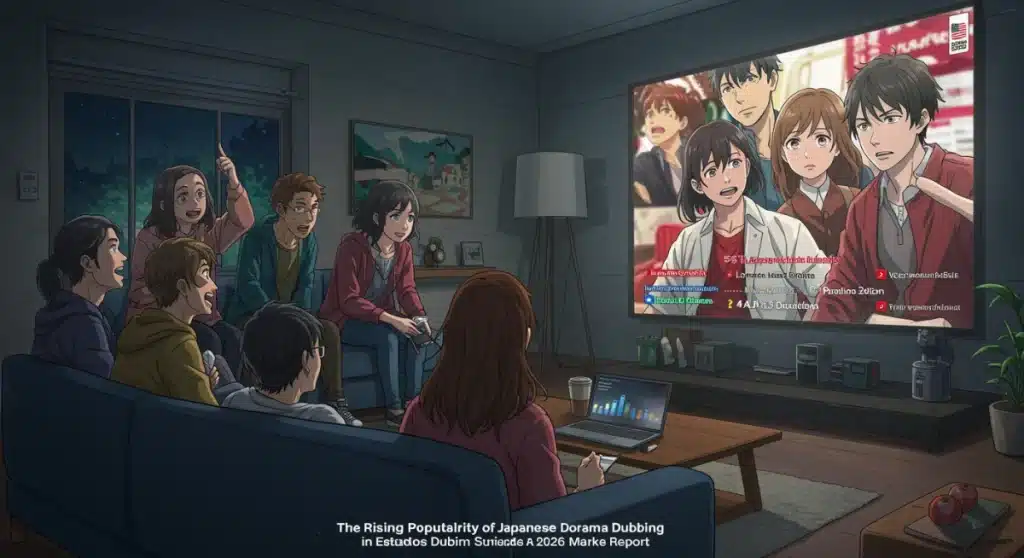
The rising popularity of Japanese dorama dubbing in the United States is transforming the entertainment landscape, driven by increased accessibility and evolving audience preferences, as detailed in this 2026 market report.
The entertainment landscape in the United States is in constant flux, with new trends emerging and captivating audiences. One such phenomenon gaining significant traction is the rising popularity of Japanese dorama dubbing in the US: A 2026 Market Report suggests a robust and expanding market for these captivating narratives. This surge isn’t just a fleeting trend; it represents a fundamental shift in how American viewers consume international content, breaking down language barriers and fostering a deeper appreciation for Japanese storytelling.
The evolving landscape of international content consumption
The past decade has witnessed a dramatic transformation in how audiences in the United States engage with international media. No longer confined to niche markets or specialty channels, foreign-language content, particularly from Asia, has permeated mainstream consciousness. This shift is largely attributable to the proliferation of streaming services and the increasing cultural curiosity among viewers.
Initially, subtitles were the primary gateway for international content. While effective, they often presented a barrier to casual viewing, requiring constant attention and potentially detracting from the visual experience. The advent of high-quality dubbing, however, has revolutionized accessibility, allowing a broader demographic to immerse themselves in stories without the cognitive load of reading.
This evolution is particularly pertinent to Japanese dorama dubbing, as it opens up a rich vein of cultural narratives to a wider American audience, many of whom might not typically seek out subtitled content.
Breaking down language barriers with localized voice acting
Location is key to enter the market. Professional dubbing goes beyond mere translation; it involves adapting dialogue, cultural nuances, and even vocal performances to resonate with the target audience. For Japanese doramas, this means casting voice actors who can convey the original emotional depth while ensuring the dialogue sounds natural and engaging to American ears.
- Enhanced viewer immersion: Dubbing allows viewers to fully focus on the visuals and performances without the distraction of reading subtitles.
- Broader demographic reach: It appeals to audiences who prefer not to read subtitles, including younger viewers and those with visual impairments.
- Cultural bridge: High-quality dubbing helps bridge cultural gaps by making foreign narratives more relatable and digestible.
- Increased casual viewership: Viewers can multitask or simply relax more while watching dubbed content, fostering a more casual viewing experience.
The success of dubbed anime laid the groundwork for doramas. Audiences grew accustomed to hearing Japanese stories in English, which eased the transition for live-action series. This familiarity, coupled with the rising quality of dubbing production, has significantly contributed to the burgeoning market for dubbed Japanese doramas.
Drivers behind the surge in Japanese dorama dubbing
Several factors converge to explain the accelerating demand for dubbed Japanese doramas in the US. Beyond mere accessibility, there’s a growing appreciation for the unique storytelling, diverse genres, and high production values that Japanese television offers. The market report for 2026 points to a confluence of technological advancements, strategic platform investments, and evolving audience tastes.
Firstly, the global reach of streaming platforms cannot be overstated. Services like Netflix, Hulu, and Amazon Prime Video have actively invested in acquiring and localizing international content, recognizing its potential to attract and retain subscribers. This strategic push includes a significant focus on Asian content, with Japanese doramas emerging as a strong contender alongside Korean dramas and Chinese historical series.
Strategic investments by streaming giants
Major streaming platforms are no longer just distributors; they are becoming significant producers and localizers of content. Their investment in professional dubbing studios and talent pools has elevated the quality of dubbed doramas, making them more appealing to a mainstream audience. This commitment signals a long-term belief in the market potential of these shows.
- Content acquisition: Platforms are actively licensing popular and critically acclaimed Japanese doramas.
- Localization budgets: Increased budgets are allocated for high-quality English dubbing, ensuring authenticity and viewer satisfaction.
- Global distribution: Dubbed versions are made available globally, maximizing reach and return on investment.
- Algorithmic recommendations: AI-driven recommendation engines expose new viewers to doramas, fostering discovery and engagement.
Secondly, the thematic diversity of Japanese doramas resonates with a broad spectrum of viewers. From heartwarming slice-of-life stories and intricate psychological thrillers to captivating historical epics and romantic comedies, there is a dorama for every taste. This variety prevents viewer fatigue and encourages exploration across genres, further solidifying the appeal of Japanese dorama dubbing.
Audience demographics and shifting preferences in the US
Understanding the audience is crucial for any market analysis. The demographic profile of American viewers consuming dubbed Japanese doramas is surprisingly diverse, extending beyond traditional anime fans. While younger generations, particularly Gen Z and Millennials, are early adopters, older demographics are also discovering the charm of these narratives, drawn in by compelling plots and relatable characters.
The shift in preferences indicates a growing openness to non-Western narratives and cultural experiences. Viewers are actively seeking fresh perspectives and storytelling conventions that differ from Hollywood’s often formulaic approaches. Japanese doramas offer this alternative, with their unique pacing, character development, and cultural insights.
The appeal of diverse storytelling and cultural insights
American audiences are increasingly sophisticated and globally minded. They are less bound by geographical or linguistic constraints, thanks to the internet and streaming services. This cultural curiosity drives them to explore content that offers a window into different societies and ways of life.
- Unique narrative structures: Japanese doramas often employ distinct storytelling techniques, such as multi-layered plots and nuanced character arcs.
- Cultural authenticity: They offer genuine insights into Japanese society, traditions, and contemporary issues.
- Emotional depth: Many doramas are praised for their ability to evoke strong emotions and tackle complex themes with sensitivity.
- High production values: Modern Japanese doramas boast impressive cinematography, soundtracks, and acting performances.
The word-of-mouth effect, amplified by social media, also plays a significant role. Enthusiastic viewers share recommendations, create fan communities, and discuss doramas online, generating organic buzz that attracts new audiences to Japanese dorama dubbing. This communal aspect further cements its place in the American entertainment landscape.
Technological innovations and dubbing quality
The quality of dubbing has been a historical sticking point for many viewers. Early dubs were often criticized for poor voice acting, unnatural dialogue, and a lack of synchronization. However, advancements in audio technology, voice acting talent pools, and localization techniques have dramatically improved the quality of Japanese dorama dubbing, making it a more palatable and even preferred option for many.
Modern dubbing studios utilize sophisticated software for lip-syncing and dialogue editing, ensuring a seamless viewing experience. Furthermore, there’s a greater emphasis on casting experienced voice actors who understand the nuances of both Japanese storytelling and American speech patterns, leading to more authentic and engaging performances.
The evolution of voice acting and localization techniques
The industry has moved beyond merely translating words to truly localizing the entire experience. This involves not only linguistic accuracy but also cultural relevance, ensuring jokes land, emotional beats are felt, and character motivations are understood by an American audience.
- Advanced lip-syncing technology: Software tools help achieve a more natural synchronization between spoken words and character mouth movements.
- Talent pool expansion: A growing number of skilled voice actors specializing in anime and foreign live-action content are available.
- Cultural consultants: Experts ensure that localized scripts retain the original cultural essence while being understandable to a new audience.
- Improved audio production: High-fidelity recording and mixing techniques result in clear, professional-sounding dubs.
The positive feedback from viewers regarding the improved quality of dubbed content encourages further investment in this area. As technology continues to evolve, the distinction between original and dubbed versions will become increasingly blurred, further fueling the growth of Japanese dorama dubbing in the US market.
Economic impact and market projections for 2026
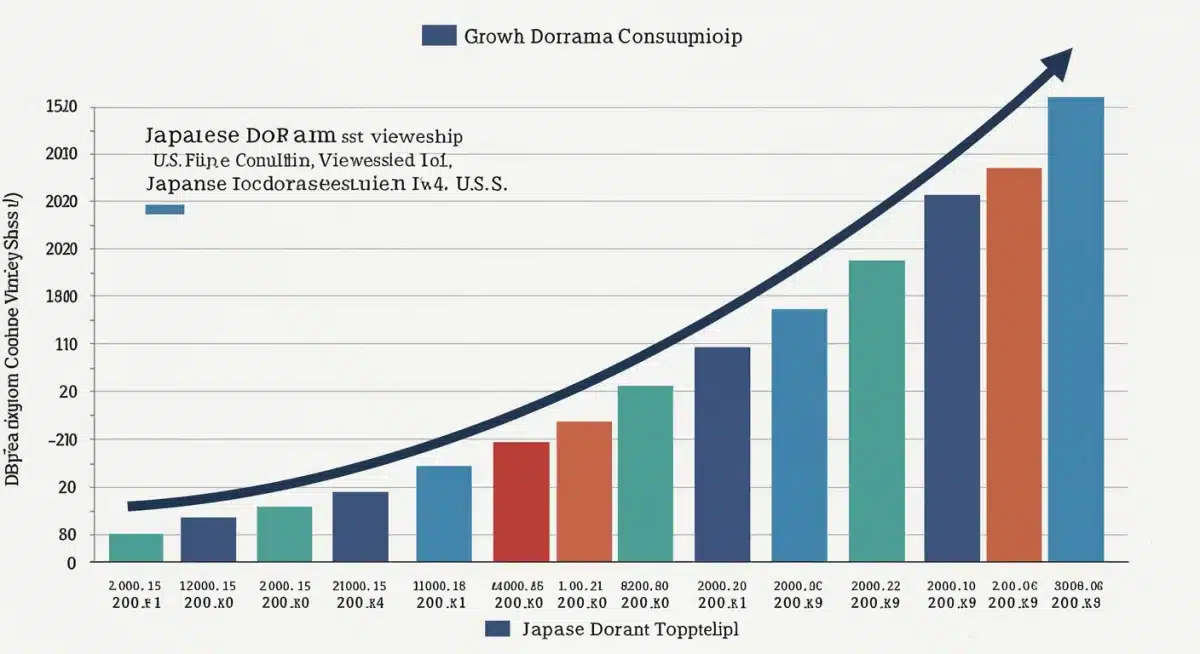
The rising popularity of Japanese dorama dubbing is not just a cultural phenomenon; it has significant economic implications for both the Japanese and American entertainment industries. The 2026 market report indicates a period of sustained growth, driven by increasing viewership, content investment, and ancillary market opportunities.
For Japanese production houses, the US market represents a lucrative expansion opportunity, providing additional revenue streams through licensing deals and potential co-production ventures. For American streaming platforms, it means a stronger, more diverse content library that can attract and retain a wider subscriber base, giving them a competitive edge in a crowded market.
Growth in content licensing and production partnerships
The demand for dubbed doramas is spurring a feedback loop: increased viewership leads to more investment, which in turn leads to more and higher-quality dubbed content. This cycle is expected to intensify by 2026, with more strategic partnerships forming between Japanese content creators and American distributors.
- Increased licensing revenue: Japanese studios benefit from higher fees for US distribution rights.
- Co-production opportunities: Joint ventures could lead to doramas specifically designed for international appeal.
- Merchandising and fan engagement: Popular doramas can generate significant revenue from merchandise, fan events, and conventions.
- Job creation: The dubbing industry in the US sees growth in voice acting, translation, and audio engineering roles.
Projections for 2026 suggest that the market share of dubbed Japanese doramas within the broader international content category will continue to expand. This growth is not just in terms of viewership numbers but also in the overall economic value generated, highlighting the long-term viability and profitability of this segment.
Challenges and opportunities for future growth
While the trajectory for Japanese dorama dubbing in the US is overwhelmingly positive, the market is not without its challenges. Competition from other international content, the cost of high-quality dubbing, and the need to maintain cultural authenticity are all factors that industry players must navigate. However, these challenges also present opportunities for innovation and strategic differentiation.
One key challenge is the sheer volume of international content available. Japanese doramas must continually stand out amidst a sea of Korean dramas, European series, and other global offerings. This necessitates careful curation of content and consistent investment in superior localization to ensure viewer preference.
Navigating competition and maintaining authenticity
Success in this competitive landscape requires a delicate balance between appealing to a broad audience and respecting the original cultural context of the doramas. Over-localization or sanitization of content can alienate purist fans, while insufficient adaptation might deter new viewers.
- Content curation: Selecting doramas with universal themes and high production values that resonate with US audiences.
- Quality control: Ensuring consistently high standards in dubbing quality across all localized titles.
- Marketing and promotion: Effective campaigns to highlight the unique appeal of Japanese doramas.
- Fan engagement: Building and nurturing communities around popular series to foster loyalty and organic growth.
Looking ahead to 2026 and beyond, opportunities lie in exploring new distribution models, leveraging interactive technologies, and fostering deeper collaboration between Japanese creators and American localization experts. The market for Japanese dorama dubbing is ripe for further expansion, provided stakeholders continue to adapt and innovate in response to evolving audience demands and technological advancements.
The cultural impact and future outlook
Beyond market figures and economic projections, the rising popularity of Japanese dorama dubbing in the United States carries significant cultural weight. It fosters greater understanding and appreciation of Japanese culture, bridging geographical and linguistic divides. This cultural exchange enriches the American media landscape and provides viewers with diverse perspectives and narratives.
The future outlook for dubbed Japanese doramas in the US is bright. As streaming services continue to expand their global content libraries and dubbing technology advances, the accessibility and appeal of these shows will only grow. We can anticipate more original Japanese content being produced with international audiences in mind, and a continued blurring of lines between domestic and foreign entertainment.
Fostering cross-cultural understanding through entertainment
Entertainment has always been a powerful tool for cultural diplomacy. Doramas, with their often relatable human stories set against unique Japanese backdrops, offer a compelling way for American audiences to connect with a different culture on an emotional level. This connection goes beyond mere consumption; it cultivates curiosity and respect.
- Cultural learning: Viewers gain exposure to Japanese customs, social norms, and daily life.
- Reduced stereotypes: Direct engagement with authentic stories helps to break down preconceived notions and stereotypes.
- Global citizenship: Fosters a more interconnected and understanding global audience.
- Inspiration for local creators: Japanese storytelling techniques and themes can inspire American writers and producers.
By 2026, the influence of Japanese doramas, particularly their dubbed versions, is expected to be even more deeply embedded in the American entertainment fabric. This trend signifies not just a commercial success but a testament to the universal power of compelling storytelling, transcending language through the art of dubbing.
| Key Point | Brief Description |
|---|---|
| Market Growth | Significant increase in viewership and demand for dubbed Japanese doramas in the US, projected to continue through 2026. |
| Key Drivers | Streaming platform investments, improved dubbing quality, and audience’s growing interest in diverse international content. |
| Audience Shift | Broader demographic appeal beyond anime fans, seeking unique narratives and cultural insights. |
| Future Outlook | Continued expansion, increased cultural exchange, and potential for co-production ventures in the coming years. |
Frequently asked questions about Japanese dorama dubbing
Its popularity is driven by increased accessibility through streaming platforms, significant improvements in dubbing quality, and a growing American audience interest in diverse, high-quality international storytelling, moving beyond traditional subtitled viewing experiences.
Major streaming services like Netflix, Hulu, and Amazon Prime Video are leading the charge, actively investing in acquiring and localizing Japanese doramas. Other niche platforms also contribute to the growing availability of dubbed content.
High-quality dubbing significantly enhances viewer immersion and broadens appeal by eliminating the need to read subtitles. Improved voice acting, lip-syncing, and cultural localization make the content more engaging and accessible to a wider American audience, fostering casual viewership.
US audiences enjoy a wide range of genres, including romantic comedies, slice-of-life dramas, psychological thrillers, and historical epics. The appeal lies in their unique narrative structures, emotional depth, and authentic cultural insights that offer a fresh alternative to Western productions.
The 2026 market report projects continued robust growth, driven by ongoing investment from streaming platforms, technological advancements in dubbing, and increasing cross-cultural appreciation, leading to more content and potential co-production ventures.
Conclusion
The journey of Japanese dorama dubbing in the United States from a niche interest to a mainstream entertainment phenomenon is a compelling narrative in itself. The 2026 market report unequivocally points to a sustained upward trajectory, fueled by strategic investments from streaming giants, significant advancements in dubbing technology, and an increasingly discerning American audience eager for diverse and authentic storytelling. This trend is not merely about content consumption; it’s a powerful catalyst for cultural exchange, fostering a deeper understanding and appreciation of Japanese artistry and narratives across the Atlantic. As the industry continues to innovate and adapt, the future of dubbed Japanese doramas in the US promises even greater accessibility, broader appeal, and a more interconnected global entertainment landscape.