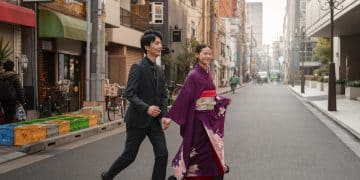
Modern Japanese Society in Doramas: A Critical Review
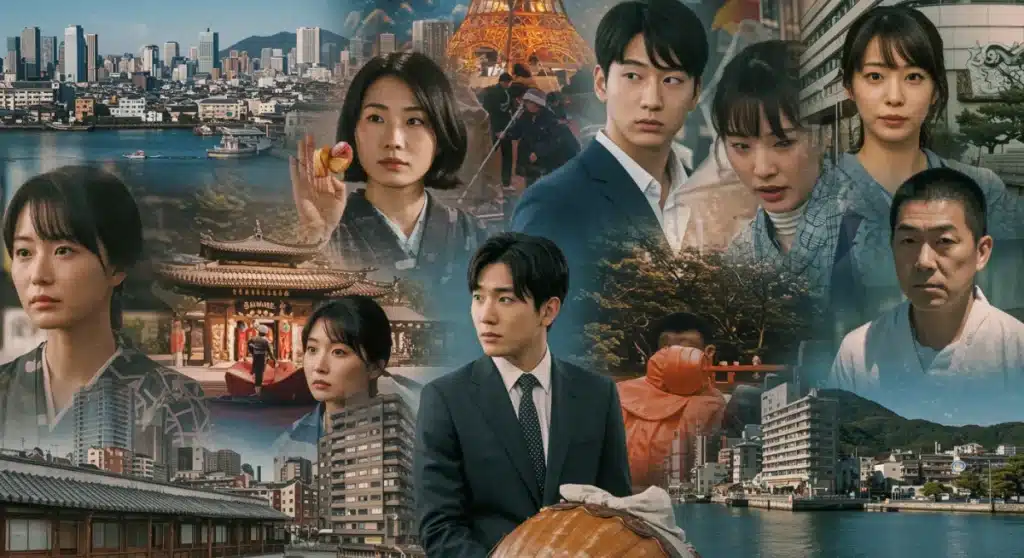
Current Japanese doramas offer a critical, multifaceted lens through which to understand modern Japanese society, reflecting prevalent social issues, evolving cultural norms, and individual struggles.
Have you ever wondered how contemporary Japanese society truly functions beyond the headlines? The Representation of Modern Japanese Society in Current Doramas: A Critical Review offers a fascinating window into Japan’s evolving cultural landscape. These television dramas are not just entertainment; they serve as powerful mirrors, reflecting and sometimes even shaping the nuanced realities of daily life, work, and relationships in modern Japan.
The Evolving Workplace: From Salaryman Culture to Gig Economy
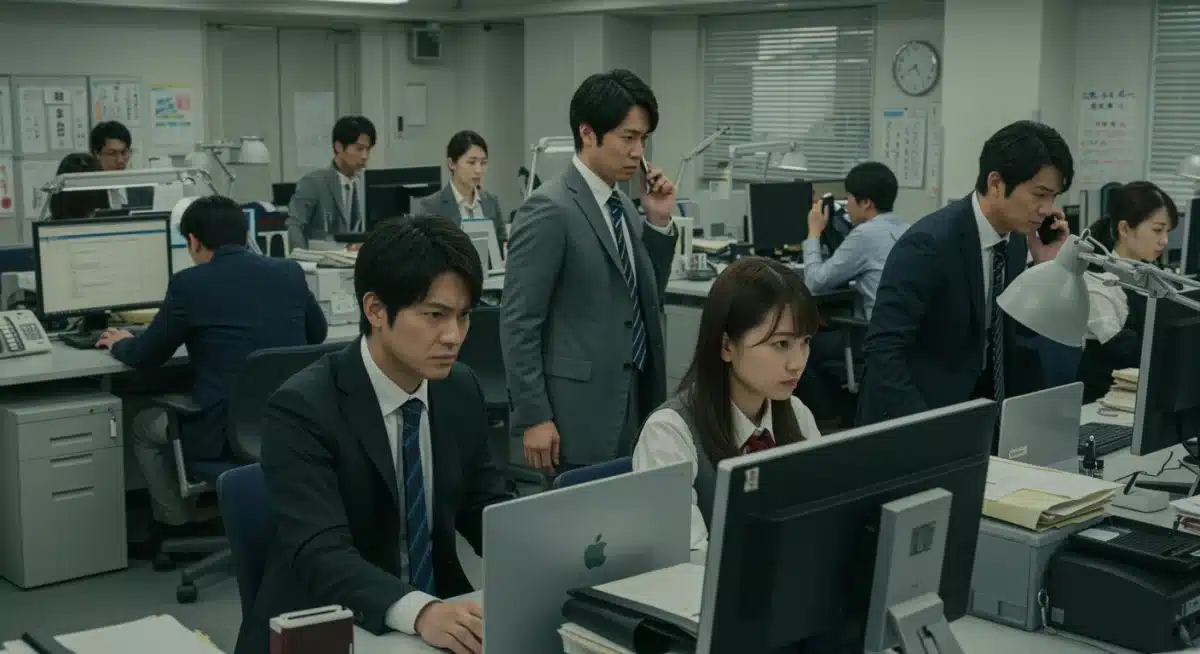
The Japanese workplace has long been a subject of intense fascination and scrutiny, both domestically and internationally. Traditional portrayals often highlighted the unwavering loyalty of the salaryman, long working hours, and a rigid hierarchical structure. However, current doramas are increasingly depicting a more complex and often challenging reality, reflecting significant shifts in employment practices and employee expectations.
Gone are the days when every protagonist aspired to a lifelong career at one company. Today’s doramas frequently explore the precarity of contract work, the allure of entrepreneurship, and the struggles of those navigating the gig economy.
Work-Life Balance and Mental Health
One of the most prominent themes in recent doramas is the struggle for work-life balance. Characters often grapple with overwhelming workloads, demanding bosses, and the societal pressure to prioritize their careers above all else. This narrative thread brings to light the growing awareness and concern over mental health issues within the Japanese workforce.
- Overtime Culture: Many doramas directly address the infamous concept of “karoshi” (death from overwork), showing its devastating impact on individuals and families.
- Burnout Syndrome: Characters experiencing professional burnout are common, leading to stories about seeking new paths or advocating for healthier work environments.
- Harassment at Work: Power harassment (pawahara) and sexual harassment (sekuhara) are frequently depicted, sparking discussions about workplace ethics and employee protection.
These narratives are not merely fictional; they resonate deeply with real-world experiences, prompting viewers to consider the human cost of Japan’s demanding corporate culture and the urgent need for reforms.
Diversity and Inclusion in the Office
While still a work in progress, doramas are beginning to showcase a more diverse range of individuals in the workplace. This includes women striving for leadership roles, older workers facing ageism, and even characters from different cultural backgrounds navigating Japanese corporate norms. Such portrayals help to challenge traditional stereotypes and advocate for more inclusive work environments.
Family Dynamics and Generational Gaps
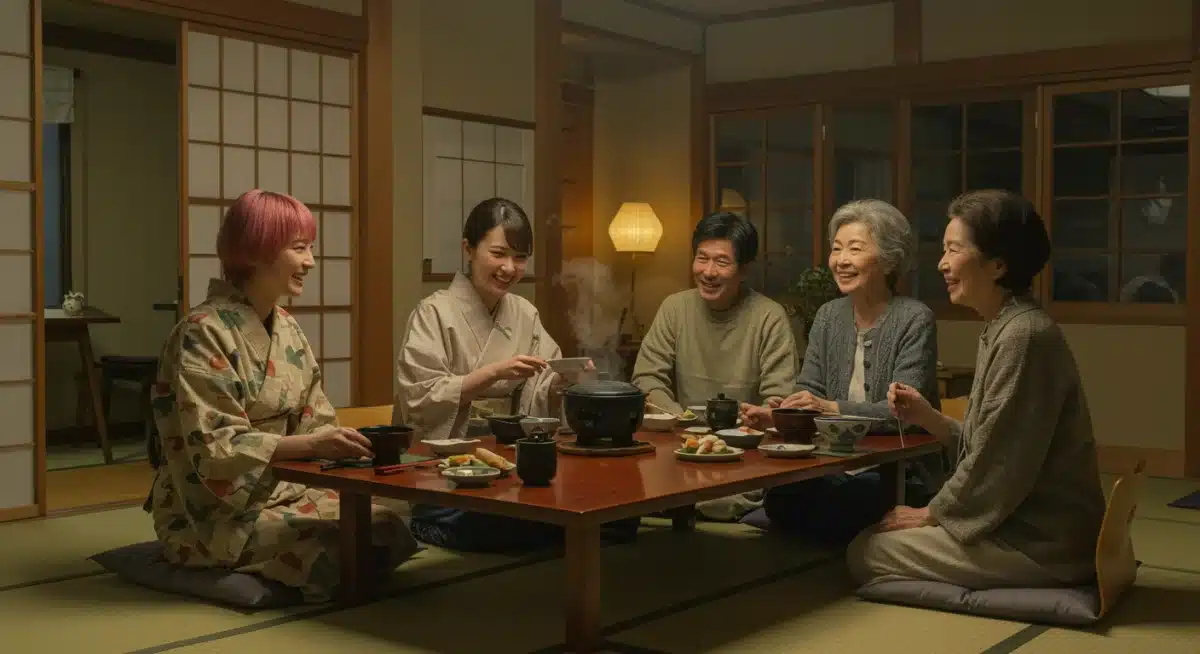
The traditional Japanese family unit, once characterized by distinct roles and strong intergenerational ties, is undergoing significant transformations. Current doramas offer a candid look into these evolving dynamics, highlighting the challenges and triumphs of modern family life.
From single-parent households and blended families to the increasing number of individuals choosing not to marry or have children, doramas reflect a society grappling with changing expectations and societal pressures. These narratives often explore the emotional complexities that arise from these shifts.
Parent-Child Relationships
The relationship between parents and children is a perennial theme, but contemporary doramas add new layers of complexity. They often depict the intense academic pressure placed on children, the struggles of “kyoiku mama” (education mothers), and the growing phenomenon of adult children living with their parents (parasite singles).
- Academic Pressure: Doramas frequently show children and teenagers under immense stress due to entrance exams and extracurricular activities, questioning the effectiveness of the rigid education system.
- Aging Parents: The challenges of caring for elderly parents, particularly in a society with a rapidly aging population, are often central to family-focused storylines.
- Communication Breakdown: Many plots revolve around the difficulty of intergenerational communication, with parents struggling to understand their children’s modern aspirations and vice versa.
Marriage and Relationships
Marriage is no longer a universal expectation, and doramas reflect this shift by exploring diverse relationship models. They delve into the reasons behind delayed marriages, the rise of divorce rates, and the growing acceptance of alternative partnerships. The pressures to marry and have children, particularly for women, are often depicted with a critical eye.
Social Issues and Marginalized Voices
Beyond the surface-level narratives, many doramas serve as powerful platforms for addressing pressing social issues and giving voice to marginalized communities. This commitment to social commentary elevates these series beyond mere entertainment, transforming them into tools for public discourse and empathy.
From mental health stigmas to discrimination against minorities, doramas are increasingly unafraid to tackle sensitive topics, fostering greater understanding and challenging societal norms. This willingness to engage with difficult subjects underscores the medium’s growing maturity and its role in reflecting societal change.
Mental Health Awareness
Historically, mental health issues have been stigmatized in Japan. However, recent doramas have actively sought to break down these barriers by featuring characters who openly struggle with depression, anxiety, or other psychological conditions. These narratives often emphasize the importance of seeking help and finding support systems.
By humanizing these experiences, doramas contribute to a more open dialogue about mental health, encouraging viewers to be more understanding and compassionate towards those affected. They highlight the societal pressures that often exacerbate these conditions, from academic stress to workplace bullying.
Discrimination and Inequality
Doramas are also shedding light on various forms of discrimination prevalent in Japanese society. This includes issues related to gender, ethnicity, sexual orientation, and disability. While progress may be slow, the mere act of depicting these struggles on screen helps to raise awareness and challenge prejudices.
- Gender Inequality: Many series portray the challenges women face in professional settings, the pressure to conform to traditional gender roles, and the ongoing fight for equality.
- LGBTQ+ Representation: While still limited, there are a growing number of doramas featuring LGBTQ+ characters and storylines, contributing to greater visibility and acceptance.
- Minority Rights: Some doramas touch upon the experiences of ethnic minorities in Japan, highlighting issues of integration, prejudice, and cultural identity.
These portrayals, though sometimes controversial, are vital in encouraging reflection and discussion about the kind of inclusive society Japan aspires to be.
Consumerism and Materialism in Japanese Culture
Modern Japanese society is often associated with a strong consumer culture, where material possessions and brand status can play a significant role. Doramas frequently explore this aspect, sometimes celebrating it, but often critically examining its impact on individuals and relationships.
From designer clothes and high-end gadgets to the pursuit of luxury experiences, these narratives reflect the aspirations and anxieties tied to consumerism. However, they also delve into the emptiness that can accompany a purely materialistic lifestyle, offering a nuanced perspective.
The Pursuit of Status and Happiness
Many dorama characters are depicted striving for a certain lifestyle, often linked to financial success and the acquisition of expensive goods. This pursuit is often shown as a double-edged sword, bringing temporary satisfaction but failing to deliver true happiness or fulfillment. The series often contrast this with simpler, more meaningful expressions of joy.
The pressure to maintain appearances, particularly in urban settings, is another recurring theme. Characters might go into debt to afford certain items or experiences, revealing the darker side of consumer-driven aspirations. This often leads to stories of self-discovery and a reevaluation of what truly matters.
Minimalism and Anti-Consumerism Trends
Interestingly, some doramas have also begun to explore counter-movements, such as minimalism and anti-consumerism. Characters who consciously choose to live with less or reject the constant pursuit of new possessions offer an alternative viewpoint, reflecting a growing segment of society that values experiences over material wealth.
The Digital Age and Social Media Influence
The rapid advancement of technology and the pervasive influence of social media have dramatically reshaped modern Japanese society. Current doramas are quick to integrate these elements into their storytelling, reflecting both the opportunities and the challenges presented by the digital age.
From online relationships and digital communication to the dark side of cyberbullying and information overload, these series offer a contemporary lens on how technology impacts human connection and societal norms. They highlight the blurring lines between online and offline identities.
Online Relationships and Communication
Doramas frequently feature characters who meet, fall in love, or form friendships through online platforms. This reflects a societal shift where virtual spaces are increasingly becoming legitimate arenas for forming meaningful connections. However, these narratives also explore the misunderstandings and deceptions that can arise from purely digital interactions.
- Dating Apps: The use of dating apps and online matching services is often depicted, showcasing both successful pairings and the pitfalls of superficial connections.
- Social Media Tribes: Characters often belong to online communities or fan groups, illustrating how social media fosters a sense of belonging and shared interests.
- Misinformation and Rumors: The rapid spread of rumors and misinformation through social media platforms is a recurring plot device, highlighting its potential for harm.
Cyberbullying and Privacy Concerns
The darker aspects of the digital world, particularly cyberbullying and privacy invasion, are also becoming more prevalent themes. Doramas often depict the severe psychological impact of online harassment, prompting viewers to consider the ethical implications of digital anonymity and accountability.
These portrayals serve as cautionary tales, encouraging viewers to be mindful of their online conduct and to advocate for safer digital spaces. The struggle to maintain privacy in an increasingly connected world is a constant source of tension and dramatic conflict.
Cultural Identity and Globalisation
As Japan continues to engage with the global community, questions of cultural identity and the impact of globalization become increasingly relevant. Doramas explore these themes by showcasing characters who navigate between traditional Japanese values and Western influences, often leading to internal and external conflicts.
The series often depict the tension between preserving unique Japanese customs and embracing new, international trends. This dynamic reflects a society in constant negotiation with its past, present, and future, seeking to define what it means to be Japanese in a globalized world.
Tradition vs. Modernity
Many doramas illustrate the generational divide in attitudes towards tradition. Older characters often cling to established customs, while younger characters might be more open to adopting foreign ideas or challenging conventional norms. This clash frequently provides both comedic and dramatic moments, highlighting the ongoing cultural evolution.
From traditional festivals and ceremonies to the etiquette of everyday life, doramas subtly integrate these cultural elements, allowing international viewers to gain insight into Japanese customs while also showing domestic audiences how these traditions are being reinterpreted or challenged.
Foreign Influence and “Cool Japan”
The concept of “Cool Japan” – the global spread of Japanese popular culture – is subtly reflected in some doramas. While not always explicit, the series often feature characters who are influenced by foreign trends in fashion, music, or lifestyle, demonstrating the permeable nature of cultural boundaries.
The Role of Education and Future Aspirations
Education holds a paramount position in Japanese society, often seen as the primary pathway to success and social mobility. Current doramas frequently delve into the competitive and often stressful world of Japanese schooling, exploring its impact on students, parents, and the broader societal structure.
These narratives highlight the immense pressure to excel academically, the importance of prestigious universities, and the anxieties surrounding career choices in a rapidly changing economy. They also touch upon alternative educational paths and the evolving aspirations of younger generations.
Academic Pressure and Exam Hell
The concept of “exam hell” (juken jigoku) is a recurring motif in many school-themed doramas. Characters, often high school students, are depicted studying relentlessly, attending cram schools (juku), and sacrificing personal lives in pursuit of admission to top universities. This intense focus on academic achievement reflects a deeply ingrained societal value.
- Stress and Anxiety: Doramas often illustrate the psychological toll this pressure takes on students, leading to burnout, depression, and sometimes even rebellion against the system.
- Parental Involvement: The role of parents, particularly mothers, in their children’s education is critically examined, showcasing both supportive and overly demanding behaviors.
- Educational Reform: Some series subtly advocate for or critique various aspects of the Japanese education system, sparking discussions about its relevance in the 21st century.
Career Choices and Future Uncertainty
Beyond university entrance, doramas also explore the anxieties surrounding career selection and future prospects. With a diversifying job market and global economic uncertainties, young characters often grapple with difficult decisions about their professional paths, sometimes choosing unconventional careers over traditional corporate routes.
These stories reflect a generation that is perhaps more willing to challenge established norms, prioritizing personal fulfillment and work-life balance over guaranteed stability. The struggle to find meaning and purpose in one’s work is a powerful and relatable theme.
| Key Aspect | Dorama’s Reflection |
|---|---|
| Workplace Evolution | Depicts shifts from traditional salaryman culture to gig economy and work-life balance struggles. |
| Family Dynamics | Explores changing parent-child relations, delayed marriages, and evolving family structures. |
| Social Issues | Addresses mental health stigma, discrimination, and challenges faced by marginalized groups. |
| Digital Influence | Showcases online relationships, cyberbullying, and the pervasive impact of social media. |
Frequently Asked Questions About Japanese Doramas and Society
While doramas often dramatize situations for entertainment, they frequently draw inspiration from real social issues and cultural trends. Many series conduct extensive research to ensure a degree of authenticity, making them valuable, albeit stylized, reflections of modern Japanese life and challenges.
Yes, doramas can play a significant role in influencing social change by raising awareness about sensitive topics like mental health, workplace harassment, and discrimination. By portraying these issues, they spark public discourse and can encourage viewers to challenge existing norms and advocate for progress.
Common themes include the intense pressure of the Japanese workplace, work-life balance issues, evolving family structures, academic stress, mental health stigmas, and the impact of technology and social media on relationships and personal well-being.
Doramas often show both traditional gender roles and evolving dynamics. While some depict women navigating societal expectations in marriage and motherhood, many also feature strong female protagonists challenging glass ceilings in corporate environments and advocating for gender equality and independent lifestyles.
Absolutely. Doramas offer a rich cultural immersion, providing insights into Japanese customs, etiquette, social hierarchies, and daily life. They can act as an accessible and engaging way for international audiences to learn about contemporary Japanese values and societal nuances, fostering greater cross-cultural understanding.
Conclusion
In conclusion, the representation of modern Japanese society in current doramas offers a rich and often critical lens through which to understand a nation in constant flux. These series transcend simple entertainment, serving as vital cultural artifacts that reflect the complexities of workplace dynamics, the evolution of family structures, the grappling with profound social issues, the pervasive influence of technology, and the ongoing negotiation of cultural identity in a globalized world.
By engaging with these narratives, viewers gain not only a deeper appreciation for Japanese storytelling but also a nuanced understanding of the challenges and resilience inherent in contemporary Japanese life.