Secret Garden has 50,000 Signatures to Halt Production
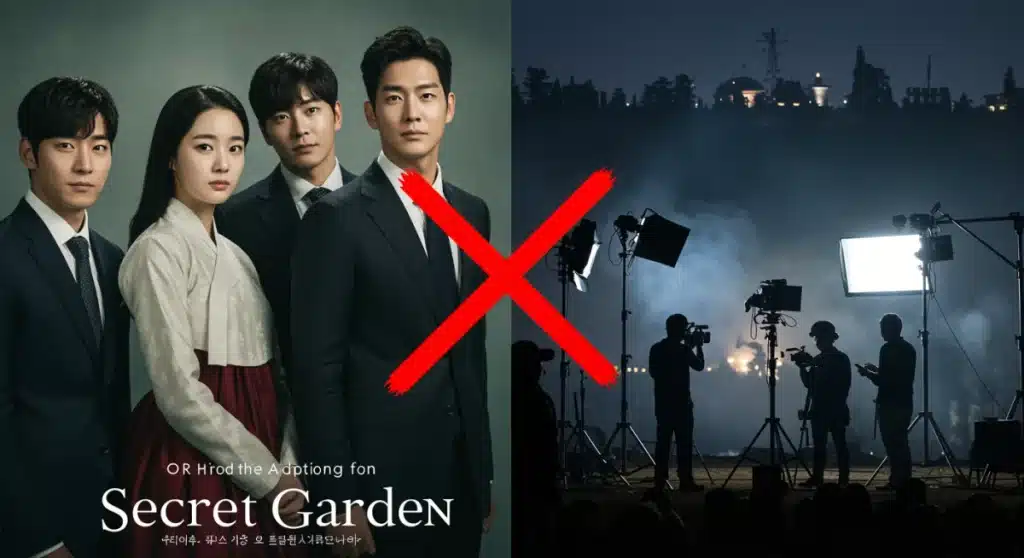
The announcement of a US adaptation of the iconic K-drama ‘Secret Garden’ has sparked a significant uproar among fans, leading to a massive online petition demanding its immediate halt. This growing Secret Garden US adaptation controversy highlights deep-seated concerns about Hollywood’s approach to remaking beloved foreign content, particularly from the highly successful and culturally rich world of Korean dramas.
The Genesis of a Global Phenomenon: ‘Secret Garden’s’ Enduring Legacy
The original ‘Secret Garden’ isn’t just another K-drama; it’s a cultural touchstone that captivated millions worldwide. Released in 2010, this fantasy romance series starring Hyun Bin and Ha Ji-won became an instant classic, renowned for its unique body-swapping premise, witty dialogue, and unforgettable characters. Its impact extended far beyond South Korea, solidifying the Hallyu wave’s global reach and introducing countless international viewers to the magic of K-dramas.
The drama’s success wasn’t merely about ratings; it cultivated a dedicated fanbase that championed its originality and emotional depth. From its iconic tracksuit to its memorable lines, ‘Secret Garden’ left an indelible mark on popular culture, influencing subsequent dramas and setting a high bar for romantic fantasy storytelling. The series masterfully blended humor, fantasy, and genuine emotional resonance, creating a narrative that felt both fantastical and deeply human. This enduring appeal is precisely why news of a US adaptation has been met with such fervent resistance from its loyal followers.
Why Fans Are Up in Arms: Concerns Over Cultural Integrity
The primary driver behind the backlash against the US adaptation of ‘Secret Garden’ stems from a profound fear of cultural misrepresentation and dilution. K-dramas are often celebrated for their unique narrative styles, character development, and subtle cultural nuances that are deeply embedded within the storytelling. Fans worry that a Hollywood remake might strip away these essential elements, resulting in a generic and uninspired production that fails to capture the original’s essence.
The Challenge of Translation: More Than Just Language
Adapting a K-drama isn’t simply about translating dialogue; it involves understanding and conveying cultural contexts, social norms, and emotional expressions that are specific to Korean society. Many iconic scenes and character motivations in ‘Secret Garden’ are intrinsically linked to its Korean setting. Fans fear that a Westernized version might struggle to replicate this authenticity, potentially leading to a shallow interpretation.
- Loss of Nuance: Subtle gestures, societal expectations, and traditional values often play a significant role in K-drama narratives.
- Character Archetypes: The beloved characters of ‘Secret Garden’ are products of their cultural environment, and altering them for a Western audience could diminish their appeal.
- Story Pacing: K-dramas often employ a pacing that differs from Western series, allowing for deeper character exploration and emotional build-up.
The concern isn’t a rejection of all adaptations, but rather a specific apprehension that ‘Secret Garden’s’ intricate blend of fantasy, romance, and cultural specificity makes it particularly vulnerable to an unsuccessful cross-cultural translation. The petition serves as a collective voice, articulating these anxieties and demanding respect for the original work’s integrity.
The Power of the Petition: Over 50,000 Signatures and Growing
The online petition to halt the US adaptation of ‘Secret Garden’ has rapidly amassed over 50,000 signatures, demonstrating the significant collective power of the K-drama fandom. This wasn’t a spontaneous outburst but a coordinated effort by a passionate community determined to protect a show they hold dear.
The petition outlines specific concerns, ranging from potential whitewashing of roles to fears of a completely altered storyline that deviates too much from the source material.
The rapid growth of signatures underscores the global reach of K-drama popularity and the strong emotional connection viewers have with these productions. For many, ‘Secret Garden’ isn’t just entertainment; it’s a piece of their cultural journey, an introduction to a new world of storytelling. The petition acts as a direct message to Hollywood producers, signaling that fans are not passive consumers but active stakeholders in the cultural landscape.
Social Media Fuels the Fire
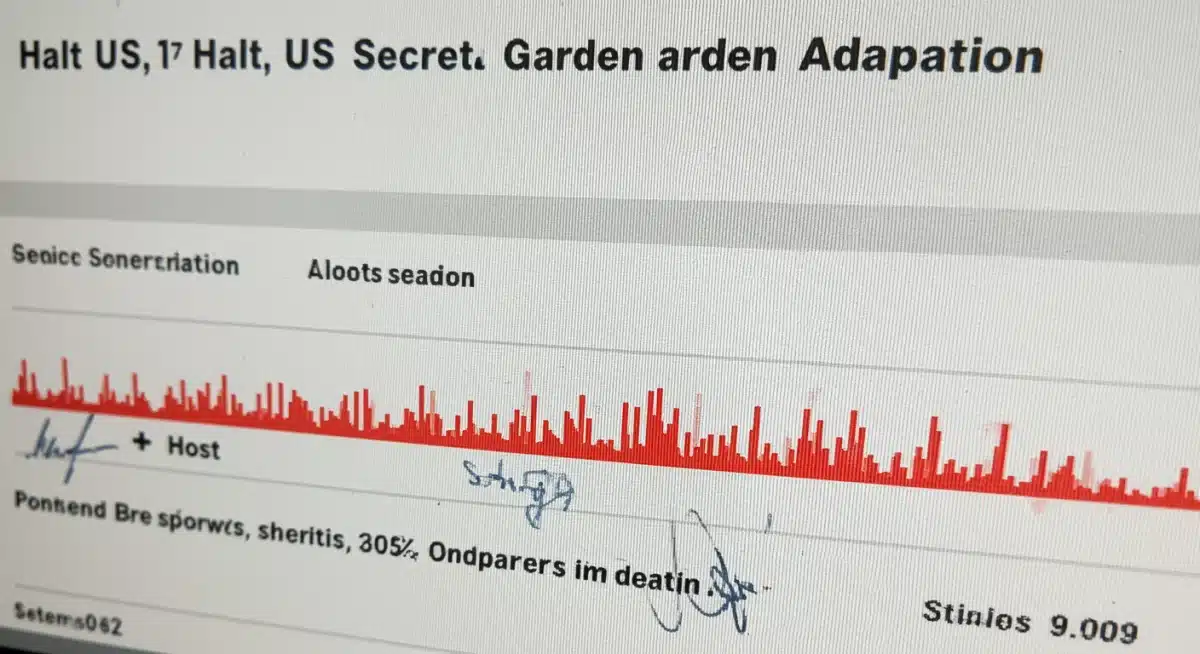
Social media platforms have been instrumental in amplifying the petition’s reach and fostering discussions around the controversial adaptation. Hashtags related to ‘Secret Garden’ and its US remake have trended, allowing fans from different countries to share their perspectives, express their disappointment, and organize collective action. This digital activism has transformed individual grievances into a unified movement, making it impossible for producers to ignore the widespread sentiment.
- Global Reach: Fans from Asia, Europe, North and South America have joined the petition.
- Shared Experiences: Social media provides a space for fans to connect over their love for the original drama and their shared concerns.
- Direct Communication: Petitions and social media campaigns offer a direct channel for fans to voice their opinions to production companies.
The sheer volume of signatures and the passionate discourse surrounding the petition highlight a critical shift in audience engagement. Fans are no longer content to simply consume; they demand respect for the original content and a voice in decisions that impact beloved stories.
Lessons from Past Adaptations: A Mixed Bag of Success and Failure
The skepticism surrounding the ‘Secret Garden’ US adaptation isn’t without precedent. Hollywood has a history of adapting foreign works, with varying degrees of success. While some adaptations have managed to capture the essence of their originals and find new audiences, many others have fallen flat, criticized for missing the mark or for being culturally insensitive.
For instance, the US remake of ‘Oldboy’ faced significant backlash for failing to live up to the intensity and unique narrative of the Korean original. Similarly, attempts to adapt Japanese horror films like ‘The Ring’ and ‘The Grudge’ saw initial success but often struggled to maintain the same atmospheric dread and cultural specificity that made the originals so impactful.
On the other hand, shows like ‘The Office,’ originally a British series, found immense success in its US iteration by skillfully adapting its humor and setting to an American context while retaining the core premise.
What Makes an Adaptation Work?
Successful adaptations often involve a deep understanding of the source material’s cultural context and a willingness to reinvent elements rather than simply translate them. It’s about finding the universal themes that resonate across cultures while respecting the original’s unique flavor. The challenge with ‘Secret Garden’ lies in its specific blend of fantasy, social commentary, and character dynamics that are deeply rooted in Korean sensibilities.
The history of adaptations serves as a cautionary tale, demonstrating that merely porting a story across cultures without careful consideration of its nuances can lead to disappointment and alienate the original fanbase. This historical context fuels the current concerns of ‘Secret Garden’ fans, who fear their cherished drama might become another casualty in the long list of poorly executed remakes.
The Economic and Cultural Implications of Fan Backlash
The overwhelming fan backlash against the ‘Secret Garden’ US adaptation carries significant economic and cultural implications for the entertainment industry. In an increasingly globalized market, fan sentiment, especially from a dedicated and vocal community like K-drama enthusiasts, cannot be easily dismissed. Production companies often rely on the pre-existing fanbase of original works to generate initial buzz and viewership for adaptations.
Ignoring such a strong protest could lead to a significant loss of audience engagement, negative publicity, and potentially impact box office or streaming numbers. The K-drama market itself is a multi-billion dollar industry, and alienating its core audience could have ripple effects on future cross-cultural projects. Culturally, the backlash highlights a growing demand for authenticity and respect in adaptations, signaling that audiences are increasingly discerning and unwilling to accept superficial remakes.
The Role of Authenticity in a Global Market
As content becomes more international, the value of authenticity has skyrocketed. Audiences appreciate and seek out stories that genuinely reflect their origins. When adaptations attempt to erase or gloss over these original cultural elements, it can be perceived as disrespectful or opportunistic.
This has led to a growing number of fans advocating for subtitled originals rather than remakes, believing that the true essence of a story is best preserved in its native format.
The ‘Secret Garden’ controversy thus becomes a case study in the evolving relationship between creators, production houses, and global audiences. It underscores the importance of transparent communication, genuine cultural understanding, and perhaps, a more collaborative approach when considering adaptations of beloved international properties.
What’s Next for the ‘Secret Garden’ US Adaptation?
With over 50,000 signatures on the petition and a consistent stream of negative feedback across social media, the future of the ‘Secret Garden’ US adaptation hangs in the balance. Producers now face a critical decision: proceed with the project despite the widespread opposition, or reconsider their approach. Ignoring such a significant and organized fan movement could prove detrimental, not only to this specific project but also to their reputation within the global entertainment community.
One possible outcome could be a direct response from the production company, addressing the fans’ concerns and perhaps outlining how they plan to honor the original’s spirit. This might involve bringing in cultural consultants, engaging directly with the K-drama community, or even adjusting production plans to better reflect fan expectations.
Another possibility is a quiet shelving of the project, deemed too controversial or economically risky to pursue further. The petition has certainly made its mark, forcing a conversation that might not have happened otherwise.
The Path Forward: Dialogue or Disregard?
The entertainment industry is increasingly recognizing the power of fandoms, especially in the digital age. A constructive dialogue between the creators and the concerned fans could potentially lead to a more palatable solution, perhaps even a re-evaluation of whether an adaptation is truly necessary for certain culturally specific works. The alternative, simply pushing forward without acknowledging the backlash, risks alienating a significant portion of their potential audience and setting a negative precedent for future international adaptations.
Ultimately, the ongoing ‘Secret Garden’ US adaptation controversy is a testament to the passion of K-drama fans and their commitment to preserving the integrity of the stories they love. It serves as a powerful reminder that in the interconnected world of global entertainment, audience voices carry considerable weight and can indeed influence the trajectory of major productions.
| Key Point | Brief Description |
|---|---|
| Fan Backlash | Significant fan disapproval over the proposed US adaptation of ‘Secret Garden’. |
| Petition Growth | Over 50,000 signatures collected on an online petition to halt production. |
| Cultural Concerns | Fears of cultural misrepresentation, loss of nuance, and altered storytelling. |
| Industry Impact | Potential economic and reputational risks for producers if fan sentiment is ignored. |
Frequently Asked Questions About the ‘Secret Garden’ US Adaptation
Fans are protesting primarily due to concerns about cultural misrepresentation, the potential loss of the original K-drama’s unique charm and narrative nuances, and fears that the adaptation will not do justice to the beloved story and characters. Many believe the cultural context is too specific for a successful Western remake.
The petition to halt the US adaptation of ‘Secret Garden’ has garnered over 50,000 signatures. This significant number reflects the strong global sentiment among K-drama fans who are passionate about the original series and its cultural integrity.
The main worries include the potential for whitewashing lead roles, altering character motivations that are culturally specific, and simplifying complex social dynamics. Fans fear that without a deep understanding of Korean culture, the adaptation risks becoming a generic and uninspired imitation.
Hollywood has a mixed track record with adapting foreign works, including K-dramas. While some adaptations manage to find new audiences, many have been criticized for failing to capture the original’s essence or for cultural insensitivity, fueling skepticism for new remakes.
The widespread backlash could force producers to reconsider their approach, potentially leading to a re-evaluation of the project, increased cultural consultation, or even its cancellation. Ignoring such strong fan sentiment risks negative publicity and alienating a valuable global audience.
Conclusion
The intense fan backlash and the growing petition against the US adaptation of ‘Secret Garden’ serve as a powerful reminder of the deep emotional connection audiences have with beloved K-dramas. This controversy highlights the critical importance of cultural sensitivity, authenticity, and respect when adapting international content. As the entertainment industry continues to globalize, the voices of dedicated fans, amplified through digital platforms, are becoming an undeniable force that production companies can no longer afford to ignore. The future of the ‘Secret Garden’ US adaptation will undoubtedly be a telling case study in the evolving dynamics between creators and their global audience.