Japanese Drama Remakes in US: Predicting the #1 Next Big Hit
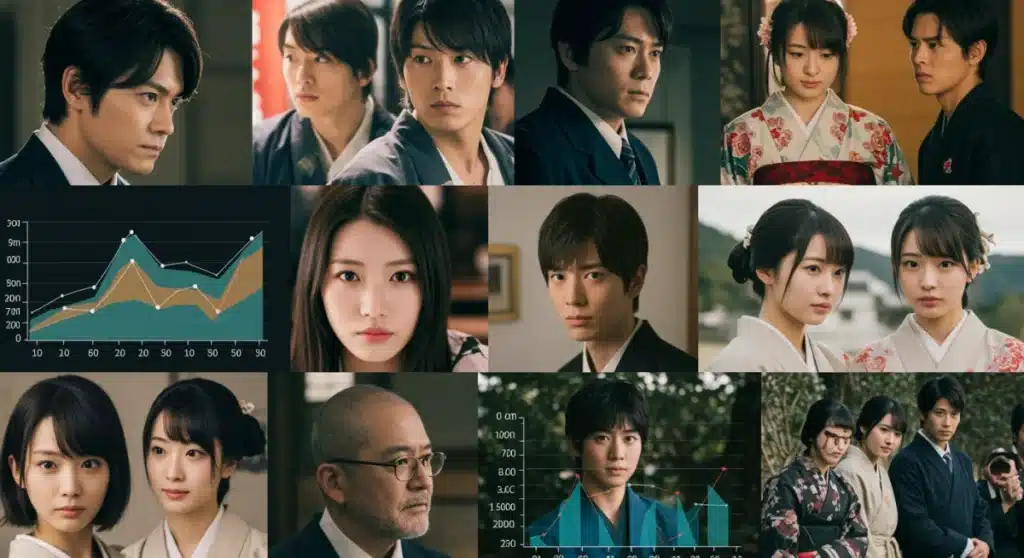
Analyzing the landscape of Japanese drama remakes in the US over the past five years reveals key success factors, allowing for informed predictions on which J-dramas are poised for future American adaptation and widespread appeal.
The allure of adapting compelling narratives transcends cultural boundaries, and in recent years, the trend of Japanese drama remakes in the US has gained significant momentum. American audiences are increasingly captivated by the unique storytelling and thematic depth found in J-dramas, prompting a closer look at what makes these adaptations successful and which original series might be the next big hit.
Understanding the Appeal of Japanese Dramas for US Audiences
Japanese dramas, often referred to as J-dramas, possess a distinctive charm that sets them apart from Western productions. Their narratives frequently delve into complex human emotions, societal pressures, and personal growth with a subtlety and depth that resonates deeply with viewers worldwide. This inherent quality makes them prime candidates for adaptation, as their core themes are often universal.
For US audiences, the appeal lies in discovering fresh perspectives on familiar genres, whether it’s a romantic comedy with a unique twist, a suspenseful thriller with psychological depth, or a slice-of-life story that offers profound insights. The cultural nuances, while sometimes adjusted for American sensibilities, often add an exotic yet relatable layer to the storytelling.
Thematic Resonance and Universal Stories
One of the primary drivers behind the success of Japanese drama remakes is their strong thematic resonance. J-dramas frequently explore themes such as perseverance, the importance of community, the pursuit of dreams, and overcoming adversity. These are universal human experiences that transcend cultural barriers, making them easily adaptable for a global audience.
- Resilience: Many J-dramas highlight characters’ ability to bounce back from challenges, a theme that universally inspires.
- Community Bonds: The emphasis on collective effort and support systems appeals to audiences seeking connection.
- Personal Growth: Stories often center on character development, reflecting relatable journeys of self-discovery.
- Social Commentary: Subtly embedded critiques of societal norms offer thought-provoking narratives.
The ability of these stories to connect on a fundamental human level ensures that even with a change in setting and language, the emotional core remains intact and powerful. This forms the bedrock of successful cross-cultural adaptations.
Genre Diversity and Innovative Storytelling
Japanese dramas boast an incredible diversity of genres, from lighthearted school romances to intricate crime procedurals and profound medical dramas. This wide spectrum offers a rich catalog for American producers seeking fresh material. Furthermore, J-dramas often employ innovative storytelling techniques, such as non-linear narratives, unique visual styles, and unconventional character arcs, which can invigorate familiar genres for Western viewers.
The creative risks taken in original J-dramas often translate into exciting opportunities for remakes to break new ground and offer something truly different to the American television landscape. The blend of established genre tropes with distinctive Japanese narrative flair creates a compelling proposition for adaptation.
Analyzing Past Successes: What Made Them Work?
To predict future hits, it’s crucial to examine past successes in Japanese drama remakes. Over the last five years, several J-dramas have been adapted for US audiences, with varying degrees of success. Identifying the common threads among the successful ones provides valuable insights into the elements that resonate most effectively with American viewers.
Successful remakes often strike a delicate balance between honoring the source material’s essence and skillfully adapting it to fit the cultural context and storytelling conventions of the US. This requires a deep understanding of both cultures and a creative vision that can bridge the divide without losing the original’s magic.
Key Factors in Successful Adaptations
Data from the last five years indicates several recurring factors contributing to the success of Japanese drama remakes. These include strong, relatable characters, compelling high-concept premises, and themes that are universally understood despite cultural differences. The ability to maintain the original’s emotional impact while localizing humor and social commentary is also vital.
- Strong Protagonists: Characters that are complex, flawed, and ultimately aspirational tend to translate well.
- High-Concept Plots: Unique and intriguing plot devices or central mysteries grab audience attention.
- Emotional Core: The remake successfully retains the heartfelt or dramatic weight of the original story.
- Cultural Bridging: Adapting cultural specificities into American equivalents without losing meaning.
For instance, a remake might change a traditional Japanese school setting to an American high school, but the themes of friendship, rivalry, and academic pressure remain universally understood. The challenge lies in making these changes feel organic rather than forced.
Examples of Notable US Remakes and Their Impact
While specific titles are often debated due to licensing and production complexities, the general success patterns of shows inspired by or directly remade from Japanese dramas offer clear lessons. Shows that have captured US audiences often maintained the core premise and emotional depth of their Japanese counterparts but cast diverse talent and updated settings to reflect contemporary American life.
The impact of these remakes extends beyond just viewership numbers; they introduce American audiences to Japanese storytelling sensibilities, potentially paving the way for more direct consumption of original J-dramas. This cross-pollination enriches the media landscape and fosters greater cultural appreciation.
Data-Driven Insights: Trends from the Last 5 Years
Examining viewership data, streaming analytics, and critical reception over the past five years provides a quantitative lens through which to understand the trajectory of Japanese drama remakes. This data helps identify patterns in audience preferences, successful genres, and the overall market demand for these adaptations.
Streaming platforms have played a significant role in this trend, making both original J-dramas and their remakes more accessible than ever. The ability to track viewing habits, completion rates, and social media engagement offers invaluable data points for predicting future successes.
Genre Popularity and Audience Demographics
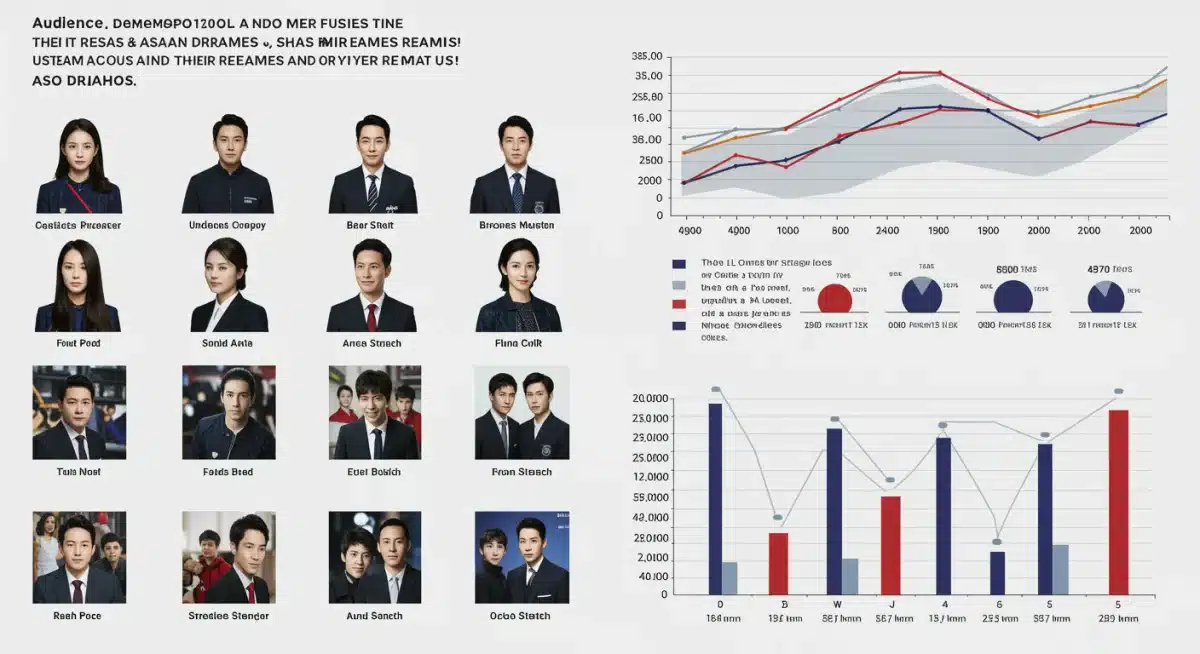
Analysis of streaming data reveals that certain genres of Japanese drama remakes tend to fare better with US audiences. Romantic comedies, particularly those with a unique premise or a strong female lead, consistently perform well. Similarly, psychological thrillers and intricate mysteries often attract a dedicated viewership due to their compelling plots and high stakes.
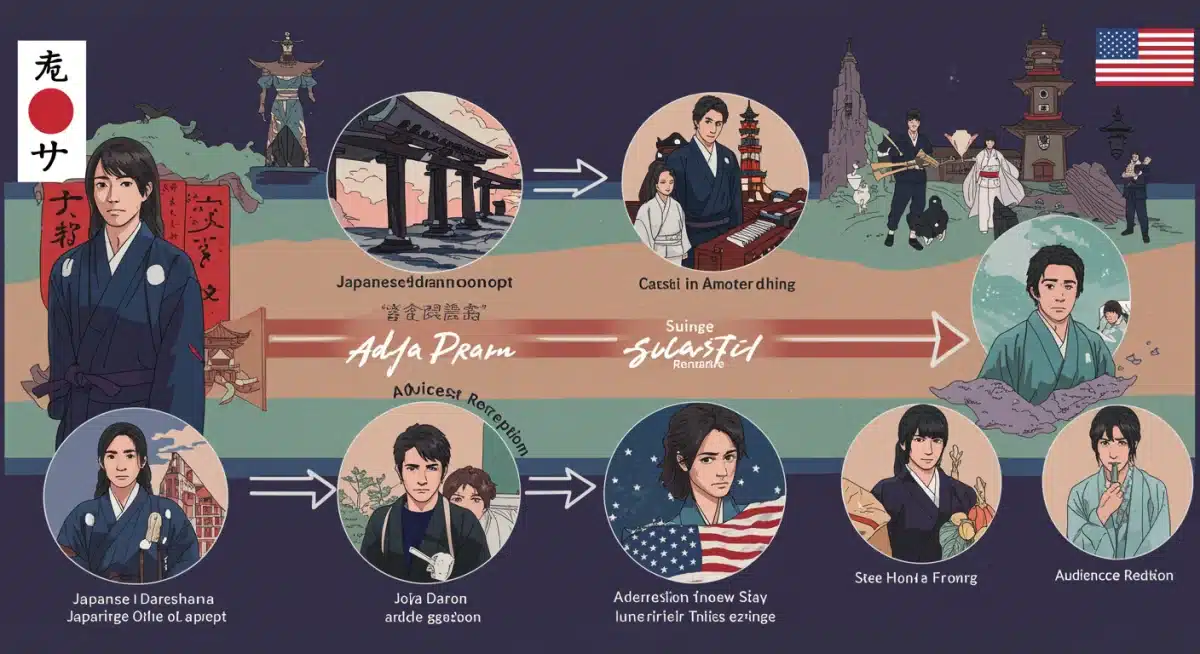
Audience demographics also show a growing interest among younger viewers and those who actively seek out diverse international content. This segment is often more open to cultural differences and appreciates the unique storytelling approaches of J-dramas.
The data suggests that remakes that retain the quirky, endearing qualities of Japanese romantic comedies, or the intense, cerebral nature of their thrillers, tend to resonate more deeply. This indicates a desire for authentic adaptations rather than completely overhauled versions.
Impact of Casting and Production Value
The success of a remake is not solely dependent on the source material; casting choices and production value also play a critical role. American remakes that feature well-known actors or rising stars often generate more initial buzz. However, the true test lies in whether the cast can embody the spirit of the original characters while making them their own.
High production values, including cinematography, set design, and musical scores, are also crucial for attracting and retaining viewers in the competitive US market. A quality production signals respect for the original material and commitment to delivering an engaging viewing experience.
Identifying Potential Candidates for Future Remakes
Based on the analysis of past successes and current market trends, we can begin to identify potential Japanese drama remakes that could become the next big hit in the US. This involves looking at J-dramas that possess universal themes, unique premises, strong character development, and a proven track record of popularity in Japan and with international audiences.
The ideal candidate would be a series that offers a fresh narrative perspective yet tackles themes that are broadly relatable, ensuring its appeal can transcend cultural specificities with careful adaptation.
Criteria for Selection: What Makes a J-Drama Remake-Worthy?
When evaluating potential J-dramas for US remakes, several criteria stand out: a compelling high-concept premise that can be easily understood and marketed, universally relatable emotional journeys, and narratives that offer room for cultural adaptation without losing their core message. Additionally, a series that has garnered significant critical acclaim and a strong fanbase in Japan often indicates its inherent quality and potential for broader appeal.
- Originality: A unique hook or narrative device that stands out.
- Emotional Depth: Stories that evoke strong feelings and foster audience connection.
- Adaptability: Themes and plot points that can be localized without extensive retooling.
- Proven Popularity: J-dramas that were highly rated or critically acclaimed in Japan.
Consider dramas that explore societal issues relevant to both Japan and the US, such as workplace dynamics, family pressures, or mental health, as these can provide fertile ground for resonant adaptations.
Emerging Genres and Untapped Potential
Beyond traditional genres, there’s untapped potential in adapting J-dramas that explore niche subjects or employ unconventional narrative structures. For instance, J-dramas centered around unique hobbies, specific professions, or philosophical concepts could offer a refreshing change from typical US fare. These might initially seem harder to adapt, but with creative vision, they could become groundbreaking remakes.
Exploring these less-trodden paths could lead to genuinely innovative Japanese drama remakes that surprise and delight US audiences, expanding the boundaries of what is considered mainstream entertainment.
The Role of Cultural Sensitivity and Localization
The success of any Japanese drama remake hinges significantly on how effectively cultural sensitivity and localization are handled. A remake should not simply be a direct translation; it must be a thoughtful reinterpretation that respects the original while making it accessible and relevant to a new audience. This process involves more than just changing names and locations; it requires a deep understanding of cultural nuances.
Poor localization can lead to awkward narratives, missed emotional beats, or even unintentional misinterpretations, alienating both fans of the original and new viewers alike. The goal is to create a remake that feels authentic in its new setting.
Navigating Cultural Differences in Storytelling
Japanese storytelling often employs subtle expressions, indirect communication, and a focus on internal monologue, which can differ significantly from the more direct and explicit narrative styles common in US television. Adapting these elements requires skillful writing that can convey the original’s intent without alienating a Western audience accustomed to different narrative conventions.
Key areas for careful adaptation include humor, social hierarchies, expressions of love and grief, and the portrayal of family dynamics. Each of these elements carries specific cultural weight in Japan that might need careful reinterpretation for a US context.
- Humor: Adapting comedic timing and cultural references to resonate with American sensibilities.
- Social Norms: Translating unspoken rules and expectations into relatable US contexts.
- Emotional Expression: Finding equivalent ways to convey deep emotions that might be expressed differently.
- Family Dynamics: Reinterpreting family structures and relationships to align with American cultural norms.
A successful remake finds a way to translate the emotional core and thematic richness while allowing the characters and their interactions to feel natural within an American setting.
The Importance of Authentic Voice and Representation
For Japanese drama remakes to truly succeed, they must strive for an authentic voice and thoughtful representation. This means involving creators and writers who understand both cultures, ensuring that the adaptation is not just a superficial overlay but a genuine transformation. Representing diverse characters and experiences in the remake also broadens its appeal and ensures it connects with a wider audience.
Authenticity also extends to avoiding stereotypes and ensuring that any cultural elements retained from the original are handled with respect and accuracy. This commitment to genuine representation elevates the remake beyond mere imitation.
Predicting the Next Big Hit: A Data-Informed Outlook
Synthesizing insights from past successes, current trends, and the intricacies of cultural adaptation, we can formulate an informed outlook on what might constitute the next big hit in Japanese drama remakes for the US market. The future success will likely hinge on identifying J-dramas that offer universally appealing narratives with unique twists, coupled with a production team capable of sensitive and intelligent localization.
The next breakthrough remake will likely be one that manages to capture the specific charm and depth of its Japanese source material while making it feel intrinsically American, without losing its original essence.
Genres and Themes Poised for Success
Looking ahead, romantic dramas with fantasy or supernatural elements, intricate mysteries, and socially conscious dramas appear to be particularly well-suited for successful remakes. These genres often feature strong, compelling premises that can easily hook American viewers while offering ample opportunity for creative adaptation.
The increasing popularity of fantasy and supernatural themes in US television suggests that J-dramas incorporating these elements, perhaps with a focus on character-driven narratives rather than just special effects, could find a welcoming audience. Similarly, mysteries that are not just about who did it, but why, and the psychological impact on characters, hold significant promise.
The Evolving Landscape of US Television
The US television landscape is continuously evolving, with streaming platforms driving demand for diverse and innovative content. This environment is highly conducive to the continued growth of Japanese drama remakes. As audiences become more accustomed to global content, the barriers to cross-cultural adaptations diminish, opening doors for even more ambitious projects.
The future of remakes will also likely see a greater emphasis on collaborative production, with Japanese creators potentially having a more direct role in the US adaptation process, ensuring a higher degree of fidelity and cultural accuracy in the remakes.
Challenges and Opportunities in Adaptation
While the potential for successful Japanese drama remakes is significant, there are also inherent challenges that must be navigated. These include the difficulty of translating specific cultural humor, adapting nuanced social commentaries, and ensuring that the pacing and storytelling style resonate with American viewing habits. However, these challenges also present unique opportunities for creative innovation.
Overcoming these hurdles requires not just linguistic translation but a profound understanding of cultural context, allowing for a remake that feels both familiar and fresh to its new audience.
Overcoming Translation and Cultural Barriers
One of the most significant challenges in adapting J-dramas is accurately translating not just the language but the cultural context. A literal translation can often miss the mark, resulting in dialogue or situations that feel unnatural to an American audience. The opportunity here lies in creative reinterpretation, finding American equivalents that convey the same emotional weight or comedic effect.
This often involves a team of writers who are deeply familiar with both Japanese and American cultures, capable of bridging the gap with authenticity and sensitivity. The goal is to make the audience forget they are watching an adaptation and immerse them fully in the new narrative.
The Future of Cross-Cultural Storytelling
The increasing success of Japanese drama remakes in the US signifies a broader trend towards cross-cultural storytelling in global entertainment. This offers immense opportunities for creators to explore universal human experiences through diverse cultural lenses, enriching the global media landscape.
As technology makes content more accessible and audiences become more globally minded, the demand for high-quality international adaptations will only grow. This opens new avenues for collaboration, innovation, and a richer, more varied television experience for everyone.
| Key Aspect | Description |
|---|---|
| Universal Themes | J-dramas with globally relatable themes like love, family, and perseverance are strong remake candidates. |
| Cultural Localization | Successful remakes adapt cultural nuances thoughtfully, not just literally, for US audiences. |
| Genre Versatility | Romantic comedies, psychological thrillers, and socially conscious dramas show high remake potential. |
| Data-Driven Selection | Analyzing viewership and critical reception informs future remake choices. |
Frequently Asked Questions About Japanese Drama Remakes
Japanese dramas often feature unique storytelling, deep character development, and universal themes like perseverance and community. These elements resonate across cultures, providing a strong foundation for American adaptations that can explore familiar narratives through a fresh lens, appealing to diverse viewer preferences.
Romantic comedies with unique premises, psychological thrillers, and socially conscious dramas tend to perform well. These genres often have high-concept plots and emotional depth that translate effectively, capturing US audience interest through compelling narratives and relatable character journeys.
Cultural sensitivity is paramount. Successful remakes thoughtfully adapt cultural nuances, humor, and social commentary to fit US contexts without losing the original’s essence. This careful localization ensures authenticity and avoids misinterpretation, making the adaptation feel natural and engaging for the new audience.
Streaming platforms significantly boost the popularity of remakes by making both original J-dramas and their adaptations easily accessible. Their data analytics on viewership and engagement help identify successful trends and audience preferences, driving further investment in cross-cultural content and broadening exposure for these unique stories.
Producers face challenges in translating subtle cultural humor, adapting complex social commentaries, and aligning pacing with US viewing habits. Overcoming these requires a deep understanding of both cultures and creative writing that can bridge the narrative gap authentically, ensuring the remake resonates effectively.
Conclusion
The journey of Japanese drama remakes in the US is a testament to the universal power of compelling storytelling. By analyzing data from the past five years, it becomes clear that success hinges on a delicate balance: honoring the original’s emotional core and unique premise while intelligently localizing cultural elements for American audiences.
As the US television landscape continues to embrace diverse narratives, the potential for J-dramas to find new life and become the next big hit through thoughtful adaptation remains incredibly promising, enriching the entertainment world with fresh perspectives and engaging stories.