Page to Screen: Manga Adaptations in Japanese Dramas 2025
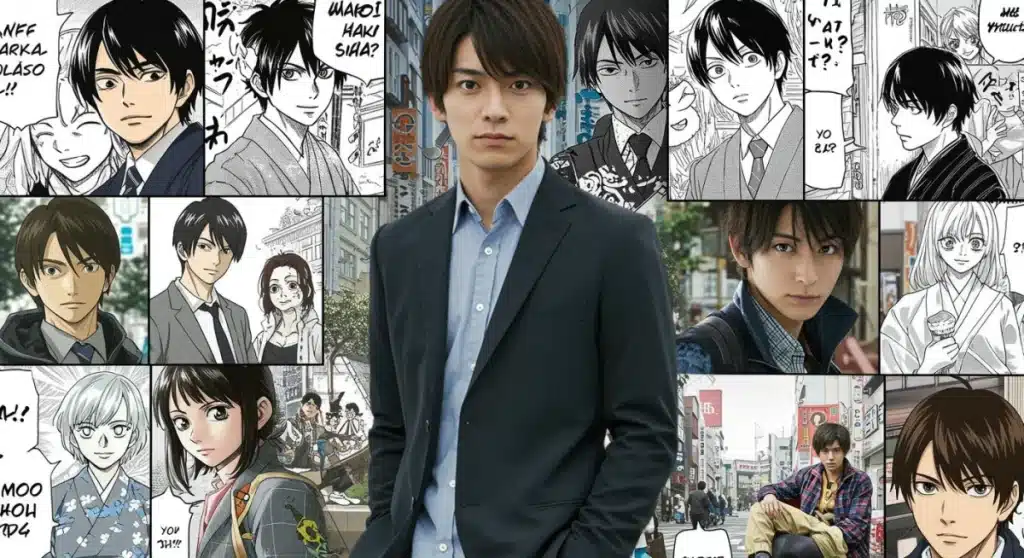
The faithfulness of Japanese drama adaptations of popular manga in 2025 is a critical factor for both creators and fans, influencing audience reception and the success of these highly anticipated live-action series.
Have you ever eagerly awaited a live-action adaptation of your favorite manga, only to wonder if it would truly capture the essence of the original?
In 2025, the landscape of Japanese drama manga adaptations continues to evolve, bringing beloved stories from the page to the screen with varying degrees of fidelity. This year promises a fascinating array of new series, each walking the delicate tightrope between honoring its source material and forging its own narrative path.
The evolving landscape of manga adaptations in J-dramas
Japanese dramas have long drawn inspiration from the rich wellspring of manga, transforming static panels into dynamic live-action narratives. This trend has only intensified in recent years, with 2025 showcasing a particularly diverse selection of adaptations. The decision to adapt a popular manga is often driven by its established fan base and compelling storyline, offering a pre-built audience and proven narrative appeal.
However, the transition from page to screen is never without its challenges. Manga, with its unique visual storytelling and often fantastical elements, requires careful consideration when brought into the realm of live-action.
Directors, screenwriters, and producers must grapple with artistic interpretations, budgetary constraints, and the inherent differences between the two mediums. The goal is often to strike a balance: retaining the core spirit of the manga while making necessary adjustments for a television format.
Challenges in adapting visual styles
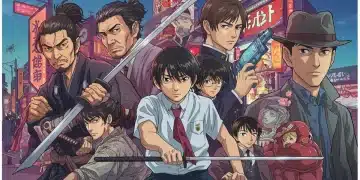
One of the most significant hurdles in Japanese drama manga adaptations is translating the distinct visual styles of various manga artists. From exaggerated expressions to intricate character designs and fantastical settings, manga offers a freedom that live-action can struggle to replicate.
- Character design: Bringing iconic manga character looks to life without appearing uncanny or overly theatrical.
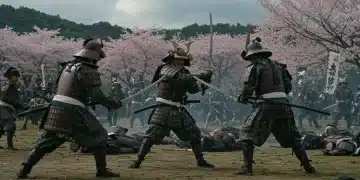
- Action sequences: Translating dynamic, often gravity-defying, action into believable live-action stunts.
- Environmental details: Recreating unique settings and atmospheres that define the manga’s world.
The success of an adaptation often hinges on how effectively it navigates these visual challenges, either through innovative production design, strategic casting, or embracing a more stylized approach.
The evolving landscape also includes the influence of global streaming platforms, which are increasingly investing in Japanese content. This has led to higher production values and a broader reach for these adaptations, but also increased scrutiny from international audiences familiar with the original manga. The pressure to deliver a faithful yet engaging adaptation is therefore higher than ever, pushing creators to innovate and refine their approaches.
Fidelity vs. creative interpretation: a delicate balance
The core debate surrounding any adaptation, particularly in Japanese drama manga adaptations, revolves around faithfulness versus creative interpretation.
Fans often crave a near-perfect translation of their beloved series, expecting every plot point, character quirk, and iconic scene to be meticulously recreated. However, creators argue for the necessity of artistic license, citing the distinct demands of the live-action medium.
A completely literal adaptation can sometimes fall flat, failing to leverage the strengths of live-action storytelling. What works on a manga panel—internal monologues, exaggerated reactions, or abstract symbolism—might feel awkward or slow in a drama.
Conversely, too much deviation risks alienating the devoted fanbase, who may feel their cherished story has been disrespected or fundamentally altered.
When changes enhance the narrative
Some creative interpretations can genuinely enhance the narrative, offering new perspectives or streamlining convoluted plotlines. This might include:
- Pacing adjustments: Condensing or expanding events to fit a drama’s episode structure.
- Character development: Deepening background stories or motivations for secondary characters.
- Modernization: Updating themes or settings to resonate with contemporary audiences.
A well-executed creative change can sometimes elevate the adaptation beyond a mere copy, proving that fidelity isn’t always about exact replication, but rather about capturing the spirit and core message of the original.
The key lies in understanding the source material deeply enough to discern which elements are sacred and which can be thoughtfully reinterpreted.
Directors and screenwriters who engage with the original creators or consult extensively with dedicated fans often find a more successful path forward, bridging the gap between expectation and execution.
The best adaptations often manage to surprise viewers with fresh takes while still feeling undeniably true to their roots.
Key 2025 Japanese drama manga adaptations and their approaches
As we delve into 2025, several highly anticipated Japanese drama manga adaptations are generating significant buzz, each adopting distinct strategies regarding faithfulness.
From fantasy epics to slice-of-life romances, the spectrum of genres being adapted is broad, reflecting the diversity of the manga industry itself. Analyzing these specific examples offers insight into the current trends and challenges in the adaptation process.
One notable adaptation is “Crimson Echoes,” based on a popular shonen manga. Early reports suggest a high degree of visual fidelity, with meticulous attention paid to character costumes and special effects to replicate the manga’s fantastical battles.
The production team has publicly stated their commitment to satisfying the manga’s long-standing fanbase, promising key plot points and iconic scenes will be preserved.
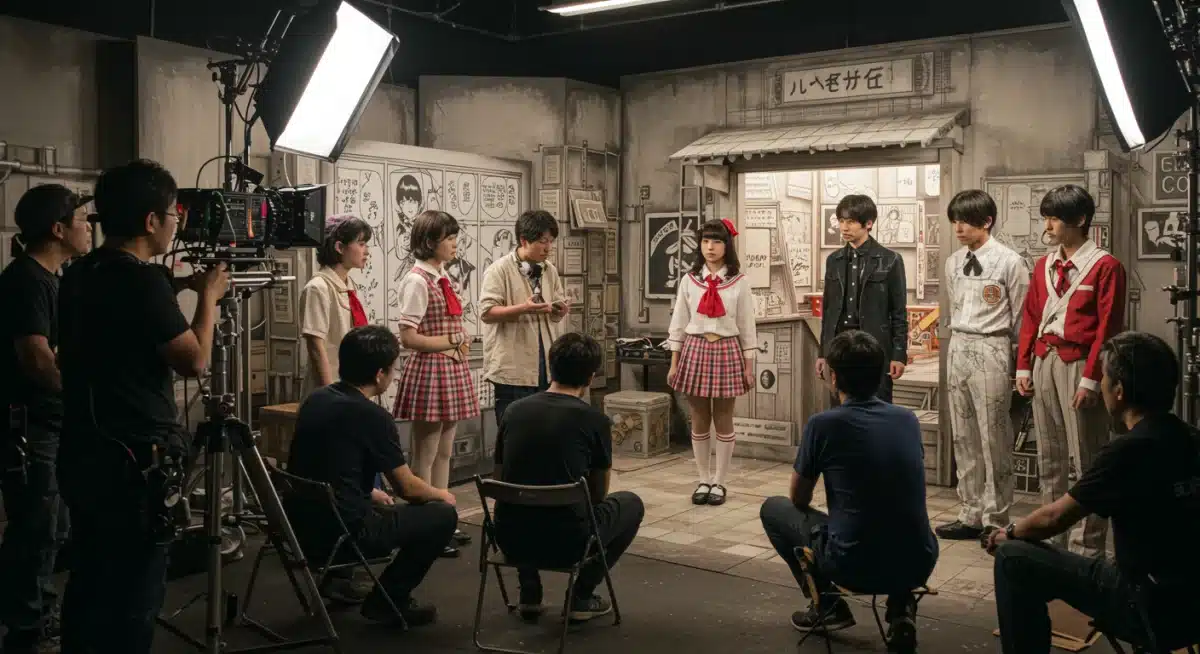
Case study: “Crimson Echoes”
“Crimson Echoes” presents an interesting case where the core narrative remains largely untouched, but certain character arcs are being expanded. The drama aims to give more screen time to supporting characters who, in the manga, had less development. This approach allows for a richer, more nuanced story while still adhering to the main plot.
Conversely, “Urban Whispers,” a josei manga adaptation, has taken a more interpretive route. While retaining the central romantic premise, the drama has updated the setting to a more contemporary Tokyo, incorporating modern social issues that were only nascent when the manga was first published.
This decision aims to make the story more relatable to a 2025 audience, but it has also sparked debate among purist fans.
- “Crimson Echoes”: High visual fidelity, expanded supporting character arcs, faithful to core plot.
- “Urban Whispers”: Modernized setting, updated social themes, interpretive romantic premise.
- “Starlight Symphony”: Musical elements emphasized, character backstories deepened, streamlined plot points.
The diverse approaches taken by these 2025 adaptations highlight the ongoing experimentation within the industry. There isn’t a single formula for success, but rather a continuous effort to balance creative vision with the expectations of a discerning audience.
The impact of production values and casting choices
Beyond the script and directorial vision, the success and perceived faithfulness of Japanese drama manga adaptations are heavily influenced by production values and casting choices. High production values, including elaborate sets, sophisticated special effects, and detailed costumes, can significantly enhance the immersive quality of an adaptation, making fantastical elements feel more real and believable.
In 2025, with advancements in CGI and production technology, dramas have greater capabilities to bring complex manga worlds to life. This investment often signals a serious commitment from the production company to honor the source material, as replicating intricate visual details can be costly. Audiences are increasingly sophisticated and expect a high level of visual quality, especially for manga known for its stunning artwork.
The weight of casting decisions
Casting is perhaps one of the most scrutinized aspects of any manga adaptation. Fans often have deeply ingrained images of their favorite characters, and the choice of actor can make or break the audience’s willingness to accept the live-action version. Producers face the challenge of finding actors who not only physically resemble the characters but can also embody their personalities, mannerisms, and emotional depth.
- Physical resemblance: How closely an actor matches the manga character’s appearance.
- Acting prowess: The ability to capture the character’s essence and emotional range.
- Fan reception: The initial reaction of the fanbase to casting announcements, which can significantly impact pre-release buzz.
A well-cast ensemble can elevate even a slightly deviated script, while miscasting can overshadow an otherwise faithful adaptation. The industry often seeks out popular actors who also possess a strong understanding of their roles, aiming to satisfy both commercial appeal and artistic integrity. The careful balance between these elements is crucial for the overall reception of Japanese drama manga adaptations.
Fan expectations and critical reception
The ultimate arbiters of faithfulness in Japanese drama manga adaptations are often the fans themselves. With access to global forums, social media, and dedicated fan communities, their voices are louder and more influential than ever. Expectations are often sky-high, particularly for long-running or iconic manga series, leading to intense scrutiny upon release.
Critical reception, while sometimes diverging from fan opinion, also plays a significant role in shaping the narrative around an adaptation. Critics often evaluate the drama’s artistic merit, storytelling quality, and how effectively it stands as its own piece of media, even if it deviates from the source. The interplay between fan enthusiasm and critical analysis can create a complex reception landscape.
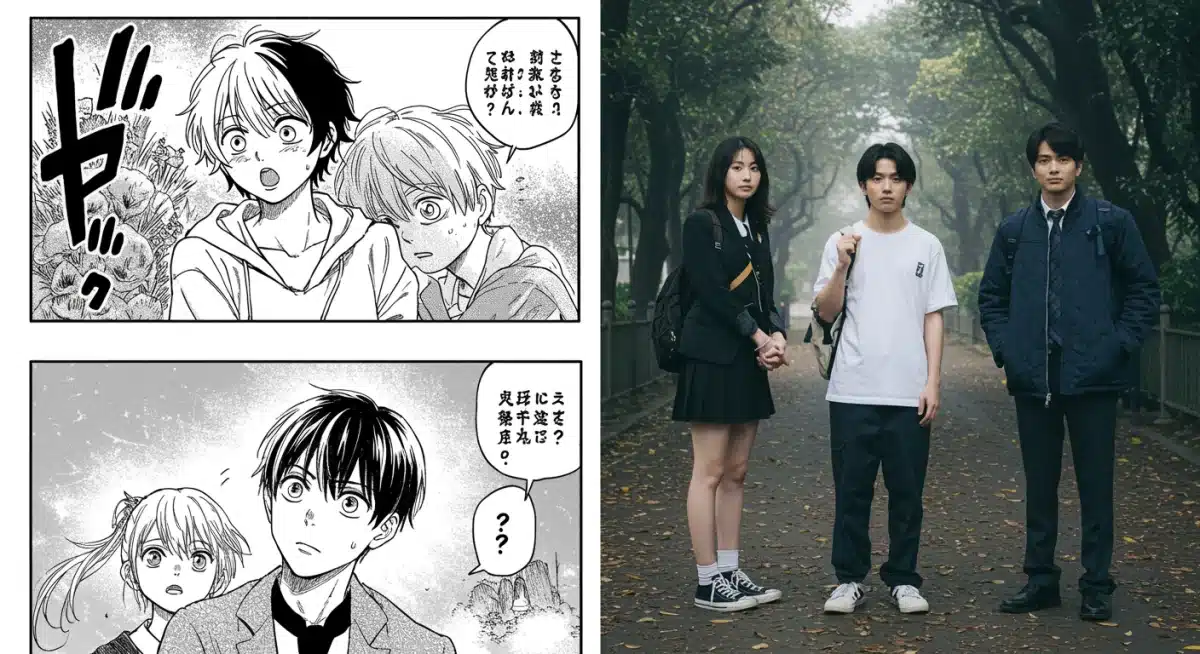
Navigating online discussions
Online platforms become hotbeds of discussion upon the release of a new adaptation. Fans dissect every scene, compare it to the manga, and voice their approval or disappointment. This immediate feedback loop can influence public perception and even impact viewership numbers. Producers are increasingly aware of this, often engaging with fan communities or incorporating feedback where feasible.
For example, early discussions around the 2025 adaptation of “Shadow Weaver” indicated mixed feelings about some plot changes. While critics praised the drama’s cinematic quality, fans were vocal about the alteration of a key character’s backstory. This divergence highlights the challenge of pleasing all audiences simultaneously, especially when dealing with beloved source material.
Ultimately, the success of an adaptation in the eyes of the public is a multifaceted phenomenon. It’s not just about how closely it sticks to the manga, but also about its ability to evoke the same emotions, tell a compelling story, and create a memorable experience. The most successful Japanese drama manga adaptations are those that manage to resonate with both long-time fans and new viewers, earning both their loyalty and critical acclaim.
The future of manga adaptations in 2025 and beyond
The landscape of Japanese drama manga adaptations in 2025 is vibrant and dynamic, reflecting an industry that is continually learning and adapting. As technology advances and global audiences grow, the potential for these adaptations to reach new heights of storytelling and visual spectacle is immense.
The lessons learned from both successful and less successful adaptations of the past continue to inform future projects, leading to more refined and thoughtful approaches.
One emerging trend is the increased involvement of original manga creators in the adaptation process. Many production companies are now bringing mangaka on board as consultants or executive producers, ensuring that their vision and the core essence of their work are respected.
This collaboration can be instrumental in bridging the gap between page and screen, fostering a sense of trust and authenticity that resonates with fans.
Innovations in storytelling and technology
The future also holds promise for innovative storytelling techniques. We might see more experimental narrative structures, interactive elements, or even cross-media projects that blend live-action with animation.
Technological advancements, particularly in virtual production and motion capture, could allow for even more faithful and breathtaking renditions of fantastical manga worlds, pushing the boundaries of what’s possible in live-action.
- Creator involvement: Direct input from original mangaka to maintain fidelity.
- Technological advancements: Enhanced CGI, virtual production for more accurate visuals.
- Global distribution: Wider reach and diverse audience feedback shaping future productions.
Furthermore, the growing global appetite for Japanese content, fueled by streaming services, means that future adaptations will likely be developed with an international audience in mind.
This could lead to higher budgets, more diverse casting, and stories that resonate across cultural boundaries, while still retaining their distinctly Japanese flavor. The journey of manga from page to screen is far from over, with 2025 serving as a significant chapter in its ongoing evolution.
| Key Aspect | Description in Japanese Drama Adaptations (2025) |
|---|---|
| Fidelity vs. Creativity | Balancing strict adherence to manga with necessary changes for live-action, often leading to fan debate. |
| Production Values | High investment in CGI, sets, and costumes to visually recreate manga worlds more accurately. |
| Casting Impact | Crucial for fan acceptance; involves finding actors who embody character appearance and personality. |
| Fan Expectations | Strong influence on reception, with online communities actively scrutinizing adaptations. |
Frequently asked questions about manga adaptations
Adaptations often deviate due to differences in medium, such as pacing for television, budgetary constraints, or creative decisions to modernize themes or expand character arcs. What works visually in manga might not translate well to live-action, necessitating changes for narrative flow and audience engagement.
High production values are crucial for visually rich manga adaptations. They allow for detailed sets, accurate costumes, and convincing special effects, which help immerse viewers in the manga’s world and meet fan expectations for visual fidelity, making fantastical elements more believable.
Fans play a significant role as their expectations and reactions, often shared on social media, heavily influence an adaptation’s perception and commercial success. Their feedback can shape discussions and impact viewership, making fan engagement a key factor for producers.
Increasingly, original manga creators are involved in the adaptation process, often as consultants or executive producers. Their input helps ensure the drama retains the core essence and vision of the original work, fostering authenticity and building trust with the dedicated fanbase.
Future trends include greater technological integration for visual effects, more experimental storytelling, increased global distribution targeting international audiences, and even deeper collaboration with original creators, pushing the boundaries of live-action adaptations.
Conclusion
The journey of Japanese drama manga adaptations from page to screen in 2025 is a complex tapestry woven with threads of fidelity, creative interpretation, and technological innovation. Each adaptation presents a unique challenge and opportunity, striving to honor its source material while captivating new audiences.
The ongoing dialogue between creators and fans ensures that this captivating genre will continue to evolve, delivering rich and engaging narratives that resonate deeply with viewers worldwide. Ultimately, the measure of success lies not just in exact replication, but in the ability to capture the heart and soul of the original story, making it shine anew in the realm of live-action.