Is Your Subscription For K-Drama Streaming Worth the cost?
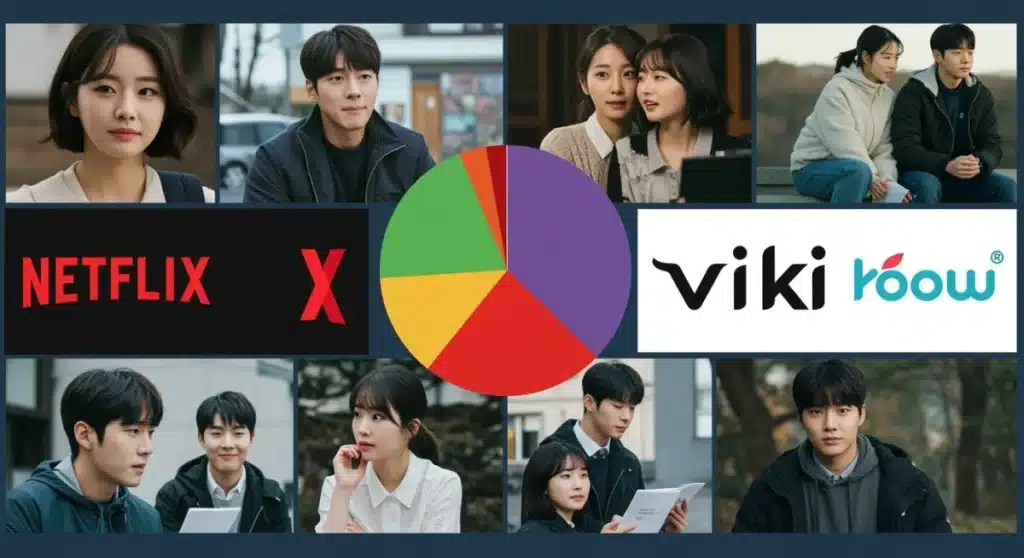
As the captivating world of Korean dramas continues to sweep across the United States, a crucial question arises for many enthusiasts: is your K-drama streaming subscription worth it? In 2025, with an ever-expanding array of platforms and content, understanding the true value of your investment is more important than ever for US fans.
The evolving landscape of K-drama streaming in 2025
The K-drama streaming landscape in the US has undergone significant transformations, moving from niche offerings to mainstream entertainment. What started with a few dedicated platforms has now expanded to include major global players, all vying for the attention of millions of fans. This evolution brings both opportunities and challenges for consumers.
The market is characterized by intense competition, leading to a wider selection of titles but also a fragmentation of content across various services. This means that while there’s more K-drama than ever before, finding all your desired shows on a single platform can be increasingly difficult and costly. Understanding these dynamics is the first step in evaluating your subscription’s worth.
Key players and their offerings
Several platforms dominate the K-drama streaming scene in the US, each with its unique strengths and subscription models. Knowing what each offers is crucial for making an informed decision.
- Netflix: A global giant with a substantial and ever-growing library of original and licensed K-dramas, often releasing new series simultaneously with their South Korean broadcast.
- Viki: Specializes exclusively in Asian content, offering a vast array of K-dramas, including many older classics and exclusive titles, often with fan-contributed subtitles in multiple languages.
- Kocowa: Focuses specifically on content from the three major South Korean broadcasters (KBS, SBS, MBC), providing access to their latest dramas, variety shows, and K-pop programs, often within hours of their original airing.
- Hulu & Amazon Prime Video: While not exclusively K-drama platforms, they often include a selection of popular K-dramas as part of their broader content libraries, sometimes requiring add-on subscriptions for more specialized content.
Each platform has carved out its niche, catering to different preferences and viewing habits. The sheer volume of content available across these services highlights the need for careful consideration of what truly aligns with your interests and budget.
A detailed cost analysis of K-drama streaming services for US fans
Understanding the financial commitment required for K-drama streaming is paramount. In 2025, subscription prices can vary significantly, and hidden costs or tiered plans can quickly add up. A thorough cost analysis helps US fans determine where their money is best spent.
Subscription models typically range from basic ad-supported plans to premium ad-free options with higher video quality and simultaneous streams. It’s essential to look beyond the initial monthly fee and consider the overall value proposition, including the breadth and exclusivity of K-drama content.
Breaking down subscription tiers and hidden fees
Most streaming services offer multiple subscription tiers, each with different features and price points. Evaluating these tiers against your viewing habits is key to optimizing your spending.
- Basic vs. Premium: Basic plans are often cheaper but may include ads, lower video quality (SD/HD), and fewer simultaneous streams. Premium plans offer ad-free viewing, 4K UHD quality, and more concurrent streams, but at a higher cost.
- Annual vs. Monthly: Many platforms offer a discount for annual subscriptions, which can lead to significant savings over the course of a year compared to paying month-to-month.
- Bundles and Add-ons: Some services might offer K-drama content as part of a larger bundle, or require an additional add-on subscription for access to a more extensive library, potentially increasing your total monthly outlay.
Beyond the stated subscription fees, consider potential hidden costs such as data overage charges if you primarily stream on mobile networks without unlimited data, or the cost of upgrading your internet plan to support higher quality streaming. These factors contribute to the overall financial impact of your K-drama consumption.
Exclusive content and library depth: what truly matters?
While cost is a significant factor, the true worth of a K-drama streaming subscription often lies in its exclusive content and the overall depth of its library. For many US fans, access to specific shows or a wide variety of genres can outweigh minor price differences.
Platforms invest heavily in acquiring exclusive licensing rights or producing original K-dramas to attract and retain subscribers. This strategy means that certain highly anticipated titles may only be available on one service, forcing fans to subscribe to multiple platforms to keep up with their favorite shows.
Originals vs. licensed content
The distinction between original and licensed content is crucial when evaluating a platform’s offerings. Original K-dramas are produced or co-produced by the streaming service, ensuring their long-term availability and often representing significant investment in quality.
Licensed content, on the other hand, is acquired from external production companies or broadcasters for a limited period. While these can include popular and critically acclaimed shows, their availability is subject to licensing agreements, meaning they might disappear from a platform without much notice. A well-rounded subscription should offer a healthy mix of both.
- Netflix Originals: Known for global hits like ‘Squid Game,’ ‘Kingdom,’ and ‘Crash Landing on You,’ often with high production values and international appeal.
- Viki Exclusives: Offers a strong catalog of exclusive licensed titles, often including new dramas shortly after their South Korean broadcast, alongside a deep back catalog of older series.
- Kocowa’s Fast Pass: Provides almost immediate access to the latest episodes from major Korean networks, making it a go-to for fans who want to watch current airing dramas without delay.
The depth of a platform’s library also plays a vital role. Some services excel in offering a vast collection of older, classic K-dramas, which can be invaluable for fans looking to explore the genre’s history. Others focus on the latest releases, catering to viewers who prioritize new content. Your preference for new hits versus timeless classics will heavily influence which platform provides the best value.
User experience and technical features: beyond the content
Beyond the catalog of K-dramas and the subscription cost, the overall user experience and technical features significantly contribute to the perceived worth of a streaming service. A frustrating interface or persistent technical issues can quickly diminish the enjoyment of even the best K-drama.
Factors such as subtitle quality, video resolution, device compatibility, and offline viewing capabilities all play a role in shaping a viewer’s satisfaction. In 2025, consumers expect a seamless and high-quality streaming experience, and platforms that fail to deliver may find themselves losing subscribers.
Subtitle quality and language options
For K-drama fans, accurate and timely subtitles are non-negotiable. Poor translation or delayed availability of subtitles can severely impact the viewing experience. Many platforms now offer subtitles in multiple languages, but the quality can vary.
- Viki’s Community Subtitles: Often praised for their speed and accuracy, as they leverage a community of volunteer translators. This can sometimes lead to very nuanced translations that capture cultural specifics.
- Netflix’s Professional Subtitles: Generally high quality and readily available in numerous languages, often with options for both English and original Korean subtitles.
- Kocowa’s Dedicated Team: Provides professional subtitles, focusing on speed for their simulcast content, ensuring timely access to translated episodes.
Beyond subtitles, some platforms offer dubbed versions, though this is less common for K-dramas and often not preferred by purist fans. The ability to customize subtitle appearance, such as font size and color, also enhances the user experience.
Video quality, device compatibility, and offline viewing
The technical aspects of streaming directly impact enjoyment. Higher video quality, especially 4K UHD, makes a significant difference for many viewers. Device compatibility ensures you can watch your K-dramas on your preferred screens, whether it’s a smart TV, tablet, phone, or computer.
Offline viewing, the ability to download episodes to watch without an internet connection, is a highly valued feature for commuters or those with unreliable internet access. Most premium streaming services now offer this, but it’s worth confirming before subscribing.
The impact of advertising and bundled services on overall value
The presence of advertising and the option of bundled services are increasingly important considerations when assessing the value of a K-drama streaming subscription. While ad-supported plans can reduce costs, the interruptions can detract from the viewing experience. Conversely, bundles might offer savings but could also lead to subscribing to services you don’t fully utilize.
Streaming services are constantly experimenting with these models to cater to different consumer segments. For US fans, weighing the financial benefits against the convenience and quality of the viewing experience is key to making an informed decision about their K-drama consumption.
Ad-supported tiers vs. ad-free premium
The rise of ad-supported tiers across major streaming platforms presents a trade-off: lower monthly costs in exchange for commercial interruptions. For some, the savings justify the occasional break, while for others, an uninterrupted viewing experience is paramount.
- Cost Savings: Ad-supported plans are typically several dollars cheaper per month, which can add up to significant annual savings.
- Viewing Experience: Ads can disrupt the flow of a dramatic or emotional K-drama scene, potentially diminishing immersion.
- Content Access: Some ad-supported tiers might have limitations on content access or video quality compared to their ad-free counterparts.
It’s crucial to consider your personal tolerance for advertisements and how much you value an uninterrupted viewing experience. For many K-drama fans, the emotional depth and continuous storytelling make ad-free viewing a strong preference, justifying the higher cost.
Evaluating streaming bundles and partnerships
Many companies are now offering streaming bundles, combining multiple services at a reduced overall price. These partnerships can be attractive but require careful evaluation to ensure you’re not paying for services you don’t need.
For instance, a telecom provider might offer a bundle that includes a K-drama-heavy service alongside other entertainment platforms. While the combined price might seem appealing, it’s only truly valuable if you intend to use all or most of the included services regularly. Otherwise, subscribing à la carte to your preferred K-drama platform might still be the more cost-effective option.
Personalized recommendations and community features for K-drama fans
Beyond the core content and cost, the intangible benefits of a streaming service, such as personalized recommendations and thriving community features, can significantly enhance the K-drama viewing experience. For many US fans, discovering new shows and connecting with fellow enthusiasts adds considerable value.
Platforms that excel in these areas create a more engaging and sticky environment, fostering a sense of belonging and making the subscription feel more worthwhile. These features contribute to a holistic entertainment experience that goes beyond simply watching a show.

The power of recommendation algorithms
Effective recommendation algorithms can be a game-changer for K-drama fans, helping them navigate the vast libraries and discover new titles tailored to their tastes. A service that consistently suggests shows you love saves you time and enhances your overall satisfaction.
These algorithms learn from your viewing history, ratings, and interactions, refining their suggestions over time. While not always perfect, a well-tuned recommendation engine can introduce you to hidden gems and expand your K-drama horizons, making your subscription feel more dynamic and personalized.
Community engagement and fan interaction
For many K-drama enthusiasts, watching is just one part of the experience. Discussing plot twists, sharing theories, and celebrating favorite characters with a community of like-minded fans adds immense value. Some platforms have integrated features that facilitate this interaction.
- Viki’s Timed Comments: Allows users to post comments that appear on-screen at specific moments during a show, creating a shared viewing experience even when watching alone.
- Dedicated Forums and Social Media Integration: Many platforms foster communities through official forums or active social media presences, where fans can connect and discuss.
- Ratings and Reviews: User-generated ratings and reviews not only help others discover new content but also allow fans to express their opinions and engage with the K-drama community.
These community features transform a solitary activity into a shared passion, making the subscription not just about accessing content, but also about being part of a vibrant fan base. This social aspect can be a powerful driver of perceived value for many K-drama devotees.
Making an informed decision: is your K-drama streaming subscription truly worth it in 2025?
Ultimately, determining whether your K-drama streaming subscription is worth it in 2025 comes down to a personalized assessment of your viewing habits, budget, and priorities. There’s no one-size-fits-all answer, as individual preferences heavily influence perceived value.
By carefully evaluating the factors discussed—cost, content exclusivity, user experience, and community features—US fans can make a strategic decision that maximizes their enjoyment and minimizes unnecessary expenses. The goal is to find the perfect balance that aligns with your K-drama journey.
Strategies for optimizing your K-drama streaming budget
To ensure you’re getting the most out of your K-drama streaming budget, consider these strategies:
- Content Audit: Regularly review what K-dramas you’re actually watching and on which platforms. If you haven’t used a service in months, it might be time to cancel.
- Subscription Rotation: Instead of subscribing to multiple services simultaneously, consider rotating your subscriptions. Finish all the K-dramas you want on one platform, cancel, and then subscribe to another.
- Free Trials: Take advantage of free trials to explore new platforms and their content offerings before committing to a paid subscription.
- Shared Accounts: If permitted by the service’s terms, sharing an account with family members or friends can significantly reduce the per-person cost.
By actively managing your subscriptions and being mindful of your viewing habits, you can ensure that every dollar spent on K-drama streaming contributes directly to your entertainment and satisfaction.
Future trends and what to expect
The K-drama streaming landscape is continually evolving. In 2025 and beyond, expect continued investment in original content, potentially more strategic partnerships between platforms, and further exploration of hybrid subscription models (e.g., ad-supported premium tiers). The competition will likely remain fierce, which can ultimately benefit consumers through more diverse content and competitive pricing.
Staying informed about these trends will help you anticipate changes and adjust your streaming strategy accordingly, ensuring that your K-drama entertainment remains both enjoyable and cost-effective. The dynamic nature of the industry means that what’s a good deal today might change tomorrow, so continuous evaluation is key.
| Key Point | Brief Description |
|---|---|
| Cost Analysis | Evaluate monthly/annual fees, tiered plans, and potential hidden costs across platforms like Netflix, Viki, and Kocowa. |
| Content Value | Assess the depth of K-drama libraries, exclusive originals, licensed content, and how they align with your viewing preferences. |
| User Experience | Consider subtitle quality, video resolution, device compatibility, and offline viewing options for optimal enjoyment. |
| Optimization Strategies | Implement content audits, subscription rotation, and free trials to maximize value and manage your K-drama budget effectively. |
Frequently asked questions about K-drama streaming in 2025
Viki generally boasts the largest dedicated library of K-dramas, including many classics and exclusive titles, making it a strong contender for sheer volume. Netflix, however, often leads in popular original K-drama productions and simultaneous global releases.
Ad-supported plans can offer significant cost savings, making them a good value if you prioritize budget over an uninterrupted viewing experience. However, the frequency and length of ads can impact immersion, so it depends on your personal tolerance for commercial breaks.
Subtitle quality is extremely important for K-drama fans, as it directly impacts comprehension and enjoyment of the nuanced dialogue and cultural references. Platforms like Viki (community-driven) and Netflix (professional) are often praised for their accurate and timely translations.
Yes, services like Kocowa and Viki often offer new K-drama episodes with subtitles within hours to a day after their original broadcast in South Korea. Netflix also frequently releases its original K-dramas globally very close to their Korean premiere dates.
The best approach depends on your viewing habits and budget. If you watch a lot of K-dramas across different networks and production houses, multiple subscriptions or a rotation strategy might be necessary. For casual viewers, one primary service might suffice.
Conclusion
In 2025, the decision of whether your K-drama streaming subscription is truly worth it for US fans is a multifaceted one, influenced by a dynamic streaming market. By meticulously analyzing costs, the richness of content libraries, the quality of user experience, and the value of community features, viewers can make informed choices.
The landscape promises continued evolution, with new originals, pricing models, and technological advancements shaping how we consume Korean storytelling. Ultimately, a strategic approach to subscription management, aligned with personal preferences, will ensure K-drama remains an accessible and cherished form of entertainment without breaking the bank.