K-Drama Soundtrack: Emotional Storytelling Success in the US
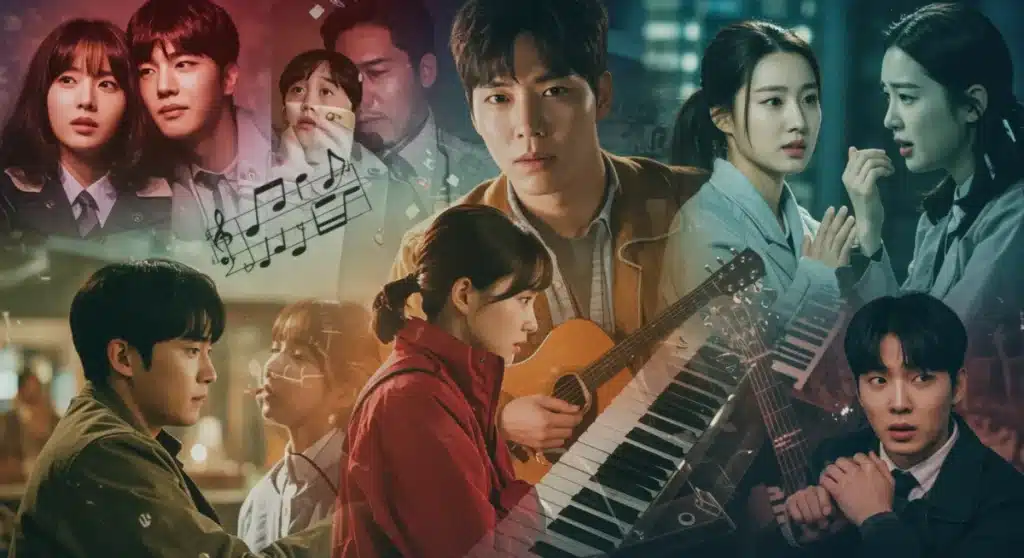
K-drama soundtracks are the secret weapon behind the genre’s emotional storytelling success in the US, deeply embedding narratives into viewers’ hearts through their unique blend of melody and mood.
K-Drama soundtracks emotional storytelling has become an undeniable force, transcending cultural barriers and captivating audiences across the United States. These meticulously crafted musical accompaniments are far more than mere background noise; they are integral to the narrative, weaving a rich tapestry of emotions that elevate the viewing experience. From heart-wrenching ballads to upbeat anthems, K-drama OSTs have carved out a significant niche, proving themselves to be the secret weapon behind the genre’s burgeoning success in the American market.
The Art of K-Drama OST Composition
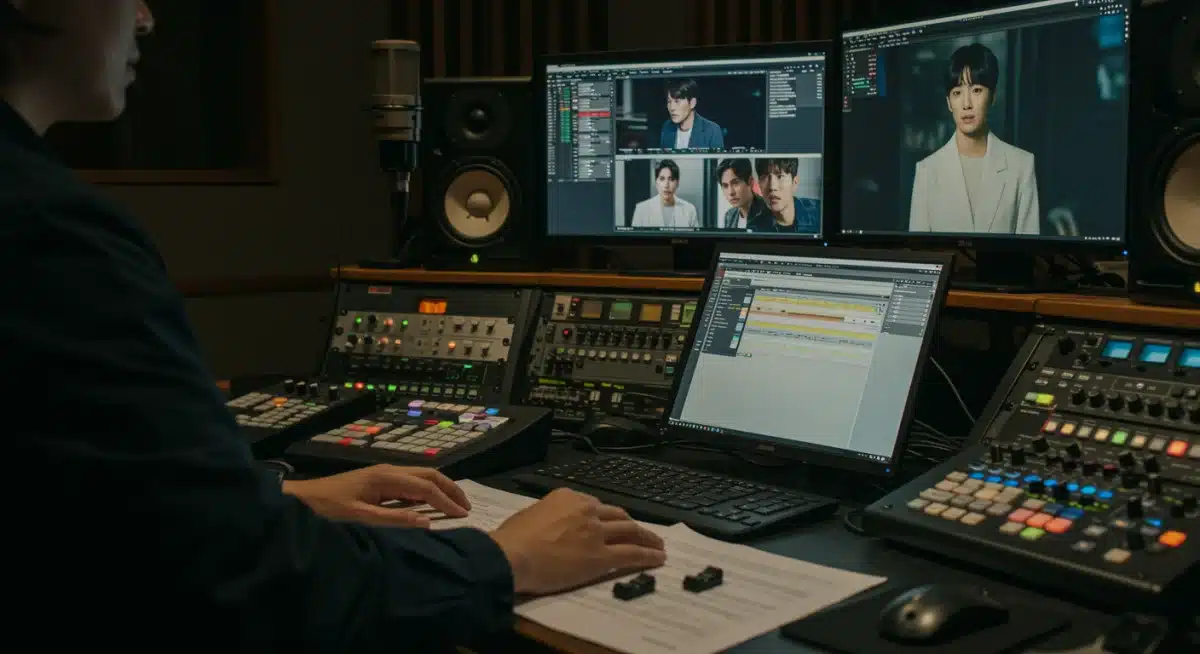
The creation of a K-drama original soundtrack (OST) is a sophisticated art form, demanding a profound understanding of storytelling and emotional resonance. Unlike many Western counterparts where scores often serve as subtle enhancements, K-drama OSTs are designed to be prominent, almost character-like elements within the narrative. They amplify key moments, foreshadow events, and provide a direct conduit to the characters’ inner worlds, making the audience feel every high and low with intense clarity.
Composers and music producers collaborate closely with drama directors and writers from the initial stages of production. This symbiotic relationship ensures that the music is not simply added post-production but is intrinsically linked to the drama’s thematic core. The goal is to produce tracks that are not only melodically pleasing but also deeply intertwined with the emotional arc of the story, creating an unforgettable auditory experience.
Crafting Emotional Narratives Through Sound
The process often begins with understanding the drama’s overarching mood and character dynamics. Composers then develop main themes that can be adapted and reinterpreted throughout the series, reflecting changes in plot and character development. This thematic consistency helps build a strong emotional connection with the audience, as certain melodies become synonymous with specific characters or pivotal moments.
- Theme Development: Creating memorable melodies that represent core emotions or character relationships.
- Genre Blending: Incorporating diverse musical styles, from classical to contemporary pop, to suit different scenes.
- Vocal Performances: Featuring renowned artists whose voices add another layer of emotional depth to the tracks.
- Instrumental Variations: Reimagining main themes with different instruments to convey nuanced feelings.
Ultimately, the art of K-drama OST composition lies in its ability to translate complex emotional landscapes into universal musical language. This meticulous approach ensures that each note, each lyric, serves a purpose, guiding the viewer through the narrative with unparalleled emotional intensity. The result is a soundtrack that not only accompanies the drama but becomes an indispensable part of its identity, leaving a lasting impression long after the final credits roll.
The Universal Language of K-Drama Melodies
Music, by its very nature, transcends linguistic and cultural barriers, and K-drama soundtracks exemplify this universal appeal. While the dialogues may be in Korean, the emotions conveyed through the music are understood by everyone, regardless of their native tongue. This inherent universality is a significant factor in the widespread success of K-dramas and their OSTs in the US, allowing American audiences to connect deeply with stories that might otherwise feel distant.
The melodies often feature familiar chord progressions and arrangements, yet they possess a distinct K-pop sensibility that makes them fresh and engaging. This blend of familiarity and novelty creates an approachable entry point for new listeners, drawing them into the rich world of Korean entertainment. The emotional honesty embedded in these songs resonates with a fundamental human experience, making them incredibly impactful.
Bridging Cultural Divides Through Sound
K-drama OSTs frequently utilize powerful vocal performances, often by celebrated K-pop idols or ballad singers, whose expressive delivery adds another layer of emotional depth. These vocalists are masters at conveying intricate feelings through their tone, phrasing, and dynamic range, pulling listeners into the narrative’s emotional core. The lyrics, even when not fully understood by non-Korean speakers, contribute to the overall mood, and translations are readily available for those who wish to delve deeper.
- Emotional Resonance: Melodies crafted to evoke specific feelings like joy, sorrow, love, or longing.
- Vocal Prowess: Exceptional singing by artists who can convey profound emotions.
- Accessibility: Easy-to-listen tunes that quickly become catchy and memorable.
- Cultural Exchange: Music acting as a gateway to understanding Korean culture and artistic expression.
The universal language of K-drama melodies is a testament to the power of music as a form of communication. It allows audiences from diverse backgrounds to share in the emotional journey of the characters, fostering a sense of connection and shared humanity. This ability to bridge cultural divides through sound is a key component of K-drama’s growing influence in the US and globally.
How Soundtrack Enhances Narrative Impact
The strategic deployment of music in K-dramas is a masterclass in enhancing narrative impact. Soundtracks are not merely background fillers; they are active participants in the storytelling process, often dictating the emotional tone of a scene or highlighting critical plot developments. Think of a poignant ballad playing during a tearful reunion or an uplifting pop track underscoring a moment of triumph. These musical cues are meticulously chosen to amplify the emotional weight of each scene.
This deliberate use of music helps to guide the audience’s emotional response, ensuring they feel exactly what the creators intend. It creates a more immersive viewing experience, drawing viewers deeper into the world of the drama and forging a stronger connection with the characters. The synergy between visual storytelling and auditory accompaniment is what makes K-dramas so uniquely compelling.
Strategic Placement and Emotional Cues
One of the most effective techniques is the recurring motif, where a specific song or instrumental piece is associated with a particular character, relationship, or theme. When this motif reappears, it instantly conjures up the associated emotions and memories, adding layers of meaning to the current scene without needing explicit dialogue. This creates a powerful emotional shorthand between the drama and its audience.
- Mood Setting: Instantly establishing the atmosphere of a scene, whether romantic, tense, or comedic.
- Character Development: Associating specific melodies with character arcs and transformations.
- Plot Progression: Marking significant turning points or revelations in the story.
- Emotional Reinforcement: Intensifying feelings of joy, sadness, suspense, or relief for the audience.
The carefully orchestrated interplay between visuals and sound ensures that every emotional beat of the narrative is felt acutely. The soundtrack often acts as an unspoken narrator, providing context and depth that words alone cannot achieve. This sophisticated approach to integrating music makes K-drama narratives profoundly impactful and memorable for audiences worldwide, especially in the US.
The Role of Idols and Popular Artists in OSTs
A significant aspect contributing to the allure and success of K-drama soundtracks is the involvement of popular K-pop idols and renowned vocal artists. Their participation brings not only their exceptional vocal talents but also their existing fan bases, which further amplifies the reach and appeal of the drama and its music. When a beloved idol lends their voice to an OST, it generates immense buzz and excitement, drawing in fans who might not typically watch K-dramas.
These artists often possess a distinctive vocal color and emotional delivery that perfectly complements the drama’s themes. Their ability to convey deep feelings through song adds another layer of authenticity and relatability to the soundtrack, making the emotional impact even stronger. For many fans, hearing their favorite idol sing a K-drama ballad is an experience that resonates deeply, creating a lasting memory associated with both the artist and the drama.
Star Power and Fan Engagement
The strategic casting of artists for OSTs is a deliberate marketing move. It leverages the immense popularity of K-pop to introduce dramas to a wider audience, particularly in international markets like the US. Fans are often eager to support their idols’ ventures, leading them to discover new dramas and become immersed in the genre. This cross-promotional synergy is incredibly effective.
- Increased Visibility: Idols’ involvement brings their massive fan bases to the drama.
- Vocal Excellence: High-quality singing that elevates the musical standard of the OST.
- Emotional Connection: Fans feel a stronger bond to the drama through their favorite artists.
- Merchandising Opportunities: OST albums and related merchandise become highly sought after.
The collaboration between K-drama production teams and popular artists creates a win-win situation. Dramas gain increased viewership and cultural cachet, while artists get an additional platform to showcase their versatility and expand their reach. This powerful combination of star power and emotional storytelling through music is a key factor in the growing success of K-dramas and their soundtracks in the US.
K-Drama OSTs as Standalone Musical Hits
Beyond their integral role within the dramas, many K-drama OSTs have achieved considerable success as standalone musical hits. They frequently top music charts in Korea and gain significant traction on international streaming platforms, becoming beloved songs in their own right. This phenomenon speaks to the high quality of the music and its ability to resonate with listeners even without the visual context of the drama.
The melodies are often catchy and memorable, with universal themes of love, loss, hope, and perseverance that appeal to a broad audience. Many listeners discover K-dramas through their soundtracks, hearing a captivating song and then seeking out the drama it originated from. This reverse discovery process highlights the independent power and appeal of K-drama music.
From Screen to Playlist: A Global Phenomenon

The accessibility of streaming services has played a crucial role in this global spread. Platforms like Spotify, Apple Music, and YouTube make it easy for fans in the US to discover, listen to, and share their favorite K-drama tracks. This digital availability has transformed OSTs into a global music phenomenon, contributing significantly to the overall Hallyu (Korean Wave) movement.
- Chart Success: OSTs frequently rank high on domestic and international music charts.
- Streaming Popularity: Millions of streams on global music platforms, indicating widespread appeal.
- Concert Tours: Popularity leading to OST concert events featuring the original singers.
- Cultural Impact: Becoming part of the global music landscape, influencing other artists and genres.
The transition of K-drama OSTs from drama accompaniments to standalone musical hits underscores their artistic merit and emotional depth. They offer a unique blend of musicality and narrative connection that few other genres can match. For US audiences, these songs provide a rich and diverse listening experience, solidifying their place in personal playlists and cementing the enduring legacy of K-drama music.
The Future of K-Drama Soundtracks in the US
The trajectory of K-drama soundtracks in the US market points towards continued growth and even greater integration into mainstream culture. As K-dramas gain more viewers through platforms like Netflix and Viki, the accompanying music will naturally follow, finding new audiences and solidifying its position as a significant cultural export. The unique blend of emotional depth, high production value, and star power ensures its sustained appeal.
Expect to see more collaborations between Korean and Western artists, further blurring the lines between musical genres and expanding the global reach of K-drama music. As the appreciation for Korean entertainment deepens, so too will the demand for its distinctive auditory experiences, pushing OSTs into new creative territories and greater commercial success.
Evolving Trends and Expanding Influence
Future trends may include even more experimental soundscapes, deeper integration of traditional Korean instruments with modern electronic beats, and perhaps even K-drama-inspired musicals or live orchestral performances of iconic OSTs. The innovative spirit that drives the K-pop industry will undoubtedly influence K-drama soundtracks, leading to ever more dynamic and captivating musical creations.
- Increased Mainstream Recognition: More K-drama OSTs featured on mainstream US radio and media.
- Cross-Cultural Collaborations: Partnerships between Korean and American musicians and composers.
- Technological Integration: Enhanced interactive experiences with soundtracks in digital formats.
- Educational Impact: Growing academic interest in the cultural and musical impact of K-drama OSTs.
The future of K-Drama soundtracks emotional storytelling in the US is bright, promising a continued evolution of sound and narrative. These musical masterpieces will undoubtedly remain a secret weapon, continuing to enchant and emotionally connect with American audiences for years to come, solidifying K-drama’s place in the global entertainment landscape and enriching the cultural tapestry of the United States.

| Key Point | Brief Description |
|---|---|
| Emotional Amplification | OSTs are crafted to intensify emotional moments, acting as a direct conduit to characters’ feelings. |
| Universal Appeal | Melodies transcend language barriers, enabling deep connections with diverse US audiences. |
| Star Power Integration | Popular idols and artists boost visibility and fan engagement for K-dramas. |
| Standalone Success | Many OSTs become popular hits independently, attracting new viewers to K-dramas. |
Frequently Asked Questions About K-Drama Soundtracks
K-drama soundtracks are meticulously composed to deeply intertwine with the narrative, amplifying emotions and guiding the audience’s response. They are not mere background music but active storytelling elements that mirror character development and plot progression, forging a strong emotional connection with viewers.
Music’s universal language allows K-drama OSTs to transcend linguistic barriers. The emotional depth conveyed through melodies and vocal performances resonates with fundamental human experiences, making them universally understood and appreciated by American viewers, regardless of their proficiency in Korean.
K-pop idols and popular artists bring their exceptional vocal talents and massive fan bases to K-drama OSTs. Their involvement generates significant buzz, draws in new viewers, and enhances the emotional authenticity of the music, contributing significantly to the drama’s overall appeal and reach.
Many K-drama OSTs achieve significant success as standalone musical hits, topping charts and gaining millions of streams globally. Their catchy melodies and universal themes allow them to resonate with listeners independently, often leading new fans to discover the dramas themselves.
The future for K-drama soundtracks in the US is bright, with continued growth expected. Increased mainstream recognition, cross-cultural collaborations, and innovative musical trends are anticipated. OSTs will likely further integrate into US pop culture, solidifying their vital role in K-drama’s lasting success.
Conclusion
The profound impact of K-Drama soundtracks emotional storytelling in the US cannot be overstated. These meticulously crafted musical accompaniments are not just background noise; they are vital narrative components that deepen emotional connections, transcend cultural divides, and elevate the entire viewing experience. From their sophisticated composition to the star power of featured artists and their success as standalone hits, K-drama OSTs have cemented their status as a secret weapon, driving the genre’s rising popularity and ensuring its enduring legacy in the American entertainment landscape. As K-dramas continue to captivate global audiences, their unforgettable soundtracks will undoubtedly remain at the heart of their emotional resonance and widespread appeal.