Japanese Dramas: Shaping Global Trends and Cultural Impact
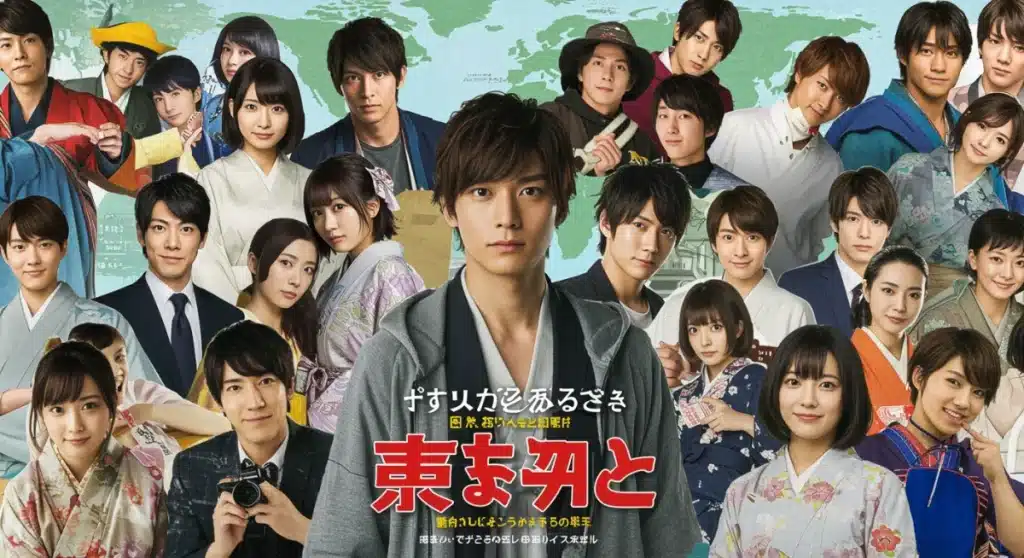
Japanese dramas are increasingly shaping global trends by offering unique narratives, rich cultural insights, and diverse genres that resonate with international audiences, fostering significant cultural exchange.
Have you ever wondered how a television series from a distant land could captivate millions across the globe? The phenomenon of Japanese dramas global impact is a testament to the universal power of compelling storytelling. These series, often referred to as J-dramas, are not just fleeting entertainment; they are cultural touchstones that are increasingly influencing global entertainment trends and fostering a deeper understanding of Japanese society.
The evolution of Japanese dramas: from niche to global appeal
Japanese dramas have come a long way from being primarily consumed by domestic audiences. Initially, their reach was limited, often finding an audience among those with a pre-existing interest in Japanese culture. However, with the advent of streaming platforms and increased globalization, J-dramas have experienced a remarkable surge in popularity, transforming from a niche interest into a global phenomenon. This evolution is not merely about accessibility; it’s about the inherent quality and diversity of the content itself.
The early days of Japanese television drama saw a focus on specific genres, often reflecting societal norms and concerns of the time. Series like ‘Tokyo Love Story’ (1991) captivated audiences with their romantic narratives, while ‘Long Vacation’ (1996) became a cultural touchstone for a generation. These dramas laid the groundwork, building a loyal following that would eventually expand beyond Japan’s borders. The unique blend of emotional depth, intricate plotlines, and distinct visual aesthetics began to draw in international viewers, slowly but surely.
Technological advancements and accessibility
The rise of the internet and digital streaming services has been a monumental factor in the global propagation of J-dramas. No longer limited by broadcast schedules or regional licensing, platforms like Netflix, Viki, and Crunchyroll have made a vast library of Japanese content readily available to a worldwide audience. This ease of access has democratized consumption, allowing viewers from diverse linguistic and cultural backgrounds to discover and enjoy these narratives.
- Global Streaming Platforms: Services like Netflix and Viki have invested heavily in acquiring and subtitling Japanese dramas, making them accessible to non-Japanese speakers.
- Fan Subtitling Communities: Before official platforms, dedicated fan communities played a crucial role in translating and distributing J-dramas, building early international fanbases.
- Social Media Engagement: Platforms like Twitter, Instagram, and Reddit allow fans worldwide to discuss, recommend, and share their passion for Japanese dramas, amplifying their reach.
The transition from physical media to digital streaming has not only increased accessibility but also fostered a more interactive and engaged global community of J-drama enthusiasts. This direct connection has been vital in propelling Japanese dramas into the global spotlight, allowing their unique cultural narratives to resonate with a diverse viewership.
In essence, the journey of Japanese dramas from localized entertainment to a significant player on the global stage is a story of evolving technology meeting compelling content. The initial groundwork laid by classic dramas, combined with modern distribution methods, has created a fertile ground for their international success, demonstrating a remarkable shift in audience consumption habits and cultural exchange.
Diverse genres and universal themes: resonating with a global audience
One of the key strengths of Japanese dramas lies in their incredible genre diversity and their ability to explore universal themes that transcend cultural boundaries. While often rooted in Japanese societal contexts, the core human experiences depicted—love, loss, ambition, friendship, family, and societal pressures—are inherently relatable to viewers worldwide. This blend of cultural specificity and universal appeal is a powerful magnet for international audiences.
From heartwarming slice-of-life stories and intricate psychological thrillers to high-stakes legal dramas and fantastical sci-fi epics, J-dramas offer a spectrum of narratives. This variety ensures that there is something for almost every taste, preventing viewer fatigue and attracting a broader demographic. Unlike some regional dramas that might lean heavily into one or two popular genres, Japanese dramas consistently experiment and innovate, keeping their content fresh and engaging.
Exploring unique storytelling approaches
Japanese dramas often employ distinct storytelling techniques that set them apart. They frequently delve deep into character psychology, offering nuanced portrayals of human emotions and motivations. The pacing can vary significantly, from slow-burn narratives that meticulously build tension to fast-paced, action-packed series. This narrative flexibility allows for a richer and more immersive viewing experience, encouraging viewers to invest deeply in the characters and their journeys.
Moreover, J-dramas frequently tackle complex social issues with sensitivity and depth. Topics such as mental health, social inequality, workplace dynamics, and the challenges of modern life are often explored through compelling character arcs and realistic scenarios. This willingness to engage with serious subjects, without shying away from their complexities, adds a layer of intellectual engagement for the audience, fostering empathy and understanding.
- Strong Character Development: J-dramas excel at creating multi-dimensional characters whose struggles and triumphs feel authentic and relatable.
- Thought-Provoking Plots: Many series go beyond simple entertainment, prompting viewers to reflect on societal norms, ethical dilemmas, and personal values.
- Emotional Resonance: Whether it’s joy, sorrow, or suspense, Japanese dramas are adept at evoking strong emotional responses, creating a lasting impact on viewers.
The ability of Japanese dramas to blend culturally specific elements with universally understood human emotions and experiences is a cornerstone of their global appeal. This intricate balance allows international audiences to not only appreciate the unique aspects of Japanese culture but also to connect with the stories on a deeply personal level, making them compelling and memorable.
Ultimately, the diverse genres and universal themes woven into the fabric of Japanese dramas are instrumental in their success on the global stage. They offer a window into a different culture while simultaneously reflecting shared human experiences, creating a powerful and enduring connection with viewers around the world.
Cultural exchange and soft power: Japan’s influence through drama
The global rise of Japanese dramas is not just an entertainment phenomenon; it’s a significant driver of cultural exchange and a potent example of Japan’s soft power. As viewers worldwide immerse themselves in these narratives, they are exposed to various facets of Japanese culture, from daily life and social customs to traditional values and modern innovations. This exposure fosters a deeper understanding and appreciation for Japan, extending its cultural influence far beyond its geographical borders.
Through J-dramas, international audiences gain insights into Japanese gastronomy, fashion, art, and even specific social etiquette. A character preparing a traditional meal, a scene set in a bustling Tokyo street, or a plotline exploring the nuances of Japanese workplace hierarchy all contribute to a rich, immersive cultural experience. This indirect learning is often more engaging and effective than formal education, as it’s embedded within captivating stories.
Impacting travel and language interest
The allure of J-dramas often translates into tangible interest in visiting Japan and learning the Japanese language. Viewers, inspired by the beautiful landscapes, vibrant cityscapes, and intriguing cultural practices depicted on screen, frequently express a desire to experience these firsthand. This direct link between entertainment consumption and tourism is a powerful indicator of soft power in action.

Furthermore, the need to follow dialogue and appreciate cultural nuances motivates many to begin learning Japanese. While subtitles provide accessibility, a desire for deeper immersion often leads fans to seek out language classes or self-study resources. This organic growth in language interest is a testament to the profound impact J-dramas have on their audience.
- Tourism Boost: Popular drama locations often become tourist hotspots, drawing international visitors eager to experience the settings of their favorite shows.
- Language Learning: J-dramas serve as an engaging tool for Japanese language acquisition, motivating viewers to understand the original dialogue.
- Cultural Appreciation: Exposure to Japanese customs, traditions, and societal values through drama fosters greater cross-cultural understanding and respect.
The soft power exerted by Japanese dramas is subtle yet pervasive. It shapes perceptions, sparks curiosity, and encourages engagement with Japanese culture on multiple levels. This form of cultural diplomacy is incredibly effective, building bridges between Japan and the rest of the world through shared entertainment experiences.
In essence, Japanese dramas act as powerful cultural ambassadors, showcasing the richness and complexity of Japanese society to a global audience. Their ability to inspire travel, language learning, and a deeper appreciation for Japanese culture underscores their significant role in fostering international understanding and connection.
Production quality and artistic merit: setting high standards
The sustained global appeal of Japanese dramas is inextricably linked to their consistently high production quality and significant artistic merit. From meticulous cinematography and compelling soundtracks to exceptional acting and innovative directing, J-dramas often set a benchmark for quality entertainment. This commitment to excellence ensures that each series is not only engaging but also a visually and audibly rich experience for the viewer.
Japanese filmmakers and television producers are renowned for their attention to detail, which is evident in every aspect of a drama’s production. Sets are often intricately designed, costumes are carefully chosen to reflect character and context, and location scouting ensures visually stunning backdrops. This dedication to craft contributes significantly to the immersive quality of J-dramas, drawing viewers deeper into their fictional worlds.
Innovative directorial choices and cinematography
Many Japanese dramas exhibit innovative directorial choices and sophisticated cinematography. Directors often experiment with unique camera angles, lighting techniques, and editing styles to enhance storytelling and emotional impact. This artistic freedom allows for a diverse range of visual aesthetics, from the stark realism of some dramas to the highly stylized and fantastical elements of others.
The use of music in J-dramas is also a crucial element of their artistic merit. Soundtracks are often carefully curated, featuring original compositions that perfectly complement the narrative and evoke specific moods. A memorable opening theme or a poignant background score can significantly elevate the viewing experience, making scenes more impactful and characters more memorable. The synergy between visual storytelling and auditory experience is a hallmark of high-quality Japanese drama production.
- High Production Values: Investment in quality sets, costumes, and visual effects contributes to a polished and professional finish.
- Exceptional Acting: Japanese actors are often praised for their nuanced performances, bringing depth and authenticity to their roles.
- Creative Directing: Directors frequently employ unique artistic visions, pushing boundaries in visual storytelling and narrative structure.
The dedication to high production quality and artistic integrity in Japanese dramas is a major draw for international audiences. Viewers appreciate the effort and creativity that goes into crafting these series, recognizing them as more than just entertainment but as works of art. This commitment to excellence solidifies their reputation and contributes to their lasting global influence.
Ultimately, the artistic ambition and technical prowess evident in Japanese drama production are vital for their international success. These elements ensure a consistently high level of quality that captivates and satisfies discerning global audiences, reinforcing their position as a significant force in world entertainment.
The fan culture and community: a global network
The global impact of Japanese dramas is significantly amplified by a vibrant and dedicated fan culture that transcends national borders. This passionate community plays a crucial role in promoting J-dramas, sharing insights, and fostering a sense of belonging among viewers worldwide. Fan culture around Japanese dramas is a powerful testament to their ability to connect people and create shared experiences, irrespective of geographical distance.
Online forums, social media groups, and fan-made content platforms are bustling hubs where enthusiasts discuss plot theories, share favorite scenes, and celebrate their beloved actors. This digital ecosystem allows fans to engage with each other in real-time, creating a dynamic and interactive experience that extends beyond simply watching the show. The sense of community fostered by these interactions strengthens the overall appeal and reach of J-dramas.
Influence on global trends and media consumption
This active fan base also influences global trends, from fashion and music to food and travel. When a particular style of clothing or a specific dish is featured prominently in a popular J-drama, it often sparks interest and emulation among international fans. This organic spread of cultural elements demonstrates the direct impact of J-dramas on daily life and consumer choices outside of Japan.
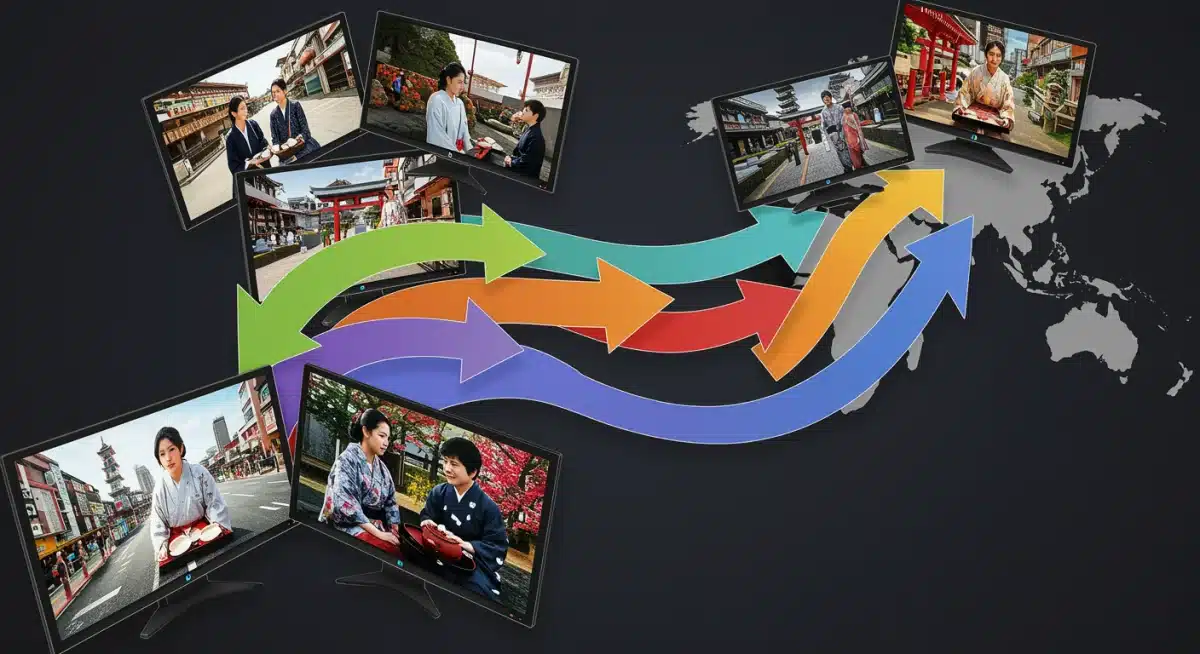
Moreover, fan communities are instrumental in the discovery of new dramas. Recommendations from trusted online sources or fellow fans often lead viewers to explore new titles and genres they might not have otherwise encountered. This word-of-mouth promotion is incredibly effective, leveraging authentic enthusiasm to broaden the audience base for Japanese dramas globally.
- Active Online Discussions: Forums and social media platforms provide spaces for fans to connect, share opinions, and analyze dramas in depth.
- Fan-Generated Content: Art, fan fiction, music videos, and memes created by fans contribute to the drama’s longevity and cultural footprint.
- Event Participation: Some fans organize or attend conventions and meet-ups focused on Japanese pop culture, including dramas, further cementing community bonds.
The global fan culture surrounding Japanese dramas is a powerful engine driving their continued success and influence. This interconnected network of enthusiasts not only supports the dramas themselves but also acts as a conduit for broader cultural exchange, solidifying the position of J-dramas as a significant global cultural force.
In conclusion, the passionate and interactive fan community is a cornerstone of the Japanese drama phenomenon. Their collective enthusiasm and engagement contribute significantly to the global visibility and cultural impact of these series, transforming them into more than just entertainment but into a shared global experience.
Challenges and future prospects for Japanese dramas
Despite their growing global influence, Japanese dramas face a unique set of challenges as they navigate the international entertainment landscape. Competition from other regional and global content, language barriers, and differing cultural tastes all present hurdles. However, with these challenges come opportunities for innovation and further expansion, pointing towards a dynamic future for J-dramas on the world stage.
One primary challenge is the sheer volume of content available globally. Viewers today have an unprecedented array of choices, from Hollywood blockbusters to K-dramas and European series. Standing out in such a crowded market requires continuous creativity, strategic marketing, and a clear understanding of what makes J-dramas unique and appealing.
Adapting to global consumption patterns
Another significant hurdle is the pacing and narrative structure of some Japanese dramas, which can sometimes differ from Western conventions. While this distinctiveness is often seen as a strength, it can also be a barrier for new viewers accustomed to faster-paced narratives. Adapting to global consumption patterns without sacrificing their unique identity is a delicate balance that producers must strike.
Moreover, effective localization, beyond just subtitling, is crucial. This includes understanding the nuances of different markets, engaging with local influencers, and potentially even co-producing content that resonates with specific international audiences while retaining its Japanese essence. The future success of J-dramas hinges on their ability to remain authentic while also being globally accessible and appealing.
- Increased Competition: Navigating a highly competitive global streaming market requires strategic differentiation.
- Cultural Nuance Translation: Ensuring that humor, social commentary, and emotional depth translate effectively across cultures is essential.
- Marketing and Distribution: Developing robust international marketing strategies and diverse distribution channels is key for broader reach.
Looking ahead, the future of Japanese dramas appears promising, provided they continue to innovate and adapt. Investment in high-quality productions, exploration of diverse genres, and strategic partnerships with global streaming platforms will be crucial. The continued emphasis on unique storytelling and authentic cultural representation will also ensure their distinct place in the global entertainment ecosystem.
Ultimately, while challenges persist, the inherent quality and cultural richness of Japanese dramas position them for continued growth. By embracing global opportunities while staying true to their identity, J-dramas are poised to further solidify their role in shaping global entertainment trends and fostering cross-cultural understanding for years to come.
The enduring legacy: how Japanese dramas inspire and influence
The enduring legacy of Japanese dramas extends far beyond mere entertainment; they inspire new generations of creators, influence storytelling techniques across different cultures, and leave an indelible mark on their global audience. This profound influence underscores their significant role in the evolving landscape of international media, proving that compelling narratives transcend all boundaries.
J-dramas have inspired numerous remakes and adaptations in other countries, particularly in Asia, demonstrating the universal appeal of their core concepts and characters. This cross-cultural adaptation is a clear indicator of their narrative strength and their ability to resonate with diverse audiences. Moreover, elements of J-drama aesthetics, directing styles, and character archetypes can be observed in productions from various parts of the world, highlighting their subtle yet pervasive influence on global entertainment.
Shaping viewer perspectives and fostering empathy
Beyond the entertainment industry, Japanese dramas have a powerful capacity to shape viewer perspectives and foster empathy. By presenting diverse viewpoints, exploring complex social issues, and showcasing the human experience in all its facets, these series encourage audiences to think critically and to connect with characters and situations that might initially seem foreign. This cultivation of empathy is a significant contribution to global understanding and cultural harmony.
For many viewers, J-dramas serve as a gateway to broader Japanese pop culture, leading them to explore anime, manga, music, and literature. This ripple effect creates a holistic engagement with Japanese arts and media, deepening their appreciation and understanding. The initial spark ignited by a compelling drama often blossoms into a lifelong interest in all things Japanese.
- Inspiration for Remakes: Successful J-dramas are frequently remade in other countries, testifying to their strong narrative foundations.
- Influence on Storytelling: Their unique narrative structures and character development techniques inspire creators worldwide.
- Cultural Ambassadors: J-dramas continue to be powerful tools for cultural diplomacy, promoting understanding and appreciation for Japan.
The legacy of Japanese dramas is one of innovation, cultural exchange, and profound emotional impact. They continue to captivate, challenge, and inspire millions, securing their place as a vital component of global entertainment. Their ongoing influence ensures that the unique stories and cultural insights they offer will continue to resonate for generations to come, shaping both individual perspectives and broader cultural trends.
In conclusion, the enduring legacy of Japanese dramas is a testament to their artistic quality and universal appeal. They not only entertain but also educate, inspire, and connect people across the globe, solidifying their status as a powerful and lasting cultural force.
| Key Aspect | Brief Description |
|---|---|
| Global Accessibility | Streaming platforms have made J-dramas easily available worldwide, expanding their audience significantly. |
| Genre Diversity | From romance to thrillers, J-dramas offer a wide array of genres appealing to diverse tastes. |
| Cultural Exchange | They act as cultural ambassadors, promoting Japanese customs, language, and values globally. |
| High Production Quality | Meticulous cinematography, compelling soundtracks, and strong acting contribute to their artistic merit. |
Frequently asked questions about Japanese dramas
Japanese dramas often feature unique narrative structures, a strong focus on character psychology, and a willingness to explore complex social themes with emotional depth. Their pacing can differ, and they frequently showcase distinct Japanese cultural nuances and aesthetics, setting them apart from other regional productions.
Streaming platforms like Netflix, Viki, and Crunchyroll have been instrumental by providing easy access to a vast library of subtitled Japanese dramas worldwide. This accessibility has removed geographical barriers, allowing international audiences to discover and enjoy J-dramas, significantly expanding their global viewership and cultural impact.
J-dramas foster cultural exchange by exposing international audiences to Japanese customs, cuisine, fashion, and social values. This often sparks interest in learning the Japanese language, visiting Japan, and exploring other aspects of Japanese pop culture, serving as powerful cultural ambassadors.
Japanese dramas cover a wide range of genres, from family-friendly to mature themes. While some are suitable for all ages, others delve into complex issues or contain content more appropriate for adult viewers. It’s always advisable to check ratings or reviews for specific dramas to ensure suitability.
Popular genres in Japanese dramas include romance, slice-of-life, psychological thrillers, legal dramas, medical dramas, school life, and historical epics. This diverse selection ensures that there’s a genre to appeal to almost every viewer, contributing to their broad international appeal and sustained popularity.
Conclusion
The journey of Japanese dramas from local productions to a global cultural phenomenon is a compelling narrative in itself. Their ability to transcend linguistic and cultural barriers through unique storytelling, diverse genres, and high production quality has solidified their position as a powerful force in international entertainment. As J-dramas continue to evolve and adapt, their role in fostering cultural exchange, inspiring new creators, and shaping global trends will only grow, cementing their enduring legacy for generations to come.